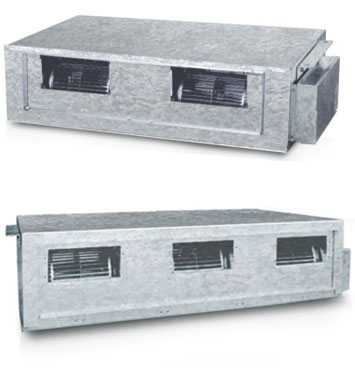
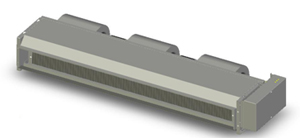
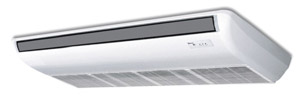
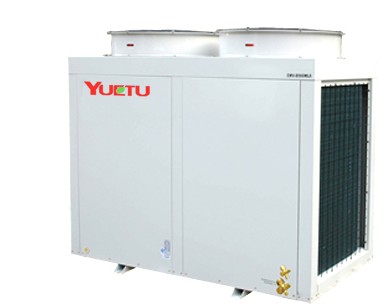
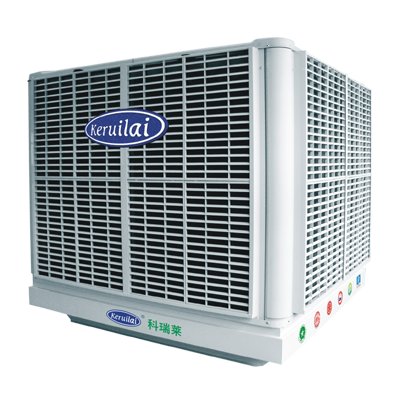
Air Conditioners
Source high-performance air conditioners from vetted manufacturers and suppliers across Asia. Designed for importers, wholesalers, and HVAC brands seeking reliable OEM and private-label production, our network delivers scalable cooling solutions. Secure competitive bulk pricing with rigorous quality control at every step.
Sourcing air conditioners in volume requires balancing strict energy efficiency mandates, evolving refrigerant regulations, and long-term component reliability. Whether you are importing finished units or assembling SKD/CKD kits, securing a capable manufacturing partner is critical to minimizing defect rates and ensuring strict market compliance.
Core Specifications and Component Selection
The reliability of an air conditioning unit is dictated by its core components. When negotiating with suppliers, you must specify the exact tier of components you expect, rather than accepting the factory's default bill of materials (BOM).
- Compressors: The compressor is the heart of the system. Specify whether you require rotary compressors (standard for residential units up to 24,000 BTU) or scroll compressors (preferred for light commercial and high-capacity units). Name-brand compressors (e.g., GMCC, Gree, Panasonic) command a premium but drastically reduce failure rates.
- Refrigerants: The global phase-down of high-GWP (Global Warming Potential) refrigerants means R410A is being rapidly replaced by R32 and R290. Ensure your factory has the specialized tooling and safety protocols required for handling mildly flammable (A2L) refrigerants like R32.
- Inverter Technology: DC Inverter units are now the baseline for most developed markets due to strict SEER/SCOP requirements. Verify if the factory uses full DC inverters (compressor, indoor motor, and outdoor motor) or partial DC setups.
| Component Focus | Standard OEM Build | Premium / High-Efficiency Build |
|---|---|---|
| Compressor Type | Generic Rotary (Fixed Speed) | Branded Full DC Inverter |
| Condenser Coils | Aluminum or thin Copper (7mm) | Thick Copper (9.5.mm) with Anti-corrosion |
| Refrigerant | R410A | R32 or R290 (Market dependent) |
| PCB Architecture | Basic non-potted board | Fully potted / Conformal coated PCB |
Need help verifying a factory's technical capabilities? We audit suppliers to ensure they can meet your exact BOM and compliance requirements.
Talk to our teamManufacturing Process and Quality Control
Air conditioner manufacturing is highly automated in tier-one factories, but vulnerabilities remain in brazing, leak testing, and electronics integration. Poor quality control on the factory floor leads to slow refrigerant leaks or premature PCB failures in the field.
Conducting thorough Factory Audits before placing an order is non-negotiable. You need to verify that the supplier has automated testing lines, not just manual assembly benches.
Coil Brazing & Nitrogen Testing
Copper tubing joints must be brazed under a nitrogen atmosphere to prevent internal oxidation. The coils should then be pressure-tested in a water bath or vacuum chamber to detect micro-leaks.
Vacuum and Refrigerant Charging
The system must be pulled into a deep vacuum (under 30 Pa) before charging. Inaccurate charging by even a few grams drastically impacts cooling efficiency.
Electrical & PCB Testing
PCBs must undergo High-Pot (high potential) testing and functional testing before being integrated into the chassis, especially for inverter models which are highly sensitive to voltage fluctuations.
Enthalpy Lab Verification
A sample of units from every batch should be tested in an enthalpy testing room to verify that the actual BTU output and wattage match the nameplate rating.
If you cannot be on the factory floor yourself, implementing third-party Quality Control & Inspection is the only way to ensure these steps are followed consistently across your entire production run.
OEM/ODM Customization Capabilities
For brands looking to differentiate, standard white-labeling is rarely enough. Engaging in robust OEM/ODM Services allows you to customize both the aesthetics and the functionality of the units.
Key Customization Areas for OEM Brands
- Custom front panel molds and hidden LED displays
- Integration of Wi-Fi modules for IoT/Smart Home compatibility (Tuya, Alexa, Google Home)
- Upgraded filtration systems (HEPA, Cold Catalyst, or Silver Ion filters)
- Anti-corrosion treatments (Gold Fin or Blue Fin) for coastal market applications
- Customized remote controls and localized user manuals
Pricing, MOQs, and Lead Times
Air conditioner pricing is heavily tied to raw material costs (copper, aluminum, plastics) and the specific compressor used. Because units are bulky, shipping economics dictate order sizes. Most factories calculate Minimum Order Quantities (MOQs) based on container utilization.
Struggling to negotiate favorable terms or secure production capacity during peak season? Let us manage the supplier relationship and logistics for you.
Get a free consultationFrequently Asked Questions
Structuring Your Supply Chain for Success
Sourcing air conditioners is a capital-intensive process where minor technical oversights can lead to massive warranty liabilities. Success depends on selecting a manufacturer with genuine engineering depth, strictly defining your BOM, and enforcing rigorous pre-shipment inspections. By managing these variables tightly, you can build a highly profitable and reliable HVAC product line.
Get Sourcing Help for Air Conditioners
Tell us your requirements and our experts will connect you with verified manufacturers.