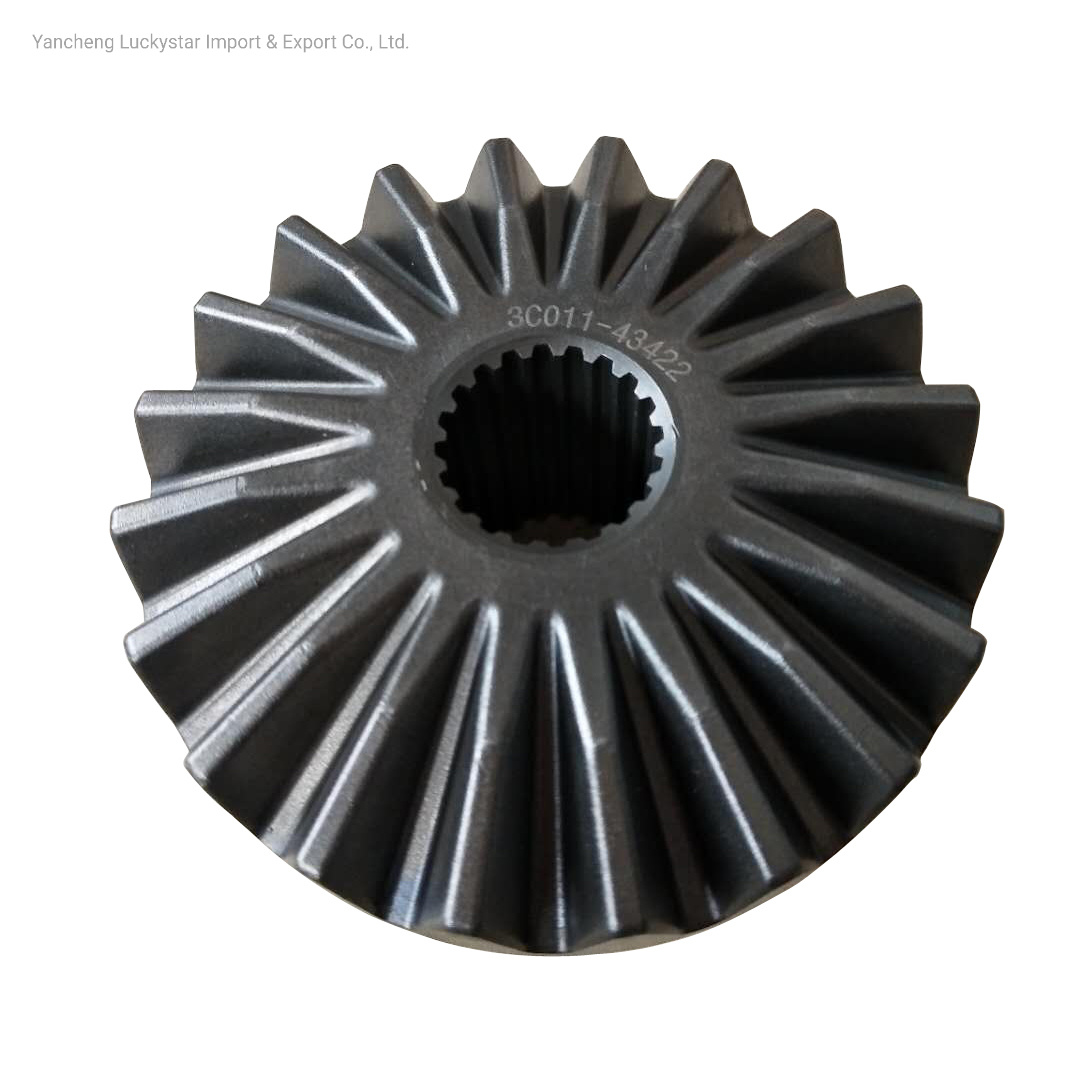
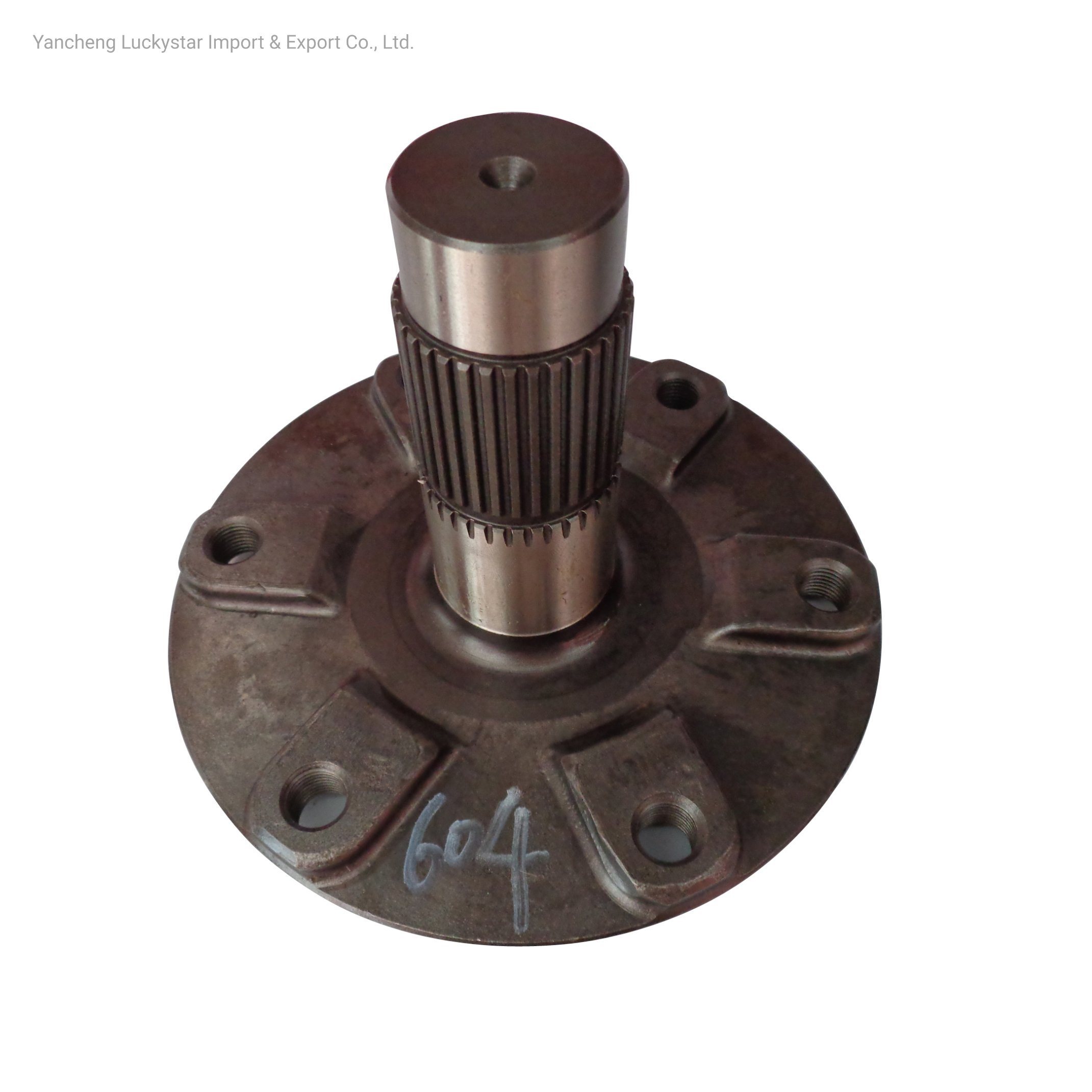
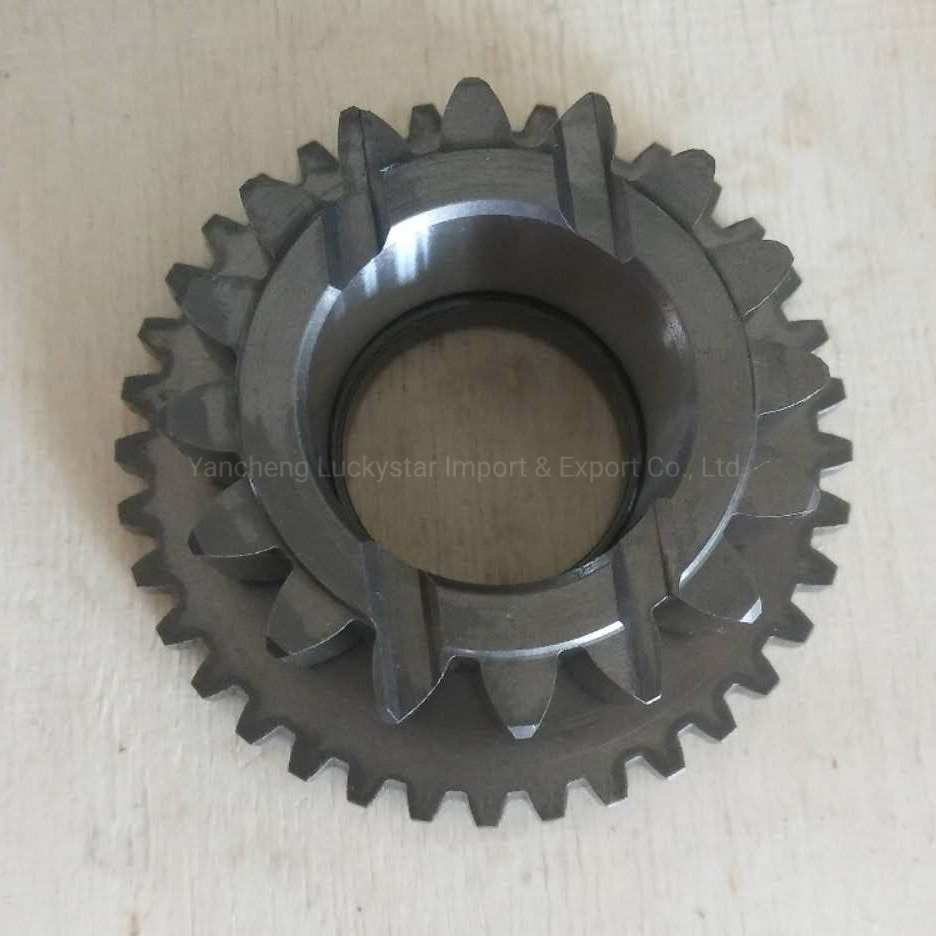
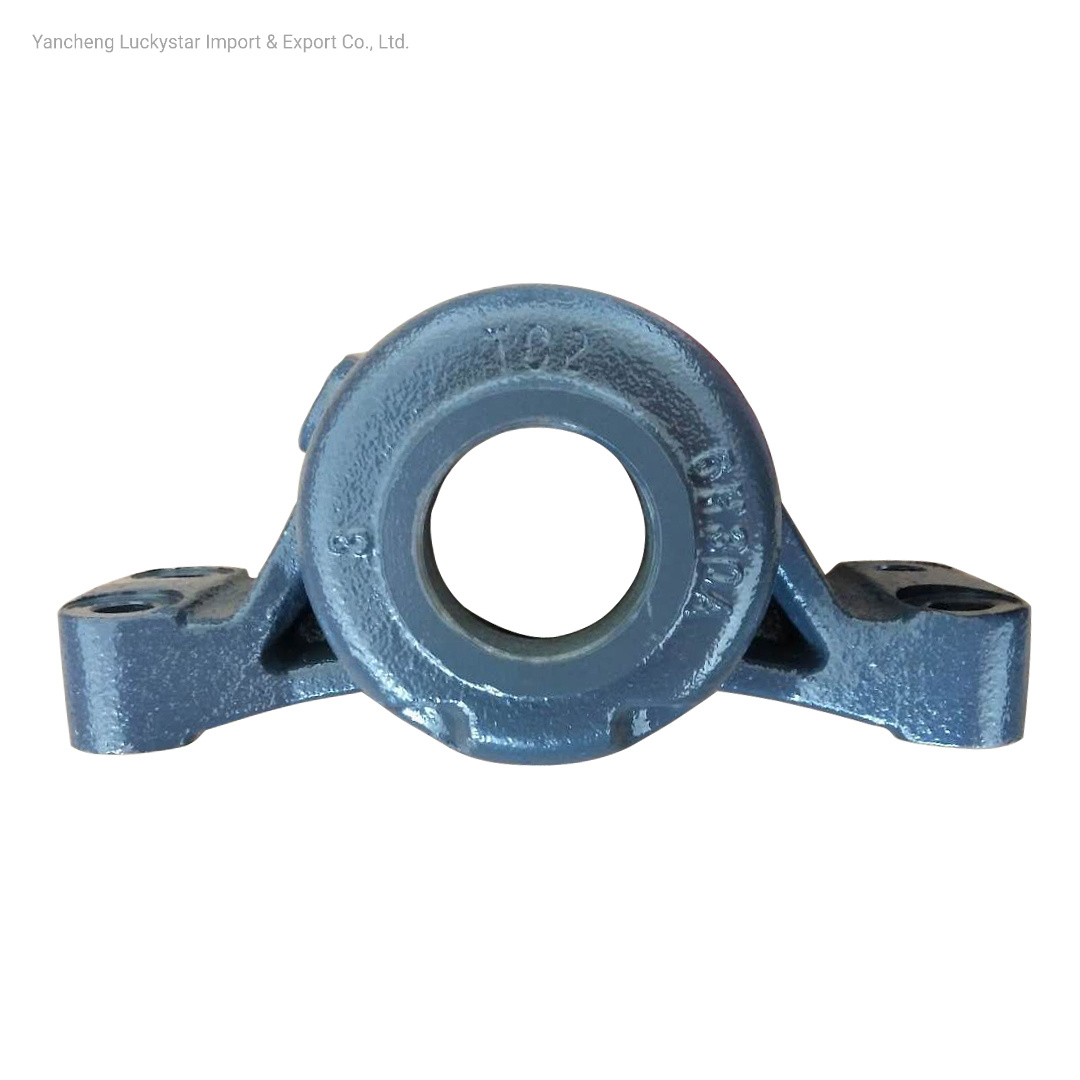
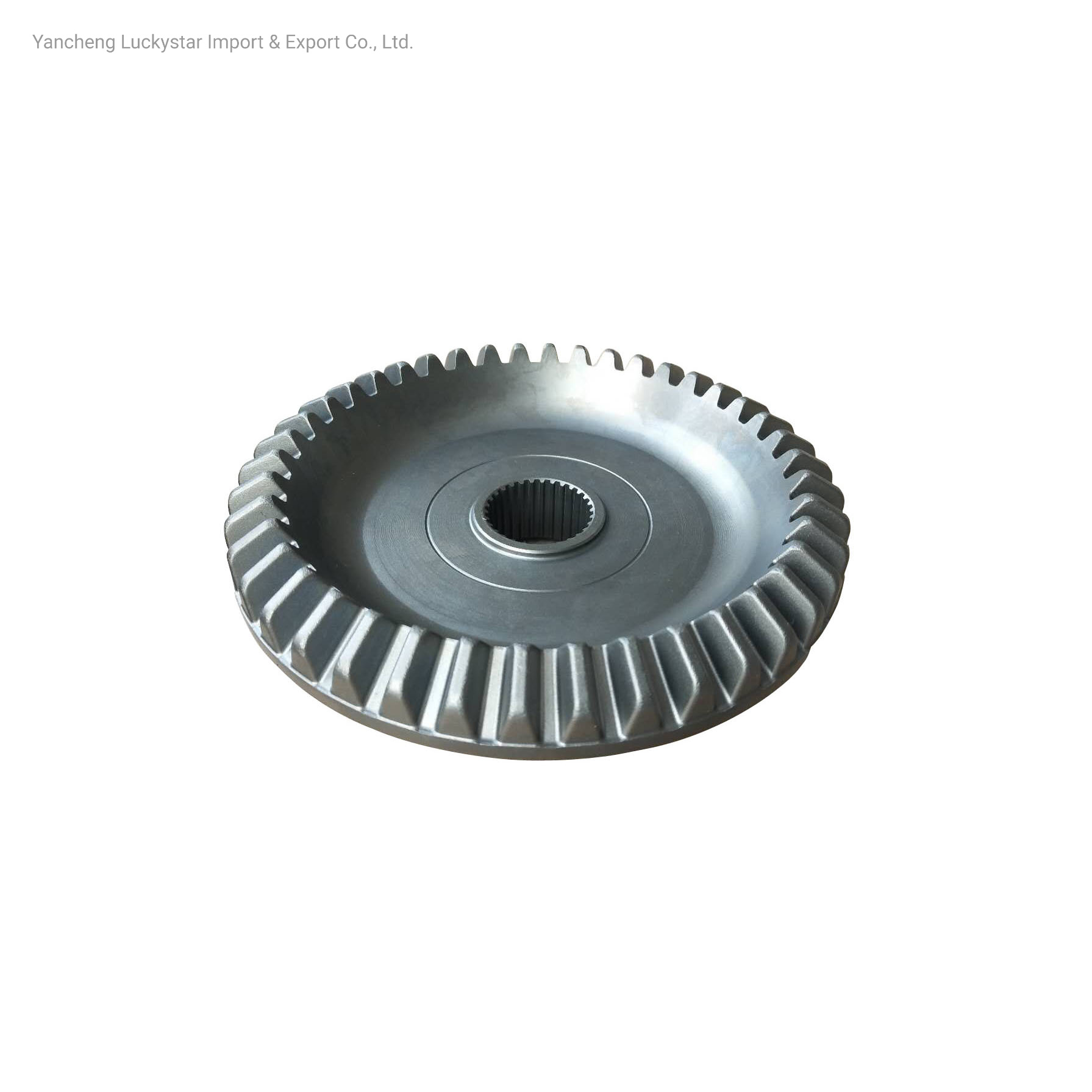
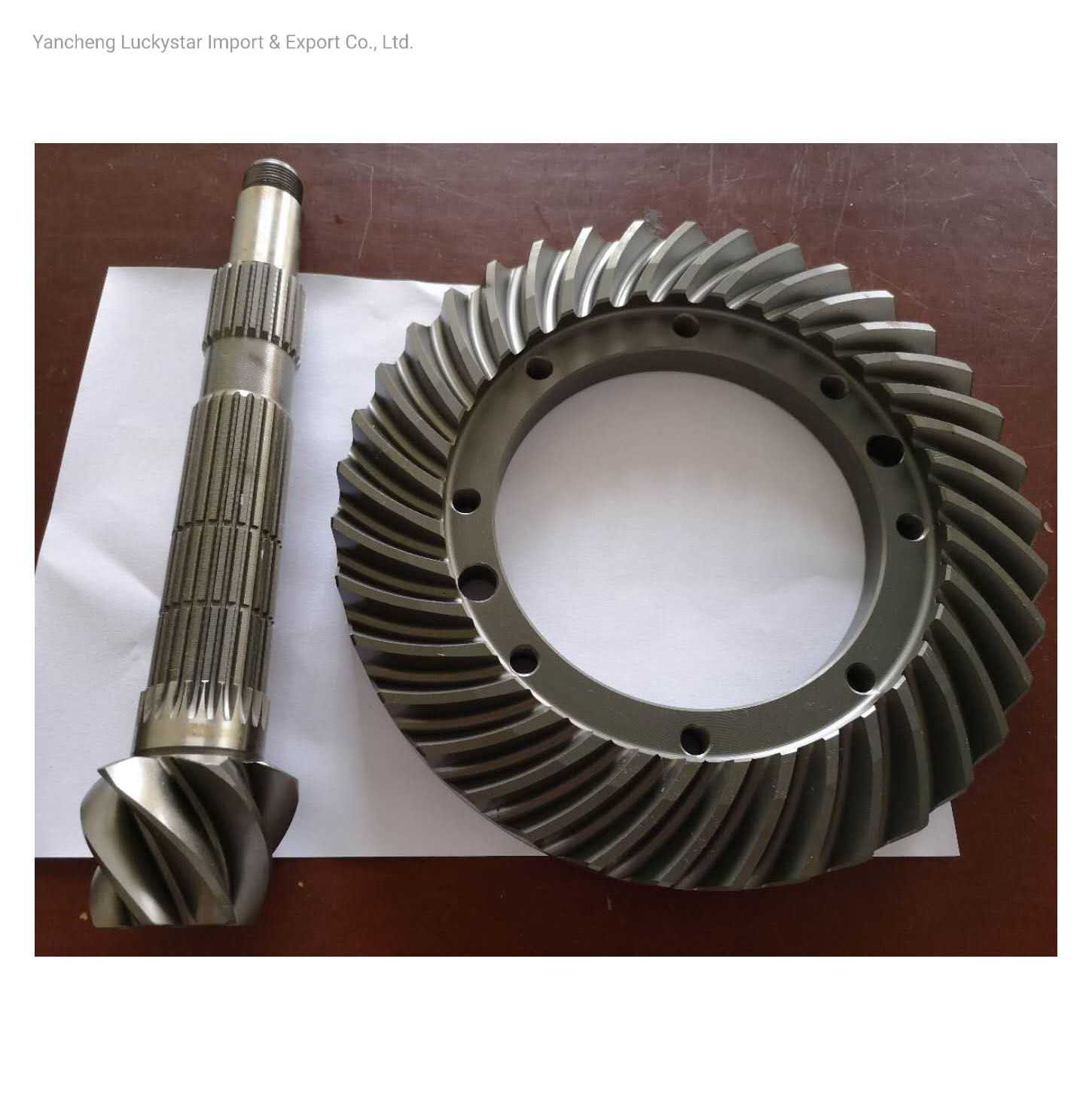
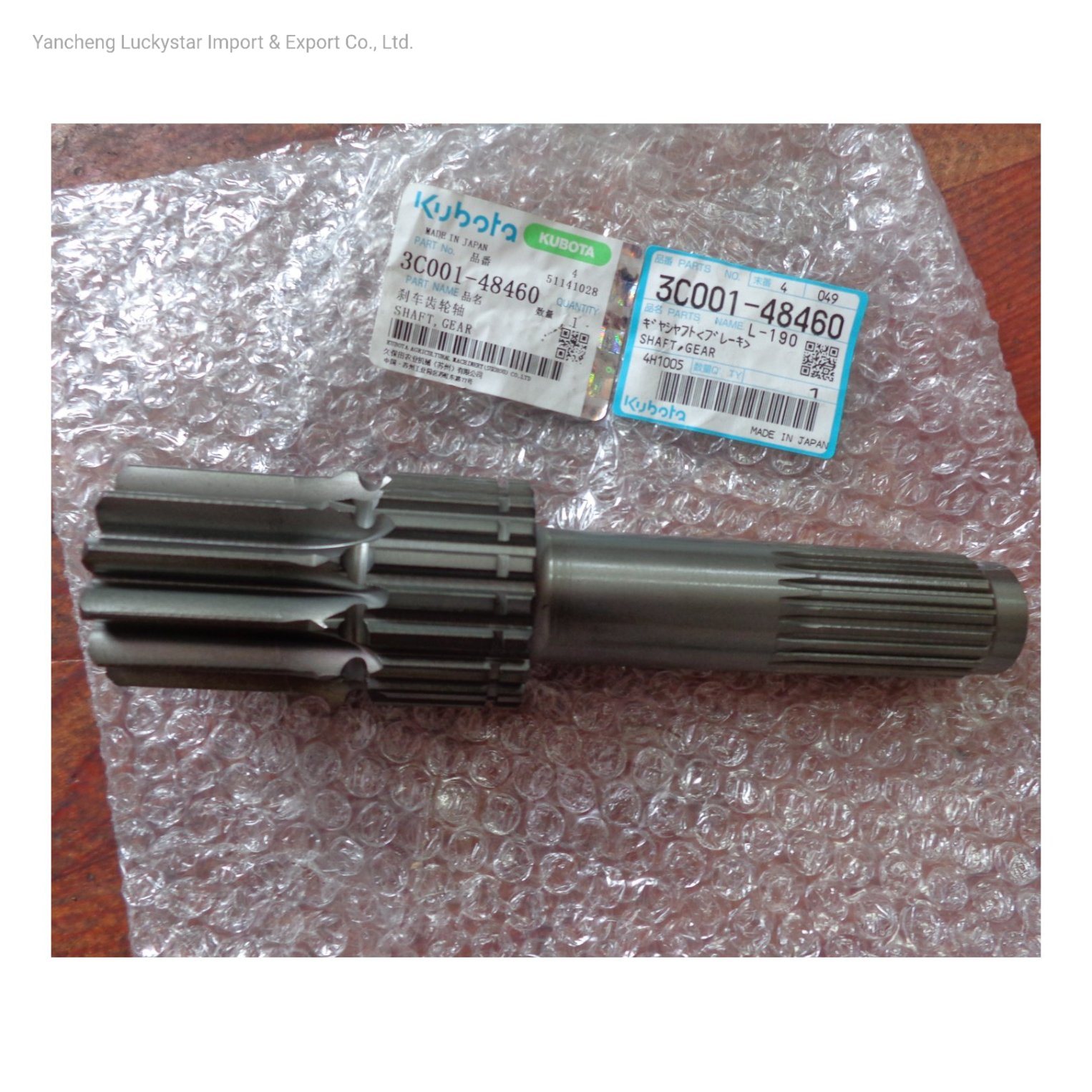
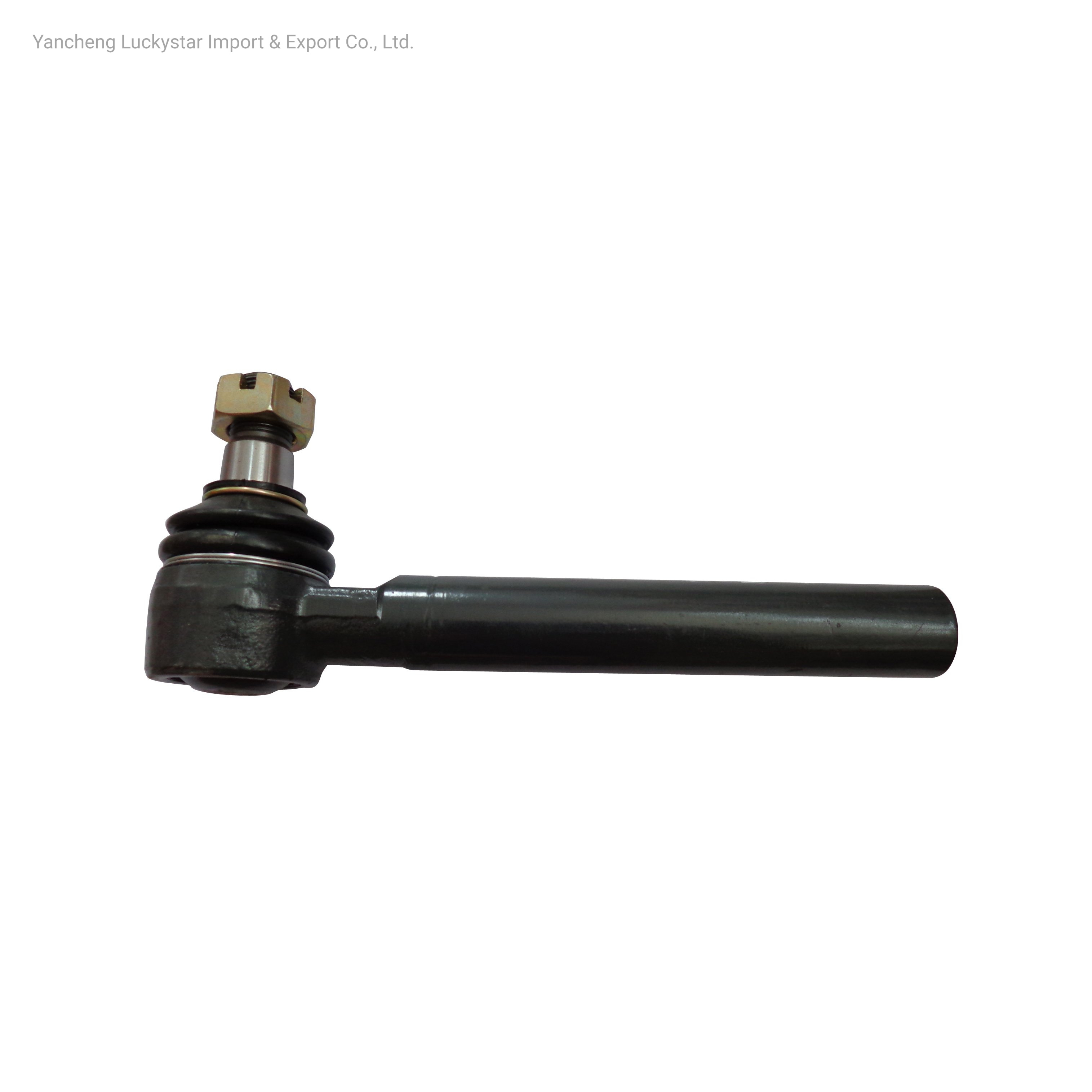
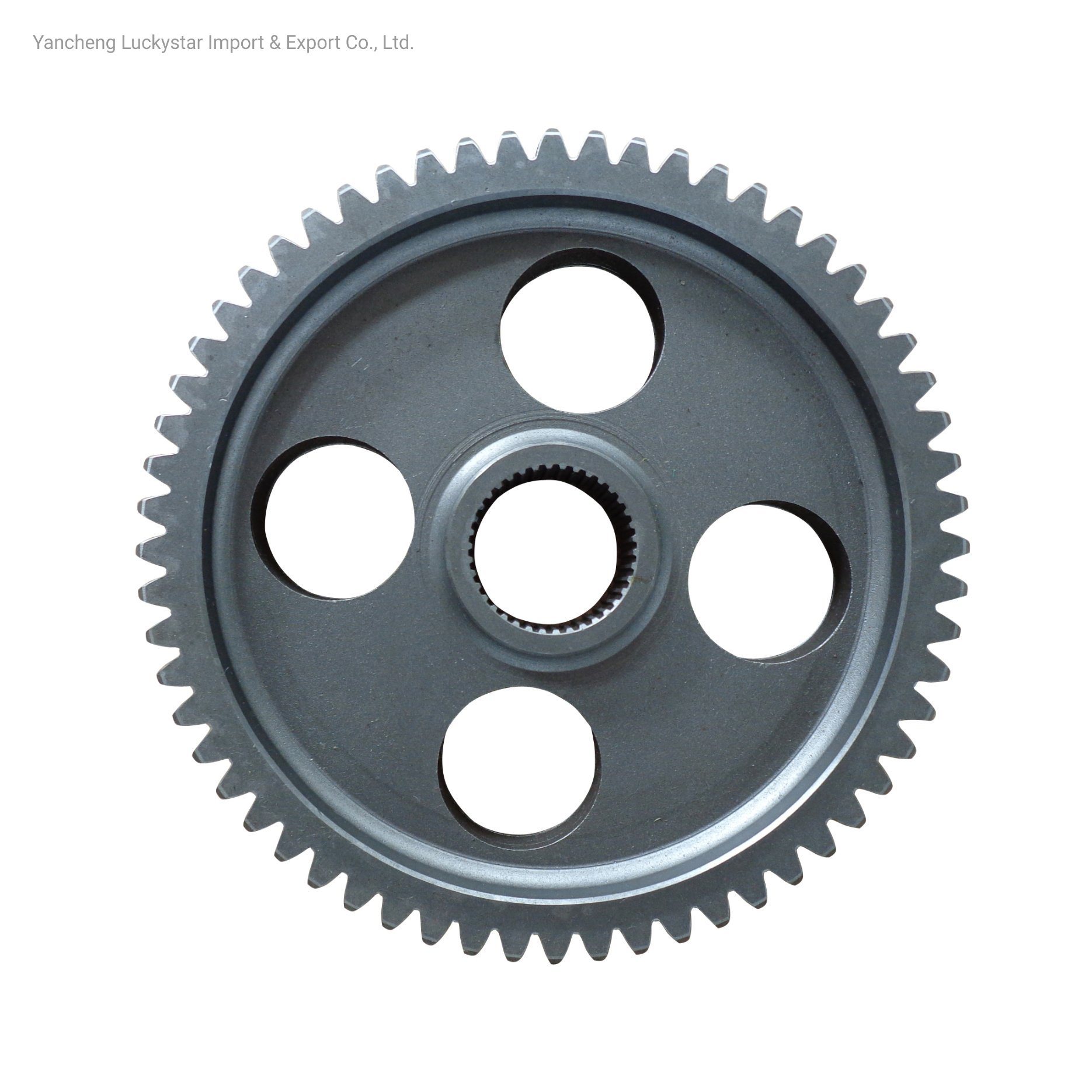
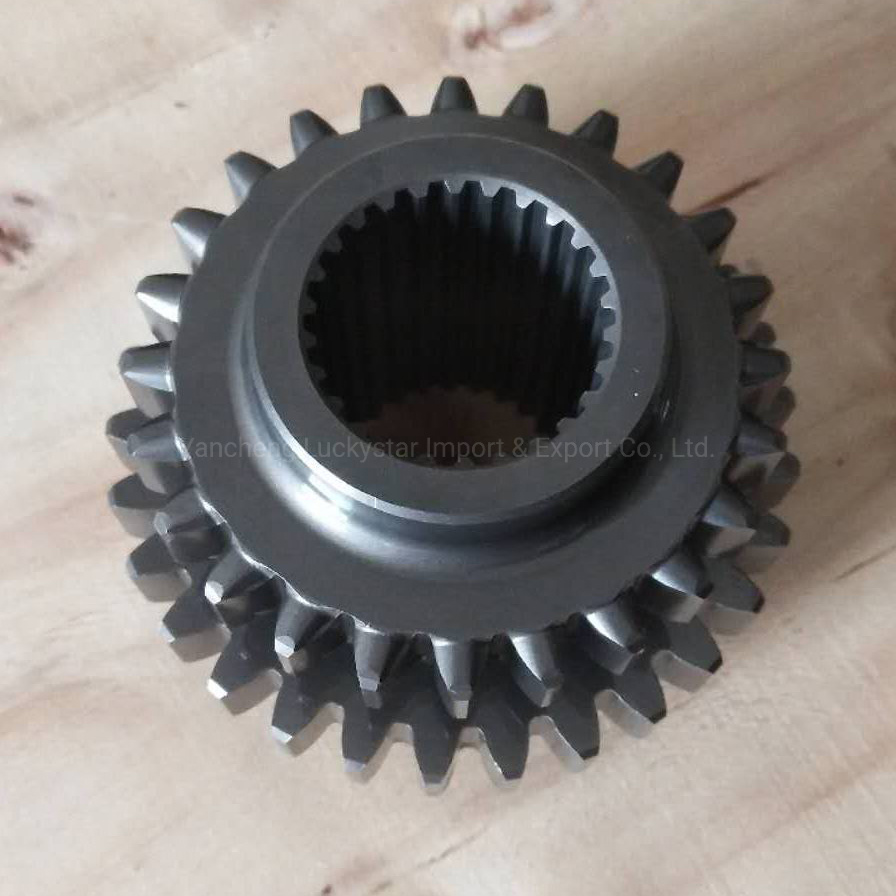
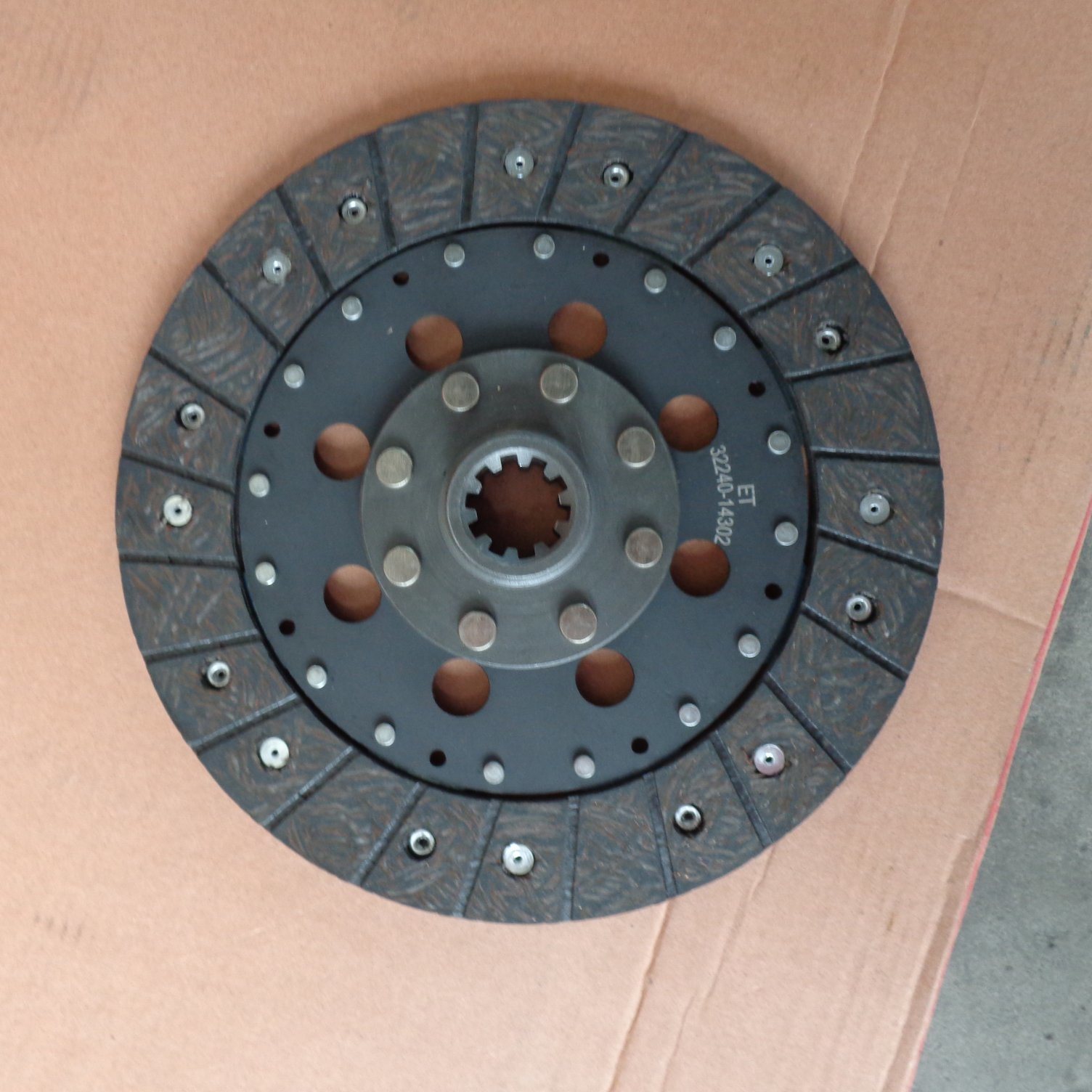
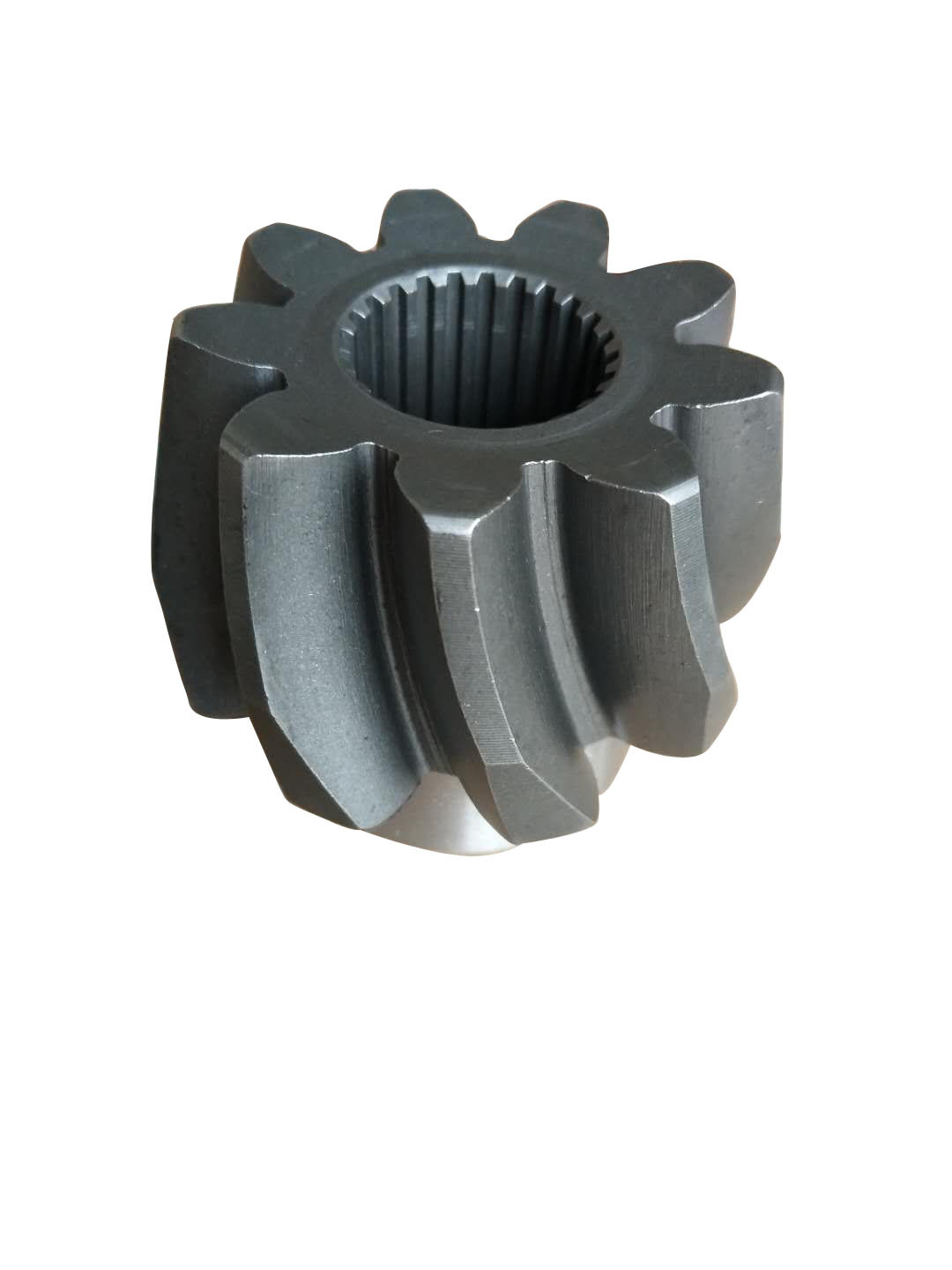
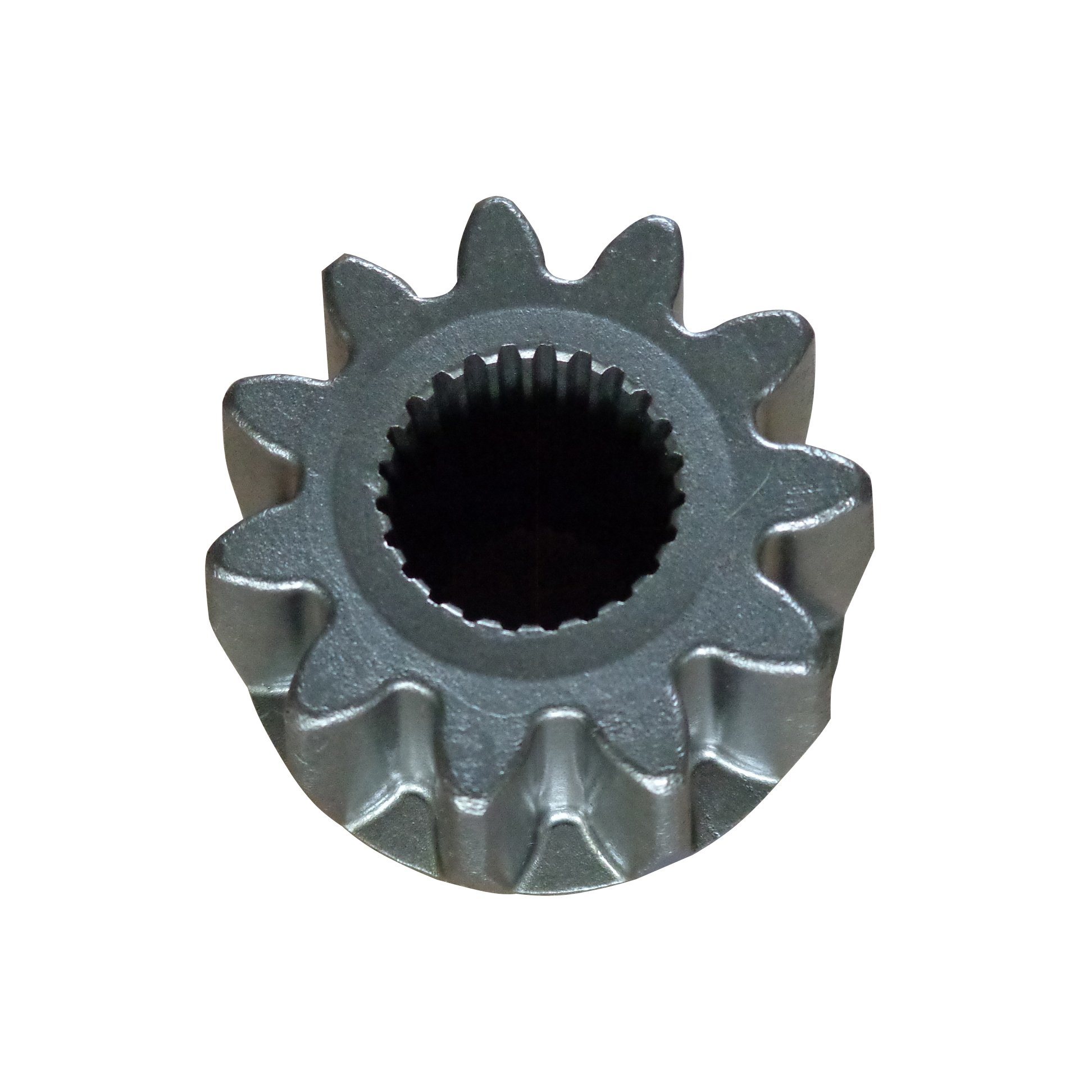
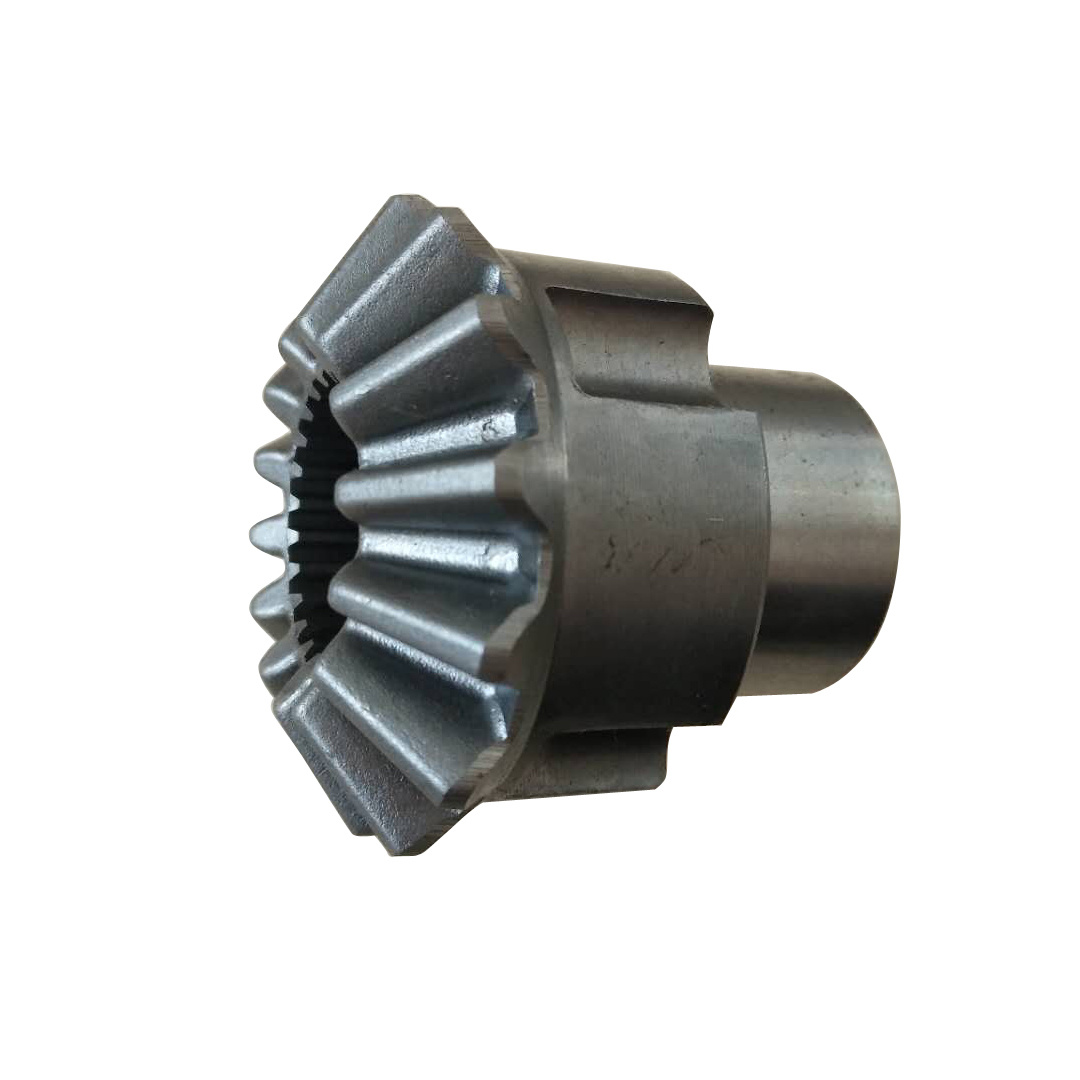
Agricultural Machinery Parts
Source durable Agricultural Machinery Parts from vetted suppliers and manufacturers across Asia. This catalog serves importers, wholesale distributors, and brands requiring reliable bulk components or custom OEM production. Secure competitive pricing and consistent quality for your high-volume procurement needs.
Agricultural machinery parts operate in brutal environments—subjected to constant abrasion, high impact loads, and corrosive chemicals. Sourcing these components in volume requires balancing unit costs with uncompromising durability. A fraction of a millimeter in machining tolerance or a slight deviation in heat treatment can lead to premature field failures, costly equipment downtime, and damaged brand reputation.
Material Specifications and Metallurgy
The core of any agricultural component's longevity is its metallurgy. Unlike standard industrial parts, agricultural equipment components must withstand unique stresses, making material selection the most critical phase of procurement.
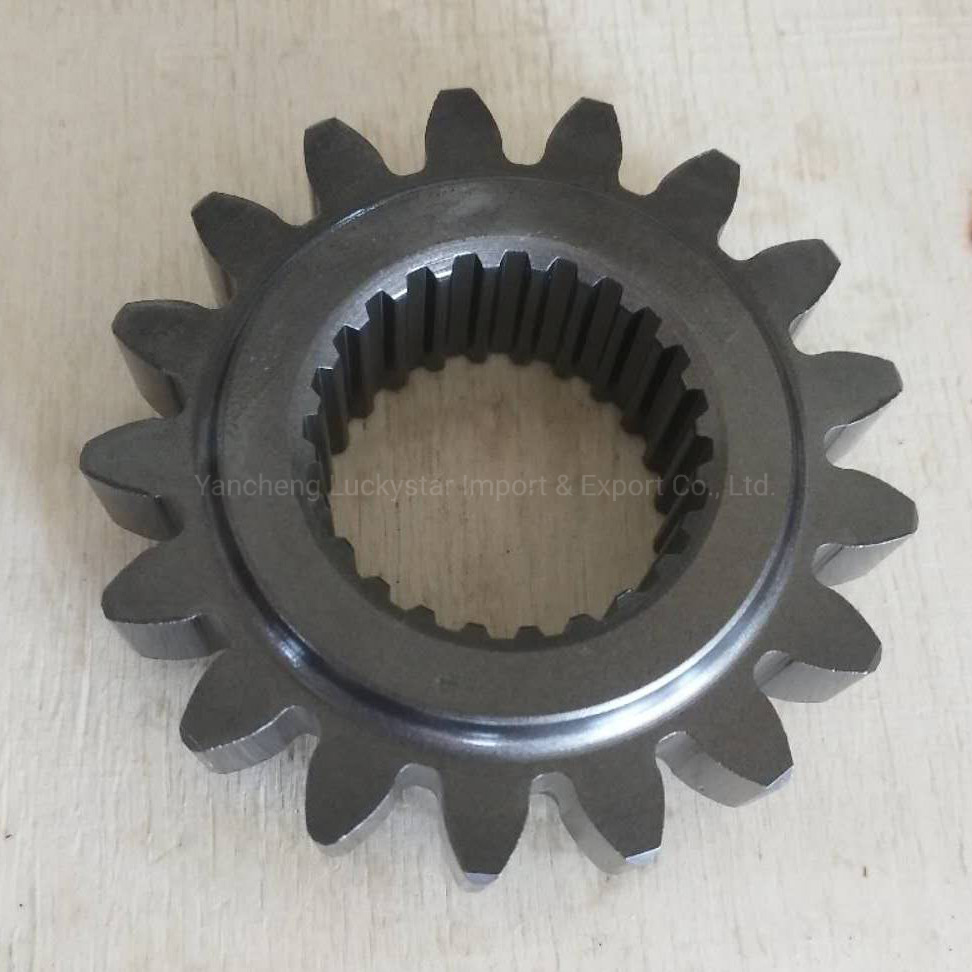
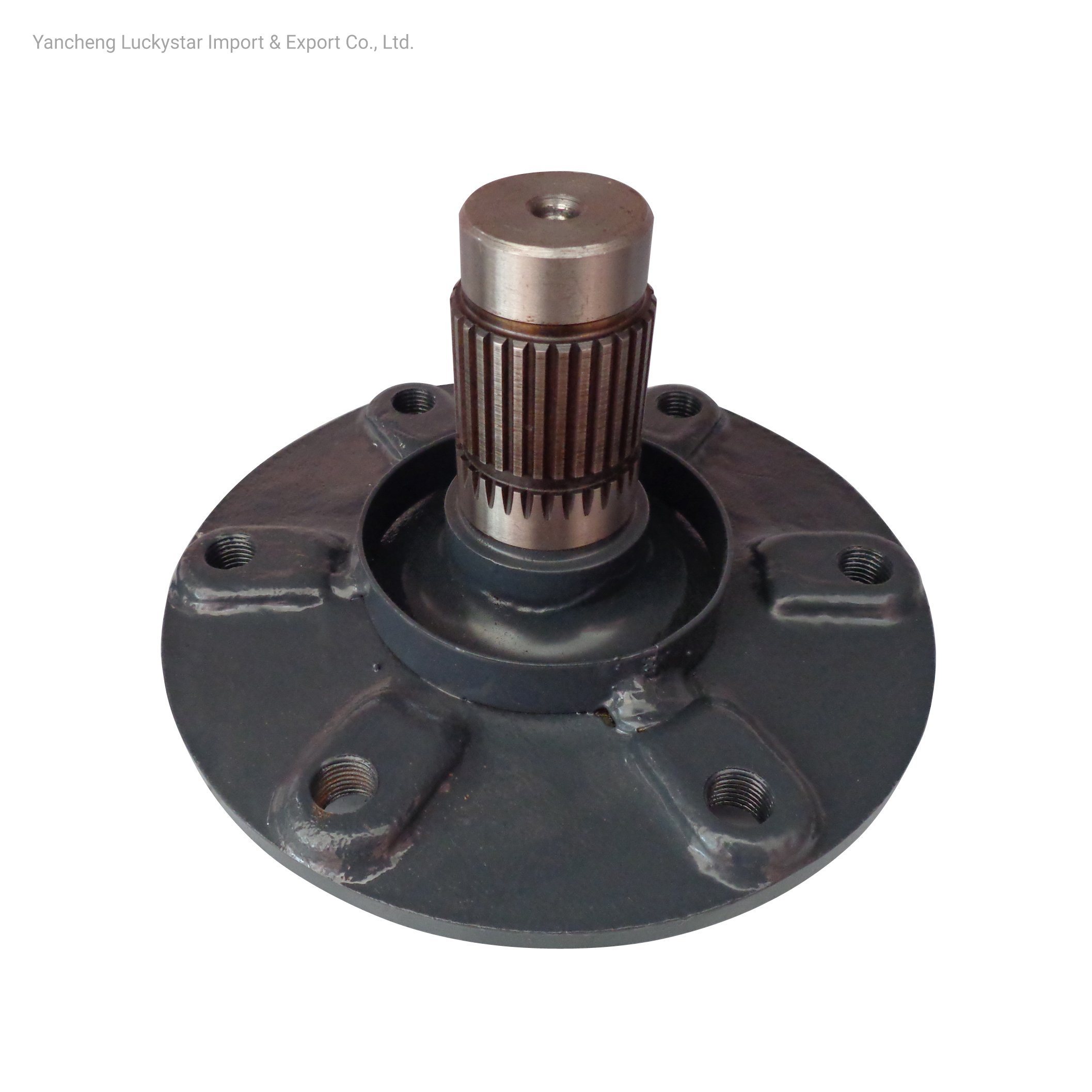
For ground-engaging tools like blades, sweeps, and tines, high-carbon steels (such as 65Mn) or heat-treated boron steels are standard. Boron steel provides an exceptional balance of hardness and impact resistance, preventing snapping when striking rocks. For structural components, linkages, and power take-off (PTO) yokes, forged carbon steel is preferred for its grain structure and fatigue resistance. Housings, gearboxes, and wheel hubs typically rely on ductile iron (such as QT450 or QT500) because it absorbs vibration far better than standard gray iron while offering superior tensile strength.
| Component Category | Typical Material | Critical Specification |
|---|---|---|
| Ground Engaging (Blades/Tines) | Boron Steel / 65Mn | Hardness: HRC 45-52 |
| Structural Linkages & Yokes | Forged Carbon Steel (45#) | High fatigue resistance |
| Housings & Hubs | Ductile Iron (QT450/QT500) | Tensile strength over 450 MPa |
Specifying the material is only half the battle; ensuring the factory actually uses it is the other. It is highly recommended to conduct rigorous Factory Audits to verify that a supplier has the in-house metallurgical testing equipment required to validate raw material batches before casting or forging begins.
Need to verify a supplier's manufacturing and testing capabilities? Speak with our sourcing engineers.
Get a free consultationManufacturing Processes and Quality Control
The manufacturing method dictates both the unit cost and the structural integrity of the part. Most agricultural machinery parts are produced via casting (sand casting or investment casting), forging, or heavy-duty stamping.
When sourcing cast parts, porosity and shrinkage defects are the primary risks. These internal voids severely compromise the load-bearing capacity of a part. Foundries must utilize proper gating and risering techniques, and ideally employ X-ray or ultrasonic non-destructive testing (NDT) to check for internal flaws.
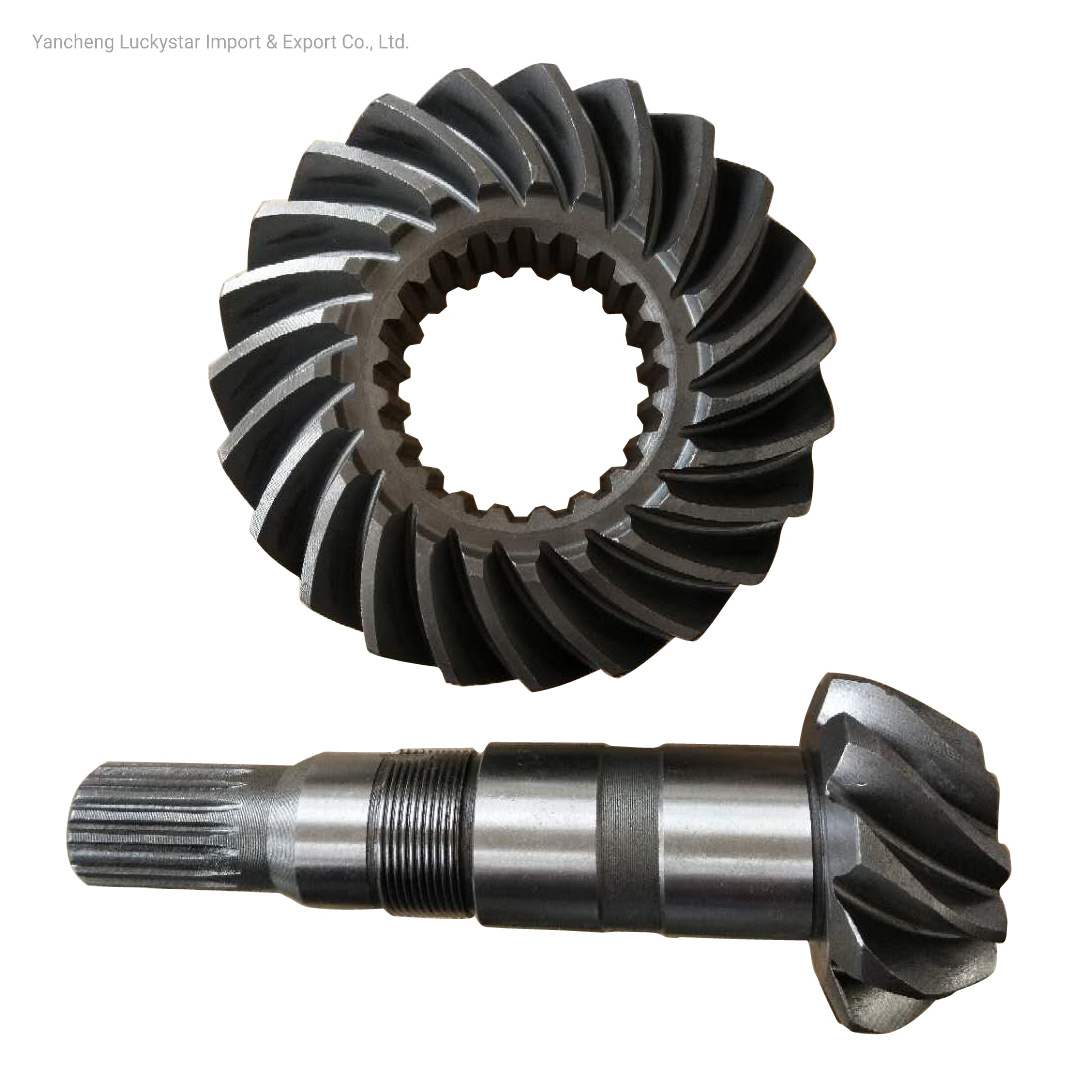
For machined surfaces—such as bearing seats or shaft splines—CNC machining precision is non-negotiable. Tolerances must often be held under 0.05mm to ensure proper fitment and prevent premature bearing wear.
Critical Quality Control Checks for Ag Parts
- Spectrometer analysis of raw material chemical composition.
- Rockwell hardness (HRC) testing post-heat treatment.
- Magnetic particle inspection (MPI) for surface cracks on forged load-bearing parts.
- Salt spray testing for surface treatments (galvanizing, powder coating, or electrophoresis) to ensure rust prevention.
- CMM (Coordinate Measuring Machine) dimensional checks on critical machined tolerances.
Implementing a strict Quality Control & Inspection protocol prior to shipment is the only way to ensure these standards are met consistently across a high-volume run.
Tooling, MOQs, and Pricing Dynamics
When buying agricultural machinery parts in bulk, especially for custom designs, tooling costs and Minimum Order Quantities (MOQs) are the primary commercial hurdles.
If you are leveraging OEM/ODM Services to produce proprietary parts, you will need to invest in molds or dies. Sand casting molds are relatively inexpensive (typically ranging from a few hundred to a couple of thousand dollars), but require more post-machining. Forging dies are significantly more expensive (often several thousand dollars) but yield parts with superior mechanical properties and tighter raw tolerances.
Unit pricing is driven by raw material commodity rates (steel and iron), part weight, and the complexity of the machining and heat treatment required. Because these parts are heavy, logistics costs make up a significant portion of the landed price. Consolidating shipments and optimizing packing density (using heavy-duty export-grade plywood crates rather than standard pallets) is essential to protect your margins.
Ready to optimize your landed costs and tooling investments? Let's discuss your procurement strategy.
Talk to our teamFrequently Asked Questions
Sourcing agricultural machinery parts at scale requires looking past the initial unit quote. The true cost of a component includes its failure rate in the field, the lifespan of the tooling, and the consistency of the factory's quality management system. Aligning with manufacturing partners who understand agricultural metallurgy and heavy-duty machining is the most effective way to secure your supply chain.
Get Sourcing Help for Agricultural Machinery Parts
Tell us your requirements and our experts will connect you with verified manufacturers.