Admixtures & Additives
Source premium Admixtures & Additives from vetted Chinese suppliers and manufacturers. Designed for chemical importers, construction distributors, and brands seeking bulk wholesale or OEM production. Secure competitive pricing on high-performance formulations for concrete, cement, and specialized industrial applications.
Sourcing chemical admixtures and additives in commercial volumes requires strict control over formulation consistency and active ingredient purity. Whether you are importing polycarboxylate ether (PCE) superplasticizers, set retarders, or air-entraining agents, the performance of the end product—and the structural integrity of the concrete or mortar it modifies—depends entirely on the manufacturer's reactor control and raw material quality.
Specifying Admixtures for Commercial Import
When negotiating with chemical manufacturers, precise specification of physical and chemical properties is non-negotiable. Vague requirements lead to inconsistent batches, which can cause catastrophic failures in concrete setting times or compressive strength.
Key parameters you must define in your purchase orders include:
- Solid Content (%): Directly impacts dosage rates and shipping economics. Standard liquid PCE is typically supplied at 40% or 50% solid content. Shipping lower concentrations means paying to transport excess water.
- Water Reduction Rate: High-performance superplasticizers should achieve water reduction rates of 25% to 35% at standard dosages.
- Chloride Ion Content: Must be strictly limited (typically under 0.1%) to prevent the corrosion of steel reinforcement in structural concrete.
- Alkali Content: Low alkali content (under 3.0%) is required to mitigate alkali-silica reactions (ASR) in cured concrete.
- pH Value: Usually maintained between 5.0 and 8.0 to ensure stability during storage and compatibility with cement alkalinity.
| Chemical Base | Typical Water Reduction | Slump Retention | Primary Application |
|---|---|---|---|
| Polycarboxylate (PCE) | 25% - 35% | Excellent | High-strength, self-compacting concrete |
| Naphthalene (SNF) | 15% - 25% | Moderate | Standard ready-mix, precast concrete |
| Melamine (SMF) | 15% - 20% | Low | Dry mortar, gypsum boards, decorative concrete |
Manufacturing Variables and Quality Control
The synthesis of construction chemicals, particularly polymer-based superplasticizers, relies heavily on precise temperature and pressure control during the polymerization process. Variations in reactor temperature by even a few degrees can alter the molecular weight distribution of the polymer, drastically changing its slump-retention properties.
Before committing to a bulk order, it is highly recommended to conduct comprehensive factory audits to verify the supplier's production infrastructure. A reliable manufacturer should have automated DCS (Distributed Control Systems) for their reactors, rather than relying on manual temperature monitoring.
Critical Factory Verification Points
- Automated DCS reactor controls for consistent polymerization
- In-house testing labs equipped with cement testing machinery (compressive strength, slump flow)
- Proper storage facilities for volatile raw materials (e.g., acrylic acid, ethylene oxide derivatives)
- Traceability systems linking final batch numbers to specific raw material lots
Need to verify a chemical manufacturer's production capabilities? Let Merhein handle supplier vetting and technical audits on the ground in Asia.
Talk to our teamPackaging, Logistics, and Procurement Realities
Transporting chemical admixtures requires strategic planning to optimize freight costs and ensure safe handling. Liquid admixtures are dense and heavy, meaning containers often "weigh out" before they "cube out."
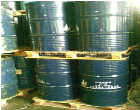
When importing liquid admixtures, utilizing flexitanks inside 20ft containers offers the lowest freight cost per liter, but requires specialized pumping equipment at the receiving facility. If your downstream buyers require immediate distribution, IBC tanks or 200L drums are more practical. Coordinating these logistics, especially for temperature-sensitive formulations, requires expert shipping and freight management to prevent degradation during transit.
Global Compliance and Standards
Admixtures must comply with regional construction standards to be legally sold and used in commercial projects. You must ensure your supplier formulates to meet the specific requirements of your target market, and verify this through independent compliance and testing protocols.
- North America: ASTM C494 / C494M (Standard Specification for Chemical Admixtures for Concrete).
- Europe: EN 934-2 (Admixtures for concrete, mortar and grout).
- China: GB/T 8076 (Concrete admixtures).
Struggling to manage chemical supply chains and freight consolidation? Speak to our sourcing experts to streamline your import operations.
Get a free consultationFrequently Asked Questions
Successfully sourcing admixtures and additives in bulk comes down to rigorous specification and uncompromising quality control at the reactor level. By partnering with vetted manufacturers and maintaining strict oversight of the production and logistics process, you can secure high-performance chemical modifiers that protect both your margins and your reputation in the construction sector.
Get Sourcing Help for Admixtures & Additives
Tell us your requirements and our experts will connect you with verified manufacturers.