Acoustic Panels
Source high-performance acoustic panels from vetted manufacturers and suppliers. Designed for importers, wholesalers, and commercial brands looking for bulk procurement or OEM production, our network delivers reliable soundproofing materials built to exacting acoustic and fire-safety standards at wholesale volume.
Sourcing acoustic panels at scale requires a strict balance between aesthetic finish, verifiable acoustic performance, and stringent fire-safety compliance. For commercial buyers, distributors, and architectural suppliers, a misstep in raw material density or a failed fire certification can render an entire shipment unusable for commercial real estate projects. Navigating the Asian supply chain means looking past cosmetic samples to verify the actual manufacturing tolerances and material consistency.
Key Specifications and Performance Metrics
The core of acoustic panel performance lies in its material composition and physical density. When evaluating suppliers, you must specify exact parameters rather than relying on generic product names. A panel's ability to absorb sound is measured by its Noise Reduction Coefficient (NRC), which typically ranges from 0.0 (no absorption) to 1.0 (complete absorption).
| Material Type | Primary Application | Typical NRC Range |
|---|---|---|
| PET Felt (Polyester) | Open offices, wall coverings | 0.40 to 0.85 |
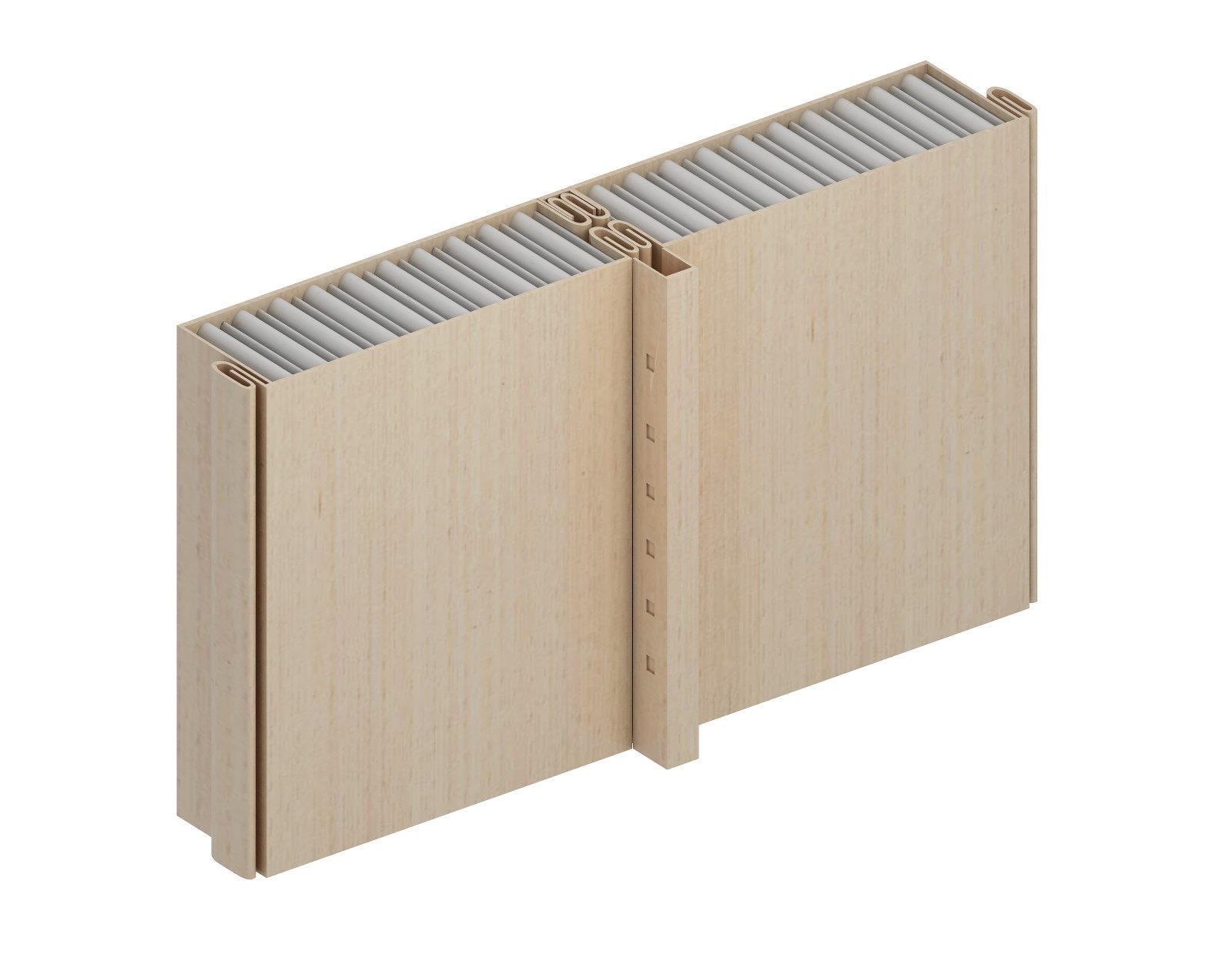
| Wood Slat (Acoustic Backing) | Auditoriums, high-end commercial | 0.60 to 0.90 |
| Fabric-Wrapped Fiberglass | Studios, home theaters | 0.80 to 1.0+ |
| Mineral Wool / Basalt | Industrial, ceiling clouds | 0.75 to 1.0+ |
Beyond acoustics, fire retardancy is the most critical specification for commercial applications. Ensure your supplier can provide verifiable test reports for standards like ASTM E84 (Class A) for the US market or EN 13501-1 (Class B-s1,d0 or better) for Europe. Because some factories apply superficial fire-retardant sprays rather than using inherently flame-retardant (IFR) fibers, independent Compliance & Testing is highly recommended before committing to container volumes.
Need help verifying supplier certifications and acoustic test reports?
Talk to our teamManufacturing Variances and Quality Control
Quality is won or lost on the factory floor, particularly during the pressing and lamination phases. For PET panels, inconsistent thermal pressing leads to density variations across the panel, which creates acoustic "dead spots" and causes the panel to warp over time. For wood slat panels, the critical failure point is the adhesive bonding the MDF or wood veneer to the acoustic felt backing; inferior glues will delaminate under humidity changes during ocean transit.
To mitigate these risks, implement strict Quality Control & Inspection protocols.
Pre-Shipment Inspection Focus Areas
- Density verification: Weighing samples to ensure they meet the specified kg/m3 tolerance.
- Dimensional stability: Checking for warping, bowing, or thickness variations (tolerance should be tight, usually under 1mm).
- Adhesion testing: Pull-tests on wood veneers and fabric wraps to prevent delamination.
- Color consistency: Checking dye lots across different production batches to prevent visual mismatch on large walls.
- Edge finishing: Ensuring clean, 45-degree chamfers or straight cuts without fraying.
Customization and OEM Production
Many buyers require custom dimensions, specific Pantone color matching, or proprietary molded shapes (like 3D acoustic tiles or ceiling baffles). When engaging in OEM/ODM Services, be aware that custom molds for 3D PET panels require upfront tooling costs. Suppliers will typically require a signed technical drawing and a golden sample approval before mass production begins. Ensure that your tooling agreement clearly states ownership of the mold to prevent the factory from selling your proprietary designs to competitors.
Typical MOQs, Lead Times, and Pricing Drivers
Pricing in the acoustic panel market is driven primarily by raw material weight (density), thickness (e.g., 9mm vs. 12mm vs. 24mm for PET), and the quality of surface finishes (real wood veneer vs. melamine paper).
Standardizing your order around the factory's existing color palettes can significantly lower your MOQ. If you require custom dyeing for PET fibers, expect MOQs to jump to 2,000 square meters or more, as the factory must run a dedicated batch through the carding and needle-punching machines.
Looking to negotiate better MOQs or develop a custom acoustic product?
Get a free consultationFrequently Asked Questions
Sourcing acoustic panels in volume is a highly technical process where material integrity dictates product performance. By demanding precise density metrics, independently verifying fire ratings, and enforcing strict dimensional tolerances during production, you can secure reliable, commercial-grade soundproofing materials that meet your market's demands.
Get Sourcing Help for Acoustic Panels
Tell us your requirements and our experts will connect you with verified manufacturers.