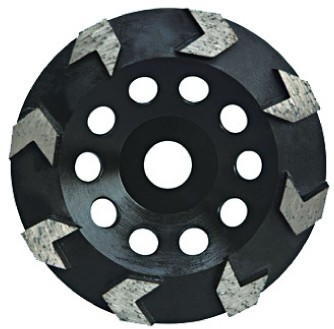
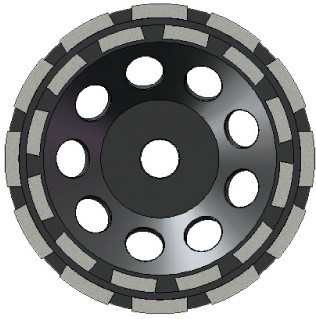
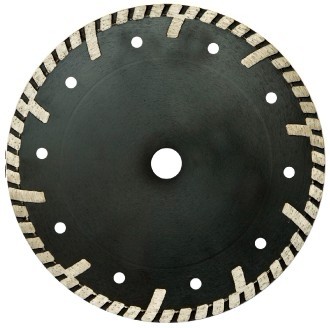
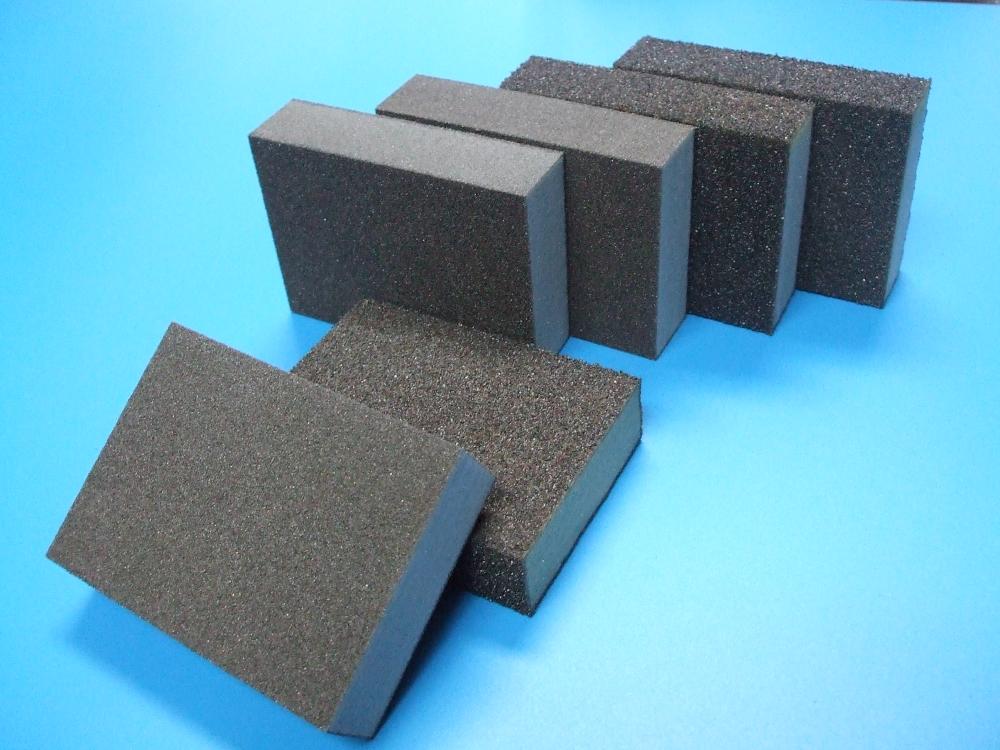
Abrasive Tools
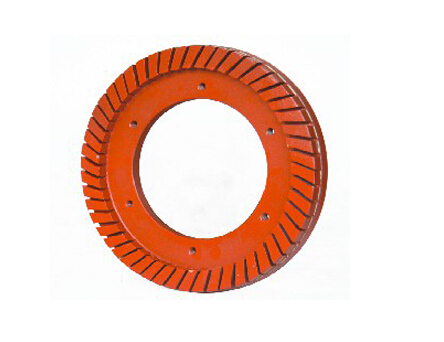
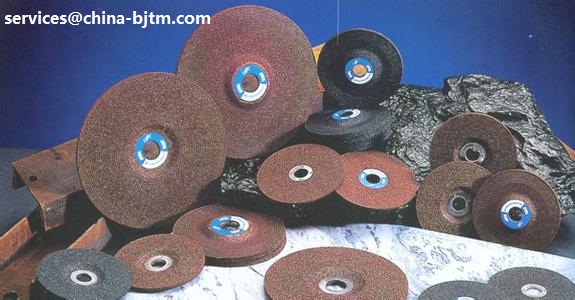
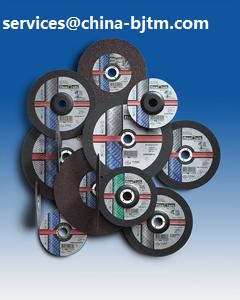
Source high-performance abrasive tools directly from vetted manufacturers and wholesale suppliers. Designed for industrial distributors, importers, and hardware brands seeking reliable OEM production, our network delivers consistent grinding, cutting, and finishing solutions built for demanding volume procurement.
Sourcing abrasive tools at scale requires strict attention to material consistency and safety standards. A bad batch of grinding wheels or flap discs does not just mean poor performance; it risks catastrophic failure under load. For high-volume buyers, the challenge lies in finding factories that maintain strict control over grain quality, resin mixing, and curing processes across thousands of units.
Core Specifications for Volume Buyers
When negotiating with suppliers, defining the exact composition of the abrasive tool is critical. Factories often use generic terms, so you must specify the exact grain type, grit size distribution, and bonding matrix to ensure the product meets your market's demands.
| Grain Type | Primary Application | Cost Profile | Durability |
|---|---|---|---|
| Aluminum Oxide (A) | General steel, iron, wood | Low | Standard |
| Zirconia Alumina (Z) | Stainless steel, high-tensile alloys | Medium | High (Self-sharpening) |
| Silicon Carbide (C) | Masonry, non-ferrous metals, glass | Medium | Brittle but very sharp |
| Ceramic Alumina | Heavy stock removal, aerospace alloys | High | Premium (Micro-fracturing) |
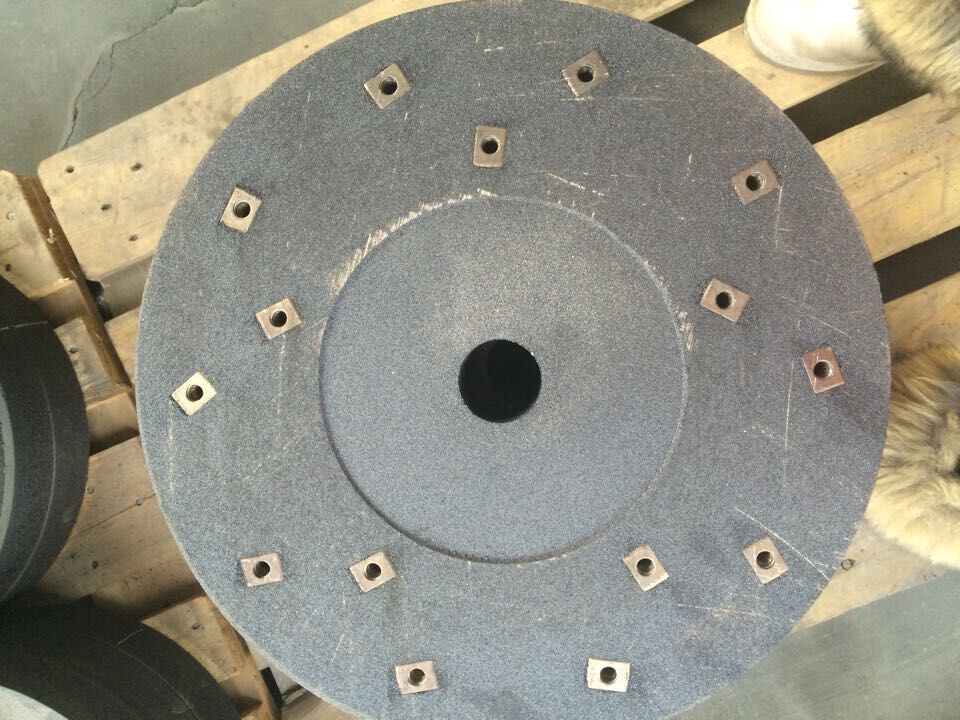
Beyond the grain, the bonding agent dictates the tool's operating speed and lifespan. Resinoid bonds are standard for fast-moving cutting and grinding discs, while vitrified bonds are preferred for precision bench grinding where rigidity is paramount.
Struggling to find a factory that consistently meets your technical specifications? Let our sourcing experts match you with verified abrasive manufacturers.
Talk to our teamManufacturing & Quality Control Milestones
The difference between a premium abrasive tool and a dangerous one is won or lost on the factory floor. Proper curing and dynamic balancing are non-negotiable. If a factory rushes the curing cycle to increase output, the resin will not cross-link properly, leading to premature wheel degradation or shattering.
Raw Material Mixing
Abrasive grains, fillers (like cryolite to reduce heat), and phenolic resins must be mixed in climate-controlled environments. High humidity ruins the resin's binding properties.
Pressing & Reinforcement
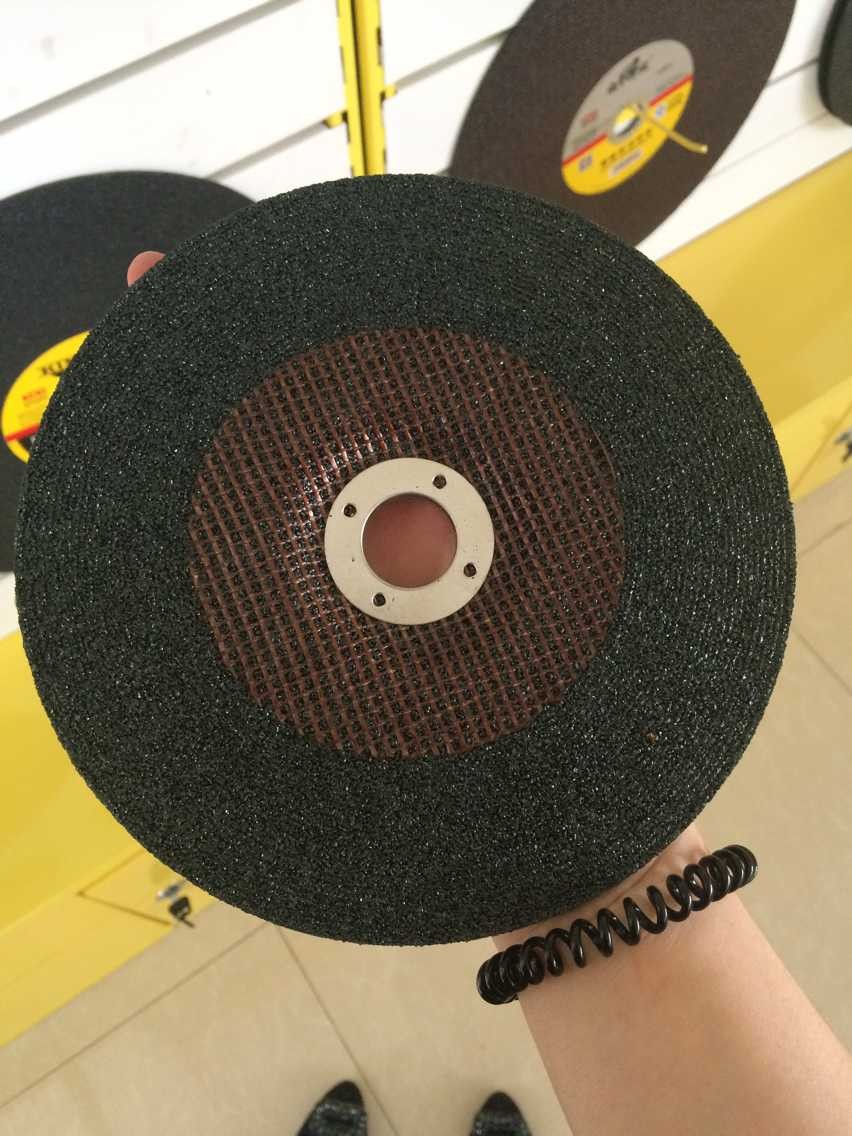
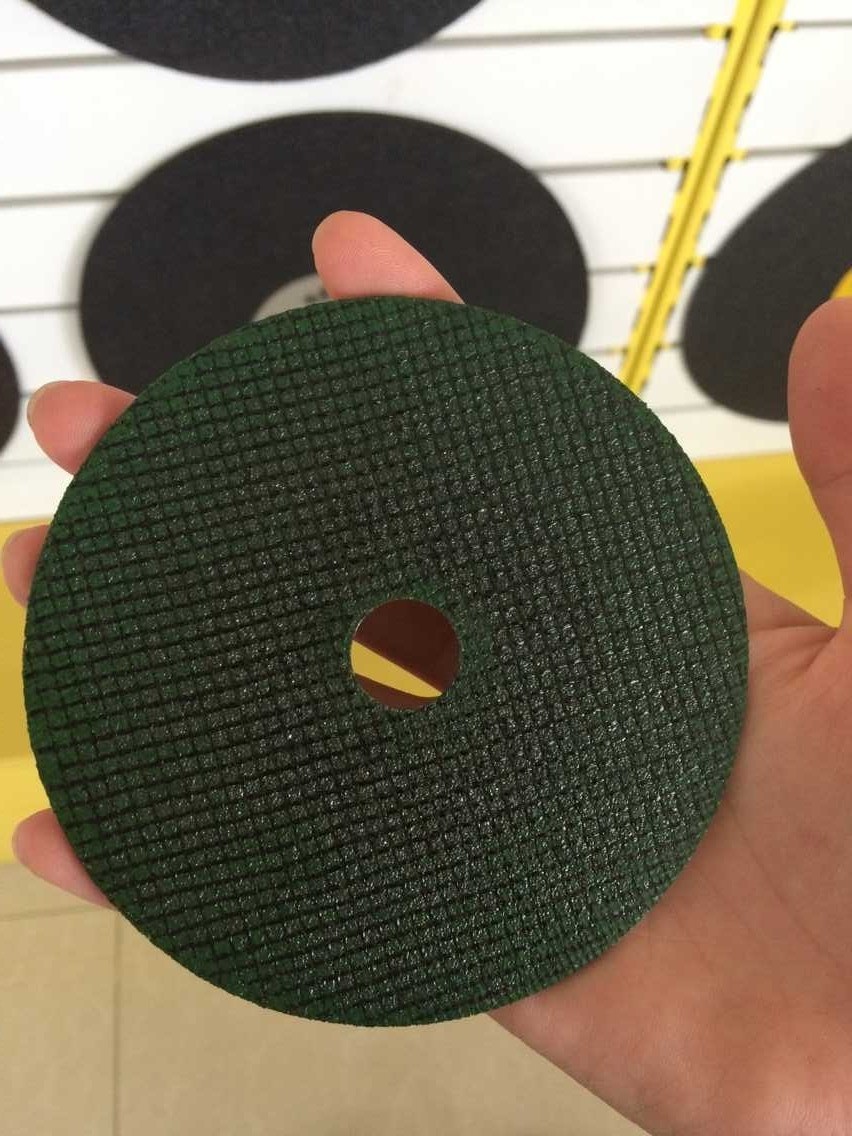
For cutting discs, fiberglass mesh nets are pressed into the mixture. Industrial-grade discs require at least two full nets; premium discs often use three.
Curing (Baking)
Wheels are baked in tunnel kilns. The temperature curve must be strictly controlled over 24 to 48 hours. Rapid heating causes warping and internal stress.
Speed & Balance Testing
Finished wheels must undergo destructive burst testing and dynamic balance checks to ensure they run true at their rated RPM.
To mitigate risks, implementing strict Quality Control & Inspection protocols before shipment is essential. Inspectors should verify the fiberglass mesh count visually and request burst-test logs from the factory's internal laboratory.
OEM Production and Private Labeling
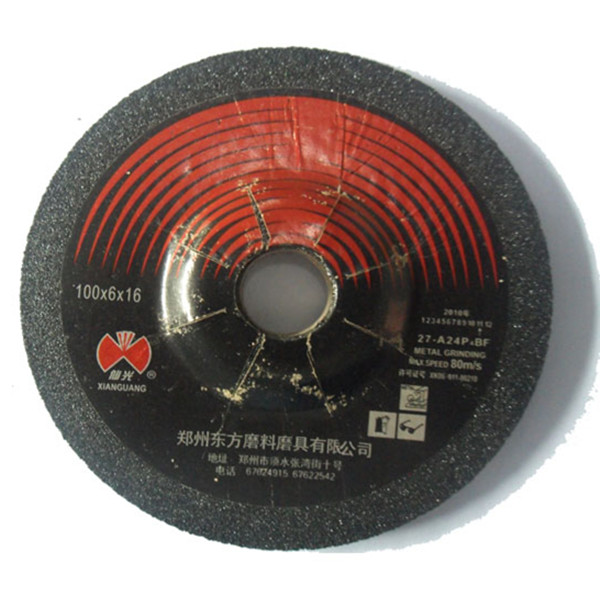
Many hardware brands rely on OEM/ODM Services to bring custom abrasives to market. When setting up a private-label run, you must specify more than just the logo on the blotting paper (the label).
OEM Specification Checklist
- Custom blotting paper design (must include safety warnings and max RPM)
- Backing pad material for flap discs (T27 flat vs. T29 conical; fiberglass vs. plastic)
- Flap count and density (e.g., 72 standard flaps vs. 90 high-density flaps)
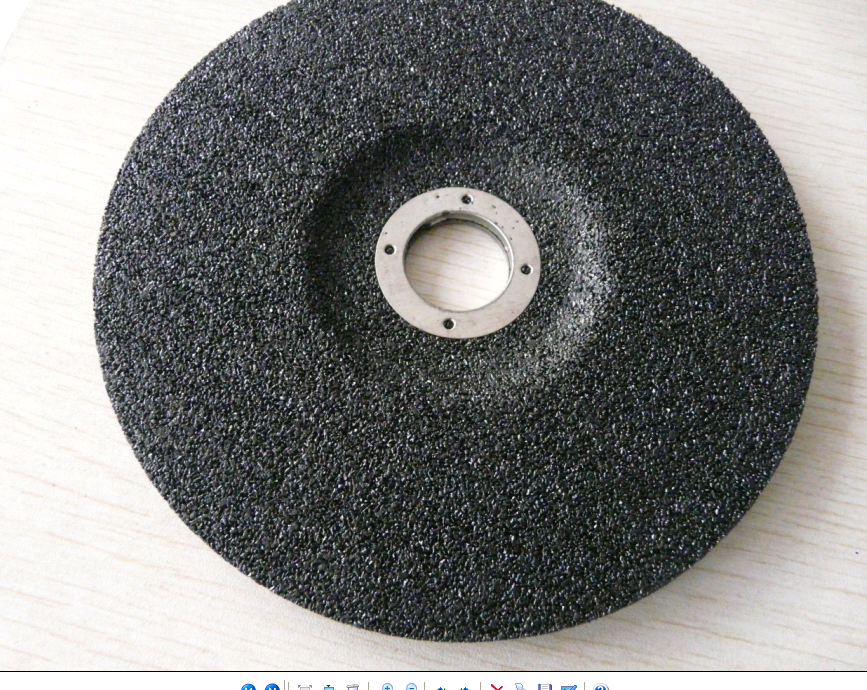
- Metal ring (bushing) quality and anti-rust plating specifications
- Shrink-wrap and master carton requirements to prevent moisture ingress during shipping
Typical MOQs, Pricing, and Lead Times
Abrasive tools are high-volume, low-margin consumables. Factories operate heavy hydraulic presses and large kilns, meaning they require substantial minimum order quantities (MOQs) to justify production runs.
Pricing heavily depends on the abrasive grain and the weight of the fiberglass mesh. A common trap for buyers is accepting a low price, only to receive discs where the factory substituted Zirconia for cheap Aluminum Oxide, or reduced the fiberglass layers. Conducting thorough Factory Audits helps verify that the supplier actually purchases the premium raw materials they claim to use.
Ready to optimize your abrasive tools supply chain? We negotiate MOQs, audit factories, and manage quality control so you can scale safely.
Get a free consultationFrequently Asked Questions
Sourcing abrasive tools safely requires looking past the unit price and scrutinizing the factory's material handling and curing processes. By partnering with manufacturers who prioritize consistent resin matrices and rigorous burst testing, you protect your brand's reputation and your end-users' safety.
Get Sourcing Help for Abrasive Tools
Tell us your requirements and our experts will connect you with verified manufacturers.