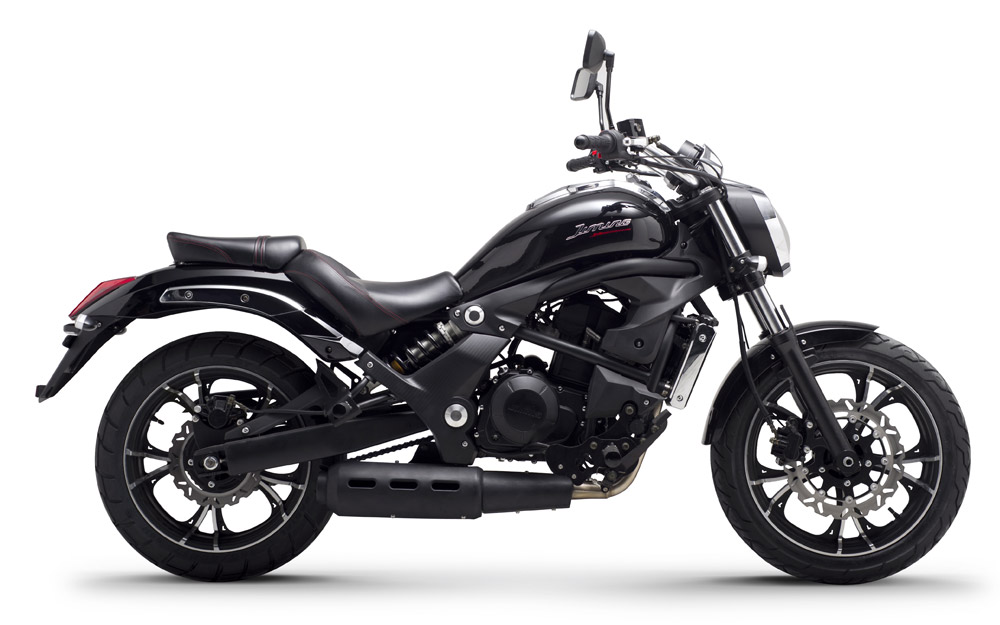
400-500cc
Source premium 400-500cc motorcycles directly from vetted manufacturers in Asia. Designed for importers, wholesale distributors, and motorcycle brands seeking reliable OEM or private-label production, this category offers mid-displacement bikes built to international compliance standards with competitive bulk pricing.
The 400-500cc motorcycle segment represents the strategic sweet spot in the global powersports market. For European markets, it aligns perfectly with A2 license restrictions, while in emerging markets, it serves as the premium upgrade tier. Sourcing mid-displacement motorcycles at scale requires navigating complex homologation standards, engine reliability testing, and component integration. The difference between a high-margin success and a warranty nightmare lies entirely in how strictly you vet the factory's supply chain for critical components like Electronic Fuel Injection (EFI) systems and ABS modules.
Core Engine Platforms and Technical Specifications
When evaluating manufacturers in major hubs like Chongqing or Zhejiang, you will primarily encounter two engine architectures in the 400-500cc range. The choice between a large-displacement single-cylinder and a parallel-twin dictates the bike's target market, vibration characteristics, and production cost.
| Engine Architecture | Typical Application | Vibration & Refinement | Cost Implication |
|---|---|---|---|
| 400-450cc Single Cylinder | Adventure, Dual-Sport, Supermoto | Higher vibration, requires heavy counterbalancers | Lower manufacturing cost, simpler maintenance |
| 400-500cc Parallel-Twin | Naked, Sport, Touring | Smoother power delivery, better highway performance | Higher cost, complex dual-throttle body EFI setup |
Beyond the engine block, the integration of peripheral systems is where many lower-tier factories stumble. Ensure your supplier is utilizing recognized component brands rather than generic domestic alternatives for critical systems. Delphi or Bosch EFI systems are standard requirements for meeting stringent emissions targets, while dual-channel ABS (often sourced from Bosch or Continental) is mandatory for street-legal homologation in most Western markets.
Navigating homologation and component verification is complex. Let us help you identify factories with proven compliance track records.
Talk to our teamQuality Control and Homologation Vulnerabilities
A factory's prototype might look exceptional, but mass-production consistency is the true test. Frame welding, electrical harness routing, and engine assembly tolerances are the most common failure points. Implementing rigorous Quality Control & Inspection protocols before assembly and prior to shipment is non-negotiable.
Critical Inspection Points for Mid-Displacement Motorcycles
- EFI Mapping Validation: Ensure cold-start reliability and smooth throttle response across the rev range.
- Frame Weld Integrity: Inspect robotic and manual TIG/MIG welds for porosity, especially at the steering head and swingarm pivot.
- Electrical Harness Routing: Verify that wiring is properly shielded from engine heat and pinch points near the steering column.
- Suspension Damping: Test inverted forks and rear monoshocks for consistent oil damping and seal integrity under load.
- Emission Compliance Documentation: Verify matching VINs and engine numbers against EEC, EPA, or DOT homologation paperwork.
If you are importing into highly regulated markets, securing Compliance & Testing documentation well before production begins will save you from costly customs seizures. Factories often claim "EEC ready" or "EPA compliant," but verifying the actual laboratory test reports against your specific build configuration is essential.
Sourcing Mechanics: MOQs, Pricing, and Lead Times
Purchasing motorcycles in bulk is heavily dictated by container logistics. Factories optimize their pricing based on container utilization, typically using steel frame crates for secure stacking.
Pricing in the 400-500cc category is highly sensitive to raw material costs (aluminum, steel) and the tier of outsourced components. If you are developing a proprietary brand, engaging in OEM/ODM Services allows you to dictate the component matrix, balancing performance with your target wholesale price.
Need to optimize your container loads and negotiate better terms? We coordinate the entire factory-to-warehouse process.
Get a free consultationSuccessfully sourcing 400-500cc motorcycles requires technical diligence and a firm grip on supply chain logistics. By focusing heavily on component provenance and strict pre-shipment inspections, you can secure high-performance vehicles that build brand reputation and deliver solid margins.
Get Sourcing Help for 400-500cc
Tell us your requirements and our experts will connect you with verified manufacturers.