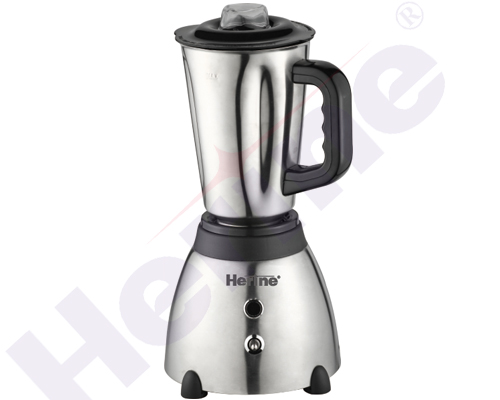
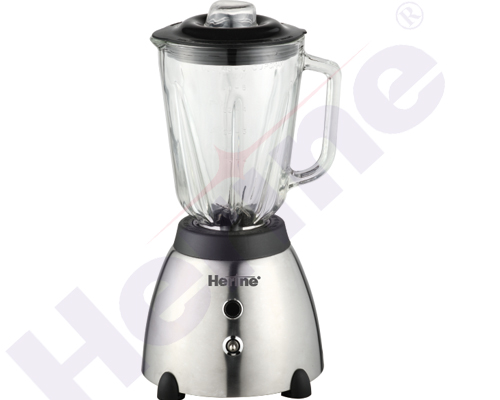
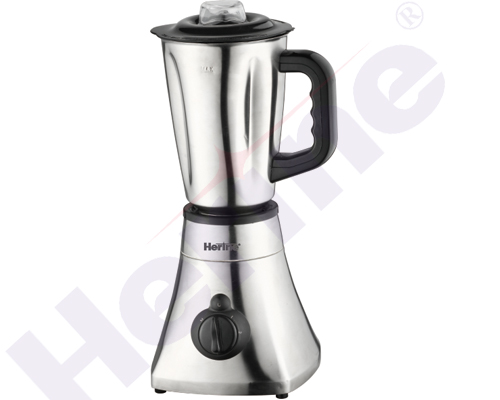
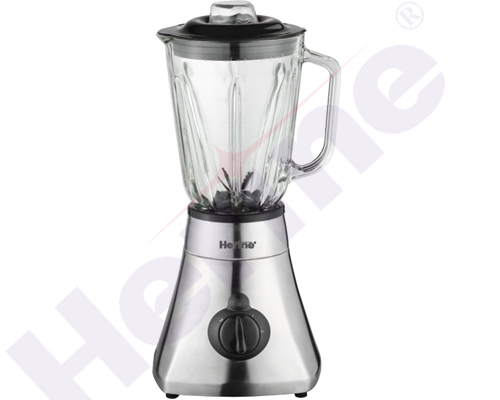
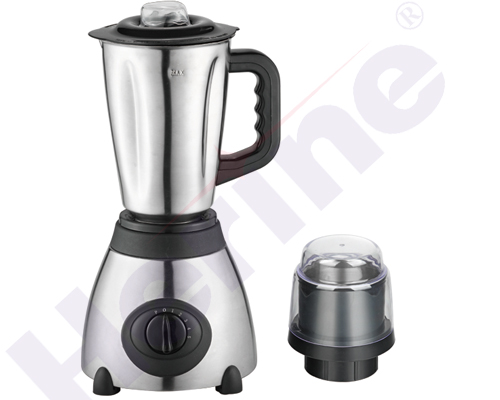
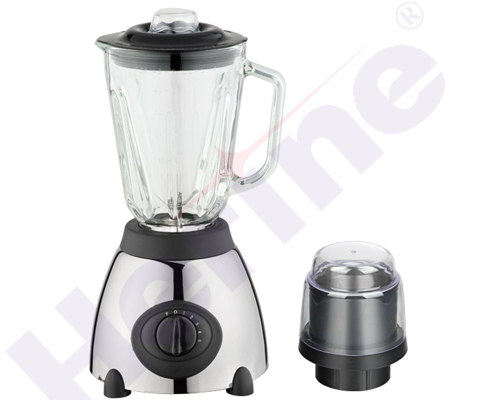
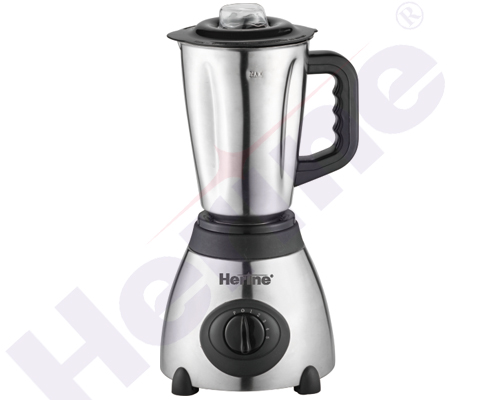
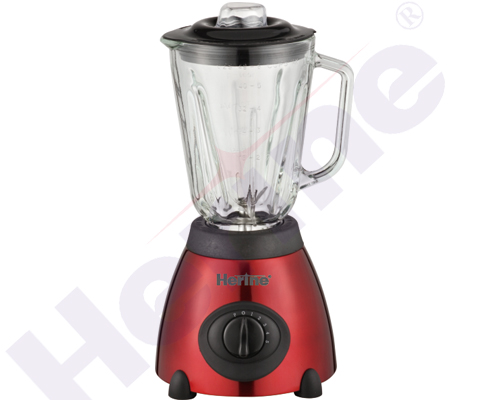
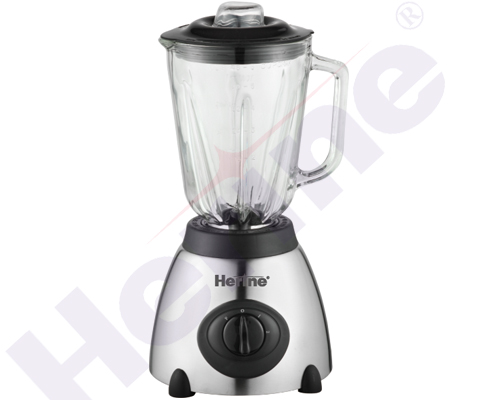
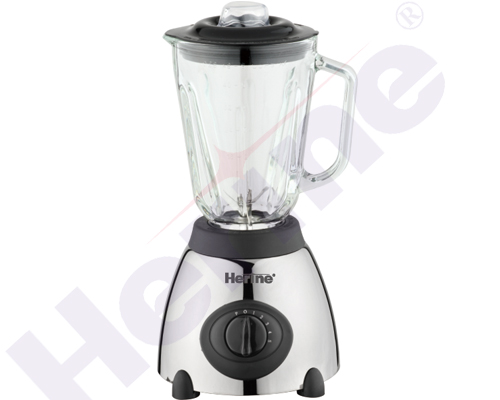
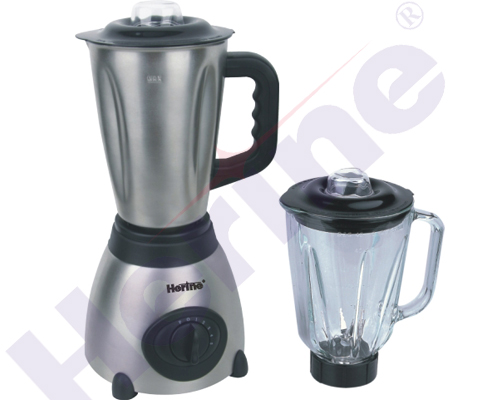
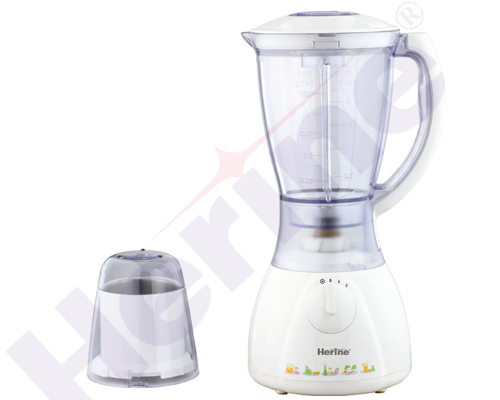
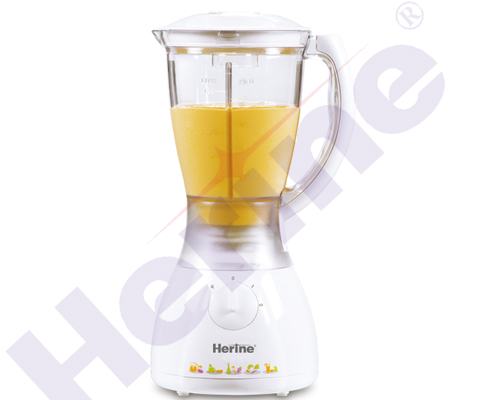
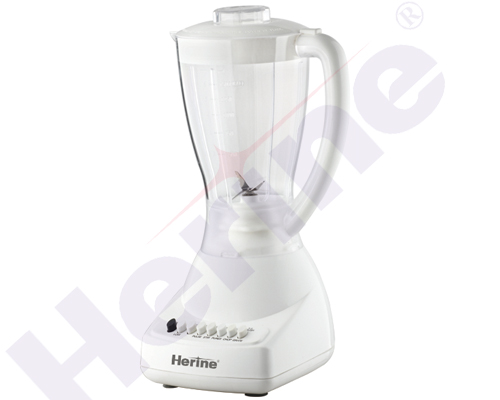
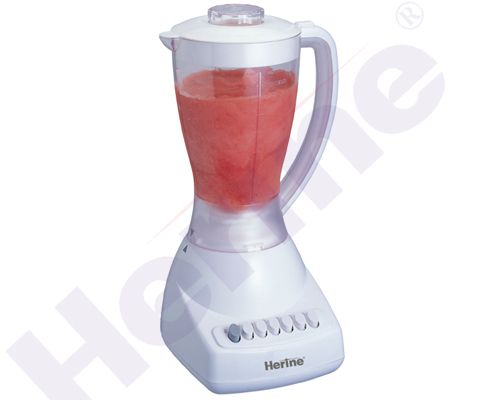
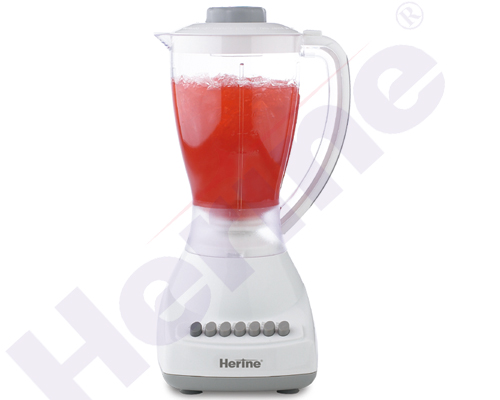
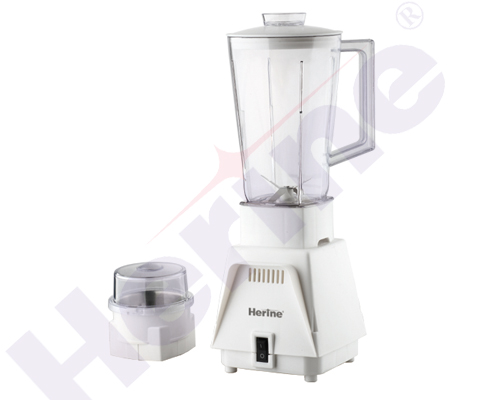
3-in-1 Breakfast Makers
Source high-quality 3-in-1 Breakfast Makers in bulk from vetted manufacturers and wholesale suppliers. Designed for importers, appliance distributors, and brands seeking reliable OEM and private-label production, our network delivers compliant, multi-function kitchen appliances at competitive factory-direct pricing.
Sourcing 3-in-1 breakfast makers—units that integrate a toaster oven, a drip coffee maker, and a top-mounted heating griddle—presents unique manufacturing challenges. Because these appliances house multiple independent heating elements within a highly compact footprint, success relies heavily on robust thermal management, precise wattage distribution, and strict electrical safety standards. Partnering with the right manufacturer ensures your product balances multi-function utility with long-term reliability.
Engineering and Specification Requirements
When evaluating suppliers for OEM/ODM Services, you must look beyond the exterior housing. The core engineering of a 3-in-1 unit dictates its safety and performance. Standard units typically operate between 1050W and 1500W total. The critical engineering challenge is distributing this power safely so that the oven, griddle, and coffee maker can operate simultaneously without overloading internal wiring or overheating the external chassis.
| Component | Standard Market Spec | Premium / Brand Spec |
|---|---|---|
| Total Wattage | 1050W - 1150W | 1250W - 1500W |
| Oven Capacity | 7 Liters to 9 Liters | 9 Liters to 12 Liters |
| Griddle Coating | Basic PTFE (Teflon) | Ceramic or Multi-layer PTFE |
| Housing Material | Cold-rolled steel (painted) | Stainless steel (304/430 grade) |
| Thermal Isolation | Basic fiberglass shielding | Advanced dual-wall insulation |
Struggling to find a manufacturer capable of meeting your technical specifications? Let us match you with a vetted appliance factory.
Talk to our teamManufacturing and Quality Control Checkpoints
The assembly of multi-function appliances leaves significant room for error if the factory lacks a mature quality management system. The proximity of the coffee maker's water reservoir to the oven's primary heating elements requires flawless assembly to prevent leaks that could cause electrical shorts.
Before committing to a high-volume order, running comprehensive Factory Audits is highly recommended to verify the supplier's testing infrastructure. On the assembly line, specific checkpoints must be enforced.
Critical In-Line QC Checks for 3-in-1 Makers
- Hi-Pot (Dielectric Withstand) Testing: Mandatory on 100% of units to ensure insulation integrity.
- Thermal Imaging / Thermocouple Testing: Verifying exterior housing temperatures remain within safe limits during simultaneous operation.
- Water Reservoir Leak Testing: Pressure testing the coffee maker plumbing prior to final enclosure assembly.
- Non-Stick Adhesion Testing: Cross-hatch testing on the griddle plate to ensure coating durability.
- Earth Continuity Checks: Ensuring all exposed metal parts are properly grounded.
Implementing rigorous Quality Control & Inspection protocols, particularly pre-shipment inspections (AQL 1.5/4.0), is the only way to catch assembly defects before the goods leave the port.
Compliance and Certification
Kitchen appliances that combine electrical heating and food contact are subject to overlapping regulatory frameworks. You cannot import these units into major markets without proper documentation.
Regulatory Compliance
A factory holding a CE or UL mark for a standard toaster oven does not automatically have clearance for a 3-in-1 breakfast maker. The multi-function nature requires specific testing for the combined unit.
- Electrical Safety: UL/ETL (North America) or CE-LVD/EMC (Europe). Pay special attention to the power cord specifications (e.g., AWG requirements for 1500W draw).
- Food Contact Materials (FCM): The griddle plate, coffee filter basket, and water reservoir must pass FDA (US) or LFGB (Europe) testing.
- Environmental: RoHS and REACH compliance for all internal plastics and wiring.
If a supplier cannot produce valid, verifiable test reports for the exact model you are purchasing, you will need to arrange independent Compliance & Testing through a recognized third-party laboratory.
Typical Pricing, MOQs, and Lead Times
Because these units require custom tooling for the housing and specialized assembly lines, minimum order quantities are generally higher than for single-function appliances.
Pricing is heavily influenced by raw material costs (steel, copper for wiring) and the quality of the non-stick coatings. Attempting to negotiate prices below the standard factory floor often results in suppliers quietly downgrading internal wiring gauges or using substandard thermal insulation—both of which drastically increase defect rates and safety risks.
Need accurate pricing and lead times for your next appliance order? We can negotiate terms with top-tier manufacturers on your behalf.
Get a free consultationFrequently Asked Questions
Successfully sourcing 3-in-1 breakfast makers requires a sharp focus on internal engineering rather than just exterior aesthetics. By prioritizing factories with strong thermal testing capabilities and robust quality management systems, you protect your brand from costly returns and safety recalls.
Get Sourcing Help for 3-in-1 Breakfast Makers
Tell us your requirements and our experts will connect you with verified manufacturers.