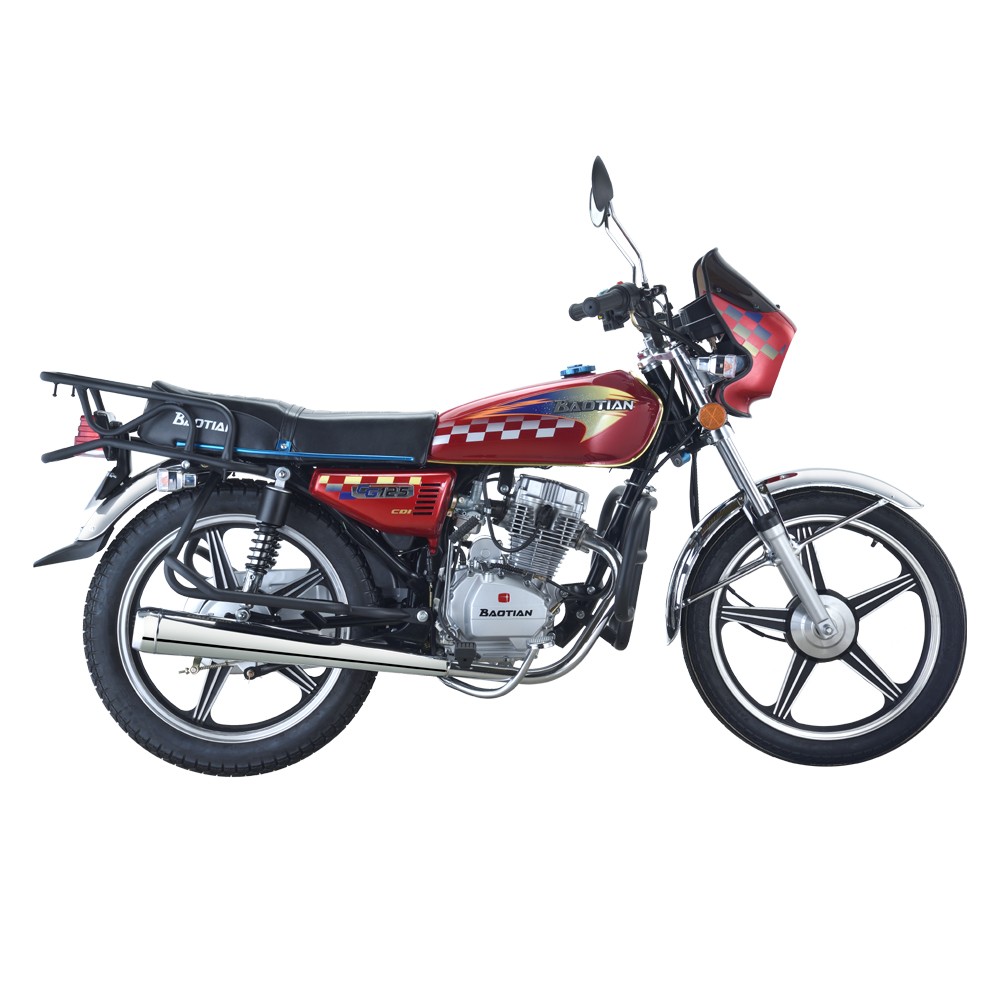
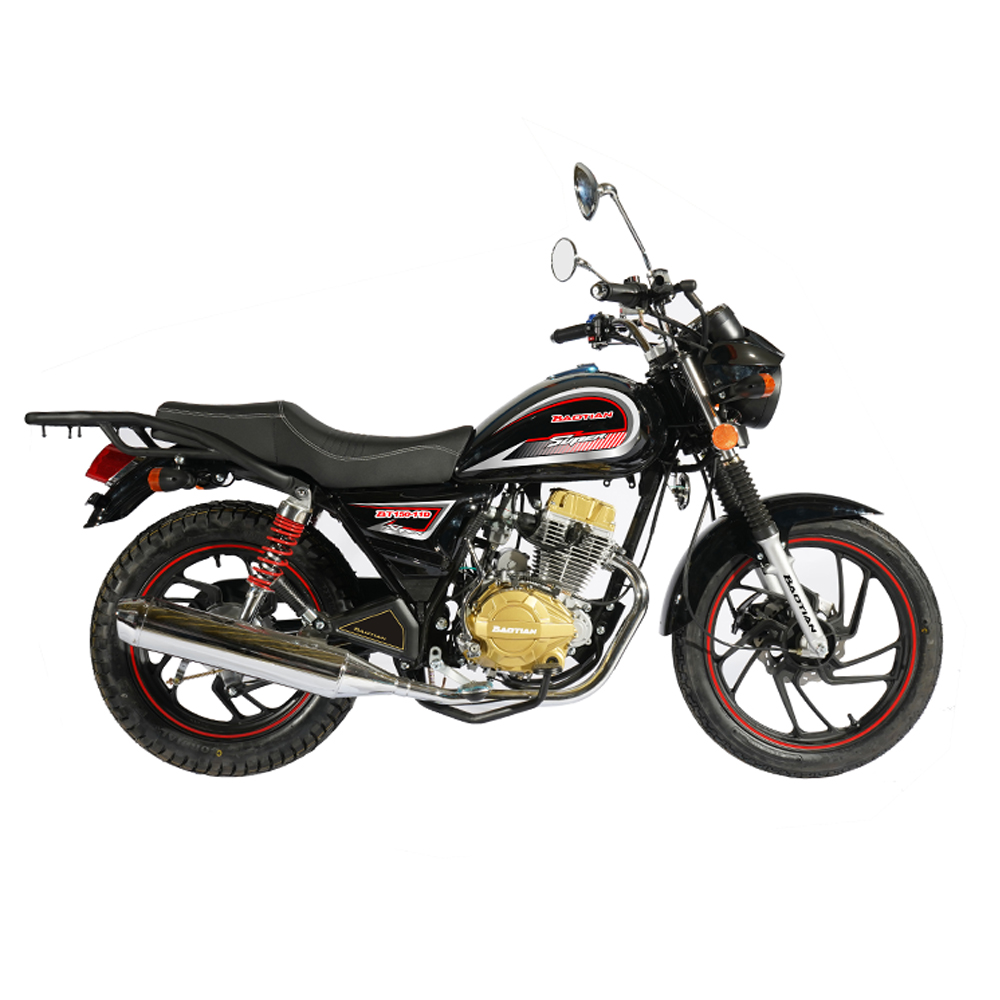
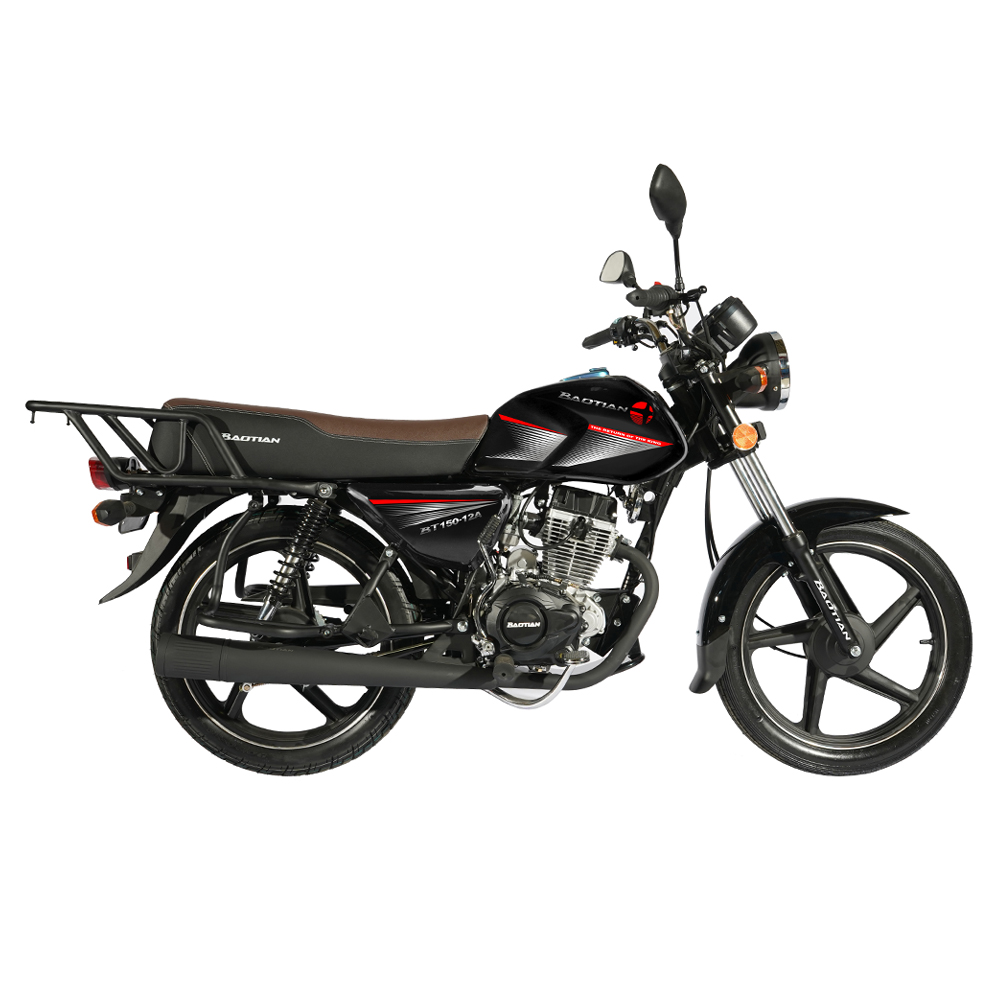
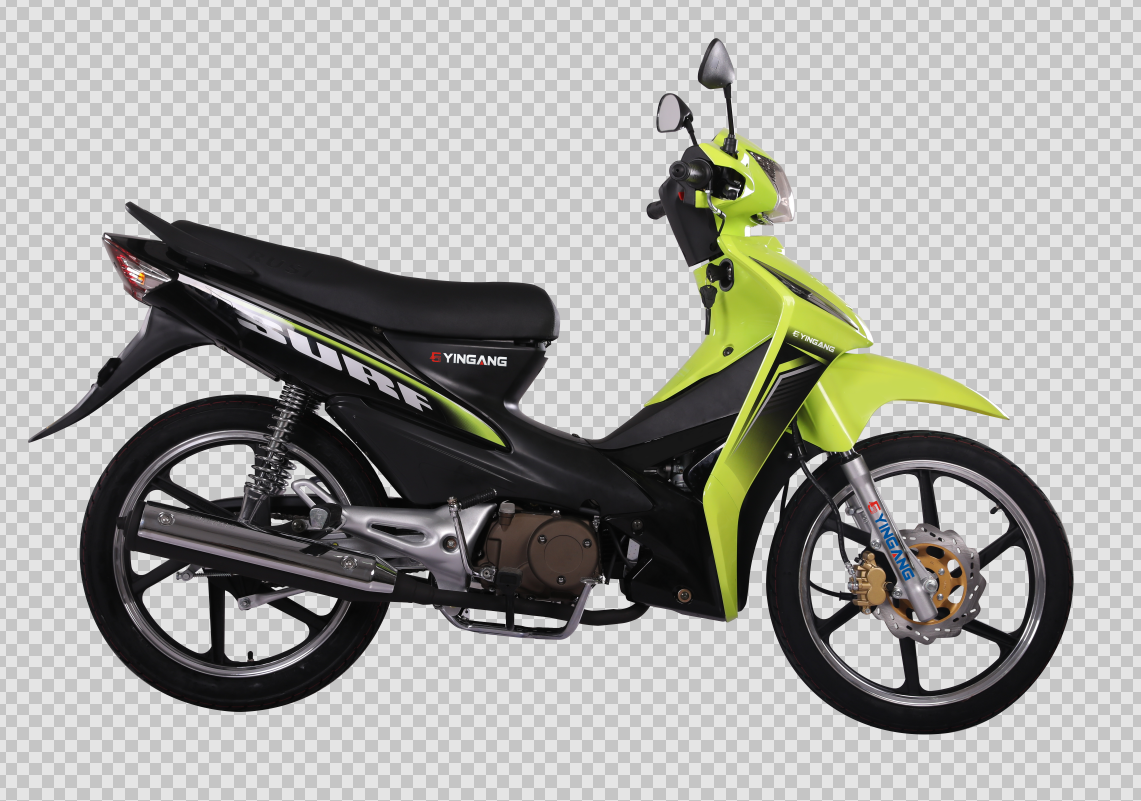
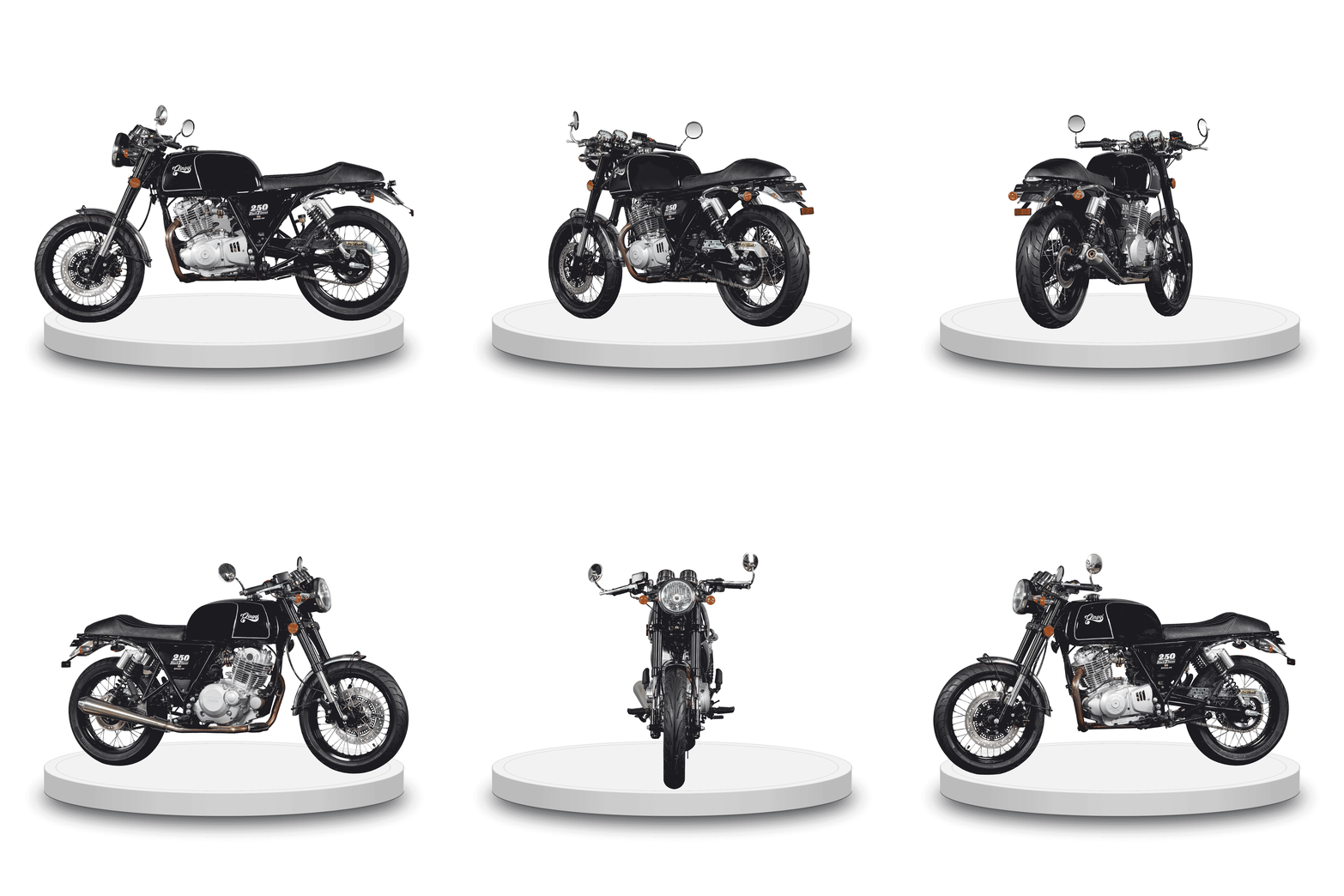
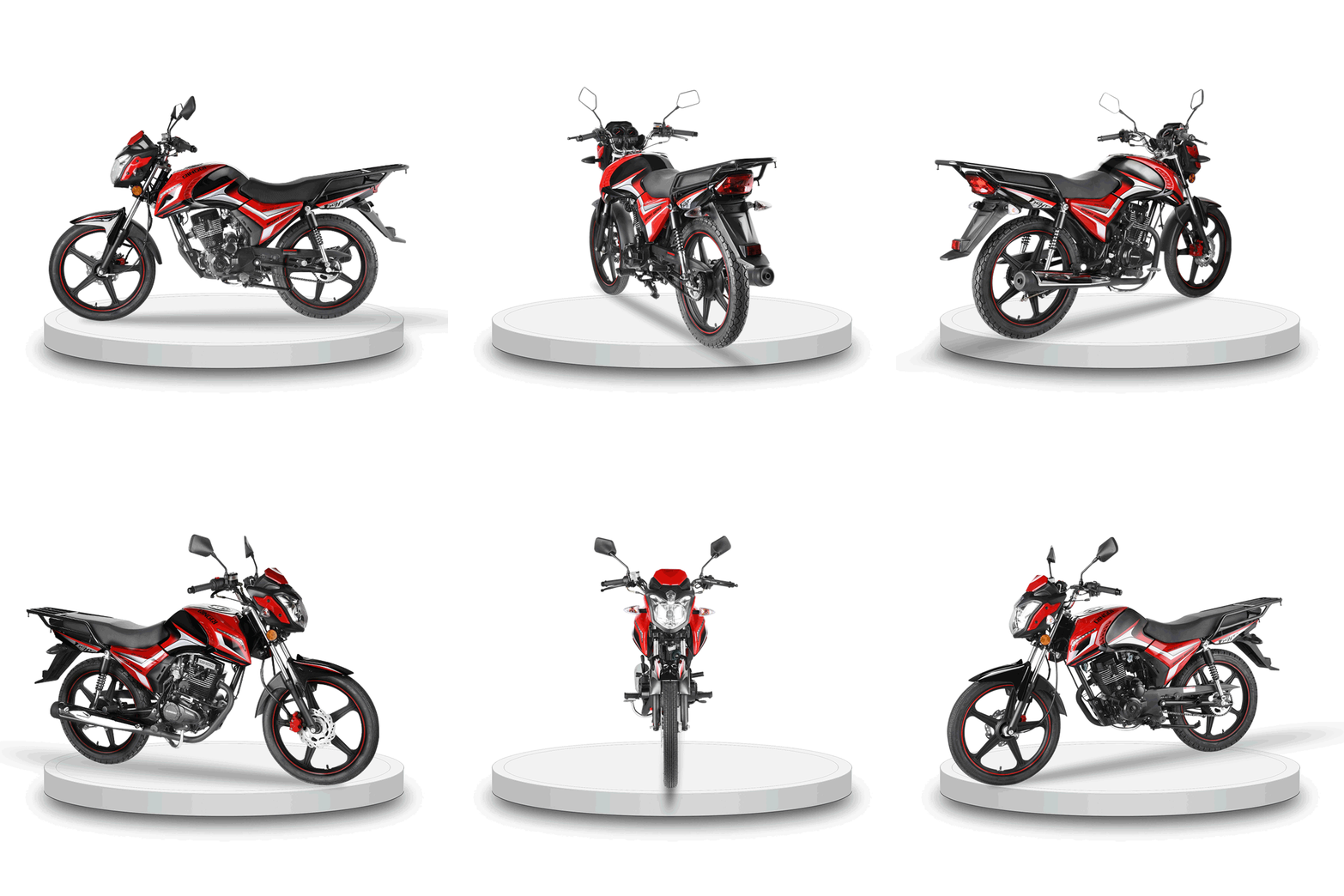
100cc-125cc
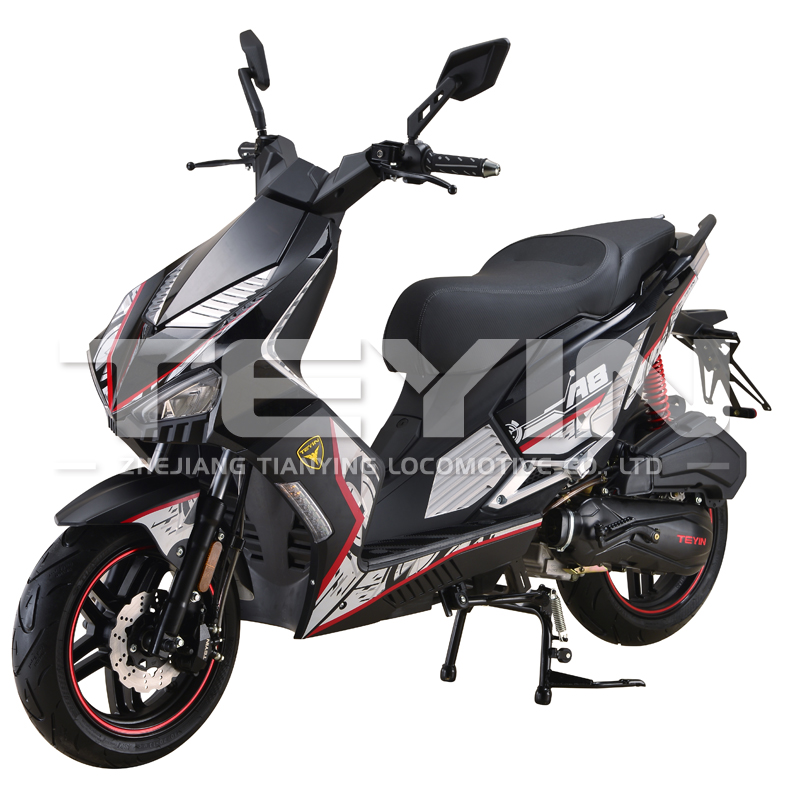
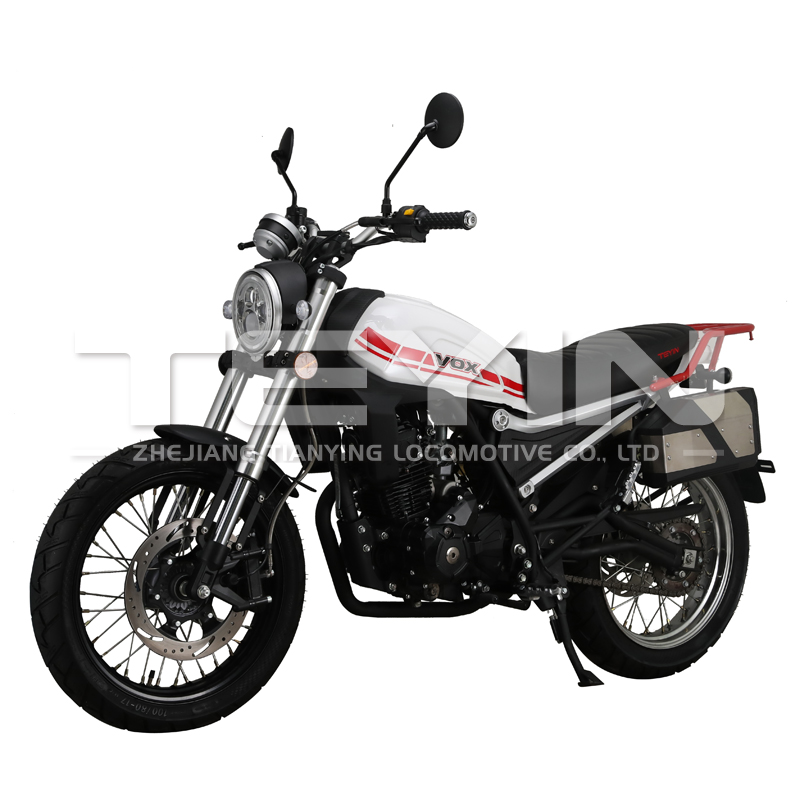
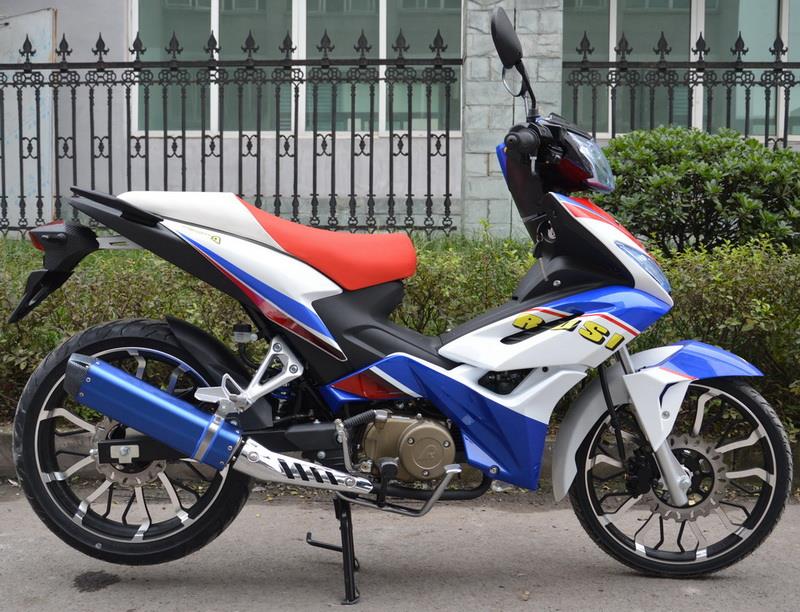
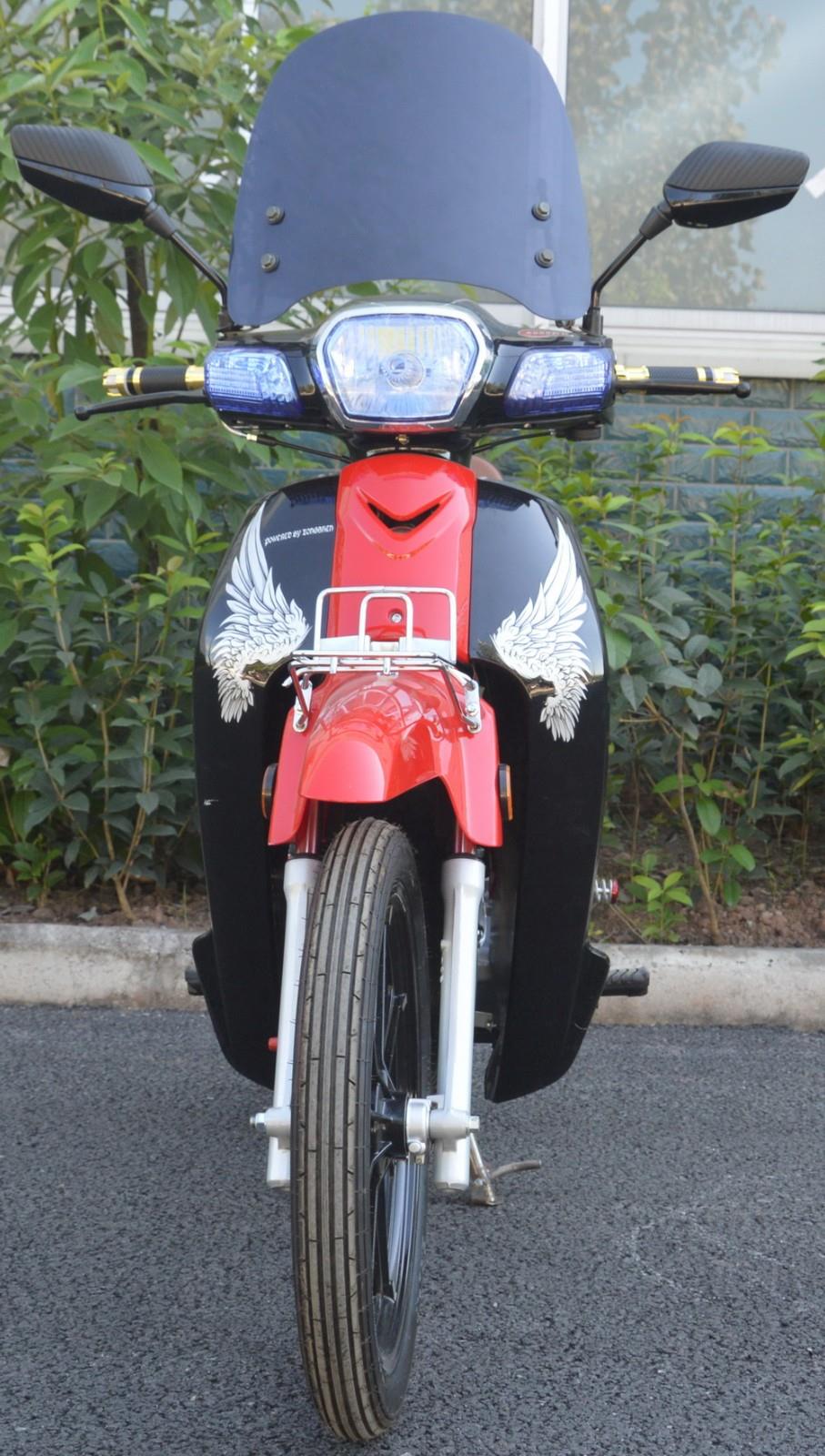
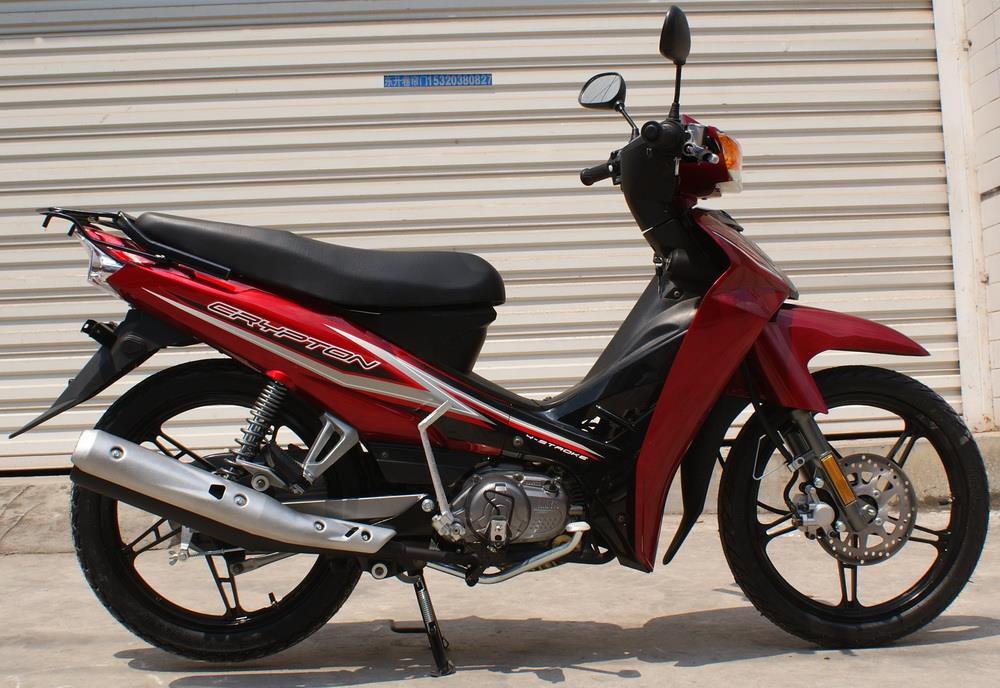
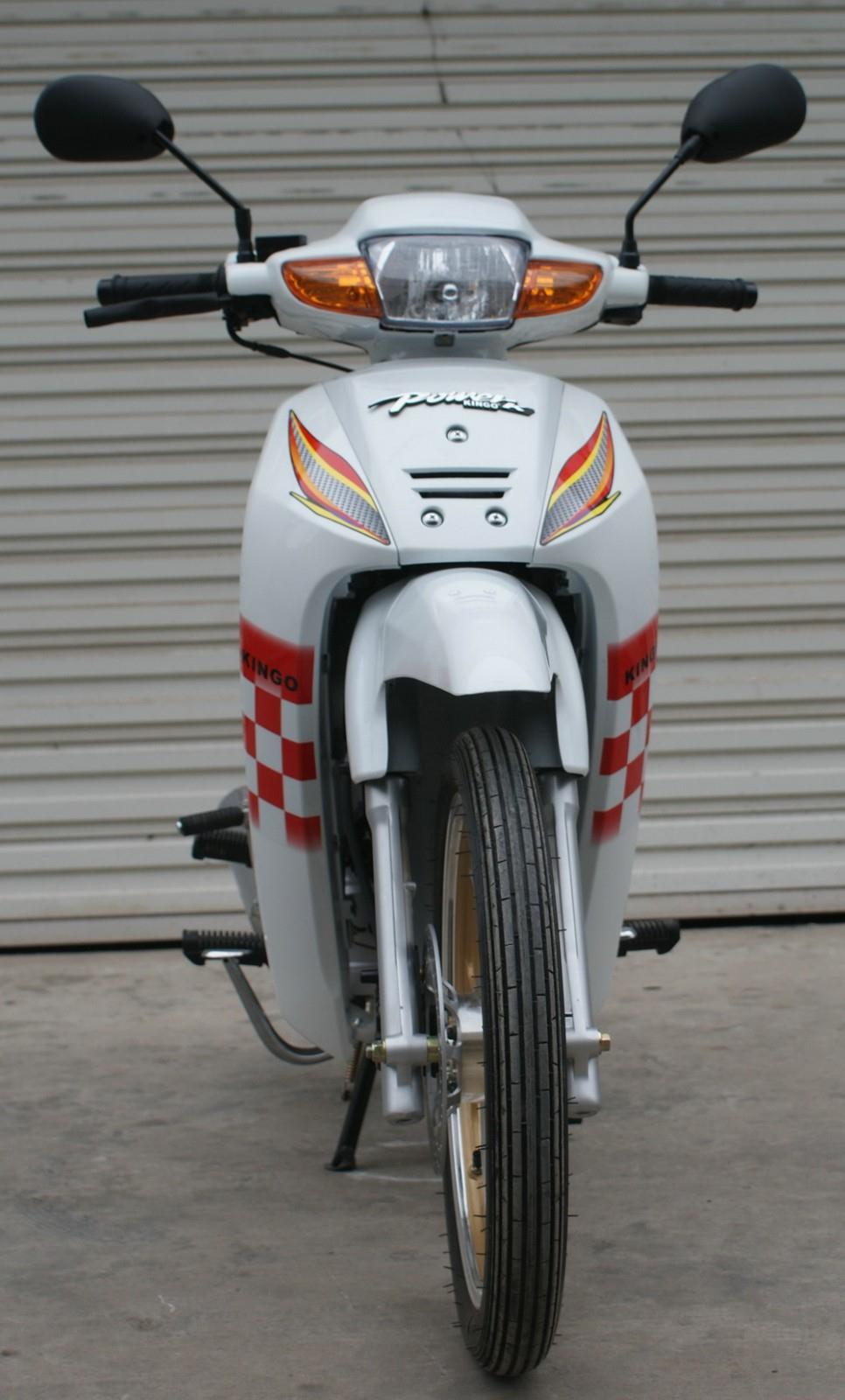
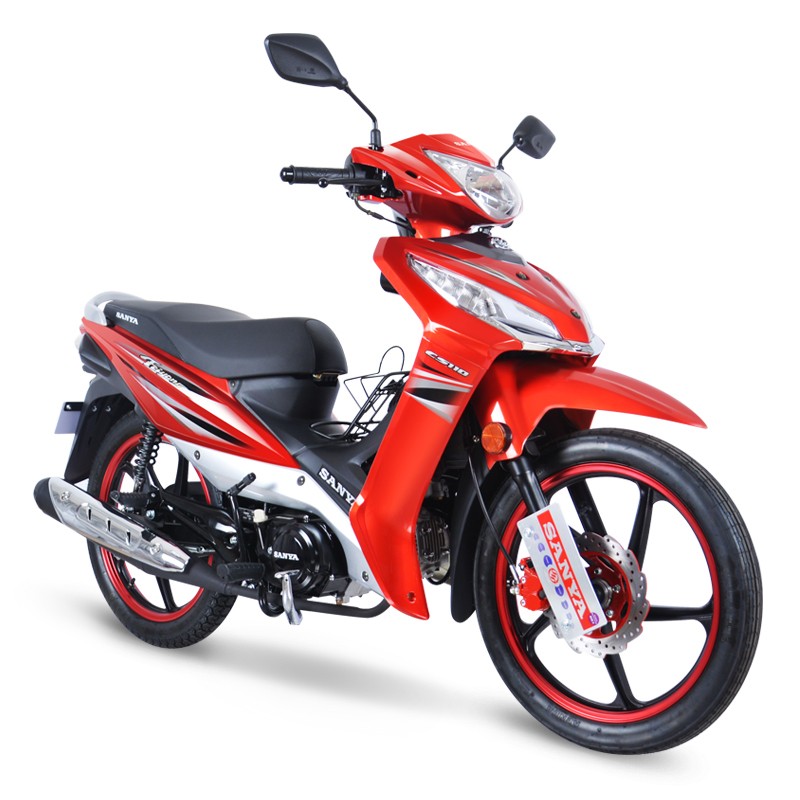
Source 100cc-125cc motorcycles directly from vetted manufacturers and wholesale suppliers. Built for importers, distributors, and brands seeking reliable OEM or private-label production, our network delivers high-volume, compliant commuter and utility bikes engineered for global markets.
The 100cc-125cc motorcycle segment represents the backbone of global commuter and utility transport. For bulk importers and distributors, success in this category hinges on balancing aggressive unit costs with long-term mechanical reliability. Because these bikes are subjected to heavy daily use, often in demanding road conditions, specifying the right engine architecture, frame metallurgy, and electrical components is critical before assembly begins.
Core Engine Architectures: CG vs. CB Platforms
Most 100cc-125cc motorcycles manufactured in Asia are based on two proven Honda-derived engine architectures. Selecting the right platform dictates the bike's maintenance profile, vibration levels, and target market suitability.
| Specification | CG Engine Architecture | CB Engine Architecture |
|---|---|---|
| Valve Train | Overhead Valve (OHV) / Pushrod | Overhead Camshaft (OHC) |
| Primary Advantage | Extreme durability, low maintenance | Higher RPM, smoother power delivery |
| Vibration Level | Noticeable at higher RPMs | Significantly reduced via balancer shafts |
| Ideal Application | Heavy utility, cargo, rural terrain | Urban commuting, premium 125cc models |
Beyond the block, fuel delivery is the primary driver of cost and compliance. While traditional carburetors (PZ26/PZ27) dominate emerging markets due to their simplicity, Electronic Fuel Injection (EFI) systems (such as Delphi or Bosch units) are strictly required for markets enforcing Euro 4, Euro 5, or EPA emissions standards. Integrating EFI requires a redesigned wiring harness, an ECU, and an upgraded stator to handle the increased electrical load.
Navigating emissions compliance and engine selection for your target market? Let our sourcing engineers align your technical requirements with the right factory.
Talk to our teamManufacturing Tolerances and Quality Control
In high-volume motorcycle production, inconsistencies often emerge in frame welding and electrical assembly. A factory's ability to maintain tight tolerances dictates whether the final product will suffer from premature chassis fatigue or phantom electrical drains.
To mitigate these risks, rigorous Quality Control & Inspection must be implemented at both the component and fully assembled stages.
Critical Factory Inspection Points
- Frame Welding: Inspecting robotic vs. manual weld penetration on the steering head and swingarm pivot.
- Engine Run-In: Verifying that 100% of engines undergo a bench test for oil pressure, compression, and gear engagement before chassis mounting.
- Wiring Harness Routing: Ensuring harnesses are properly shielded from engine heat and pinch points near the steering column.
- Brake System Bleeding: Checking hydraulic disc brakes for proper fluid pressure and lever feel on the assembly line.
- Paint and Finish: Testing UV resistance and micron thickness on fuel tanks and plastic fairings.
If your market requires strict homologation, verifying the factory's existing certifications is non-negotiable. Partnering with a supplier that already holds WMI (World Manufacturer Identifier) and ISO 9001 certifications streamlines the Compliance & Testing process for EEC or DOT approvals.
Packing Methods: CBU, SKD, and CKD
How your 100cc-125cc motorcycles are packed directly impacts your landed cost, import duties, and local assembly requirements.
- CBU (Completely Built Up): The motorcycle is fully assembled. Lowest labor requirement at destination, but highly inefficient for shipping.
- SKD (Semi-Knocked Down): The engine and frame remain assembled, but the front wheel, handlebars, and mirrors are removed. This is the most common balance of freight efficiency and minimal destination assembly.
- CKD (Completely Knocked Down): Every component is packed individually. Maximizes container space and often qualifies for significantly lower import tariffs, but requires a full assembly facility at the destination.
Pricing, MOQs, and Lead Times
For standard 100cc-125cc models, Minimum Order Quantities (MOQs) typically start at one 20ft container (roughly 30 to 40 units in SKD form). However, factories will generally require a 40HQ container (90 to 105 units) to offer competitive wholesale pricing.
If you are utilizing OEM/ODM Services to customize fairings, digital displays, or branded engine casings, expect MOQs to rise to 200 units or more to justify the tooling and custom component runs. Standard production lead times hover between 30 and 45 days, though this can extend to 60 days during peak seasons or when sourcing specialized EFI components.
Need accurate pricing and lead times for a custom 125cc commuter line? We can help you negotiate terms and secure production capacity.
Get a free consultationSuccessfully importing 100cc-125cc motorcycles requires looking past the initial unit price. The true cost of a sourcing program is determined by container optimization, localized compliance, and the factory's adherence to strict assembly tolerances. By locking down these variables early, you ensure a profitable, reliable product line that builds your brand's reputation on the road.
Get Sourcing Help for 100cc-125cc
Tell us your requirements and our experts will connect you with verified manufacturers.