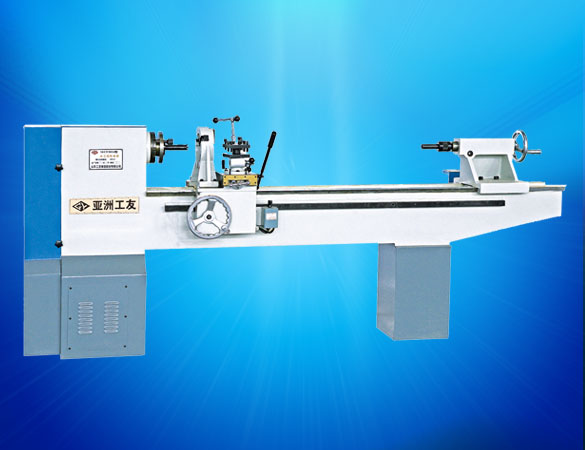
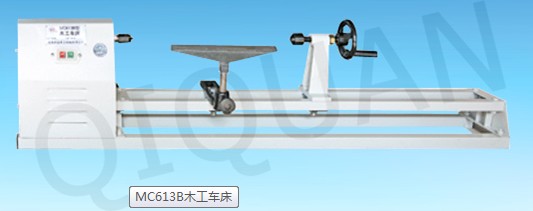
Wood Lathes
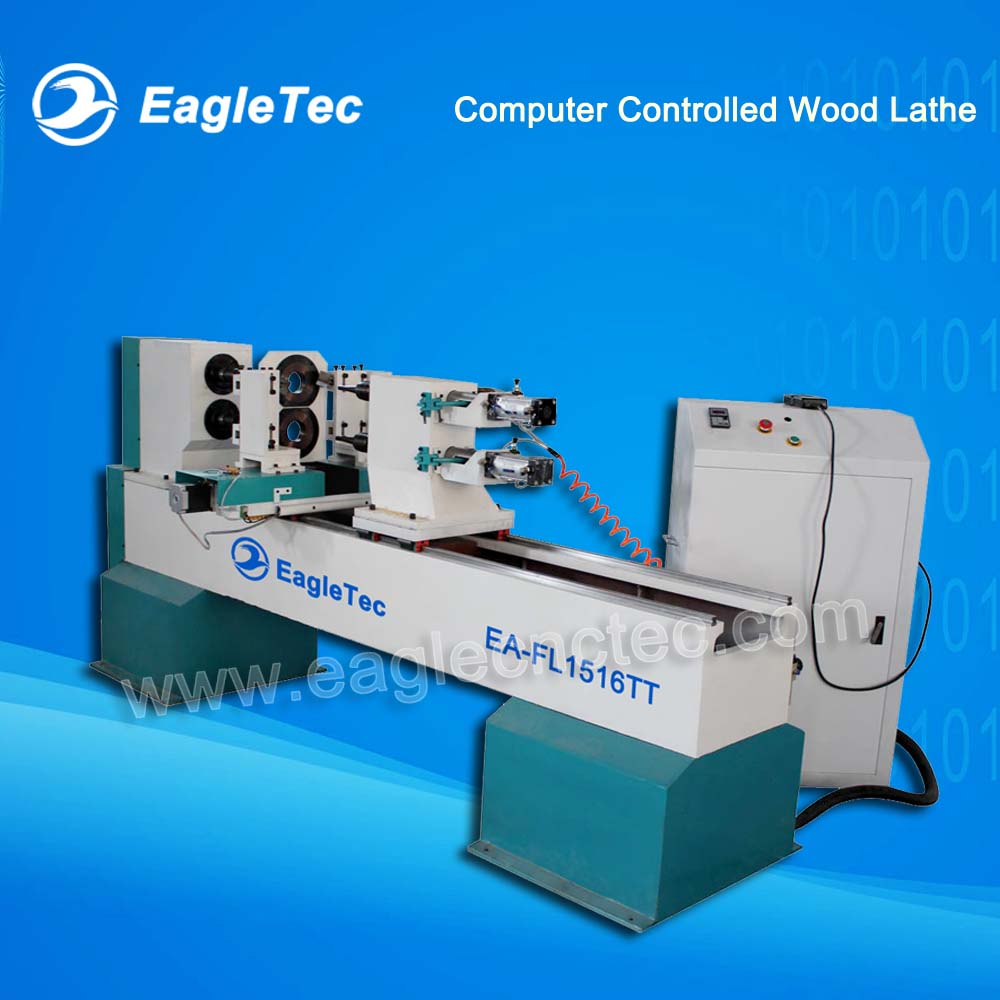
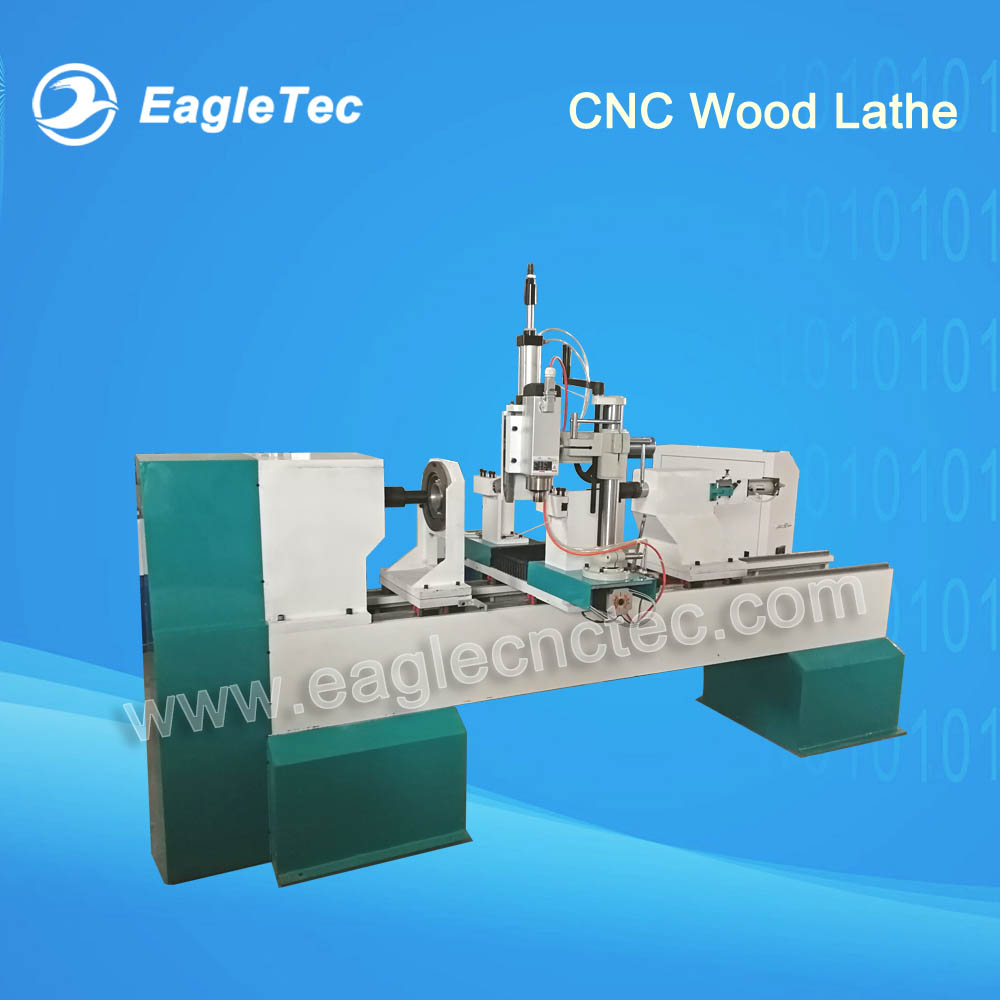
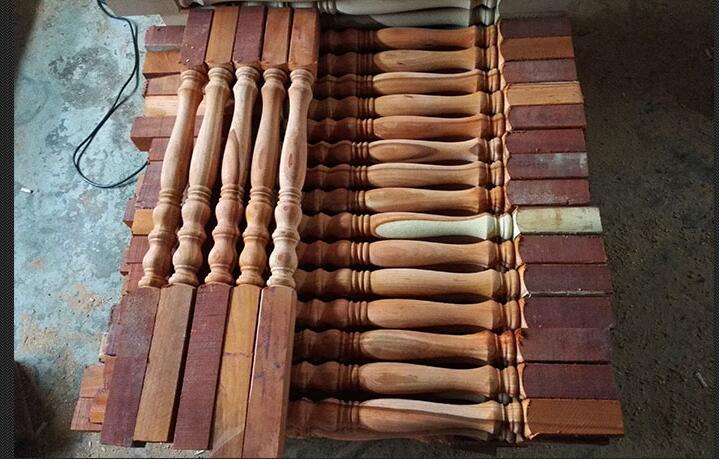
Source commercial and industrial-grade wood lathes from vetted suppliers and manufacturers in China and Asia. Designed for importers, wholesalers, and woodworking brands seeking reliable OEM and private-label production, this catalog connects you with factory-direct partners capable of fulfilling high-volume and custom requirements.
Sourcing wood lathes at scale requires balancing mechanical rigidity with electrical reliability. Whether you are provisioning industrial furniture workshops or stocking retail channels for woodworking enthusiasts, the primary sourcing challenge is ensuring consistent spindle alignment, bed flatness, and motor durability across hundreds of units. Partnering with the right manufacturer dictates whether you receive precision machinery or warranty liabilities.
Core Specifications for Bulk Orders
When negotiating with manufacturers, vague specifications lead to compromised product quality. Factories typically offer baseline models that can be upgraded based on your target price point and market requirements.
You must clearly define the following parameters to ensure accurate quoting and production:
- Swing Over Bed & Distance Between Centers: These dimensions dictate the maximum turning capacity. Standard industrial models often feature a 16-inch to 24-inch swing, while benchtop units sit between 8 and 12 inches.
- Motor Power & Drive Systems: Specify continuous horsepower (HP) rather than peak HP. Belt-driven systems with stepped pulleys are cost-effective, but electronic variable speed (EVS) drives with 3-phase inverters are standard for premium markets.
- Spindle Thread & Taper: Ensure compatibility with your target market's standard chucks and accessories (e.g., 1-1/4" x 8 TPI with a #2 Morse Taper is common in North America).
| Machine Class | Typical Swing | Motor Power | Cast Iron Weight |
|---|---|---|---|
| Benchtop / Hobby | 8 - 12 inches | 0.5 - 1.0 HP | Under 100 lbs |
| Mid-Range / Prosumer | 12 - 16 inches | 1.0 - 2.0 HP | 150 - 300 lbs |
| Industrial Floor-Standing | 16 - 24+ inches | 2.0 - 3.0+ HP | Over 400 lbs |
Need help identifying the right manufacturer for your specific machine class and market requirements?
Talk to our teamManufacturing Tolerances and Quality Control
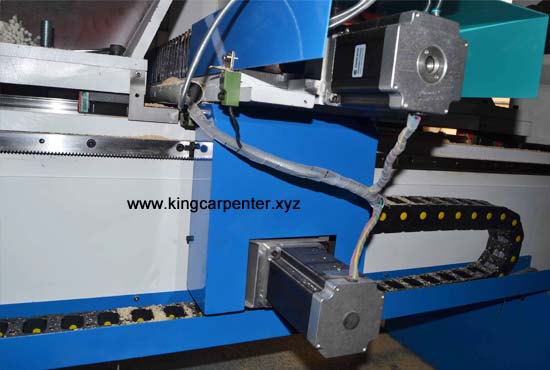
The heart of a wood lathe is its cast-iron bed. Poorly cured or improperly milled cast iron will warp over time, destroying the machine's accuracy. Leading factories allow the raw castings to age before CNC machining the ways to ensure dimensional stability.
To prevent defects from reaching your warehouse, a rigorous Quality Control & Inspection protocol is non-negotiable.
Critical Factory Inspection Points
- Spindle Runout: Must measure under 0.001 inches at the taper to prevent vibration.
- Bed Flatness: Precision ground ways checked with a straightedge and feeler gauges.
- Tailstock Alignment: Dead center alignment between headstock and tailstock across the full bed length.
- Electrical Compliance: Verification of CE, UL, or CSA certifications for motors and EVS inverters.
- Vibration Testing: Running the machine at maximum RPM to check for harmonic imbalances.
If you are developing a new line of machinery, utilizing OEM/ODM Services allows you to customize casting molds, specify premium NSK or SKF bearings, and apply your proprietary brand colors and badging.
Pricing, MOQs, and Lead Times
Wood lathes are heavy, capital-intensive products. Sourcing economics are heavily driven by raw material costs (cast iron and copper) and container utilization.
Pricing fluctuates based on the weight of the castings and the origin of the electrical components. A factory might offer a lower unit price by thinning the cast iron bed or using unbranded motor inverters. Conducting thorough Factory Audits before placing a deposit ensures you are dealing with a manufacturer capable of meeting your structural and electrical standards, rather than a trading company cutting corners.
Ready to negotiate pricing, secure production capacity, and optimize your container loads?
Get a free consultationFrequently Asked Questions
Navigating the supply chain for heavy woodworking machinery requires technical diligence and robust quality enforcement. By defining strict tolerances upfront and verifying factory capabilities on the ground, you can build a highly profitable machinery line that stands up to professional use.
Get Sourcing Help for Wood Lathes
Tell us your requirements and our experts will connect you with verified manufacturers.