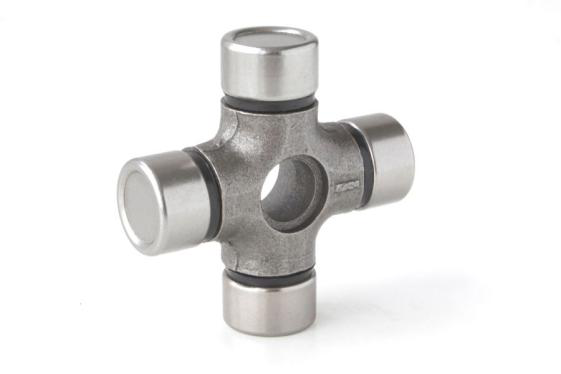
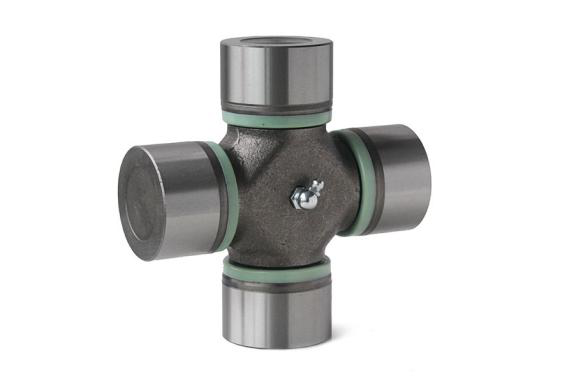
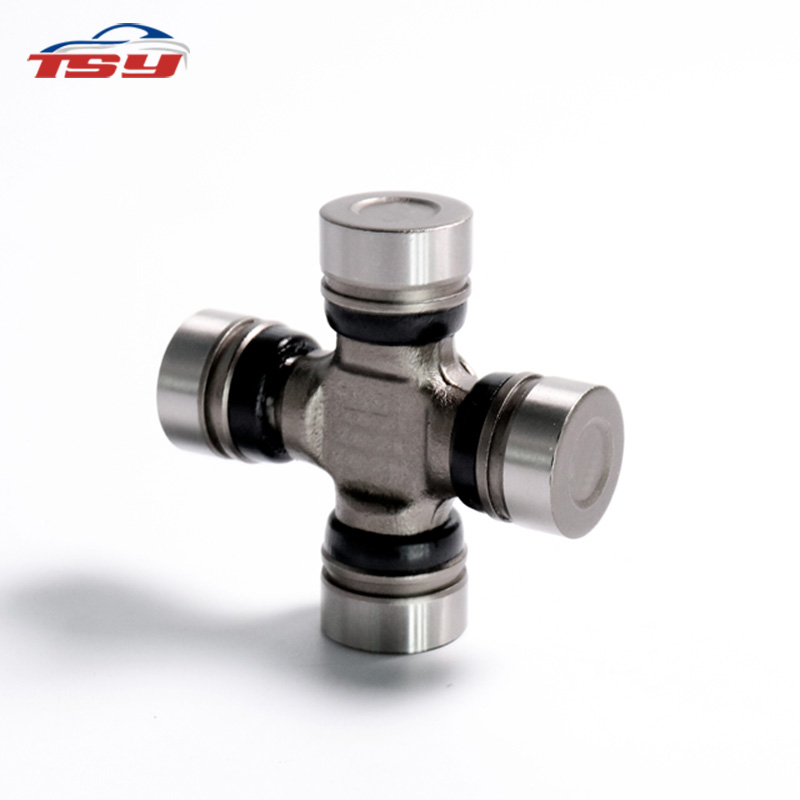
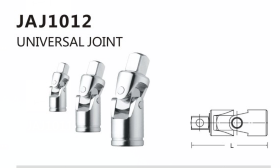
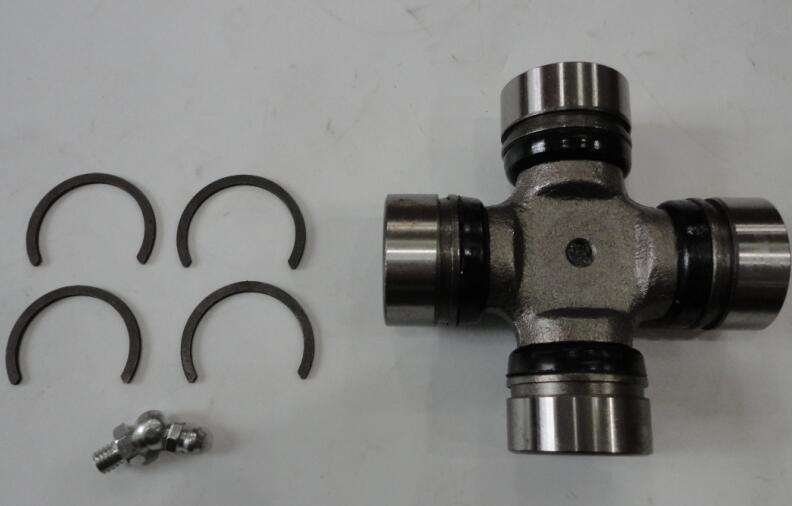
Universal Joints
Source industrial-grade Universal Joints from vetted manufacturers and suppliers. Designed for power transmission distributors, heavy machinery importers, and OEM brands buying in volume. Secure competitive wholesale pricing, custom engineering, and reliable bulk fulfillment directly from top-tier Asian factories.
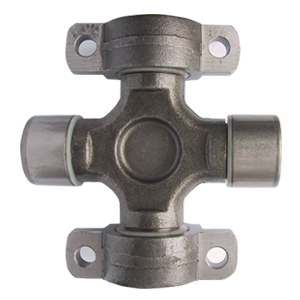
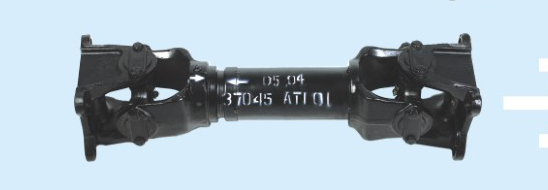
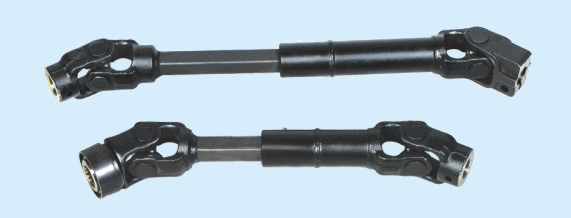
Sourcing universal joints (U-joints) in volume requires strict attention to dynamic load capabilities, operating angles, and material fatigue limits. Because these components are the critical link in power transmission systems, a minor deviation in yoke machining or bearing assembly can lead to premature wear, vibration, or catastrophic failure. When buying in bulk, verifying a factory’s machining tolerances and heat-treatment consistency is just as important as negotiating the unit price.
Specifying Universal Joints for Volume Orders
When approaching manufacturers, vague specifications lead to inconsistent production runs. Factories need precise engineering parameters to match the correct materials, bearing types, and machining processes to your application.
Key specifications to define upfront include:
- Operating Angle: Single joints typically handle up to 45 degrees, while double joints can accommodate up to 90 degrees. However, torque capacity drops significantly as the operating angle increases.
- Torque Requirements: Define both continuous operating torque and peak/shock torque.
- Maximum RPM: High-speed applications require precision needle roller bearings and tighter balancing tolerances compared to low-speed, high-torque manual linkages.
- Connection Type: Specify bore dimensions, keyways, hex bores, splines, or quick-release mechanisms.
| Application Type | Typical Materials | Bearing Style | Primary Use Case |
|---|---|---|---|
| Standard Industrial | Carbon Steel (e.g., C45) | Plain / Friction | Low speed, manual linkages, packaging machinery |
| High-Speed / Precision | Alloy Steel (e.g., 40Cr, 20CrMnTi) | Needle Roller | Automotive, PTO shafts, high-RPM automation |
| Corrosive Environments | Stainless Steel (304 / 316) | Plain or Sealed Roller | Food processing, marine, chemical washdown |
Ensure your universal joint manufacturers meet strict tolerance and material standards before placing high-volume orders.
Talk to our teamManufacturing Quality and Factory Floor Realities
The difference between a reliable U-joint and one that fails under load usually comes down to heat treatment and machining precision. Many lower-tier factories save costs by skipping secondary hardening processes or using outdated grinding equipment.
To ensure consistent quality across a bulk order, you must understand how the factory controls its production stages:
Forging and Machining
Yokes should be forged for optimal grain structure, not cast, if intended for high-torque applications. CNC machining ensures the bearing bores are perfectly aligned; misalignment here causes rapid bearing failure.
Heat Treatment
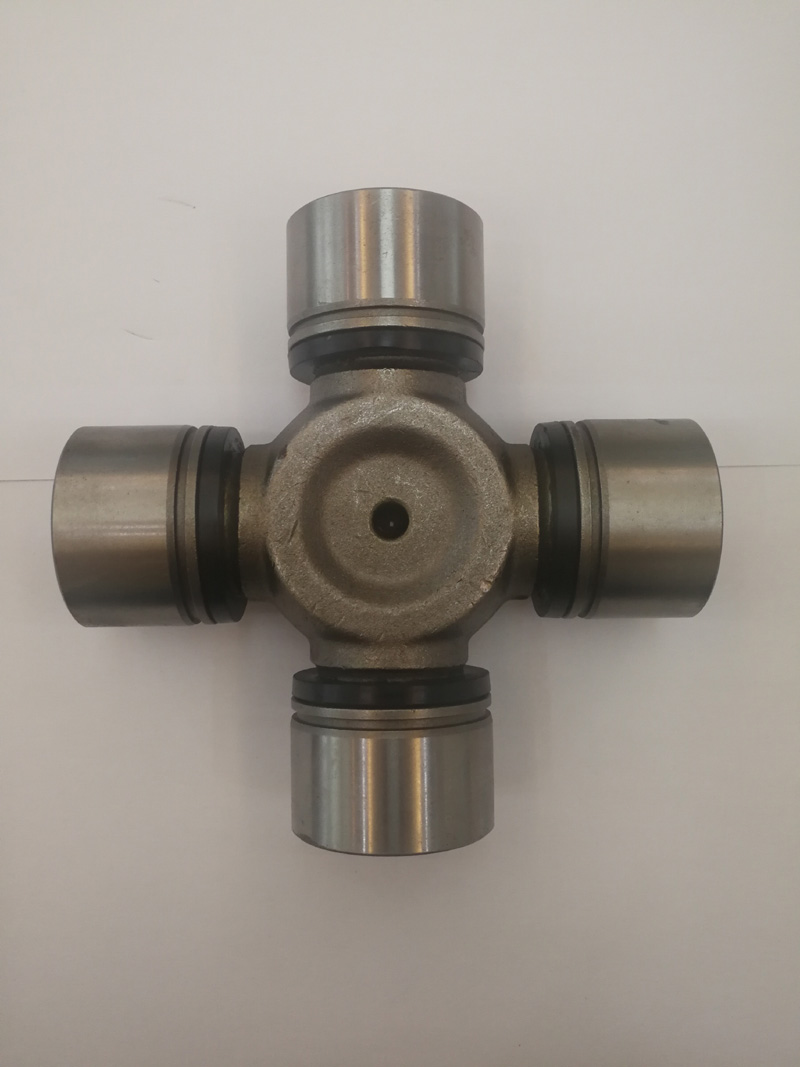
Cross pins and bearing surfaces require carburizing or induction hardening to achieve a hard wear surface while maintaining a tough, ductile core to absorb shock loads.
Assembly and Sealing
For roller-bearing joints, proper greasing and the installation of high-quality elastomer seals are critical to prevent contaminant ingress during field operation.
Before committing to a new supplier, conducting thorough Factory Audits is highly recommended. This ensures the facility actually possesses the in-house heat treatment and CNC capabilities they claim, rather than outsourcing critical steps to unverified sub-suppliers. Similarly, implementing rigorous Quality Control & Inspection protocols before shipment helps catch dimensional inaccuracies or improper assembly before the parts leave the country.
Sourcing Mechanics: Pricing, MOQs, and Lead Times
Pricing for universal joints is highly dependent on raw material costs, the complexity of the bore machining, and the volume of the order. Standard sizes (like DIN 808 or MIL-DTL-6193 specifications) benefit from economies of scale, while custom splines or proprietary yoke designs will incur tooling costs and higher minimums.
If you are a brand or equipment manufacturer requiring custom power transmission components, leveraging OEM/ODM Services allows you to specify exact dimensions, proprietary coatings, and custom branding directly with the factory.
Streamline your procurement with direct access to vetted power transmission component factories.
Get a free consultationFrequently Asked Questions
Successfully sourcing universal joints requires moving past surface-level specifications to verify the metallurgical and machining competence of the manufacturer. By partnering with the right factory and enforcing strict quality controls, you can secure reliable power transmission components that protect both your margins and your engineering reputation.
Get Sourcing Help for Universal Joints
Tell us your requirements and our experts will connect you with verified manufacturers.