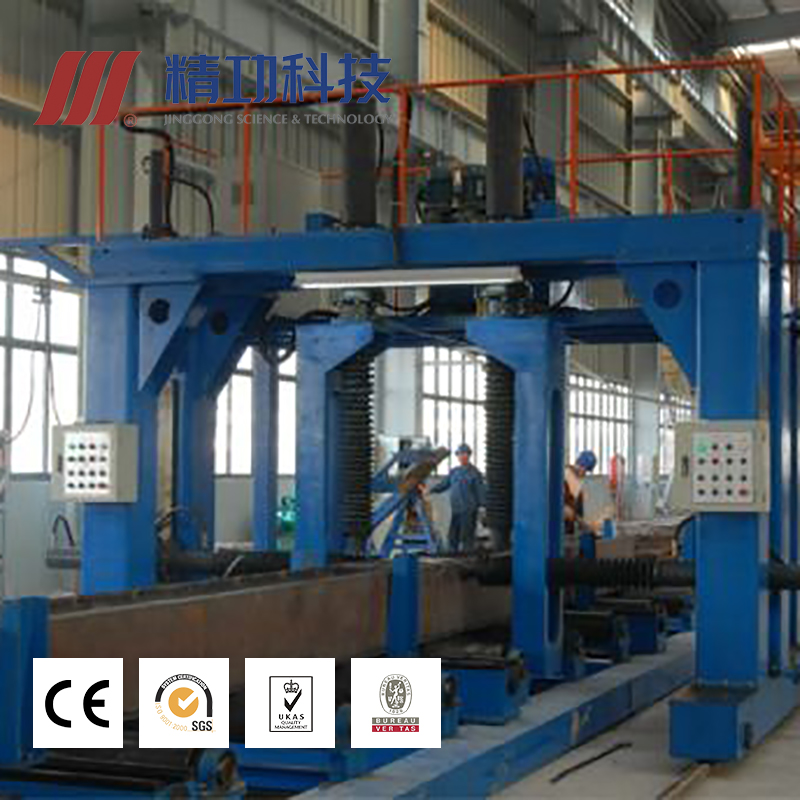
Tube Welders
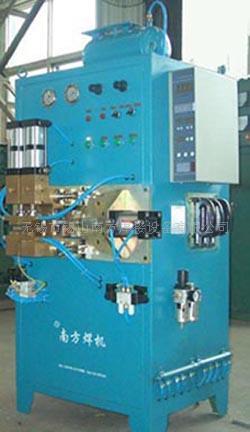
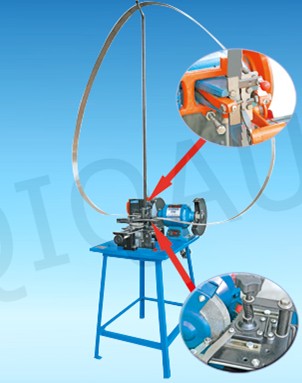
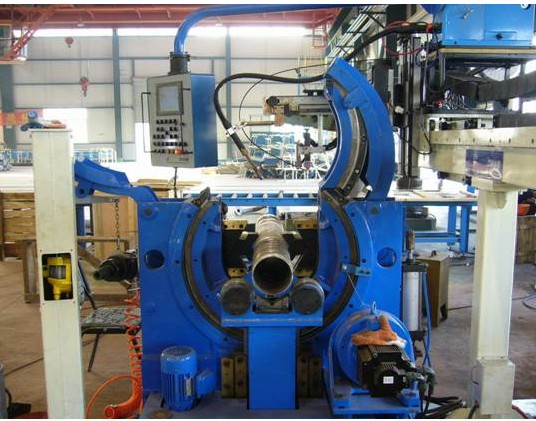
Source industrial-grade tube welders from vetted suppliers and manufacturers in China and across Asia. Designed for equipment importers, industrial distributors, and brands requiring reliable OEM production, our network delivers precision orbital and high-frequency welding systems built to international standards.
Sourcing industrial tube welders—whether solid-state high-frequency (HF) units for continuous tube mills or precision orbital TIG systems—requires navigating a complex supply chain. The primary challenge is distinguishing between genuine manufacturers with in-house power electronics expertise and assemblers who merely repackage standard components in custom enclosures. For capital equipment of this scale, component reliability directly dictates the machine's uptime and your end-user's profitability.
Critical Specifications for Bulk Procurement
When negotiating with manufacturers, vague specifications lead to substandard component substitution. You must clearly define the operational parameters to ensure the factory engineers the power supply, inverter modules, and cooling systems appropriately.
| Operational Parameter | High-Frequency (HF) Welders | Orbital TIG Welders |
|---|---|---|
| Typical Application | Continuous carbon/stainless tube mills | Precision piping, aerospace, sanitary tubes |
| Power / Output Range | 50kW to 1000kW+ | 100A to 300A |
| Key Components to Specify | IGBT/MOSFET modules, ferrite cores | Weld heads, shielding gas controls, PLC |
| Cooling Requirements | Closed-loop distilled water cooling | Water-cooled torch/head systems |
The choice of inverter technology is particularly critical. Top-tier Chinese manufacturers utilize imported IGBT modules (such as those from Infineon or Fuji) for high-power applications, while mid-tier factories may default to domestic equivalents to lower costs. If your market demands maximum continuous uptime, stipulating imported modules in your contract is essential.
Need help verifying a manufacturer's technical capabilities? We handle the engineering vetting and supplier qualification.
Talk to our teamManufacturing Quality and Component Verification
A common pitfall in sourcing welding machinery is failing to audit the supplier's actual production capabilities. Many facilities excel at sheet metal fabrication and final assembly but outsource the critical printed circuit board (PCB) assembly and transformer winding.
Conducting thorough factory audits is necessary to verify whether the supplier has dedicated testing environments for power electronics. Look for clean rooms for PCB assembly, proper grounding protocols, and comprehensive load-testing bays.
Pre-Shipment Testing Protocol
Never authorize final payment or shipment without rigorous, documented testing. Standard functional tests are insufficient for heavy-duty welders.
Essential QC Checks for Tube Welders
- Full-Load Continuous Testing: Run the welder at maximum rated output for a minimum of 4 to 8 hours to monitor thermal stability.
- Insulation Resistance & Dielectric Strength: Verify that all high-voltage components meet industrial safety thresholds.
- Cooling System Integrity: Pressure test closed-loop water cooling systems at 1.5x operating pressure to check for micro-leaks.
- Software & Interface Localization: Ensure PLC/HMI interfaces are correctly translated and that metric/imperial conversions function accurately.
- Component Traceability: Physically open cabinets to verify that the specified brand of IGBT modules and PLCs were actually installed.
Implementing professional quality control at the factory level ensures these tests are conducted using calibrated equipment, preventing catastrophic failures upon arrival.
Pricing Drivers, MOQs, and Lead Times
Tube welders are highly customizable capital goods. While standard orbital welders might be kept in limited stock, large HF solid-state welders are almost exclusively built-to-order.
Pricing is heavily influenced by the power output (kW rating) and the degree of automation required. Buyers looking to develop proprietary equipment or integrate specific smart-factory protocols can leverage OEM/ODM services to customize the machine's footprint, interface, and integration capabilities. Be prepared to pay a premium for systems designed to meet stringent CE or UL compliance, as this requires specific internal wiring standards and certified components.
Ready to negotiate pricing and production terms with top-tier welding equipment factories?
Get a free consultationFrequently Asked Questions
Sourcing tube welders successfully hinges on treating the procurement as a capital equipment investment rather than a commodity purchase. Diligent component verification, strict adherence to technical specifications, and rigorous pre-shipment load testing are your best defenses against costly downtime. Ensure your supply chain strategy prioritizes engineering capability over baseline pricing.
Get Sourcing Help for Tube Welders
Tell us your requirements and our experts will connect you with verified manufacturers.