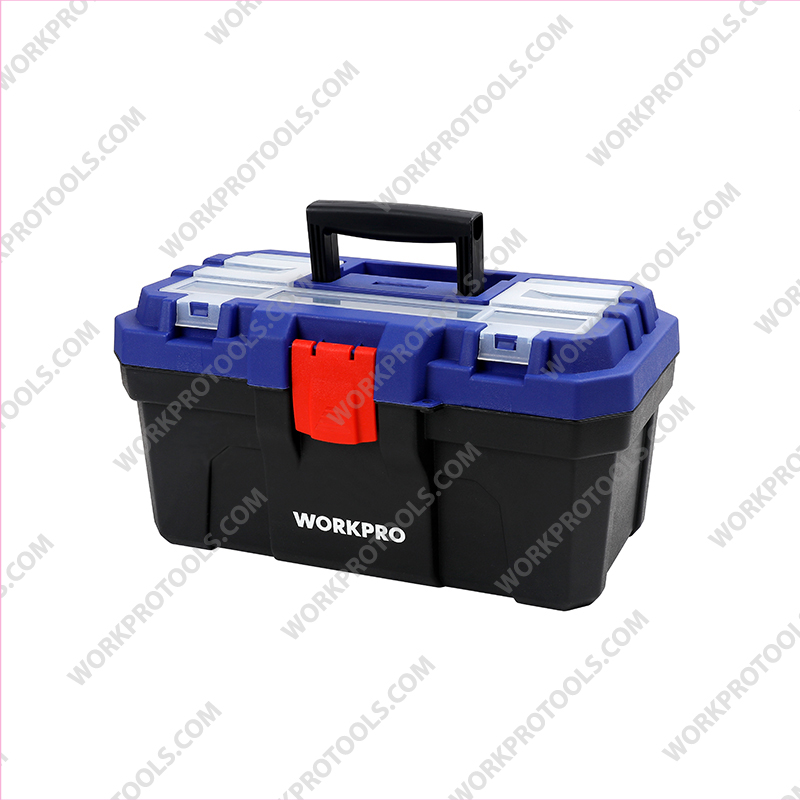
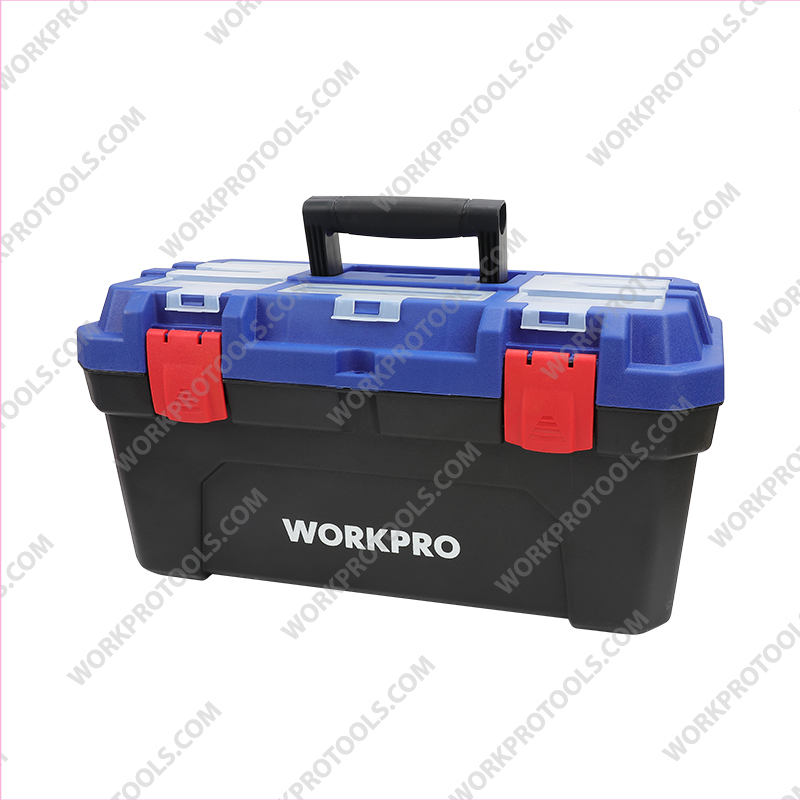
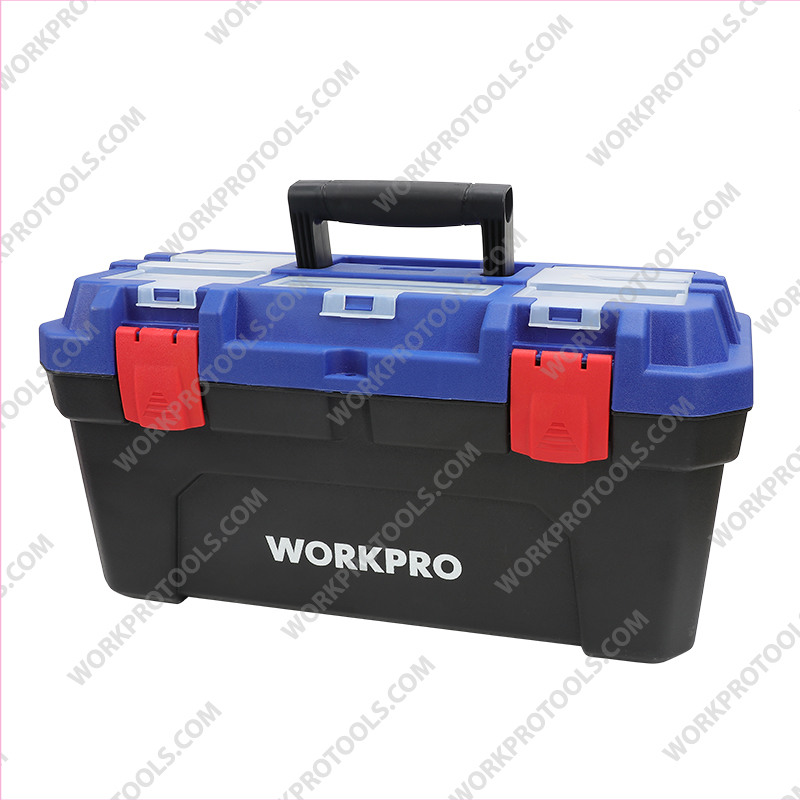
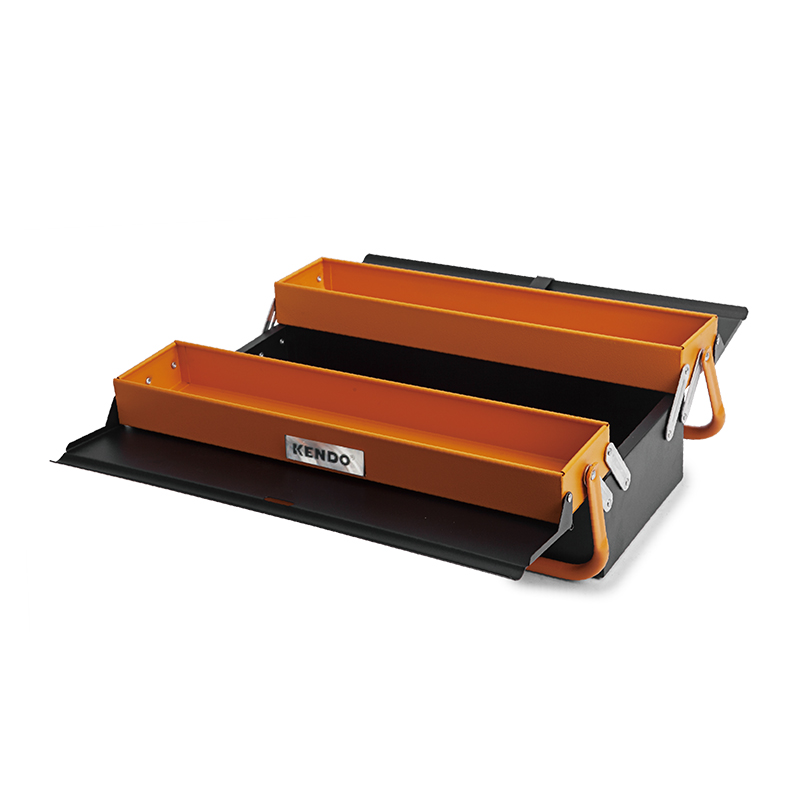
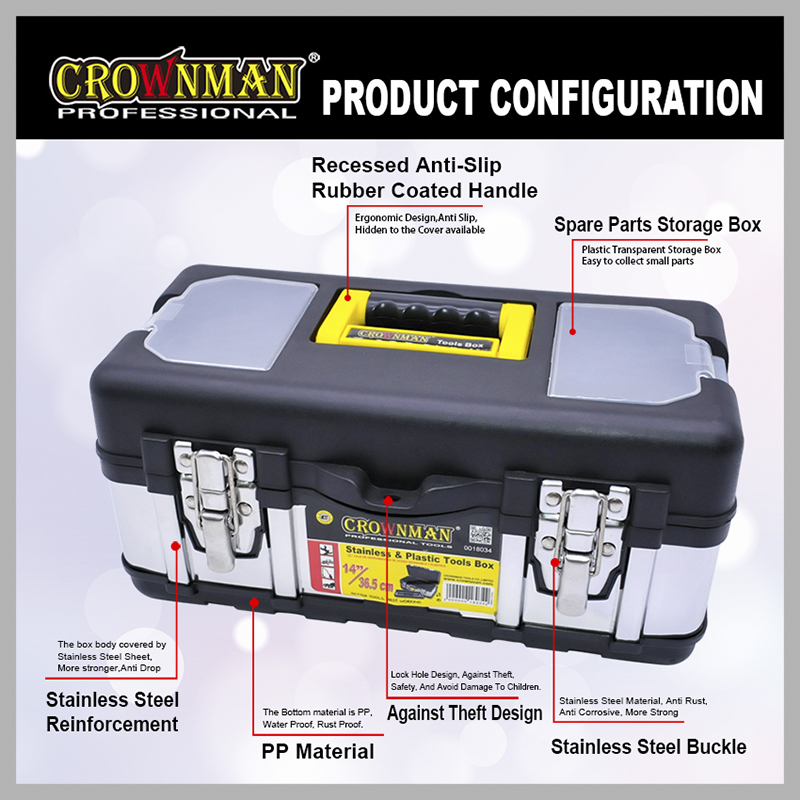
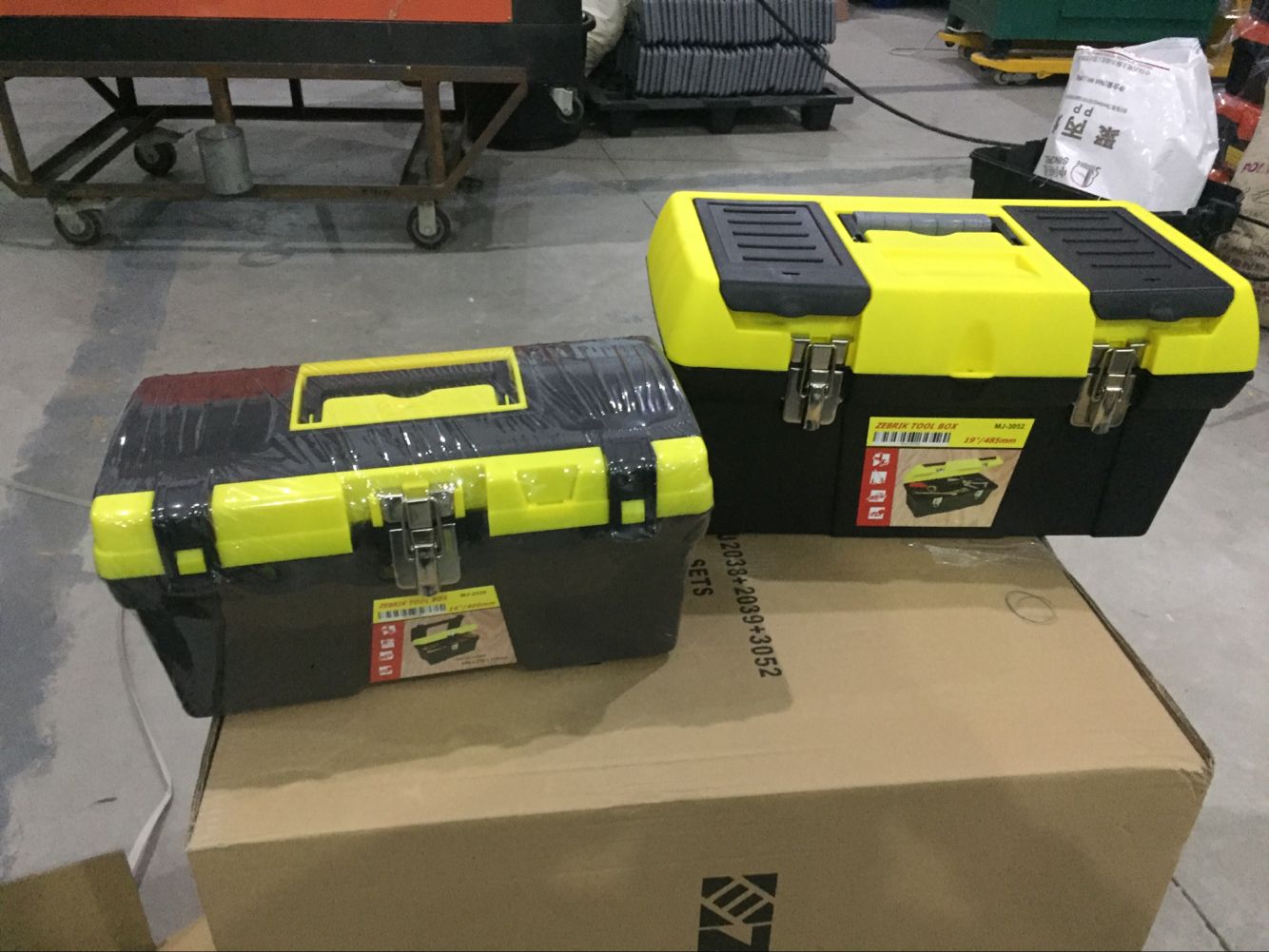
Tool Boxes
Source premium Tool Boxes from vetted suppliers and manufacturers across Asia. Designed for importers, wholesalers, distributors, and hardware brands seeking reliable OEM or private-label production. Explore wholesale tool storage solutions built for professional environments and heavy-duty industrial applications.
Sourcing tool boxes at scale requires balancing raw material costs, structural integrity, and shipping efficiency. Whether you are importing heavy-duty steel job-site boxes for industrial distributors or injection-molded plastic cases for retail hardware brands, the core challenge lies in verifying factory capabilities. A supplier's mastery of metal stamping, welding precision, or plastic injection molding directly dictates the lifespan and load-bearing capacity of the final product.
Material Specifications and Manufacturing Tolerances
The material you specify dictates the factory profile you need. Metal fabrication facilities operate entirely different machinery and quality systems compared to plastics manufacturers.
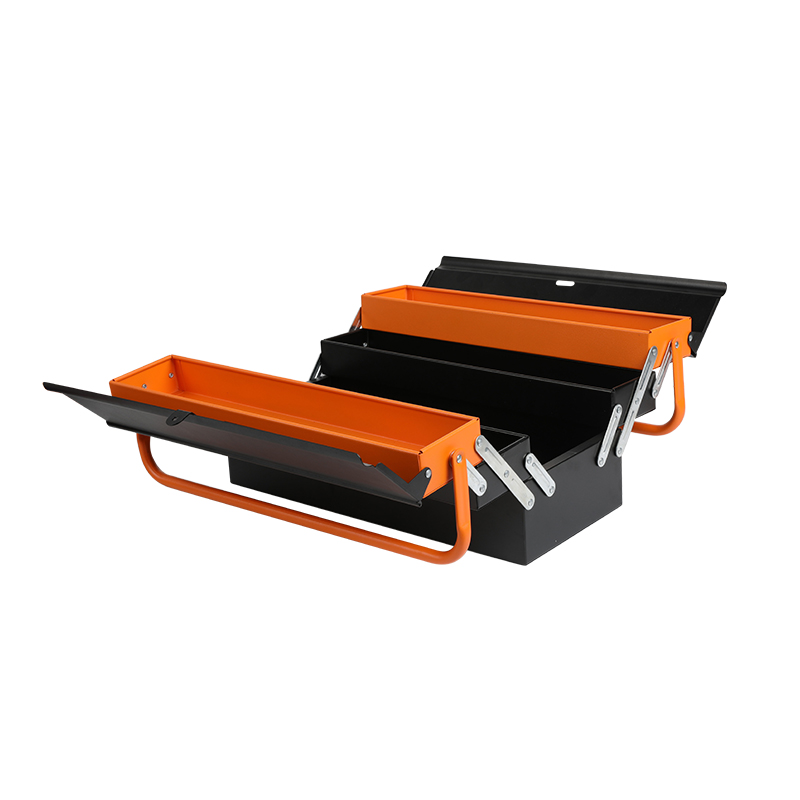
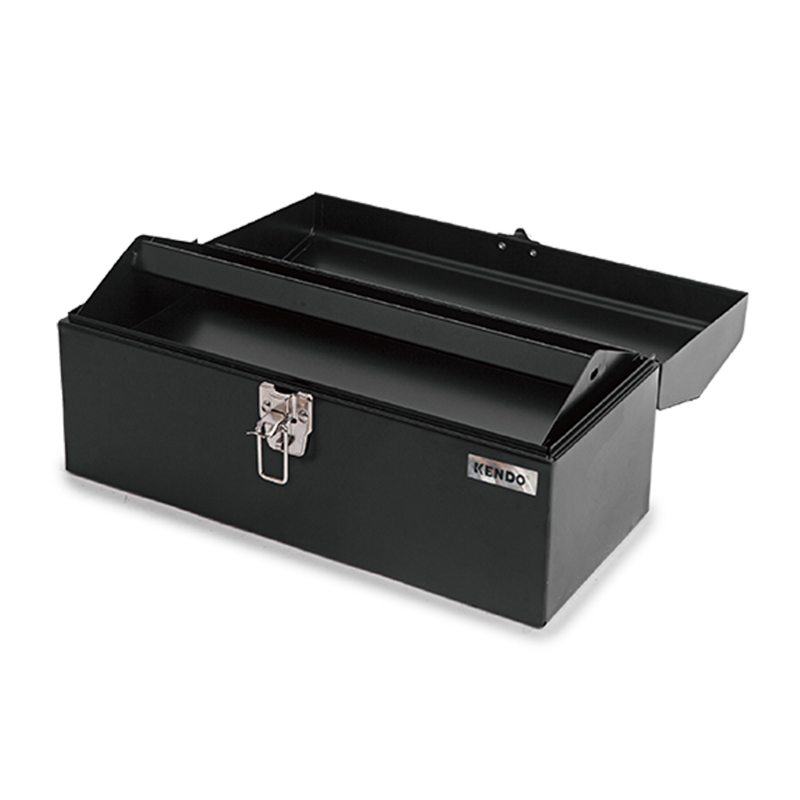
For metal tool boxes, cold-rolled steel (SPCC) is the industry standard. Thickness is critical: commercial-grade boxes typically utilize 20-gauge to 22-gauge steel, while heavy-duty industrial units require 16-gauge to 18-gauge steel. Aluminum variants, often favored for truck beds or aviation applications, rely on diamond plate or smooth alloys (like 3003 or 5052) ranging from 1.5mm to 2.5mm in thickness.
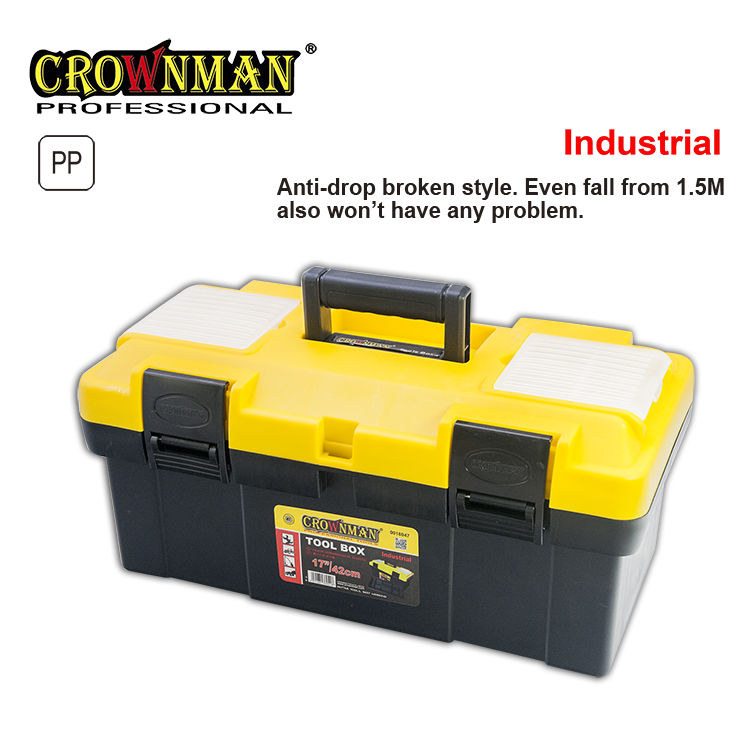
For plastic tool boxes, High-Density Polyethylene (HDPE) and Polypropylene (PP) dominate due to their impact resistance and affordability.
| Specification | Cold-Rolled Steel | Polypropylene (PP) | Aluminum Alloy |
|---|---|---|---|
| Primary Application | Heavy-duty industrial, workshops | Consumer hardware, portable kits | Transport, truck beds, aviation |
| Manufacturing Process | Stamping, bending, spot welding | Injection molding | Cutting, bending, TIG welding |
| Surface Treatment | Powder coating (60-80 microns) | Molded-in color, texturing | Clear coat, anodizing, or raw |
| Key Vulnerability | Corrosion if coating fails | UV degradation, cold-weather brittleness | Galvanic corrosion at hinge points |
Struggling to find a manufacturer with the right fabrication capabilities for your custom specifications? Our engineers can match your technical requirements with the right factory floor.
Get a free consultationCritical Points of Failure on the Factory Floor
Tool boxes endure significant abuse, meaning quality cannot be an afterthought. Poor manufacturing controls manifest rapidly in the field, leading to high return rates and damaged brand reputation. Implementing rigorous Quality Control & Inspection during and after production is non-negotiable.
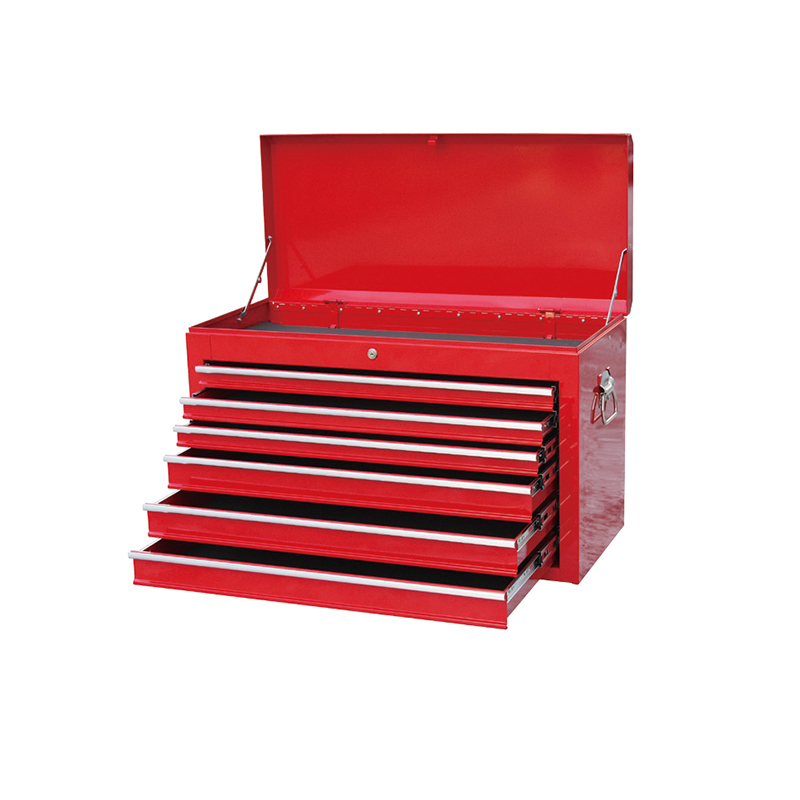
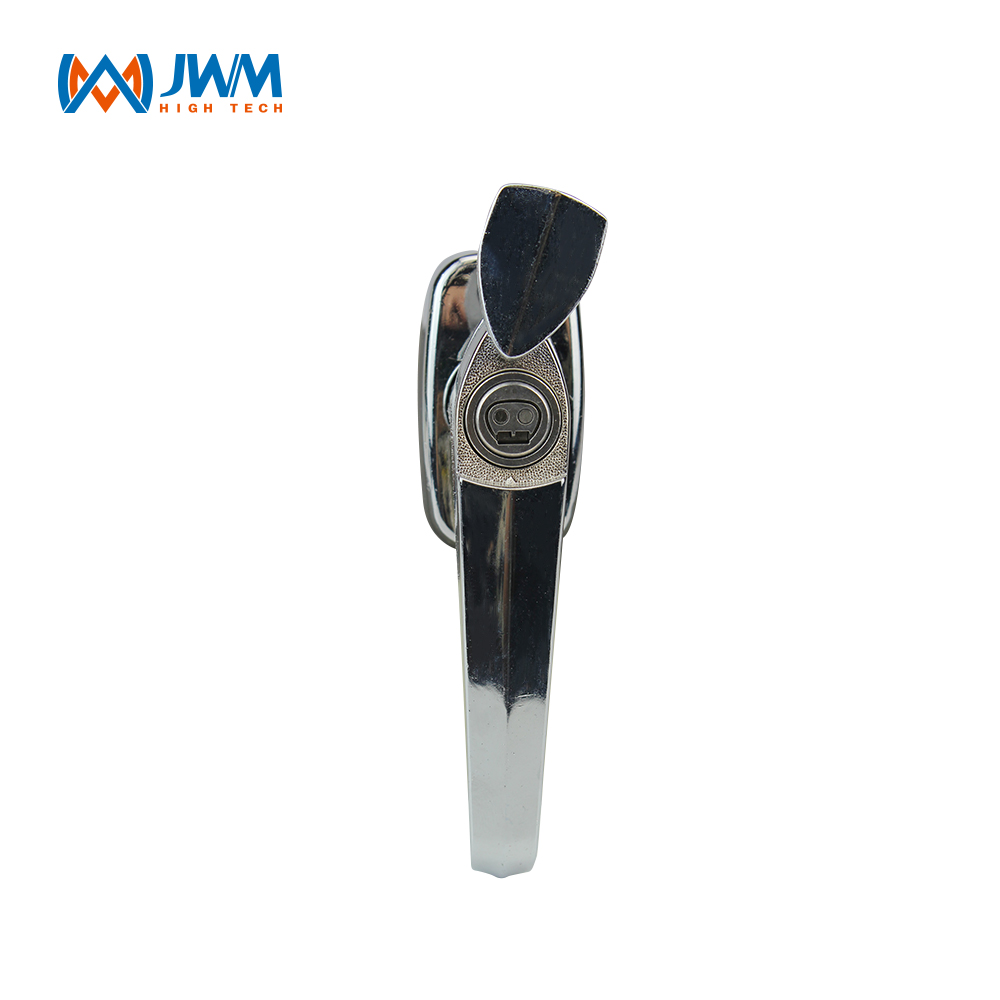
Pay close attention to hardware integration. Latches, hinges, and drawer slides are the most common points of failure.
Pre-Shipment Quality Control Checks
- Hinge Alignment: Verify that piano hinges or continuous hinges are perfectly aligned to prevent lid binding or uneven gaps.
- Powder Coat Adhesion: Conduct cross-hatch adhesion tests to ensure the coating will resist chipping and subsequent rust.
- Latch Tension: Measure the draw-pull tension on over-center latches; too loose compromises security, too tight causes user fatigue.
- Load Testing: Apply maximum rated weight to handles and internal trays to check for material deflection or rivet failure.
- Water Resistance: For weather-sealed boxes, ensure EVA or rubber gaskets provide continuous compression without gaps.
When sourcing custom designs or modifying existing molds, partnering with a facility that offers robust OEM/ODM Services ensures that structural reinforcement ribs (in plastics) or gussets (in metals) are engineered correctly from the start.
Sourcing Mechanics: MOQs, Tooling, and Shipping
Understanding the unit economics of tool boxes requires looking beyond the raw material index. Shipping volume often eats into margins faster than production costs.
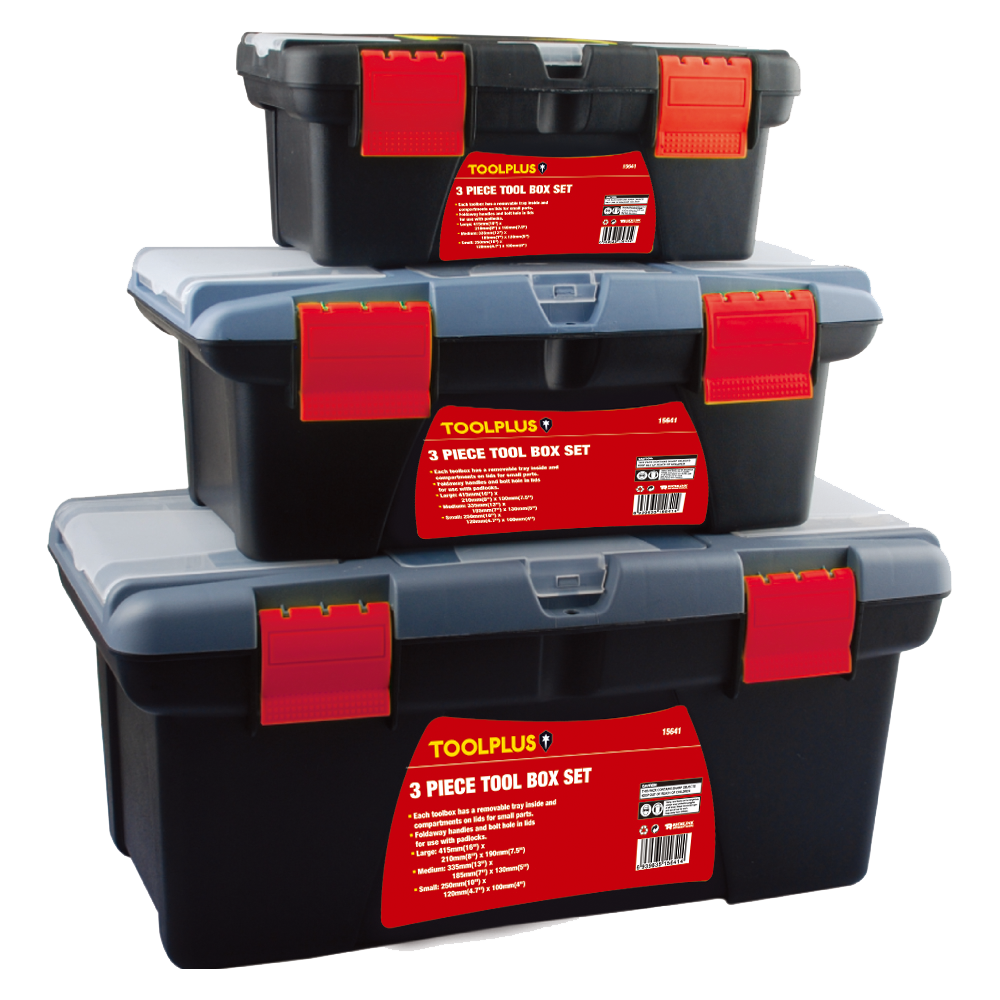
Tool boxes are inherently "shipping air." To optimize freight costs, experienced buyers work with factories to design nesting capabilities where smaller boxes fit inside larger ones, or ship components knocked-down (KD) if applicable, though fully welded metal boxes rarely offer this luxury.
Before committing to expensive tooling or large volume orders, conducting comprehensive Factory Audits is essential. You must verify that the supplier actually owns the injection machines or metal presses, rather than subcontracting your order to a lower-tier facility with inferior quality standards.
Don't let shipping inefficiencies or hidden tooling costs erode your margins. We help buyers optimize their product design for freight and negotiate favorable OEM terms.
Talk to our teamFrequently Asked Questions
Successfully sourcing tool boxes at scale requires strict oversight of material gauges, hardware tolerances, and freight optimization. Relying solely on a supplier's spec sheet is a risk; professional verification at the factory level ensures your product performs as promised in the field.
Get Sourcing Help for Tool Boxes
Tell us your requirements and our experts will connect you with verified manufacturers.