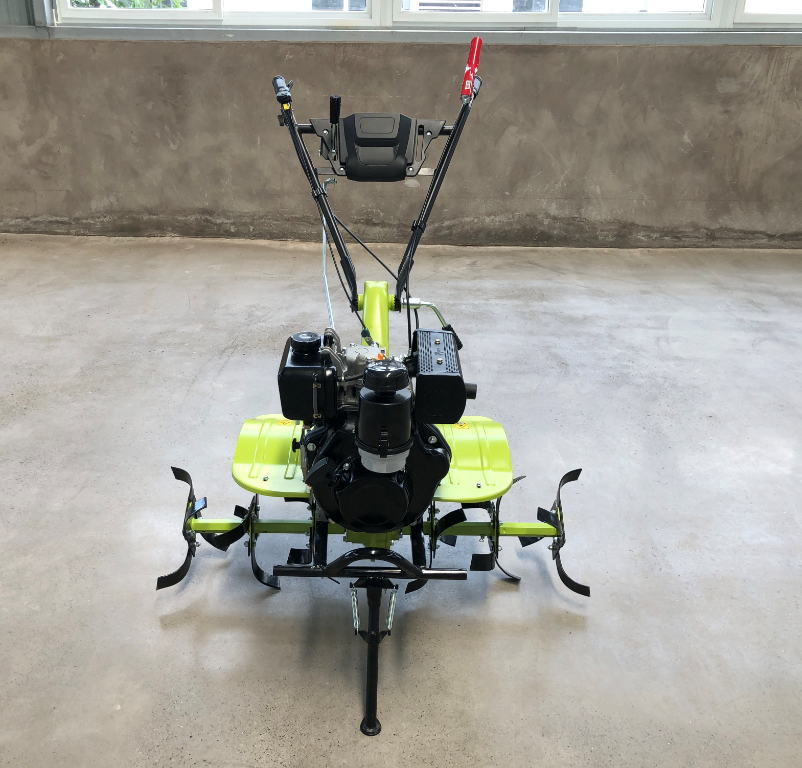
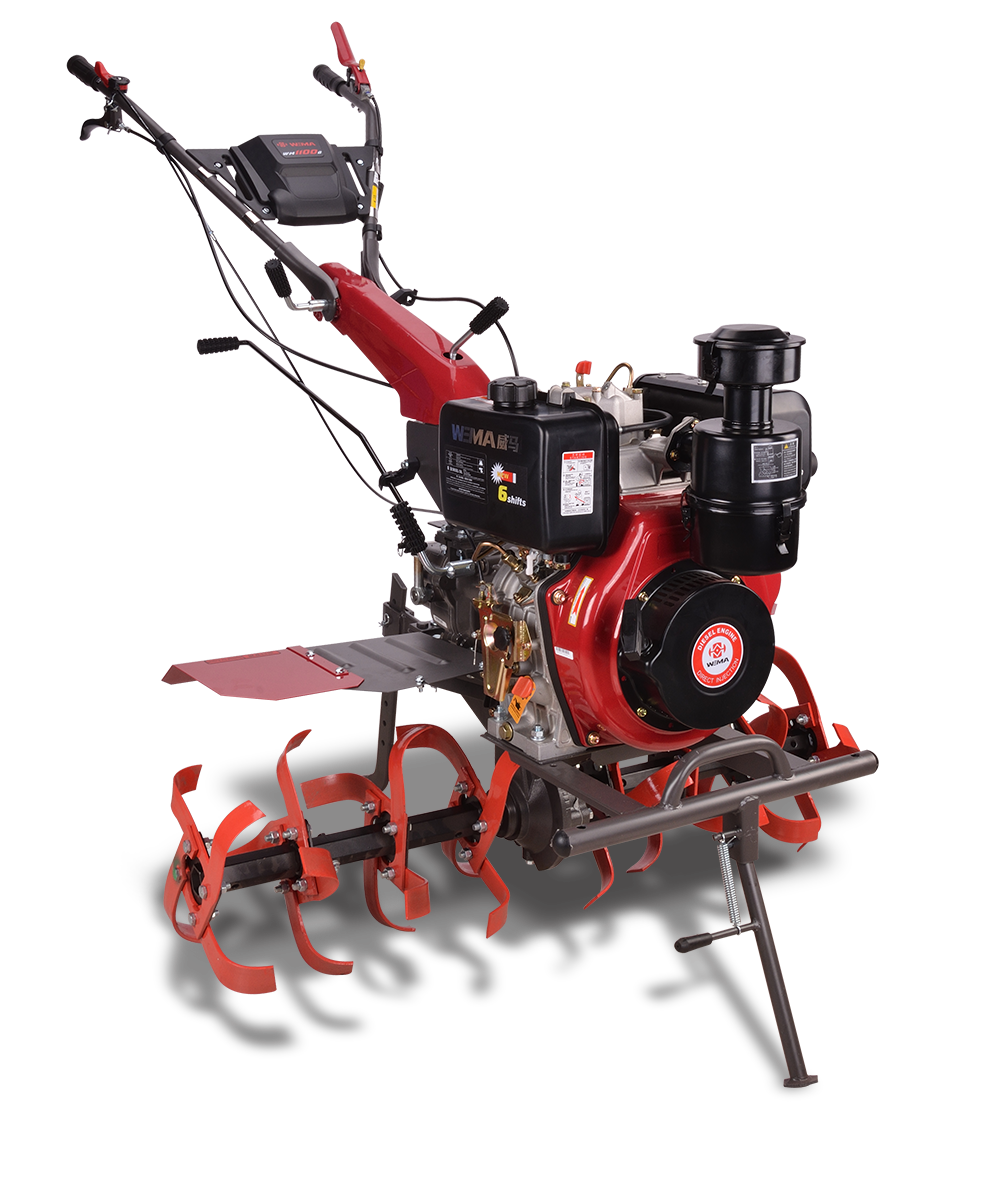
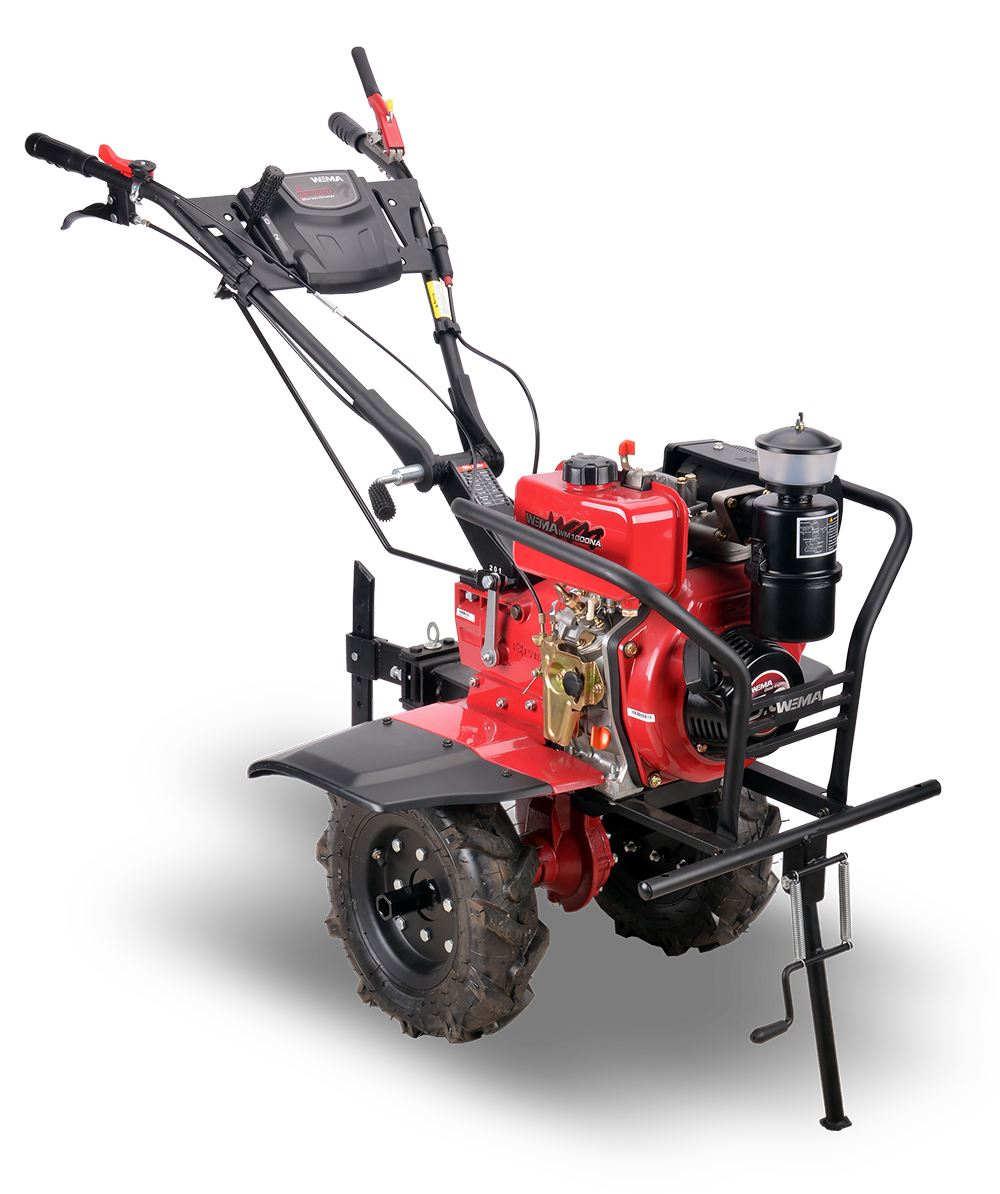
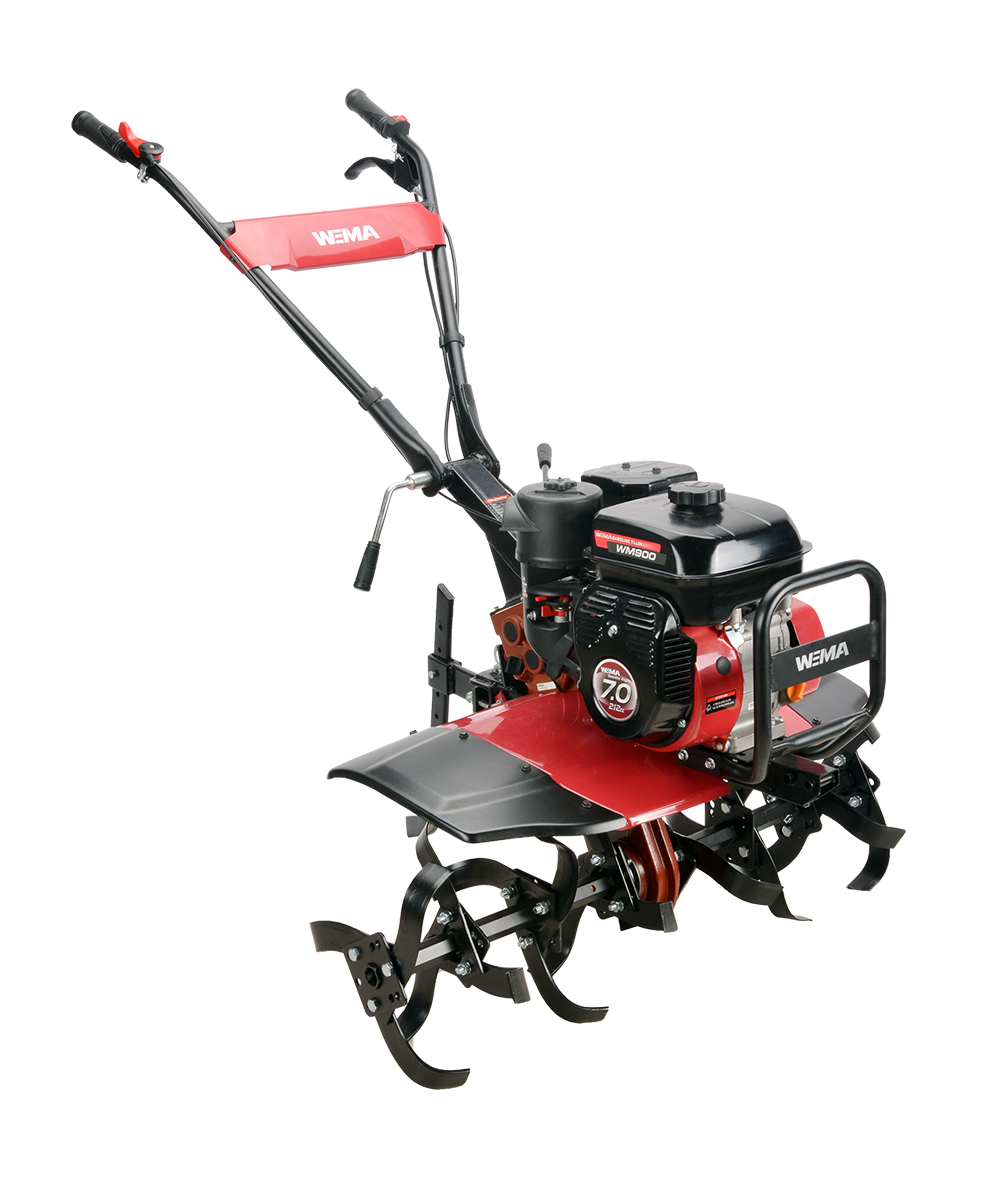
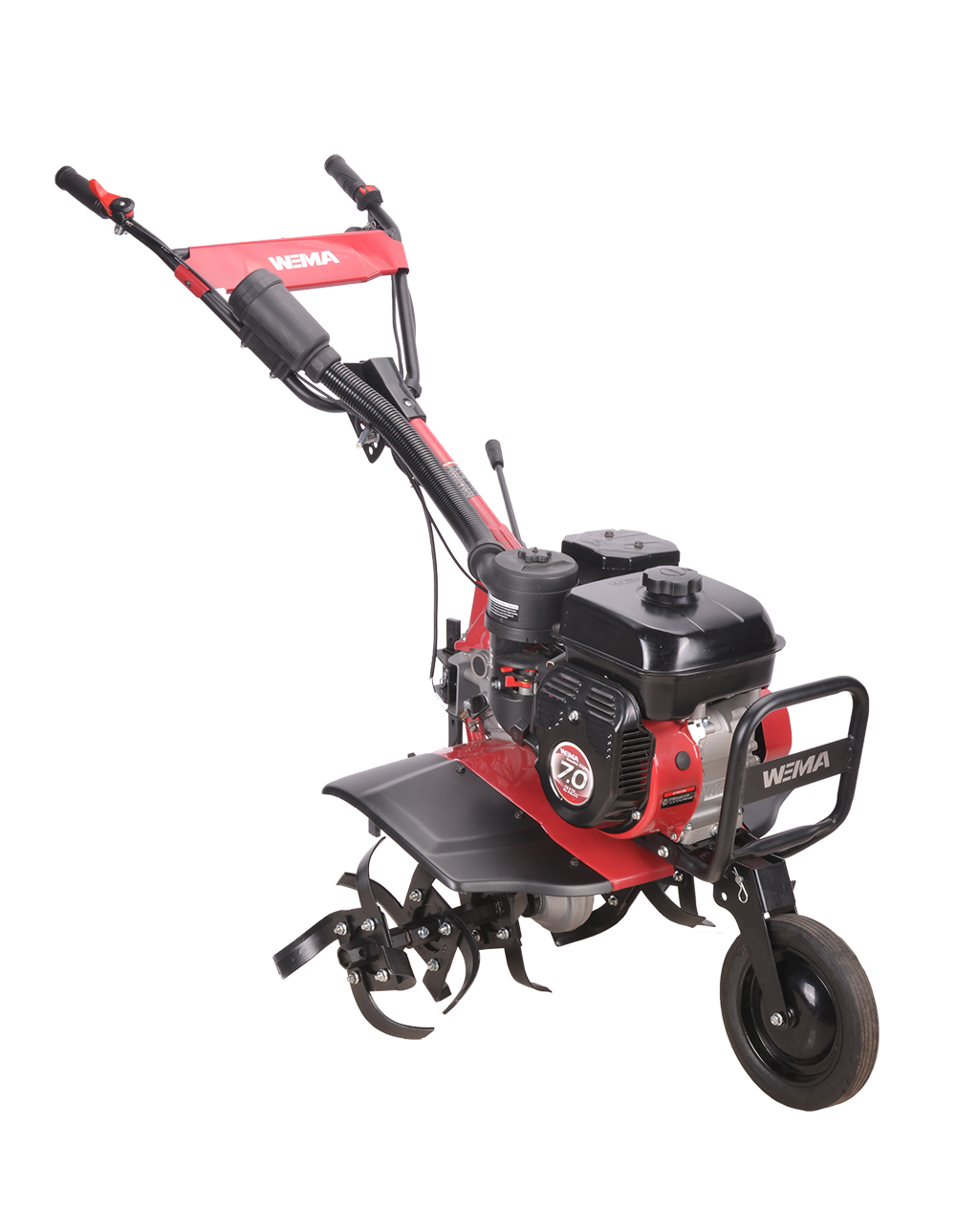
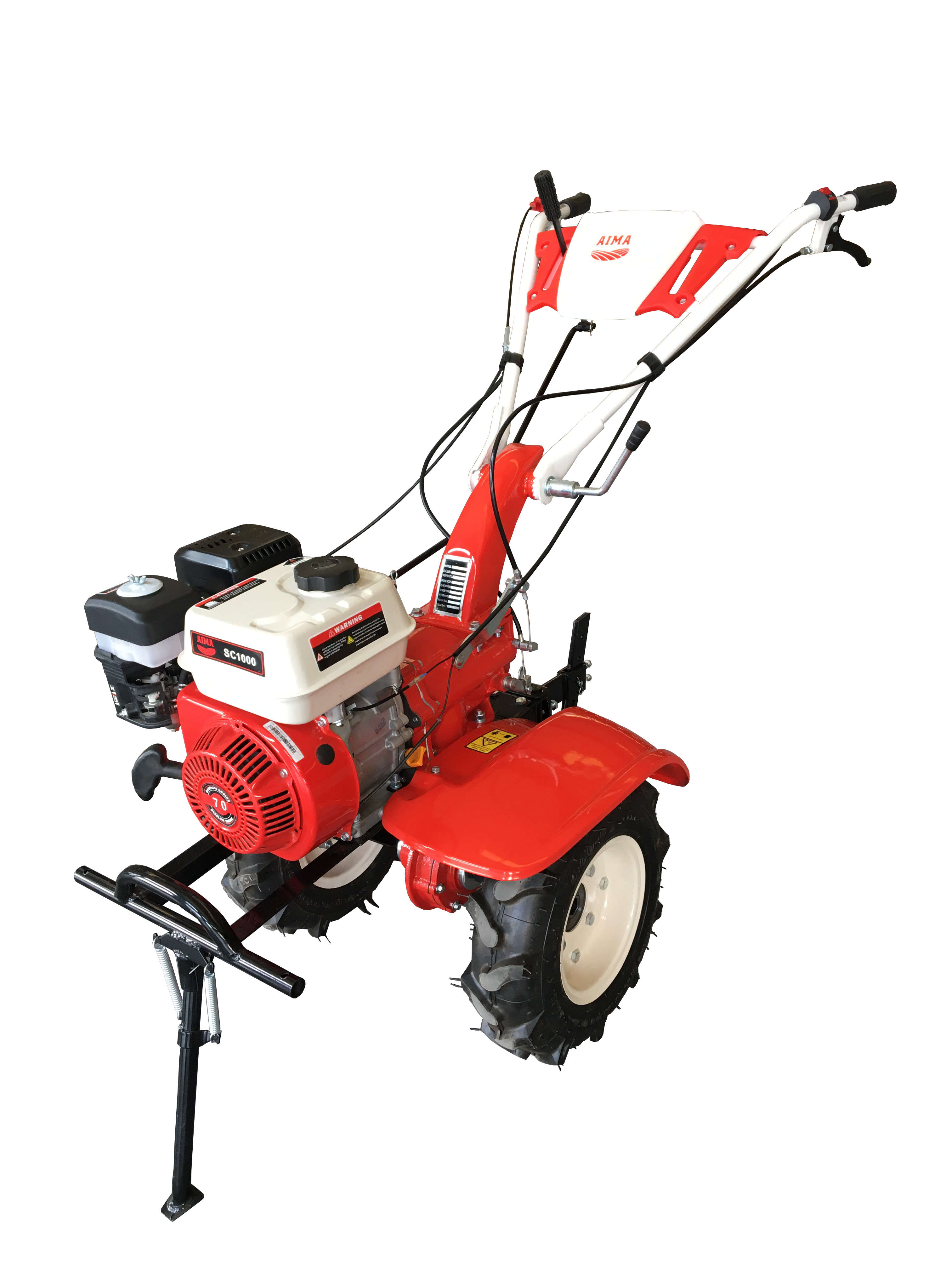
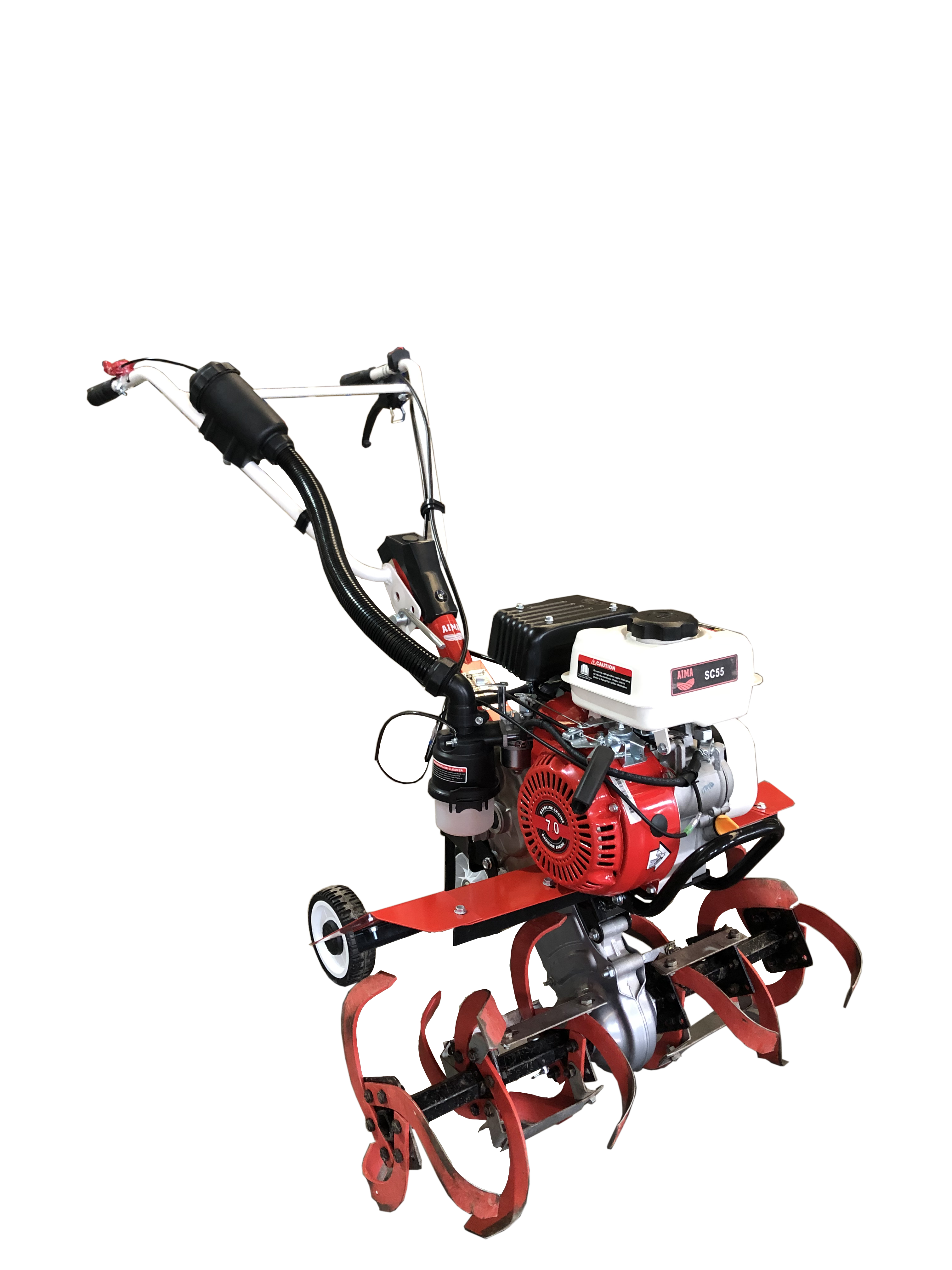
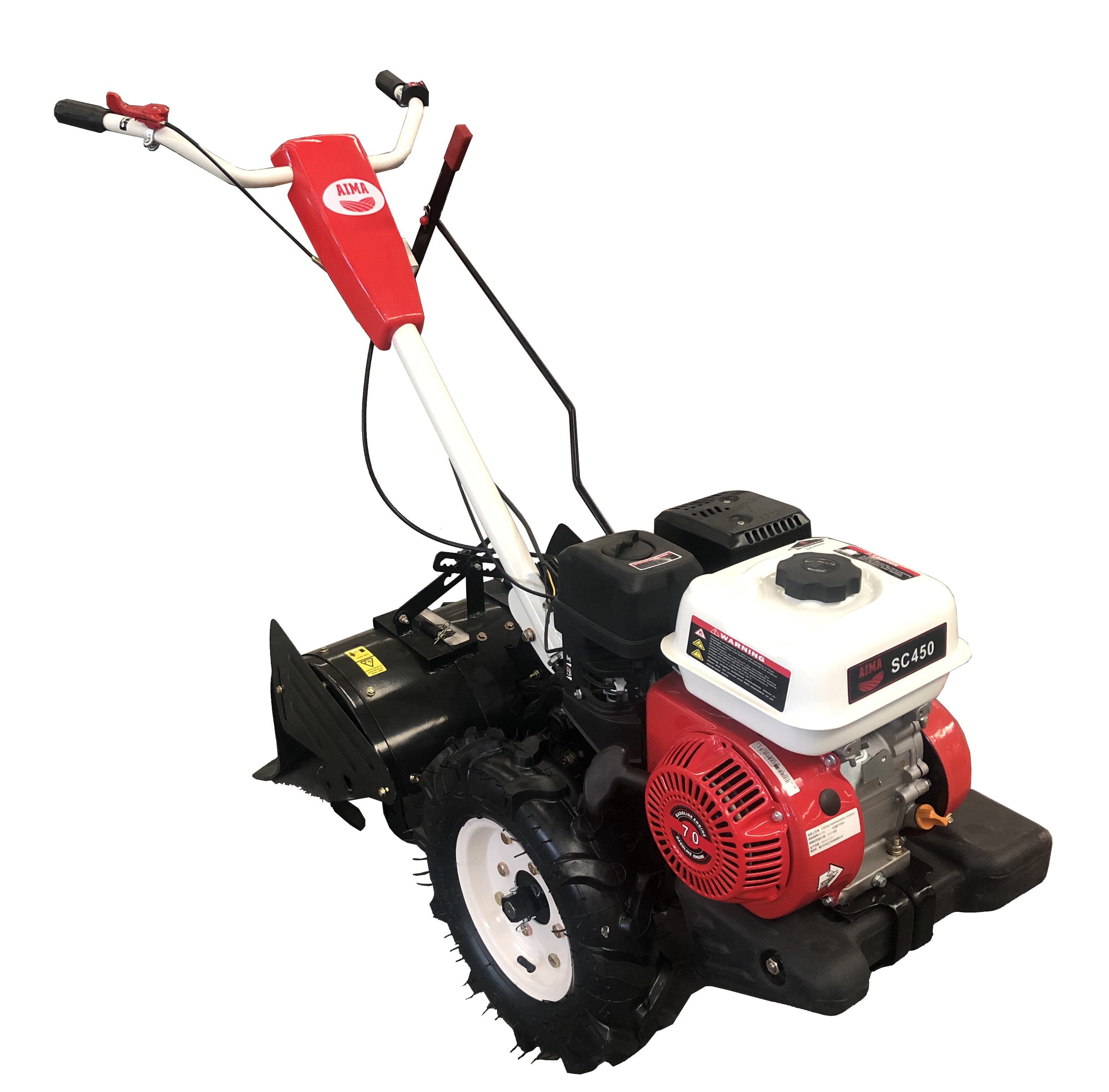
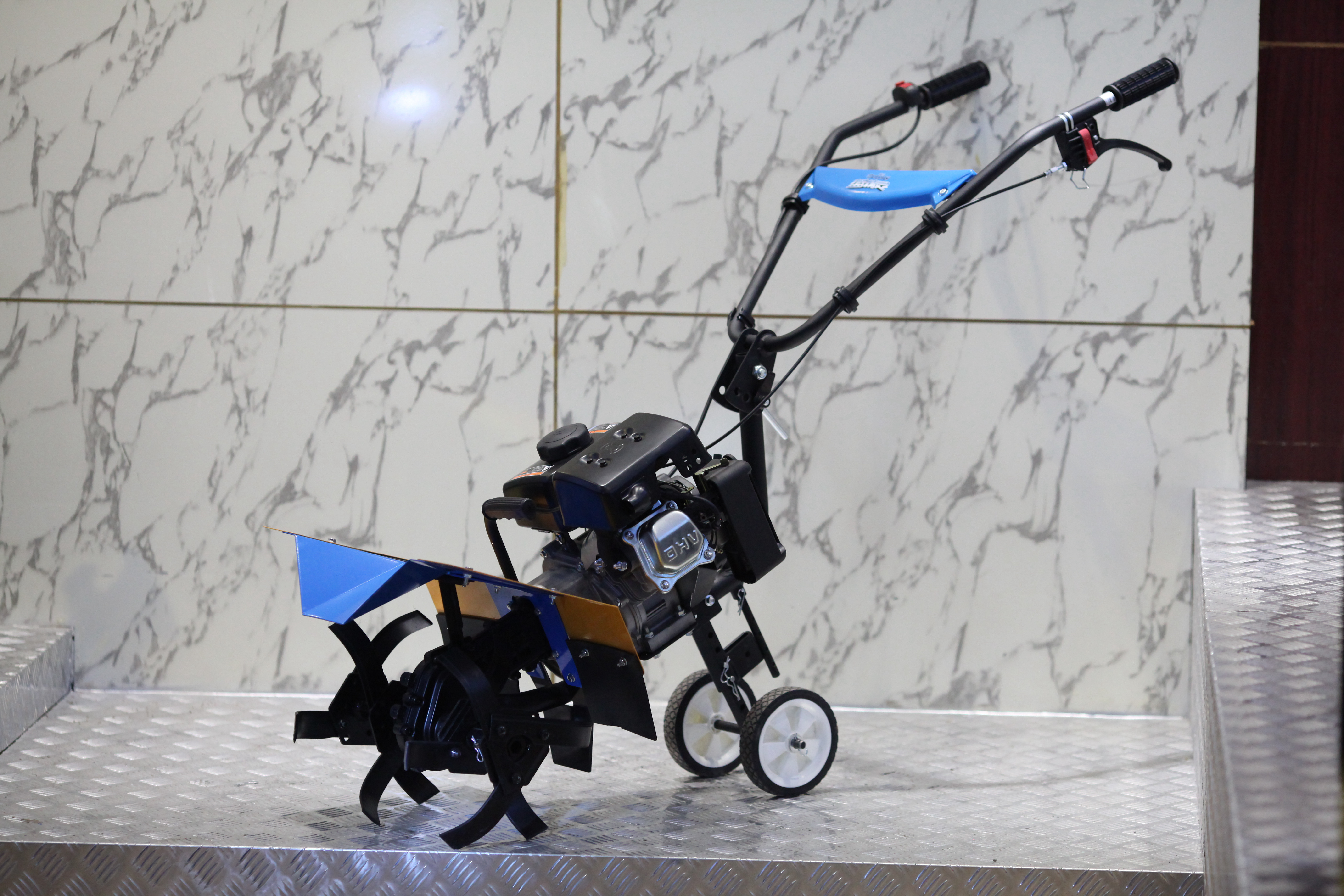
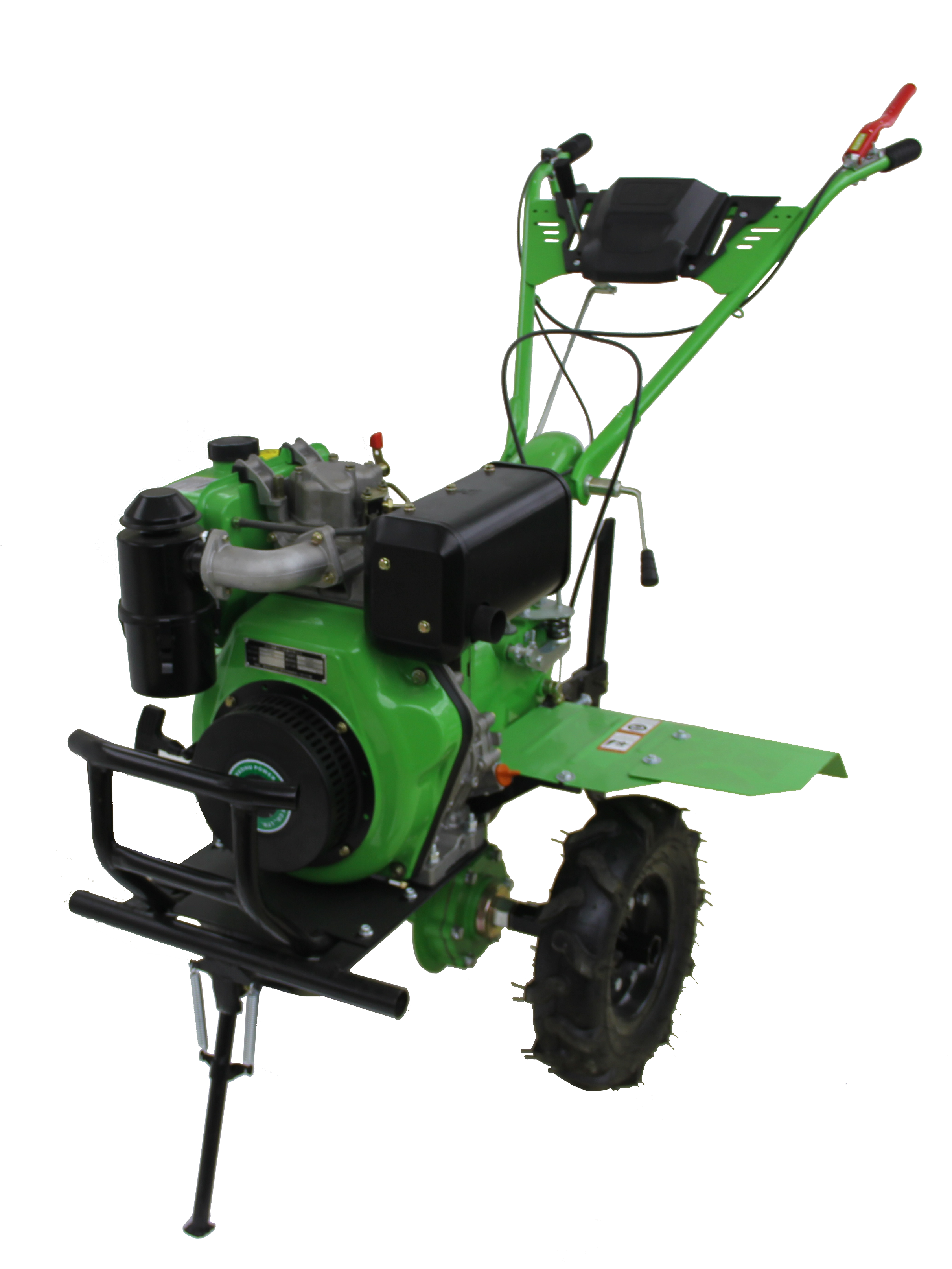
Tiller
Source reliable, high-performance tillers in bulk from vetted Chinese manufacturers and suppliers. Designed for agricultural machinery importers, wholesale distributors, and brands requiring private-label or OEM production. Secure competitive wholesale pricing with direct factory access and end-to-end supply chain support.
Sourcing agricultural tillers at scale requires balancing engine reliability, transmission durability, and unit cost. Because these machines operate in high-vibration, dust-heavy environments, minor compromises in metallurgy or gearbox assembly on the factory floor translate directly to field failures and warranty claims. For importers and wholesale distributors, success depends on strictly defining specifications and verifying manufacturer capabilities before production begins.
Key Technical Specifications for Bulk Buyers
When negotiating with manufacturers, vague specifications invite cost-cutting. You must clearly define the powertrain, transmission, and soil-engaging components.
Engine and Powertrain
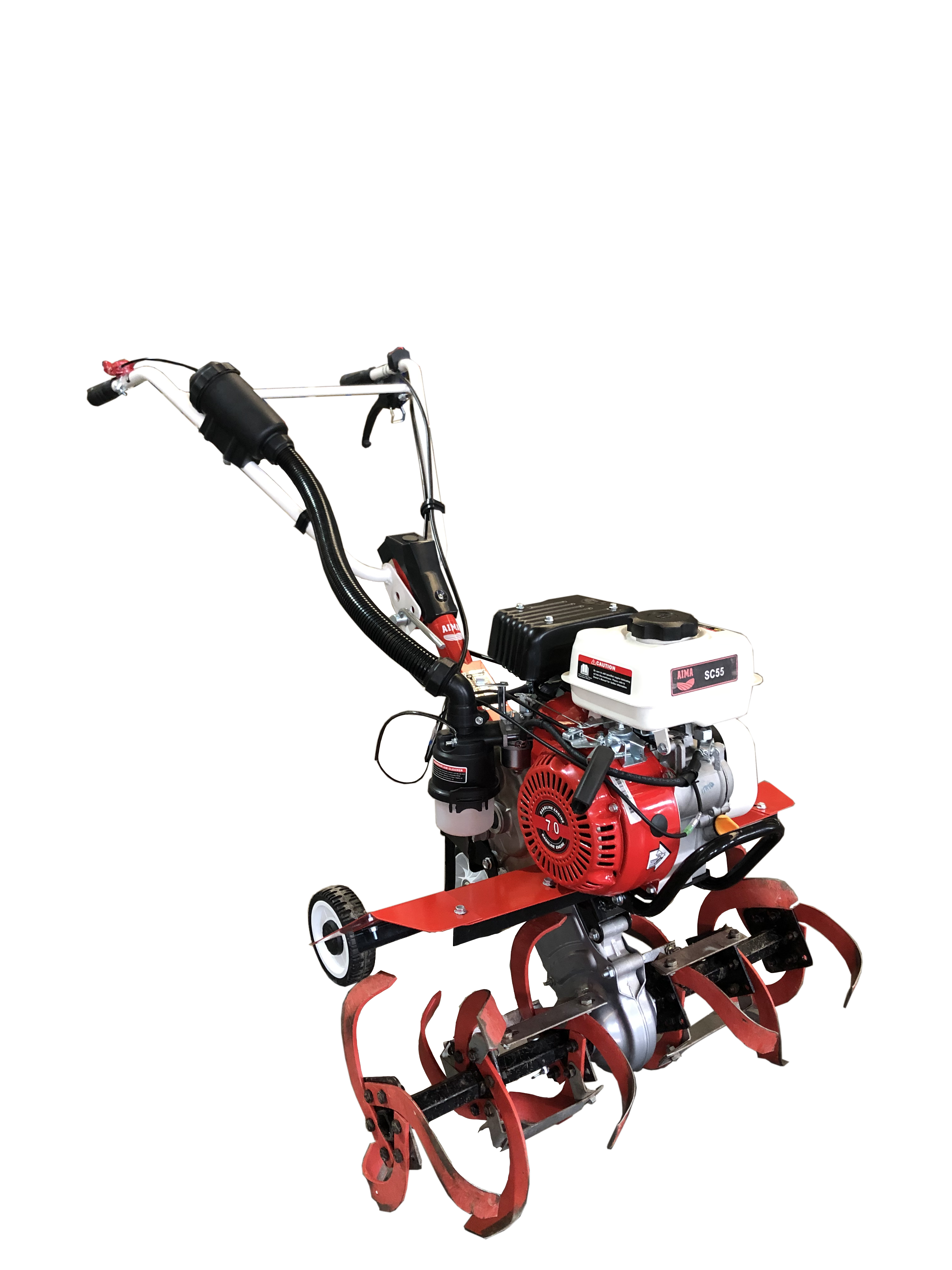
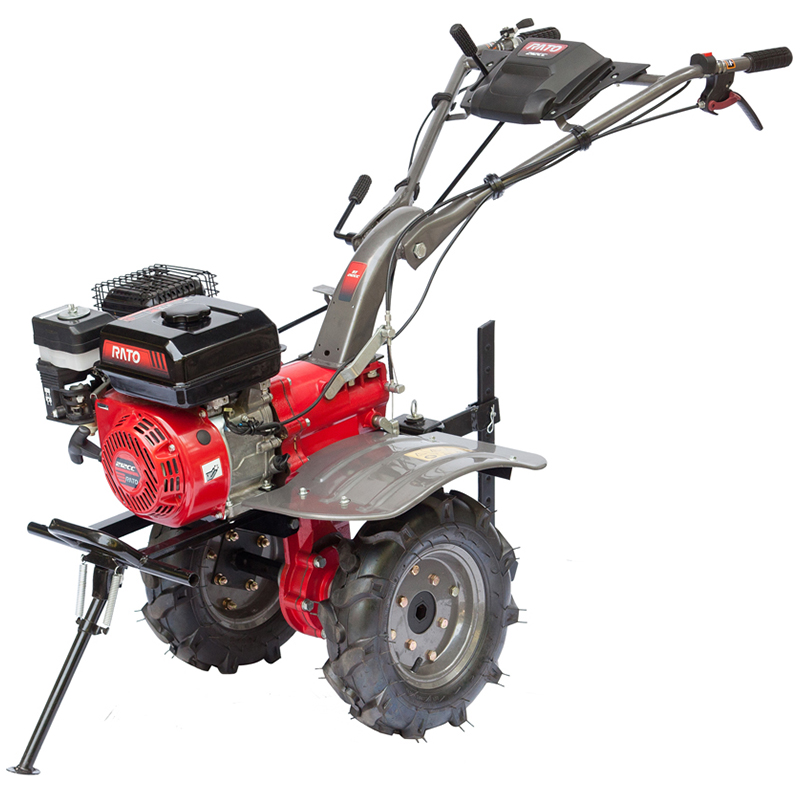
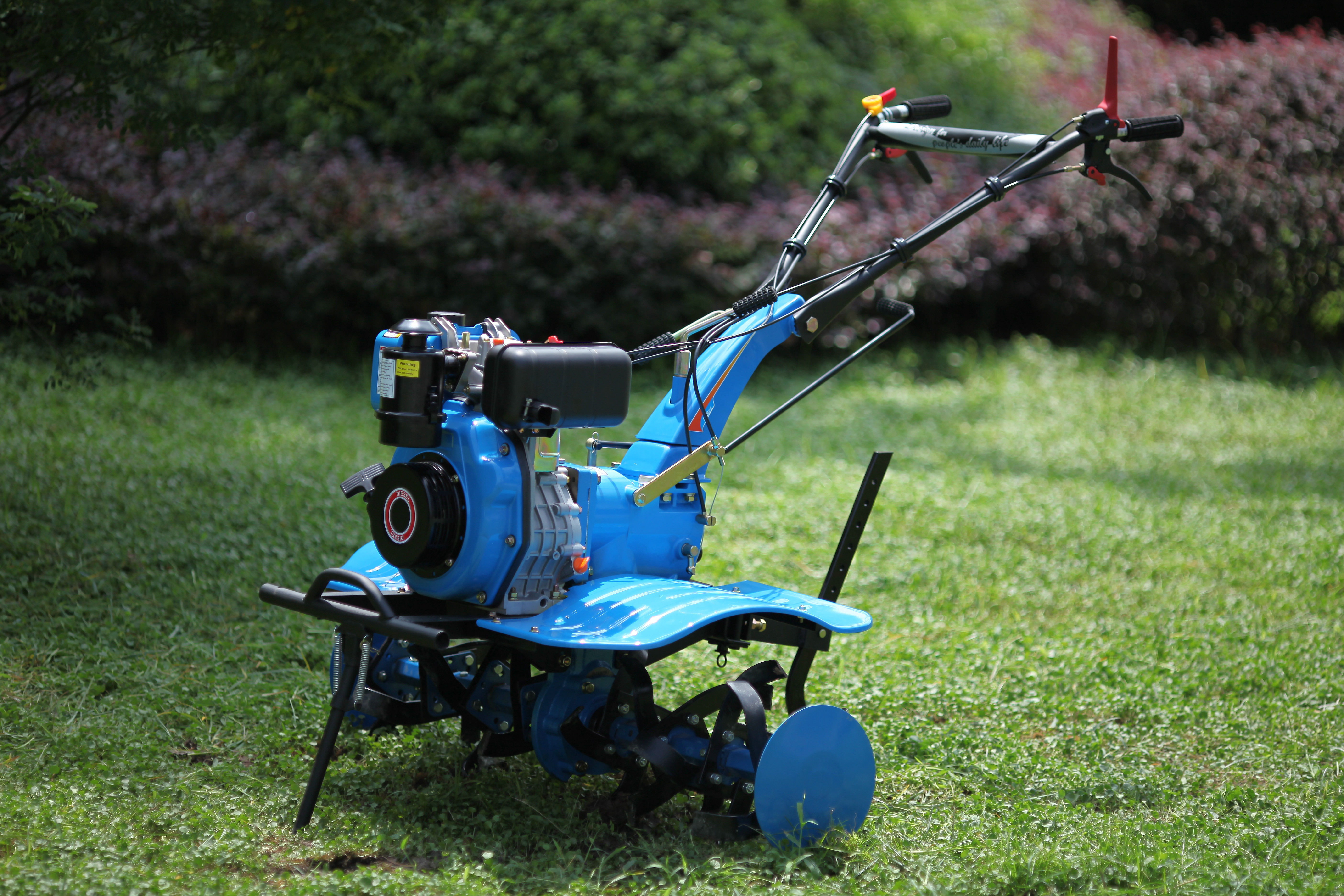
The engine is the most expensive component of the tiller. Manufacturers typically offer a choice between domestic Chinese engines (like Zongshen or Loncin) and imported brands (like Honda or Briggs & Stratton). For most commercial and prosumer applications, top-tier domestic engines provide an excellent cost-to-performance ratio, provided they meet your target market's emission standards. Specify the displacement (e.g., 196cc, 212cc, or 420cc) and the engine type (air-cooled 4-stroke gasoline or diesel).
Transmission Systems
The transmission dictates the tiller's lifespan in hard soil. Belt-driven models are cost-effective and easier to maintain for light consumer use, but gear-driven transmissions are mandatory for heavy-duty or commercial applications.
| Specification | Light/Consumer Duty | Heavy/Commercial Duty |
|---|---|---|
| Transmission Type | Belt & Chain | Direct Gear-Driven |
| Gearbox Housing | Stamped Steel or Aluminum | Cast Iron |
| Tine Material | Standard Carbon Steel | 65Mn Steel (Tempered) |
| Air Filtration | Single-stage foam | Dual-element or Oil-bath |
Need help verifying a manufacturer's technical capabilities? Our engineers can review specs and audit facilities on your behalf.
Talk to our teamManufacturing Quality and Defect Prevention
The difference between a reliable tiller and a liability often lies in the factory's assembly and testing protocols. Assessing a supplier's assembly line through comprehensive Factory Audits is critical before placing a volume order.
Look for factories that machine their own gearboxes rather than outsourcing them entirely, as this allows for tighter tolerance control. A common defect in poorly manufactured tillers is oil leakage from the gearbox after just a few hours of operation, usually caused by inferior oil seals or improper torque during assembly.
Critical Factory-Level QC Checks
- Engine run-in testing: Verify that a percentage of engines are hot-tested under load.
- Gearbox sealing: Ensure pressure testing is conducted on assembled gearboxes to prevent oil leaks.
- Tine hardness: Check that 65Mn steel tines are heat-treated to HRC 45-50 for optimal wear resistance.
- Vibration testing: Confirm that handlebar mounts are tested for structural integrity and operator comfort.
- Coating durability: Powder coating thickness should be verified to prevent rapid rusting in agricultural environments.
Implementing rigorous quality control inspections—both during production and pre-shipment—ensures these standards are met before the container is loaded.
Sourcing Realities: MOQs, Pricing, and Customization
Buying tillers wholesale is a capital-intensive process heavily influenced by freight economics. Because tillers are bulky, orders are almost always calculated by container volume.
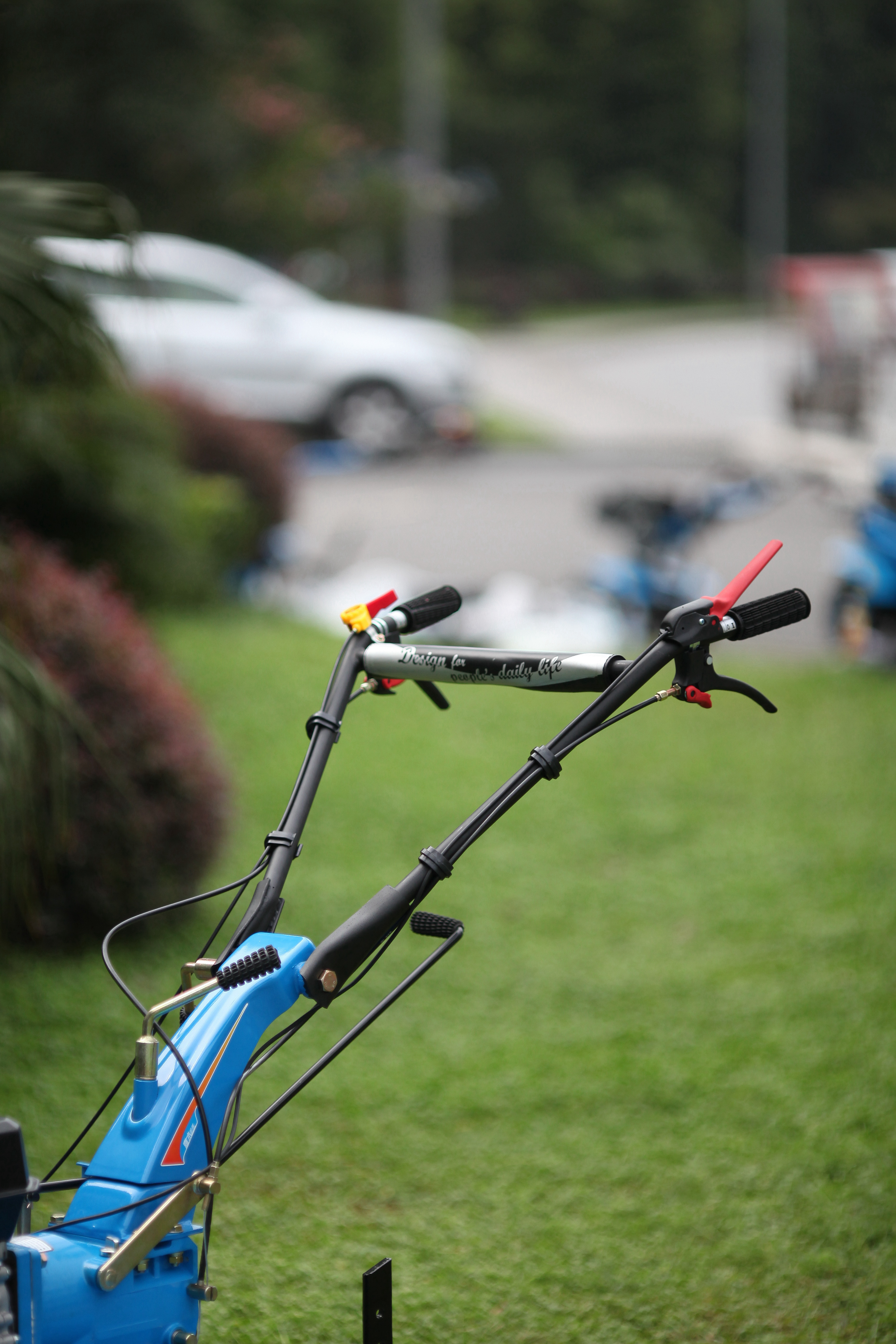
If you are building your own brand, OEM/ODM Services allow you to customize the shroud design, paint colors, handlebar configurations, and branded packaging. Expect higher MOQs (often a 40HQ container) if you require custom molds for plastic components or proprietary engine cowlings.
Ready to optimize your agricultural machinery supply chain? Let's discuss your sourcing requirements and pricing targets.
Get a free consultationFrequently Asked Questions
Sourcing tillers successfully means looking past the initial unit price and focusing on component quality, engine compliance, and factory reliability. Partnering with experienced sourcing professionals ensures your specifications are met, your risks are managed, and your machinery performs reliably in the field.
Get Sourcing Help for Tiller
Tell us your requirements and our experts will connect you with verified manufacturers.