Telecom Parts
Source high-grade Telecom Parts from vetted suppliers and manufacturers across Asia. Designed for importers, distributors, and brands requiring OEM/private-label production, our network provides bulk pricing and reliable sourcing for critical telecommunications infrastructure components, ensuring strict tolerance and compliance.
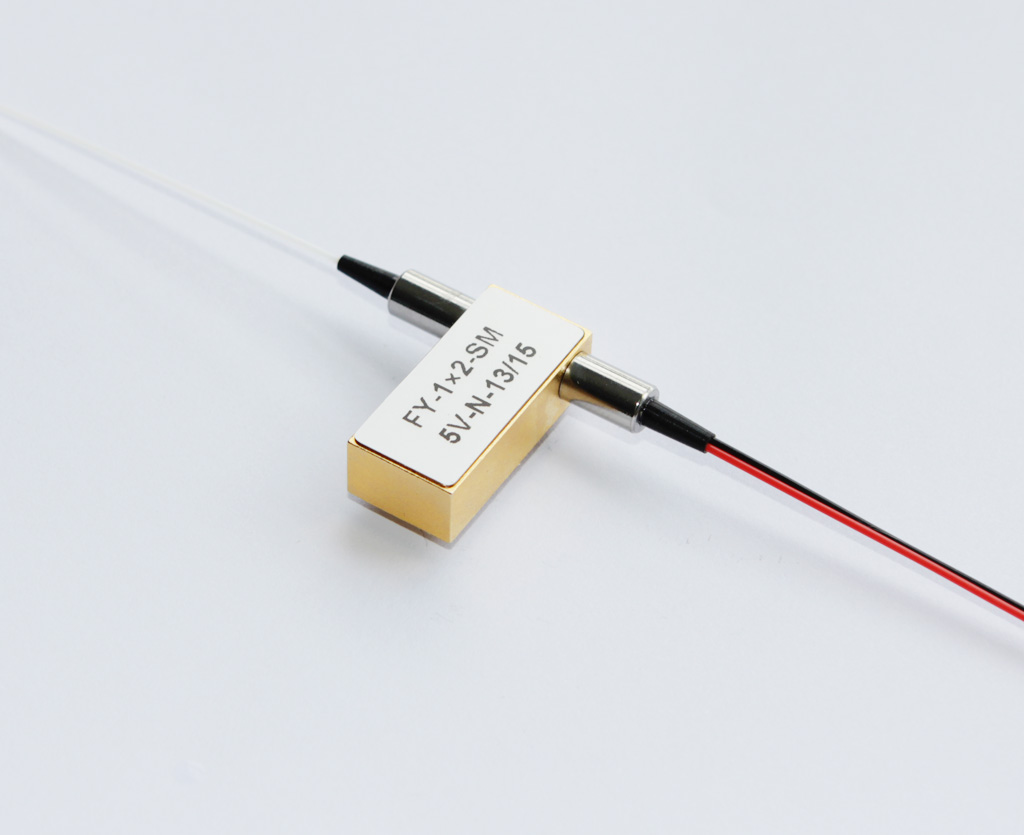
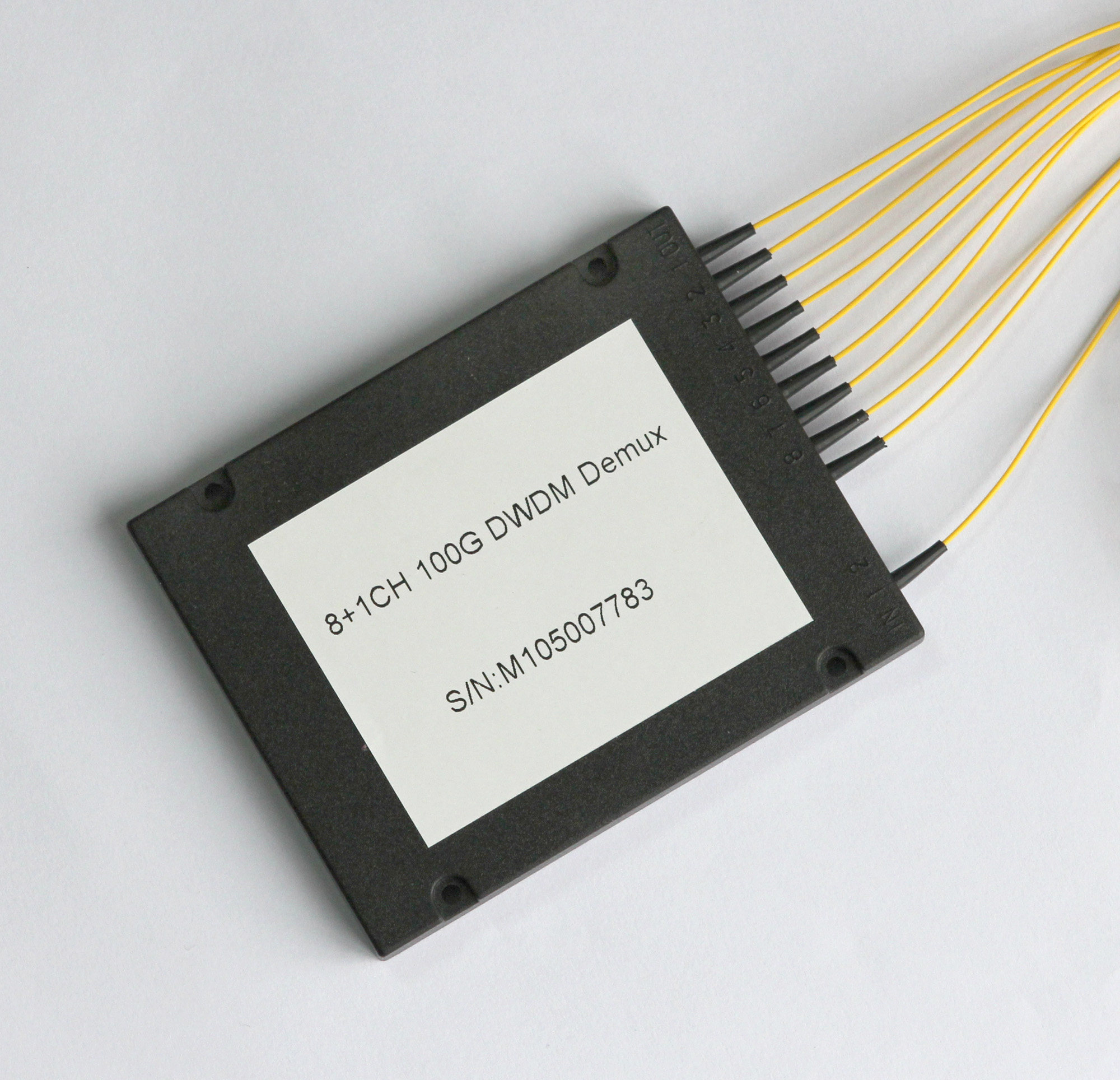
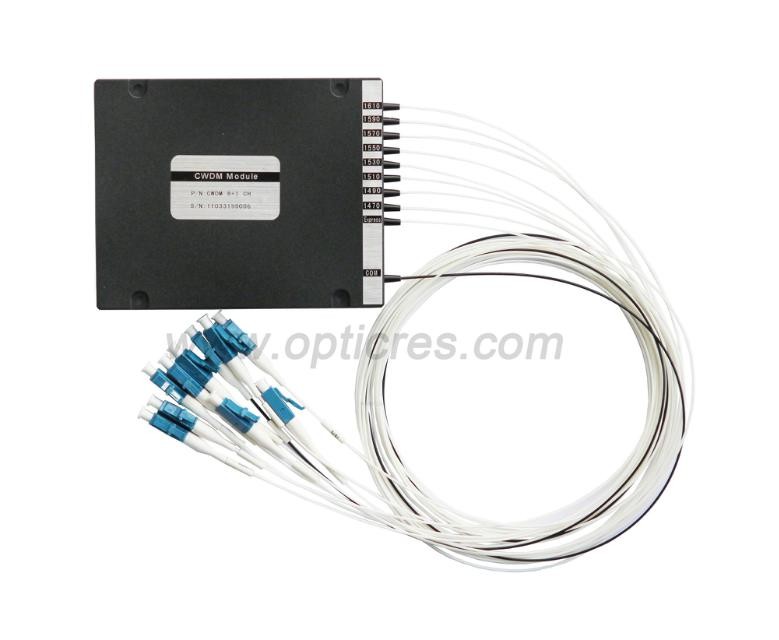
Sourcing telecom parts—whether passive optical components, RF connectors, or machined base station enclosures—requires balancing aggressive cost targets with zero-defect reliability. In telecommunications infrastructure, a single degraded signal, impedance mismatch, or thermal failure can cascade into costly network downtime. Success in this category depends on partnering with manufacturers who understand strict tolerances, material purity, and rigorous testing protocols, rather than general electronics assemblers.
Defining Specifications for Telecom Infrastructure
The difference between a consumer-grade electronic component and a carrier-grade telecom part lies entirely in the specifications and the consistency of the manufacturing run. When sourcing in bulk, failing to specify exact tolerances leads to high rejection rates during deployment.
For RF and microwave components, impedance matching and Voltage Standing Wave Ratio (VSWR) are critical. For optical components, insertion loss and return loss dictate performance. You must clearly define these parameters in your initial supplier RFQ.
| Parameter | Standard Commercial | Carrier-Grade |
|---|---|---|
| VSWR (RF Connectors) | Under 1.3 | Under 1.15 |
| Insertion Loss (Optical) | 0.3 dB max | 0.15 dB max |
| Operating Temperature | -20°C to 70°C | -40°C to 85°C |
| Plating Thickness (Gold) | Flash (1-3 microinches) | 15 to 30 microinches |
Manufacturing Tolerances and Factory Floor Realities
Telecom parts require specialized manufacturing environments. For instance, CNC machining for RF enclosures and waveguides must be exceptionally precise; even microscopic burrs or tool marks can cause Passive Intermodulation (PIM), ruining signal integrity. Similarly, optical ferrules and splitters require injection molding and assembly within ISO-certified cleanrooms to prevent dust contamination.
Before committing to a production run, it is highly recommended to conduct thorough Factory Audits to verify the facility's actual capabilities, equipment maintenance logs, and quality management systems. Look specifically for TL 9000 certification, which is a telecom-specific extension of ISO 9001 focusing on supply chain directives and defect tracking.
Key Factory Capabilities to Verify
- In-house Vector Network Analyzers (VNAs) calibrated regularly.
- Dedicated anechoic chambers for PIM testing on RF components.
- Appropriate ISO class cleanrooms for optical component assembly.
- Traceability systems linking raw material batches to finished serial numbers.
- Automated optical inspection (AOI) for telecom PCB assemblies.
Need to verify a telecom component supplier's technical capabilities? Let our engineers handle the vetting and factory audits.
Talk to our teamQuality Control and Regulatory Compliance
Defect detection must happen on the factory floor, not after the goods arrive at your warehouse. Implementing rigorous Quality Control & Inspection protocols is non-negotiable. This includes in-line testing during production and pre-shipment inspections that sample parts against your agreed-upon AQL (Acceptable Quality Limit).
Furthermore, telecom components must adhere to strict international standards. Beyond standard RoHS and REACH compliance for hazardous materials, parts destined for carrier networks often need to meet NEBS (Network Equipment Building System) criteria, which test for extreme temperature, humidity, vibration, and spatial requirements. Navigating Compliance & Testing early in the sourcing process prevents customs seizures and client rejections.
Typical MOQs, Lead Times, and Pricing Drivers
Pricing in telecom parts is heavily driven by raw material costs (such as copper, gold for plating, and specialized dielectric plastics) and the precision of the tooling required. Custom heat sinks or die-cast base station enclosures will require significant upfront tooling investments, whereas standard fiber optic patch cords or SMA connectors can be sourced with lower barriers to entry.
Looking to negotiate better pricing and lower MOQs for your telecom supply chain? See how our sourcing volume works to your advantage.
Get a free consultationFrequently Asked Questions
Securing a reliable supply of telecom parts requires moving beyond simple price comparisons. By focusing on factory capabilities, strict adherence to technical specifications, and robust in-line quality control, you can build a resilient supply chain that meets the demanding standards of modern telecommunications infrastructure.
Get Sourcing Help for Telecom Parts
Tell us your requirements and our experts will connect you with verified manufacturers.