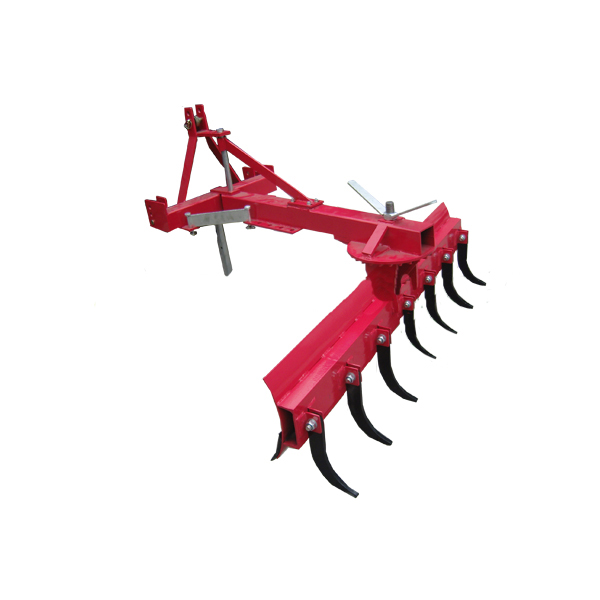
Subsoiler
Source heavy-duty subsoilers from vetted manufacturers and suppliers in China. Designed for agricultural machinery importers, wholesalers, equipment distributors, and brands looking for reliable OEM production, our catalog features bulk soil preparation implements engineered for maximum durability and deep-tillage performance.
Sourcing agricultural subsoilers at volume requires strict attention to metallurgical integrity and structural design. Because these implements operate at extreme depths to shatter hardpan and improve soil drainage, the operational stresses are immense. Frame failure, premature shank wear, or improper tractor linkage directly impacts end-user productivity and your brand's reputation in the agricultural equipment market.
Critical Specifications for Heavy-Duty Subsoilers
When negotiating with manufacturers, specifying the exact dimensions and material grades is non-negotiable. Off-the-shelf models from agricultural clusters in Shandong or Jiangsu often default to standard carbon steel, which may not survive rocky soils or high-horsepower (HP) tractor applications.
Key specification areas include:
- Shank (Tine) Material: The industry standard for high-performance subsoiler shanks is Boron steel or heat-treated 65Mn (manganese steel). These offer the necessary tensile strength and abrasion resistance.
- Frame Wall Thickness: Heavy-duty V-frames or straight-bar frames require seamless steel tubing with a minimum wall thickness of 8mm to 12mm, depending on the number of shanks.
- Working Depth & Clearance: Standard subsoilers operate between 300mm and 600mm deep. Ensure under-frame clearance is specified to prevent crop residue buildup.
- Hitch Compatibility: Implements must precisely match standard Category 1, 2, or 3 three-point hitch dimensions, including pin diameters and spacing.
| Protection Mechanism | How It Works | Ideal Application |
|---|---|---|
| Shear Bolt | A sacrificial bolt snaps upon striking a solid object, allowing the shank to pivot back. | Fields with minimal to moderate rock content; budget-conscious buyers. |
| Auto-Reset (Spring/Hydraulic) | Mechanism absorbs the shock and automatically returns the shank to working position. | Highly rocky soils; professional contractors requiring zero downtime. |
Manufacturing Standards and Defect Prevention
The difference between a premium subsoiler and a failing unit is almost always found in the factory's welding and heat-treatment processes. Poor weld penetration on the main frame leads to catastrophic failure under the draft load of a 150+ HP tractor.
Before committing to a bulk order, it is highly recommended to conduct thorough factory audits to verify the supplier's in-house capabilities, particularly their metallurgical testing and welding certifications.
Subsoiler Quality Control Checklist
- Verify heat treatment logs for shanks and points (target hardness: 45-50 HRC).
- Inspect frame welds for porosity, undercut, and proper penetration.
- Ensure replaceable wear parts (points, shin guards) fit flush without excessive play.
- Check powder coating thickness and adhesion to prevent rapid field corrosion.
- Confirm 3-point hitch pin dimensions against international ISO standards.
Need to verify a machinery manufacturer's technical capabilities? Let us audit their production lines before you place an order.
Talk to our teamOEM Customization and Regional Soil Adaptation
Importers rarely buy completely standard models; soil conditions dictate design. Whether you need winged points for maximum hardpan shattering, specific roller attachments for soil reconsolidation, or custom frame geometries, working with a factory that supports OEM/ODM services is crucial.
When customizing, clearly define the tractor horsepower range the implement is designed for. A common rule of thumb is allocating 20 to 30 HP per shank. Overbuilding a 3-shank subsoiler for a 150 HP tractor adds unnecessary weight and cost, while underbuilding it guarantees frame warping.
MOQs, Pricing Drivers, and Freight Logistics
Agricultural machinery is heavy, bulky, and expensive to ship. Subsoilers are typically shipped partially disassembled (shanks and rollers removed from the main frame) to maximize container space.
Pricing is heavily tied to global steel indices, the complexity of the protection mechanism (auto-reset is significantly more expensive than shear bolt), and the quality of the wear parts.
To ensure you don't receive a container of implements with mismatched hitch pins or missing shear bolts, implementing strict quality control & inspection prior to container loading is essential. Catching a dimensional error at the factory costs pennies; catching it in your domestic warehouse costs thousands.
Optimize your agricultural machinery supply chain. We handle supplier negotiation, quality control, and heavy freight logistics.
Get a free consultationFrequently Asked Questions
Sourcing heavy agricultural implements requires balancing raw material costs with structural integrity. By clearly defining metallurgical requirements and enforcing strict pre-shipment inspections, importers can secure highly competitive, professional-grade subsoilers that perform reliably in the field.
Get Sourcing Help for Subsoiler
Tell us your requirements and our experts will connect you with verified manufacturers.