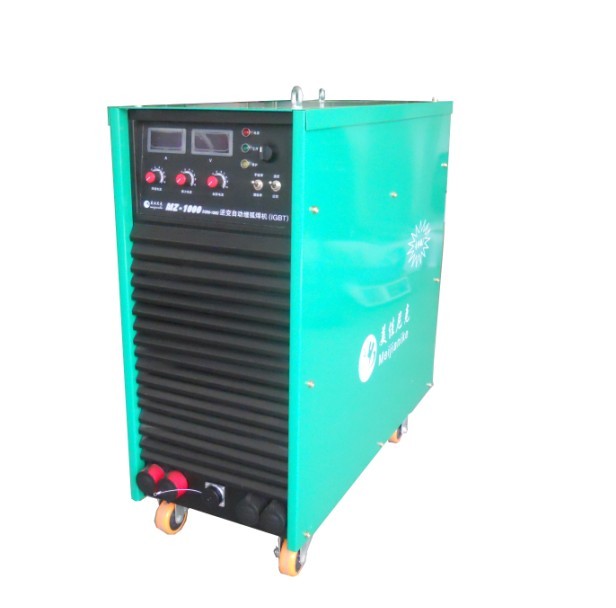
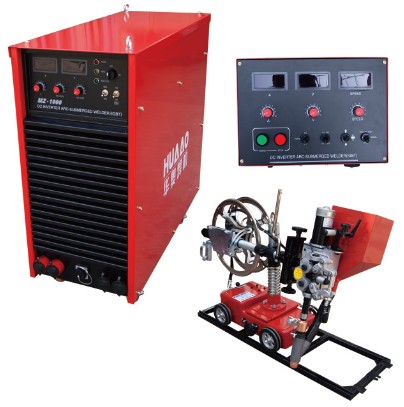
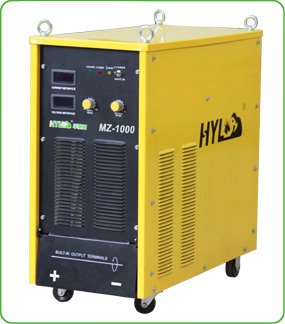
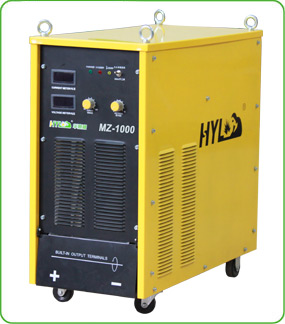
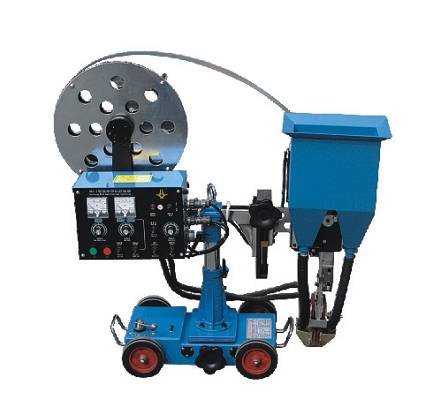
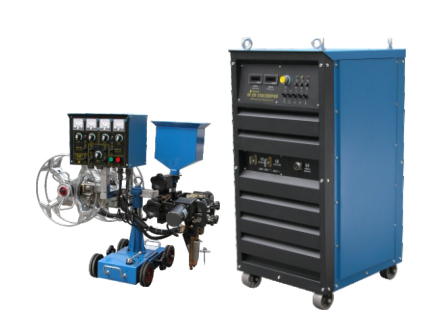
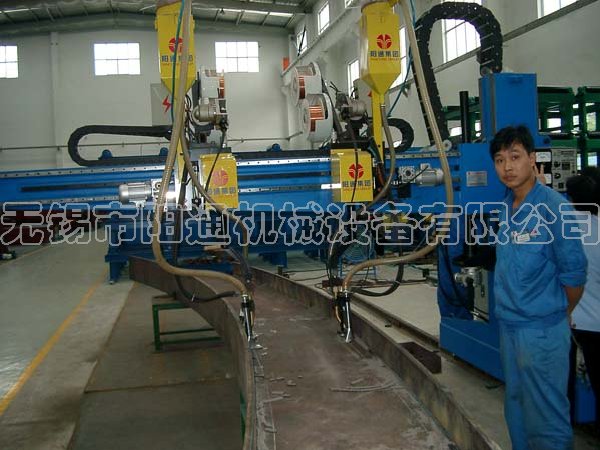
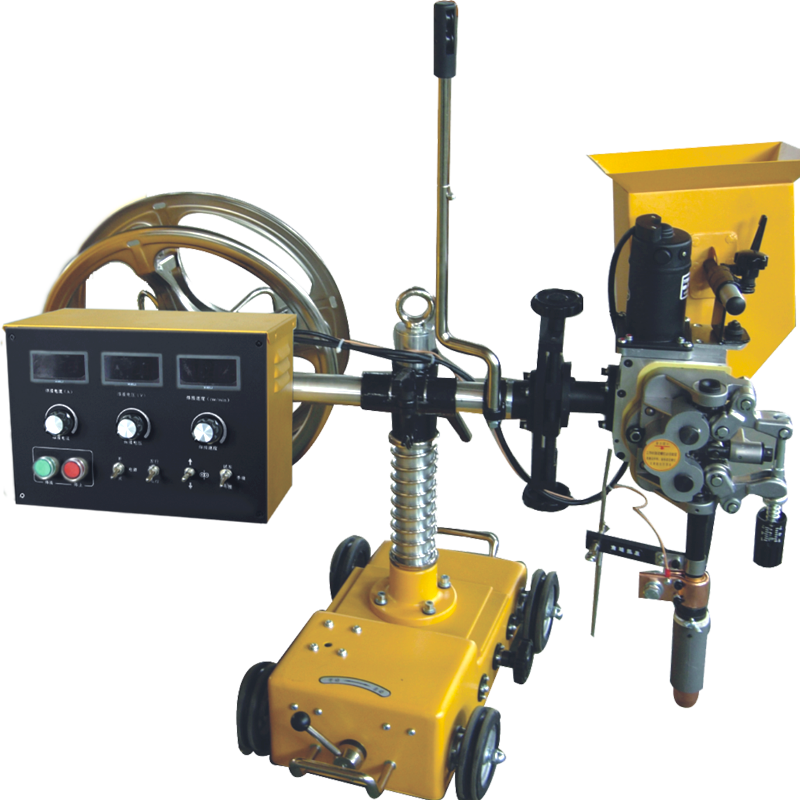
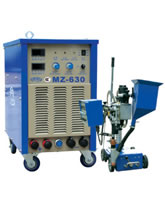
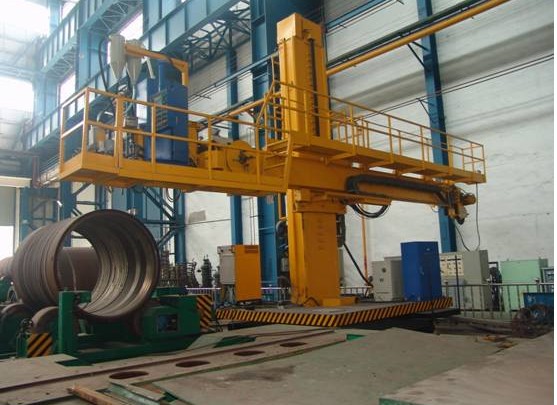
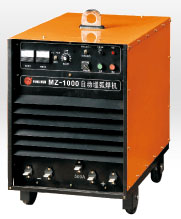
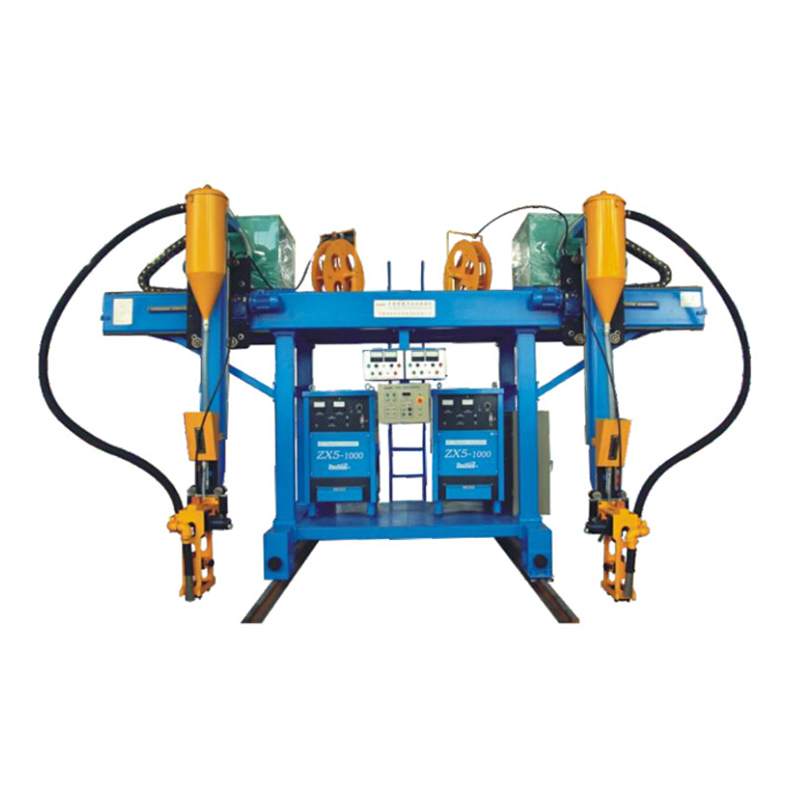
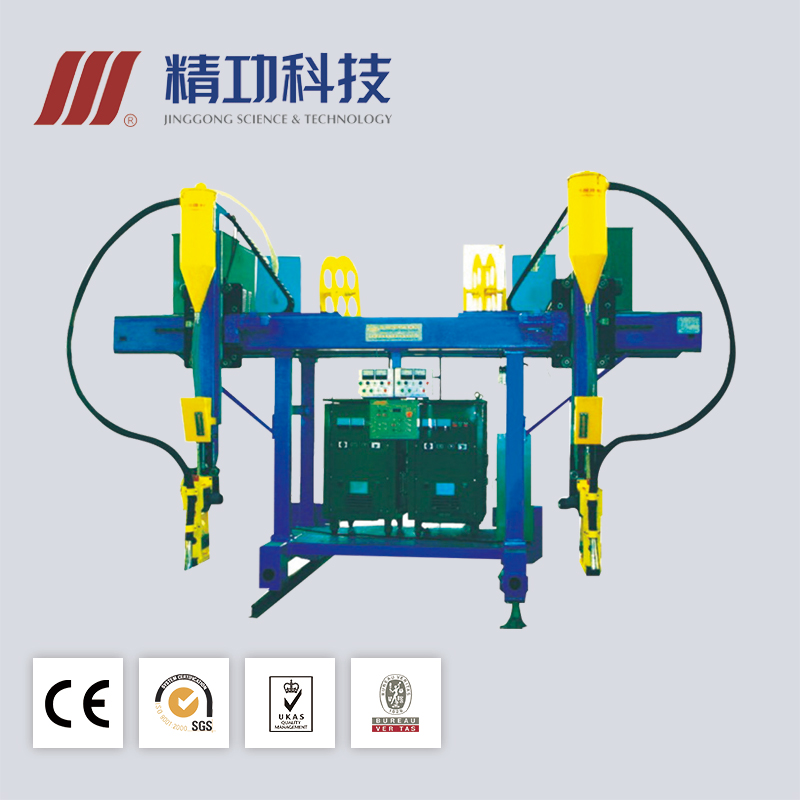
Submerged Arc Welding Equipment
Source high-performance Submerged Arc Welding Equipment directly from vetted manufacturers and factories in Asia. Designed for importers, industrial distributors, and brands seeking OEM production in bulk, our wholesale SAW machines deliver heavy-duty reliability for structural steel, shipbuilding, and pressure vessel applications.
Sourcing submerged arc welding (SAW) equipment in bulk requires navigating a complex manufacturing landscape where the difference between a reliable heavy-duty workhorse and a failure-prone machine lies hidden inside the casing. Because SAW is deployed in high-stakes environments like shipbuilding, wind tower fabrication, and structural steel manufacturing, buyers must specify exact electrical components, duty cycles, and thermal management systems to ensure the equipment survives continuous, high-amperage operation.
Core Technical Specifications for SAW Sourcing
When evaluating manufacturers, you must look past the external chassis and focus on the core power electronics and drive mechanics. Submerged arc welding demands sustained high output, meaning thermal efficiency and component durability are non-negotiable.
Power Source Technology: Inverter vs. Thyristor
The Chinese manufacturing market primarily offers two types of SAW power sources. While older thyristor (transformer-based) models are still produced for their ruggedness in extremely harsh, dusty environments, modern IGBT inverter technology dominates export orders due to power efficiency and precise arc control.
| Technology Type | Power Efficiency | Weight & Footprint | Arc Control |
|---|---|---|---|
| IGBT Inverter | High (up to 89%) | Compact / Lighter | Precise, digital waveform control |
| Thyristor / Rectifier | Moderate (around 75%) | Heavy / Bulky | Standard, reliable but less tunable |
Need help identifying factories capable of producing custom SAW configurations? We vet manufacturers based on their engineering capabilities and component supply chains.
Talk to our teamWhere Quality is Won or Lost on the Factory Floor
The primary risk when importing welding equipment is "spec fading"—where a factory substitutes premium internal components for cheaper alternatives after the sample is approved.
- IGBT Modules: High-end machines utilize premium insulated-gate bipolar transistors from brands like Infineon or Fuji. Lower-tier factories may use domestic equivalents that struggle with thermal load at 1000A, leading to premature board failure.
- Transformer Windings: A critical cost-saving measure for unreliable suppliers is using copper-clad aluminum (CCA) instead of pure copper for transformer windings. CCA increases electrical resistance, generates excess heat, and drastically reduces the machine's lifespan under continuous load.
- Tractor and Wire Feed Motors: The SAW tractor unit must maintain a perfectly consistent travel speed and wire feed rate. Factories that cheap out on the drive motors or use plastic gearing in the feed mechanism will produce machines that cause inconsistent weld beads.
To mitigate these risks, professional buyers rely on rigorous factory audits before placing an order, verifying the supplier's incoming materials inspection and assembly line standards. If you are developing a proprietary machine under your own brand, utilizing structured OEM/ODM services ensures your exact Bill of Materials (BOM) is strictly followed.
Pre-Shipment Inspection Requirements
Never ship heavy industrial machinery without on-site verification. Visual inspections are insufficient; the equipment must be powered on and load-tested.
Essential SAW Inspection Protocols
- Full-load burn-in test: Minimum 4 hours at maximum rated amperage to verify thermal stability.
- Dielectric strength (Hipot) testing to ensure casing insulation and operator safety.
- Tractor travel speed calibration check against digital display readouts.
- Wire feeder torque consistency test under mechanical resistance.
- Verification of internal components (e.g., confirming pure copper windings and specified IGBT brands).
Implementing strict quality control protocols at the factory level catches defects before the equipment is containerized, saving thousands in potential return shipping or warranty claims.
Pricing, MOQs, and Lead Times
Because SAW equipment falls under heavy industrial machinery, the purchasing mechanics differ significantly from consumer goods.
- Minimum Order Quantities (MOQs): Standard MOQs are typically low, often ranging from 1 to 5 units for standard off-the-shelf configurations. If you require custom casing designs, proprietary software interfaces, or specific colorways (OEM), expect MOQs to rise to 20 to 50 units.
- Lead Times: Production typically takes 30 to 45 days. High-amperage machines (over 1000A) or custom configurations may push lead times to 60 days, especially if specific imported IGBT modules need to be sourced by the factory.
- Pricing Drivers: The cost is heavily dictated by the power rating, the use of pure copper vs. aluminum, and the inclusion of automated tractors and flux recovery systems. Ensure your quotes clearly itemize whether the tractor unit, control cables, and flux hopper are included in the unit price or sold as optional accessories.
Managing lead times, negotiating component-level pricing, and arranging heavy freight requires specialized supply chain expertise. Let us streamline your industrial procurement.
Get a free consultationFrequently Asked Questions
Successfully sourcing submerged arc welding equipment requires treating the purchase as an engineering procurement project rather than a simple commodity buy. By controlling the Bill of Materials and enforcing strict load-testing before shipment, you can secure industrial-grade reliability at highly competitive wholesale margins.
Get Sourcing Help for Submerged Arc Welding Equipment
Tell us your requirements and our experts will connect you with verified manufacturers.