Solar Mounting Systems
Source commercial-grade solar mounting systems from vetted manufacturers and suppliers across Asia. Designed for importers, wholesale distributors, and EPC contractors, our network offers reliable bulk pricing and OEM/private-label production for high-volume deployments.
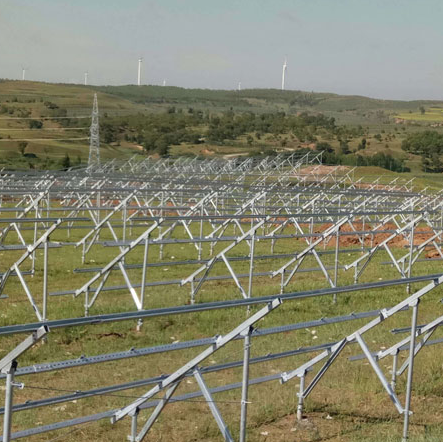
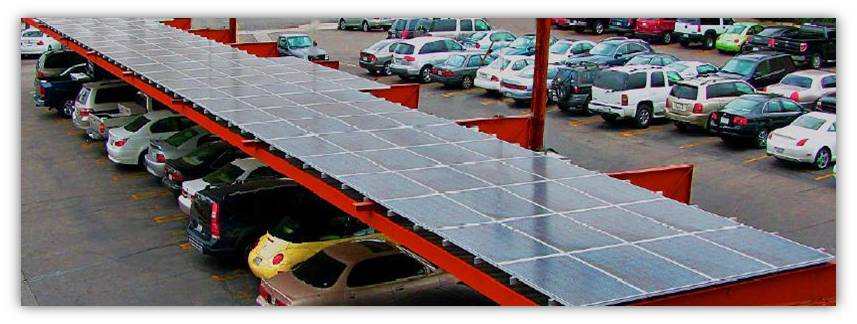
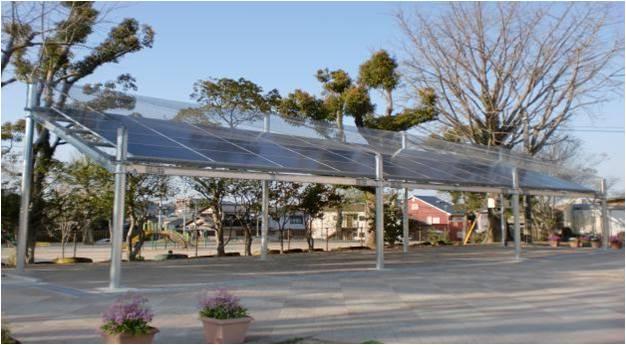
Sourcing solar mounting systems at scale requires balancing structural integrity, material longevity, and field-installation efficiency. Whether you are procuring ground mounts, roof attachments, or commercial carport structures, the factory's ability to hold tight tolerances and apply consistent anti-corrosive treatments dictates the long-term success of your deployment. A failure in galvanization or a misaligned punch-hole can stall an entire installation schedule, turning cheap steel into a massive liability.
Critical Material Specifications
The core of any mounting system is the raw material and its surface treatment. Buyers must specify exact grades and coating thicknesses on the purchase order; leaving this open to factory interpretation often results in substandard materials being substituted to increase factory margins.
| Material | Surface Treatment | Weight Profile | Primary Application |
|---|---|---|---|
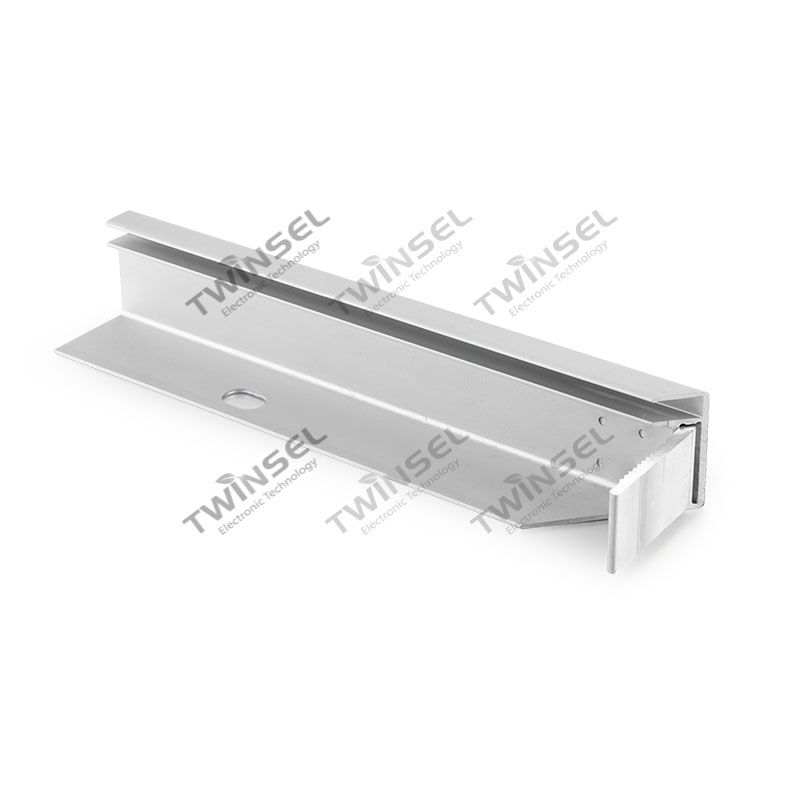
| AL6005-T5 Aluminum | Anodized (12–15+ microns) | Lightweight | Rooftop & Corrosive Environments |
| Carbon Steel (Q235/Q355) | Hot-Dip Galvanized (65–85+ microns) | Heavy | Utility-Scale Ground Mounts |
| Zn-Al-Mg Coated Steel | Pre-coated alloy layer | Medium-Heavy | Harsh environments, Self-healing edges |
When sourcing aluminum profiles, ensure the temper (T5 or T6) matches your structural load calculations. For steel, hot-dip galvanization must comply with ISO 1461 standards. If you are deploying in coastal or high-ammonia environments (like agricultural facilities), you will need to specify higher coating thicknesses and verify these through rigorous compliance testing before mass production begins.
Need help verifying factory material certifications and structural load capabilities? Let's discuss your project requirements.
Talk to our teamManufacturing Tolerances and Pre-Assembly
Field labor is one of the highest costs in any solar installation. Mounting systems that require on-site modification because of poor factory tolerances will destroy your project margins. Top-tier manufacturers utilize automated CNC punching and cutting machines to ensure high precision.
However, even with advanced machinery, tooling wears down. It is highly recommended to require a "pre-assembly" check during the production run. This involves the factory pulling random samples from the line and assembling a full section of the mounting array to verify that all rails, clamps, and brackets align perfectly without forcing.
Critical Factory QA Checkpoints
- Verify anodizing or galvanization thickness using a digital coating thickness gauge.
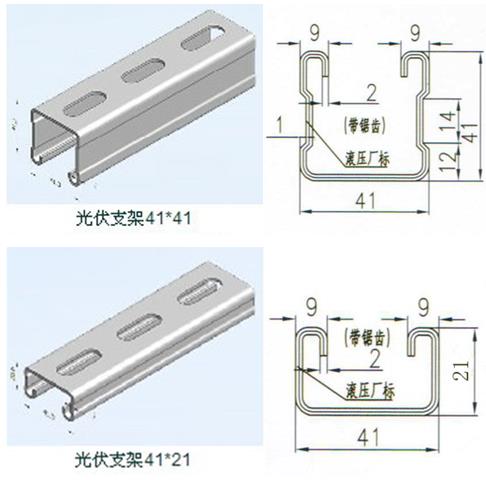
- Check dimensional tolerances on extruded profiles (specifically rail channels for T-bolts).
- Conduct a full pre-assembly test of a 2-panel or 4-panel section to confirm hole alignment.
- Inspect cut edges on galvanized steel for proper deburring and zinc-spray touch-ups.
- Validate fastener grades (e.g., SUS304 or SUS316 stainless steel) to prevent bimetallic corrosion.
Executing independent quality control inspections prior to container loading is the only way to ensure these tolerances are met before the goods leave the country of origin.
Customization and OEM Production
Many distributors and brands prefer to develop proprietary mounting solutions—such as rapid-install clamps or specialized roof hooks—to differentiate themselves in the market. Engaging a factory for OEM/ODM services requires clear 3D CAD models, detailed bill of materials (BOM), and a clear understanding of tooling costs. Extrusion dies for aluminum rails are relatively inexpensive and can be developed in 15 to 20 days, making custom profiles highly accessible for volume buyers.
Buying Mechanics: MOQs, Lead Times, and Pricing
Pricing for solar mounting systems is highly volatile, driven directly by global aluminum and steel commodity indexes. Quotes are typically valid for only 7 to 15 days.
When negotiating, ensure your pricing is tied to a specific raw material index (e.g., Shanghai Metals Market) so you can track whether price increases are legitimate. Furthermore, always verify the factory's actual production capacity through thorough factory audits to ensure they can handle your megawatt-scale orders without subcontracting to unvetted facilities.
Struggling with inconsistent pricing or delayed shipments? We help buyers negotiate index-linked contracts and manage production schedules.
Get a free consultationFrequently Asked Questions
Securing reliable solar mounting systems at scale is less about finding the lowest cost-per-watt and more about rigorous supply chain discipline. By locking down material specifications, mandating pre-assembly checks, and tying pricing to commodity indexes, you protect your margins and your installation timelines.
Get Sourcing Help for Solar Mounting Systems
Tell us your requirements and our experts will connect you with verified manufacturers.