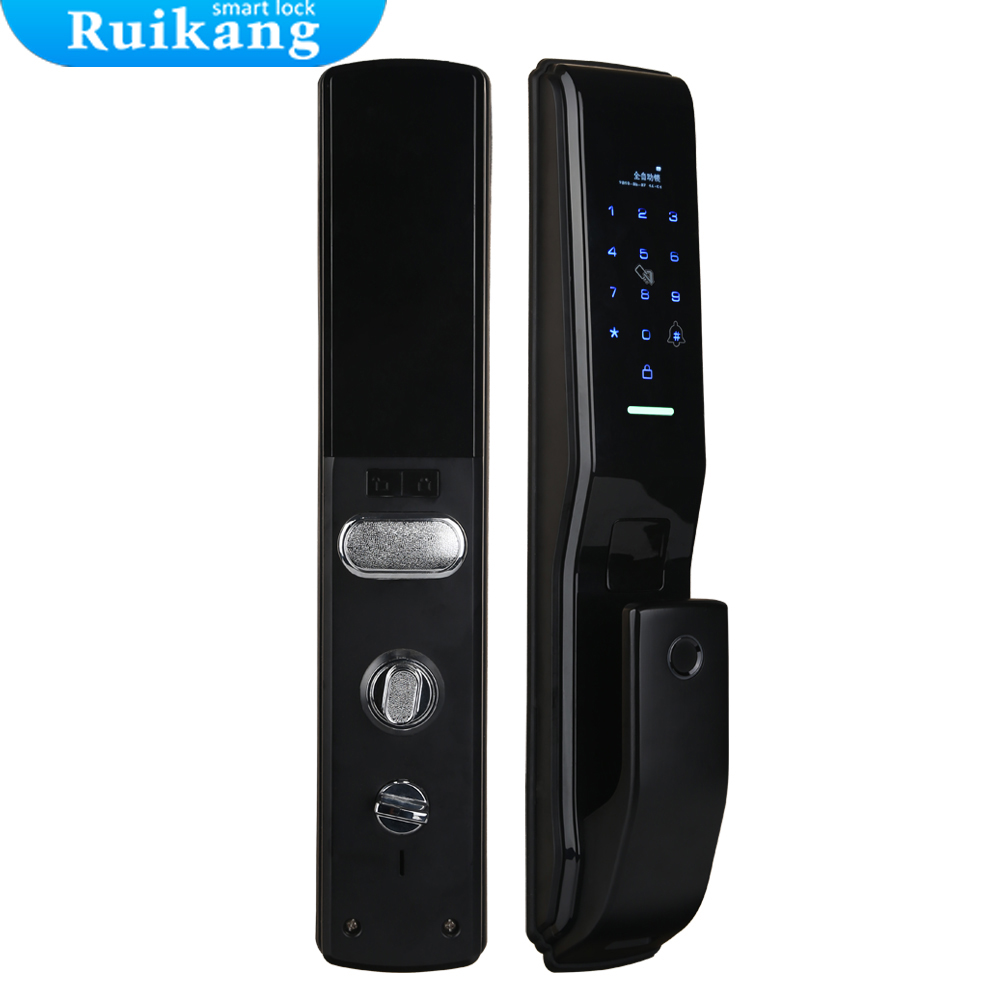
Smart Security Devices
Source reliable Smart Security Devices directly from vetted suppliers and manufacturers. Designed for importers, wholesalers, distributors, and brands seeking OEM or private-label production, this selection offers scalable, high-performance access control and monitoring solutions for commercial and residential applications.
Sourcing smart security devices in volume requires balancing hardware reliability with software stability. A failure in either layer results in high return rates, security vulnerabilities, and damaged brand reputation. When evaluating manufacturers, your focus must extend beyond the physical enclosure to the underlying System on Chip (SoC), connectivity protocols, and firmware management processes.
Defining Hardware and Connectivity Specifications
The foundation of any smart security device—whether a biometric lock, video doorbell, or motion sensor—is its connectivity architecture. Buyers must specify the exact protocol and chipset to ensure compatibility with target ecosystems and to manage power consumption effectively.
| Protocol | Power Consumption | Typical Application | Ecosystem Integration |
|---|---|---|---|
| Wi-Fi (2.4GHz/5GHz) | High | Video doorbells, IP cameras | Direct to router, high bandwidth |
| Zigbee / Z-Wave | Ultra-Low | Door/window sensors, smart locks | Requires hub, excellent mesh network |
| Thread / Matter | Ultra-Low | Next-gen access control | Native mesh, cross-platform interoperability |
Navigating SoC shortages or finalizing protocol selection? We help brands source the right hardware architecture for their target market.
Talk to our teamManufacturing Tolerances and Quality Control
In smart security, hardware defects often manifest as software anomalies. A poorly soldered antenna on the PCBA will cause intermittent connectivity drops, which end-users will inevitably blame on the app or firmware. Verifying a supplier's production line requires strict attention to their SMT (Surface Mount Technology) processes and automated optical inspection (AOI) capabilities.
Before committing to a production run, conduct rigorous Factory Audits to ensure the manufacturer has the testing infrastructure required for IoT devices.
Critical QC Checks for Smart Security Devices
- Antenna calibration and RF signal strength testing in a shielded chamber.
- Firmware flashing stability and Over-The-Air (OTA) update verification.
- Environmental stress screening (ESS) for outdoor-rated devices (IP65/IP67 verification).
- Battery drain profiling under simulated high-trigger conditions.
Catching these issues post-assembly is costly and difficult. Implementing in-line Quality Control & Inspection ensures defects are caught at the PCBA stage, before the device is sealed and potted.
Regulatory Compliance and Data Privacy
Smart security hardware is heavily regulated across multiple vectors. The hardware must pass RF emissions testing (such as FCC Part 15 in the US or CE RED in Europe). Furthermore, devices handling video feeds or biometric data must comply with local privacy regulations.
Firmware and Server Locations
Off-the-shelf white-label products often route data through servers located in the manufacturer's home country. For enterprise, government, or privacy-conscious consumer markets, you must specify localized AWS or Azure server hosting during the firmware development phase.
Navigating these requirements often requires third-party Compliance & Testing to certify both the hardware emissions and the software data handling protocols before import.
Sourcing Realities: MOQs, Lead Times, and Customization
The level of customization dictates your capital requirements and lead times. Buying white-label devices powered by standard, pre-existing firmware offers low barriers to entry, while custom hardware and proprietary apps require significant upfront investment in tooling and software development.
When engaging in OEM/ODM Services for smart security, ensure your contract clearly assigns IP ownership of the custom firmware, source code, and casing molds to your company.
Need to negotiate better terms or manage a complex OEM project? Let our sourcing engineers handle the supplier coordination and contract structuring.
Get a free consultationFrequently Asked Questions
Successfully sourcing smart security devices requires a deep understanding of both hardware manufacturing and software ecosystems. By strictly controlling the Bill of Materials (BOM) and maintaining rigorous oversight during PCBA assembly and firmware flashing, you can deliver reliable products that protect both end-users and your brand reputation. Having experienced engineering and sourcing support on the ground makes executing these complex technical orders significantly more predictable.
Get Sourcing Help for Smart Security Devices
Tell us your requirements and our experts will connect you with verified manufacturers.