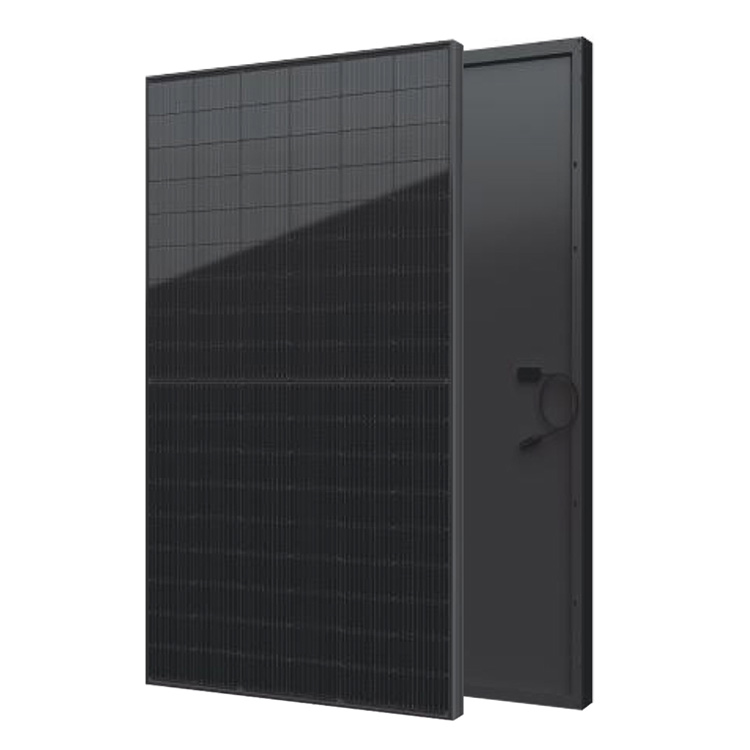
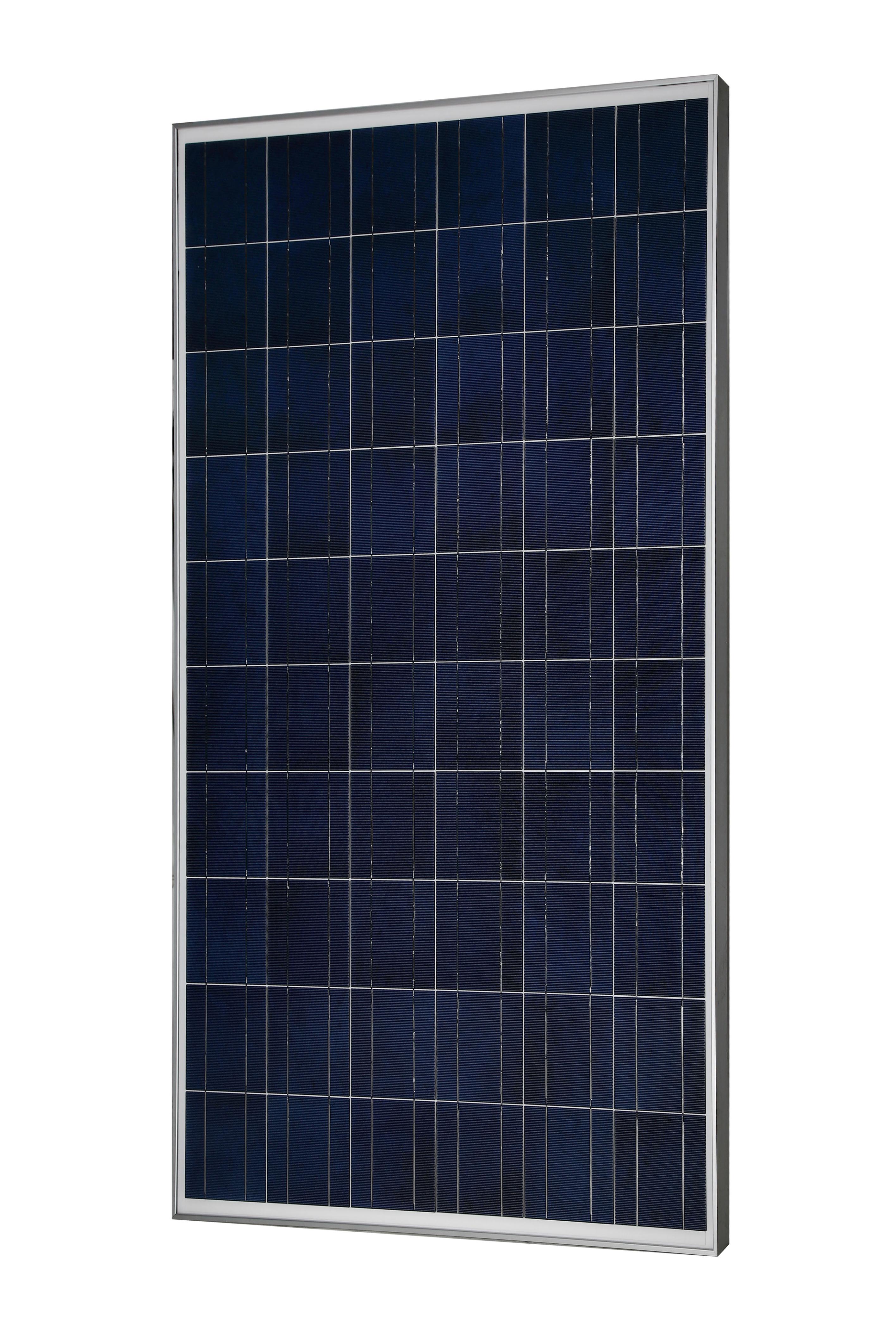
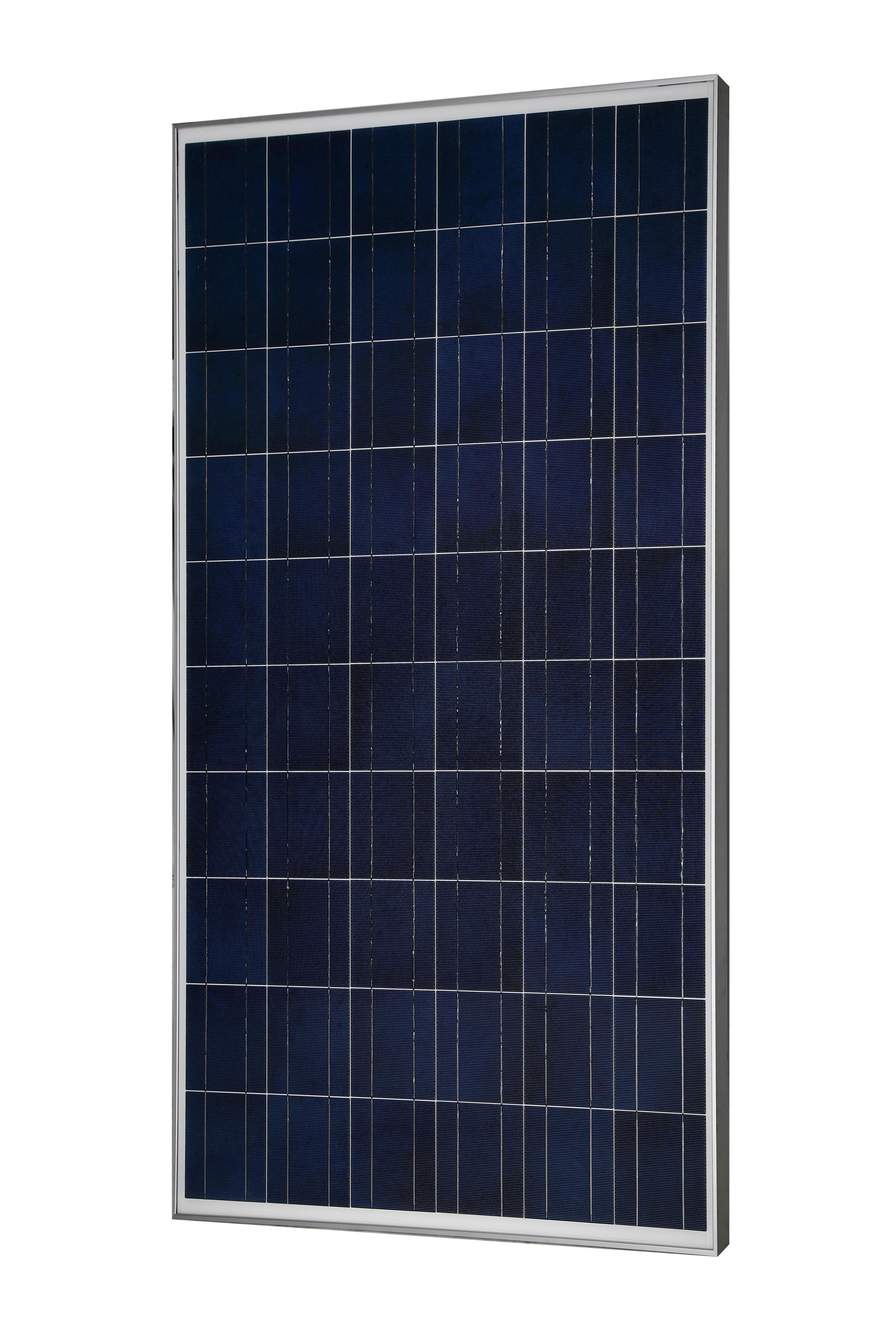
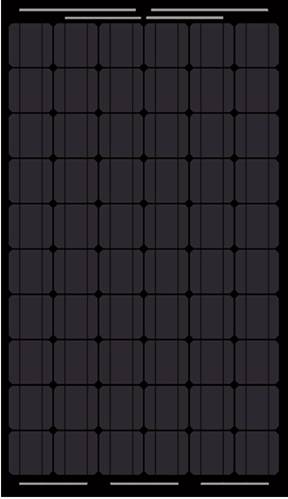
Shingled Solar Panels
Source high-efficiency Shingled Solar Panels in bulk directly from vetted Chinese manufacturers. Designed for importers, wholesalers, and solar brands looking for reliable OEM and private-label production. Compare wholesale pricing, factory capabilities, and technical specs to secure top-tier modules for your distribution network.
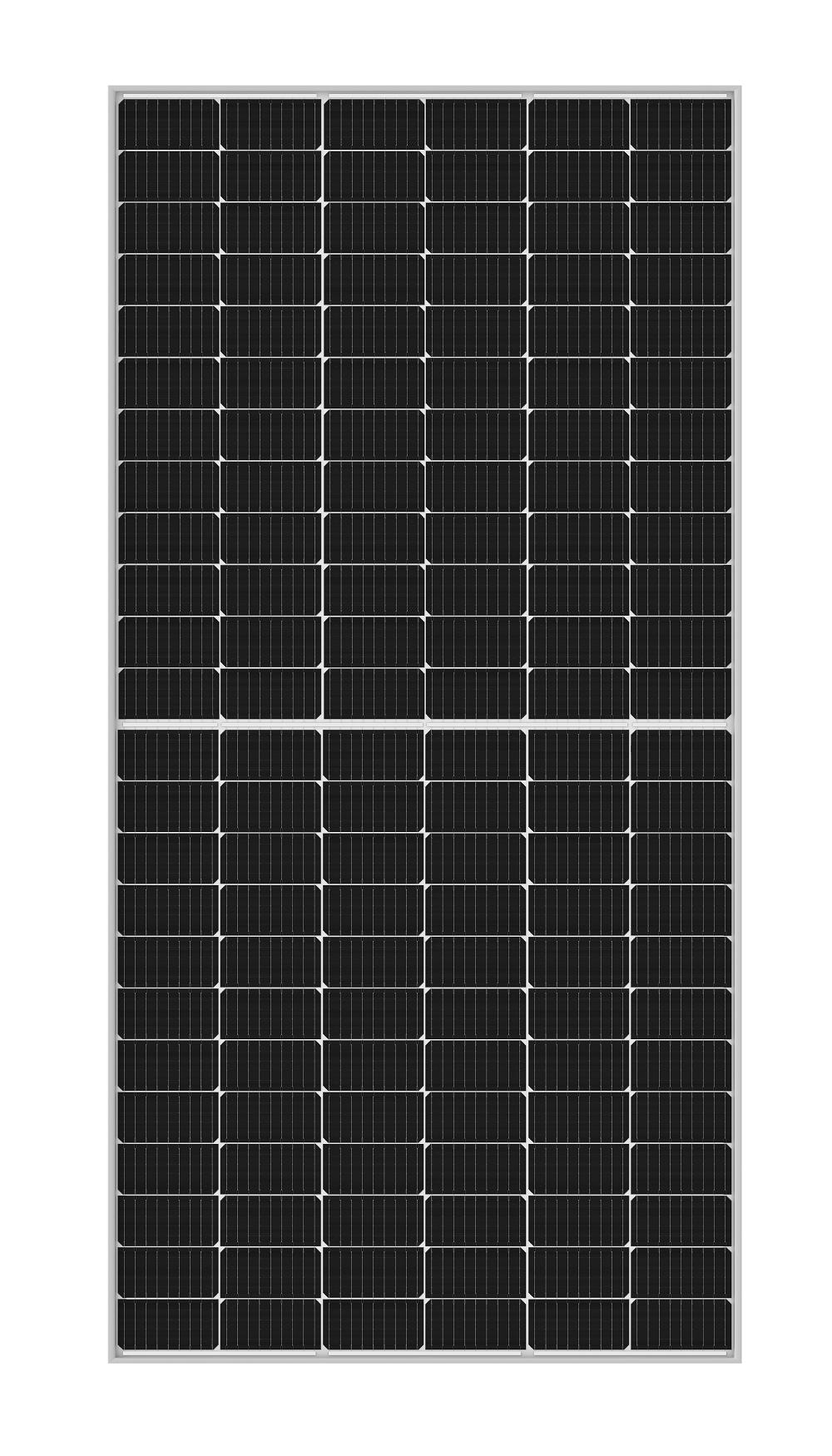
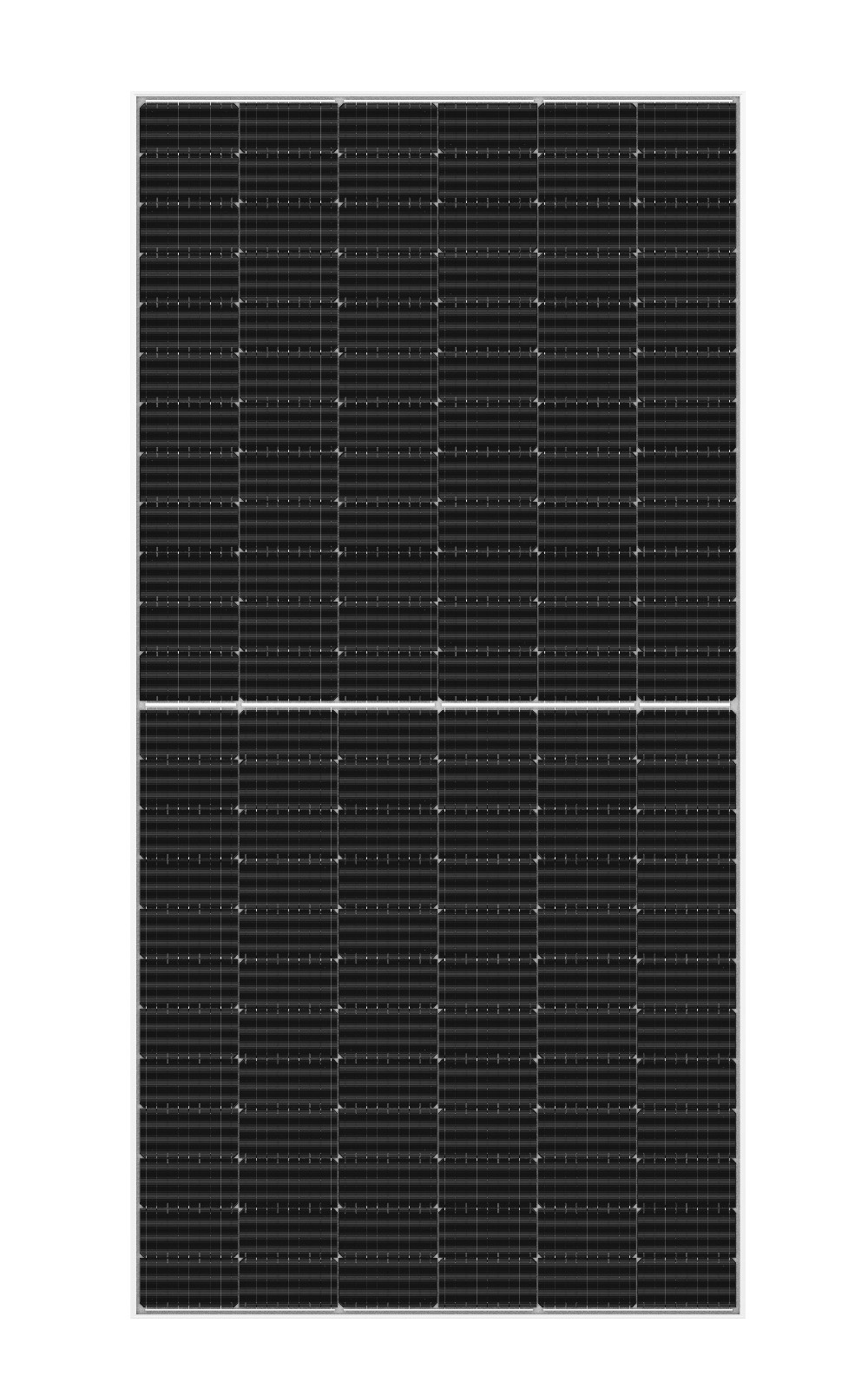
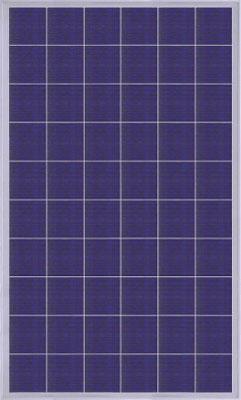
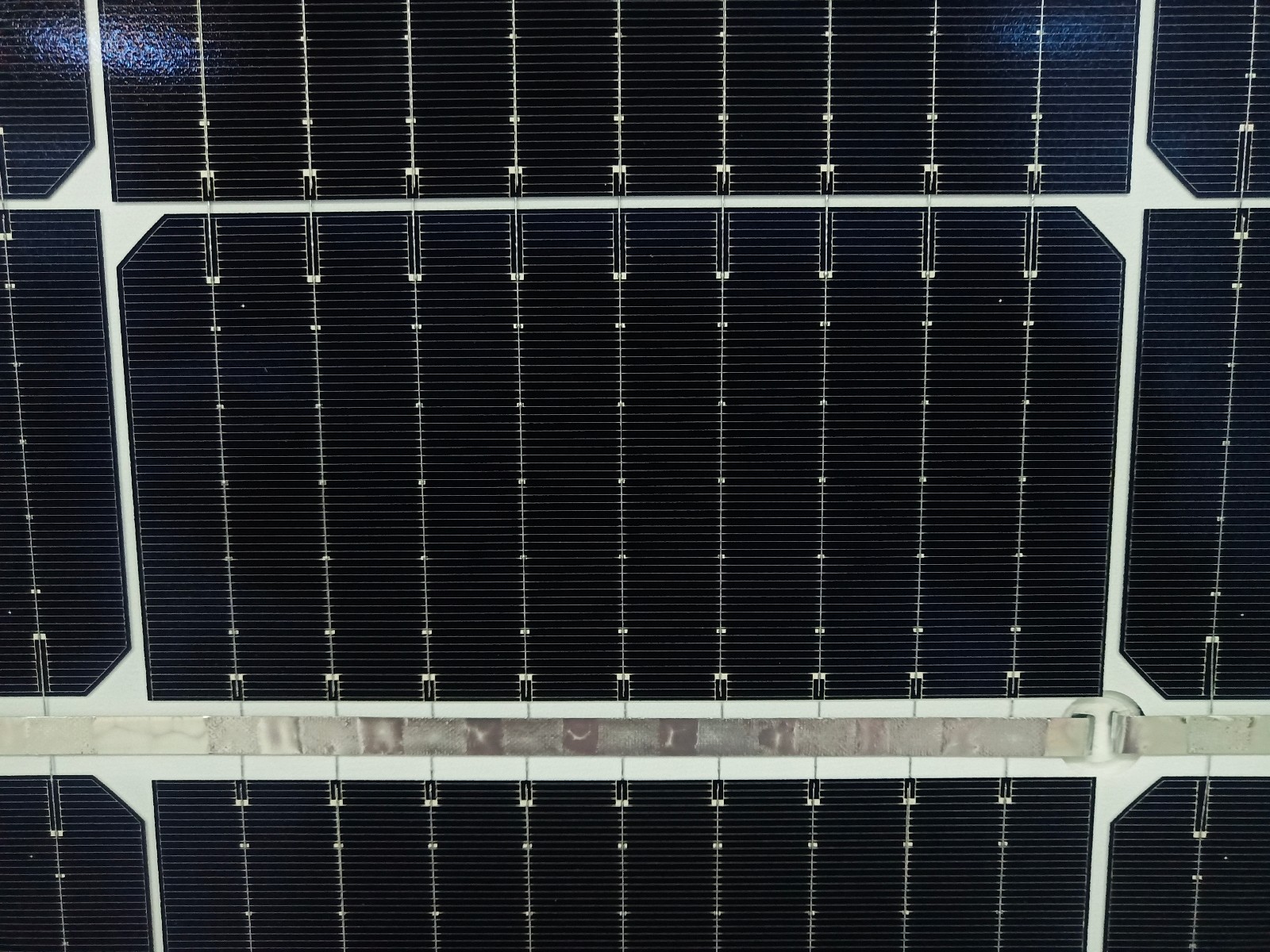
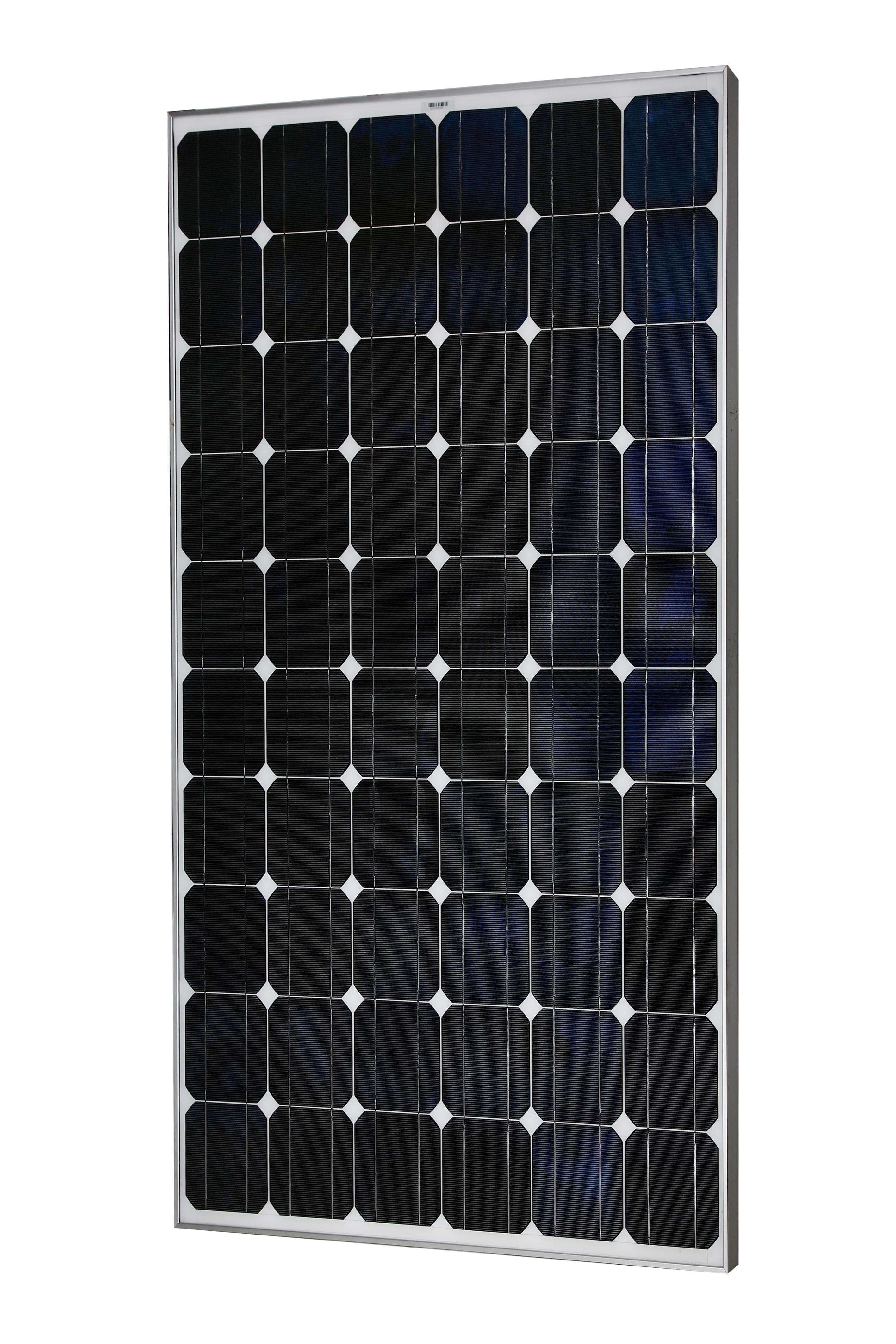
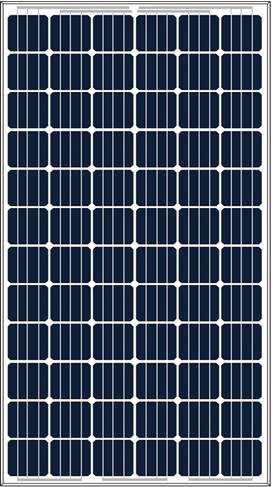
Shingled solar panels replace traditional metallic ribbons and busbars with electrically conductive adhesive (ECA), overlapping cell strips to maximize active surface area and eliminate shading losses. For bulk buyers, the appeal is clear: higher power density, superior aesthetic appeal for residential markets, and reduced resistive losses. However, the manufacturing process—specifically the laser cutting of cells and the precise dispensing of ECA—introduces unique quality control variables that demand rigorous supplier vetting and production oversight.
Manufacturing Precision & The ECA Challenge
The shift from soldering to ECA fundamentally changes the manufacturing critical path. While traditional soldering creates physical stress points on the silicon, ECA offers flexibility. However, if the adhesive is improperly mixed, applied inconsistently, or cured at the wrong temperature, the module will suffer from increased series resistance and rapid degradation in the field.
Laser Scribing and Cleaving
Standard cells are cut into 5 or 6 strips. Micro-cracks introduced during this stage are the leading cause of field failure in shingled modules.
ECA Dispensing
The factory must maintain strict environmental controls to ensure the Electrically Conductive Adhesive maintains its rheological properties during application.
Stringing and Overlapping
Cell strips are overlapped by 1-2mm. Precision alignment equipment is required to ensure consistent active area and prevent short circuits.
Thermal Curing and Lamination
The ECA is cured under heat and pressure. Uneven curing leads to delamination and moisture ingress over the module's 25-year lifespan.
Assessing a factory's capability requires looking beyond their marketing materials and directly at their automated dispensing and curing equipment.
Navigating Tier 1 and Tier 2 factory capabilities for shingled modules requires deep supply chain visibility. Let us help you identify and vet the right manufacturing partner.
Talk to our teamQuality Control & Compliance Testing
Because shingled modules rely entirely on the ECA bond for electrical continuity, thermal cycling performance is the most critical metric. During your procurement process, you must ensure the factory's internal testing goes beyond baseline IEC standards.
Conducting thorough Factory Audits before placing an order is essential to verify that the supplier has the automated optical inspection (AOI) equipment necessary to catch alignment errors in real-time. Furthermore, comprehensive Quality Control & Inspection protocols must mandate 100 percent Electroluminescence (EL) testing both before and after lamination.
Critical Factory Audit Checkpoints for Shingled Modules
- Verification of inline AOI (Automated Optical Inspection) for ECA dispensing volume and alignment.
- Review of EL testing logs to check for acceptable micro-crack thresholds post-laser cleaving.
- Confirmation of advanced thermal cycling test data (e.g., TC600 vs standard TC200).
- Inspection of ECA storage conditions (temperature and humidity controls).
For importers targeting highly regulated markets, securing third-party Compliance & Testing to verify IEC 61215 (Design Qualification) and IEC 61730 (Safety Qualification) is non-negotiable.
Pricing Drivers, MOQs, and Logistics
Wholesale pricing for shingled solar panels is typically calculated per Watt peak (Wp). Shingled modules generally carry a slight premium over standard half-cut PERC or TOPCon modules due to the specialized laser and ECA equipment required. However, this premium is often offset by the increased wattage per square meter, which lowers balance of system (BOS) costs and optimizes shipping density.
When negotiating bulk contracts, clarify whether the Bill of Materials (BOM) specifies premium ECA brands and highly rated encapsulants (POE vs EVA), as these significantly impact both price and longevity.
Need to lock in competitive per-watt pricing and reliable lead times? We negotiate directly with top-tier shingled module manufacturers to secure the best terms for your volume orders.
Get a free consultationFrequently Asked Questions
Sourcing shingled solar panels at scale requires a deep understanding of adhesive chemistry, laser precision, and thermal reliability. By focusing your procurement strategy on rigorous factory vetting and uncompromising inline quality control, you can secure high-yield modules that protect your brand's reputation in the field.
Get Sourcing Help for Shingled Solar Panels
Tell us your requirements and our experts will connect you with verified manufacturers.