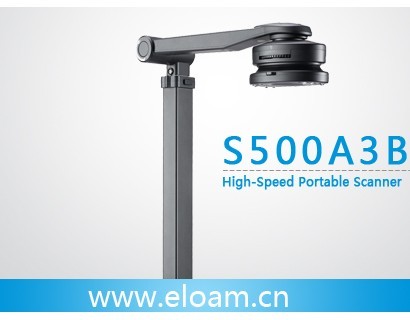
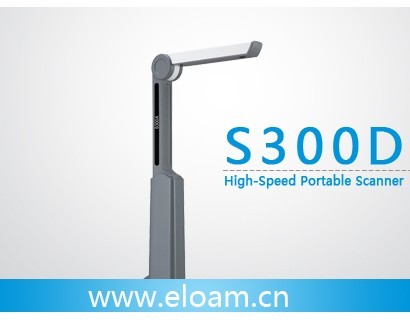
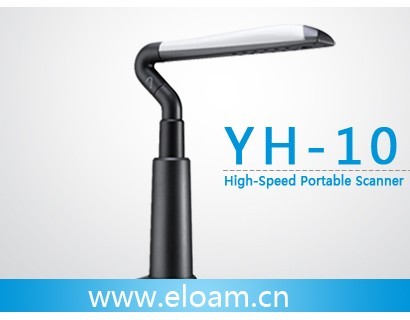
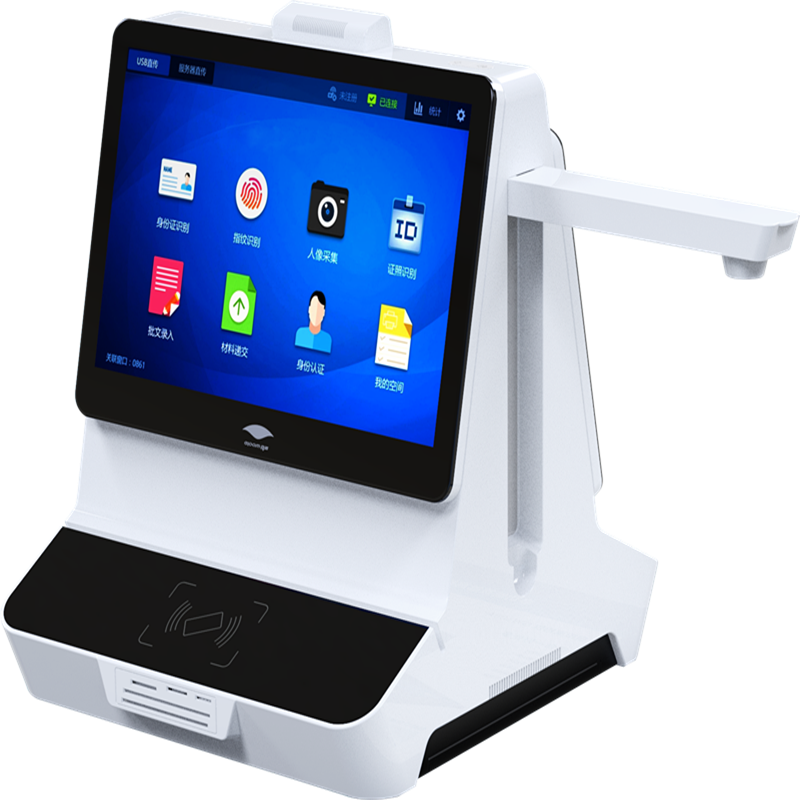
Scanners
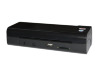
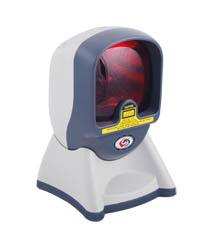
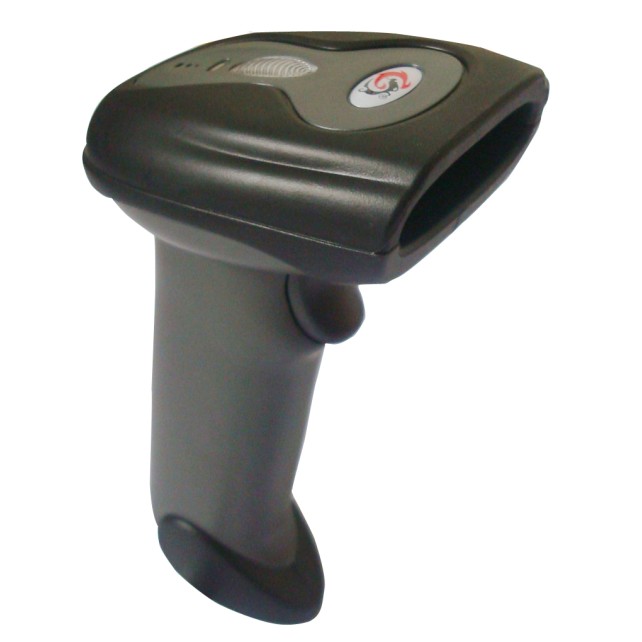
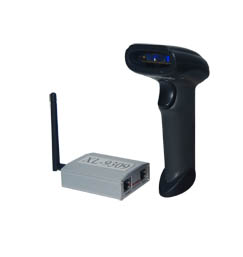
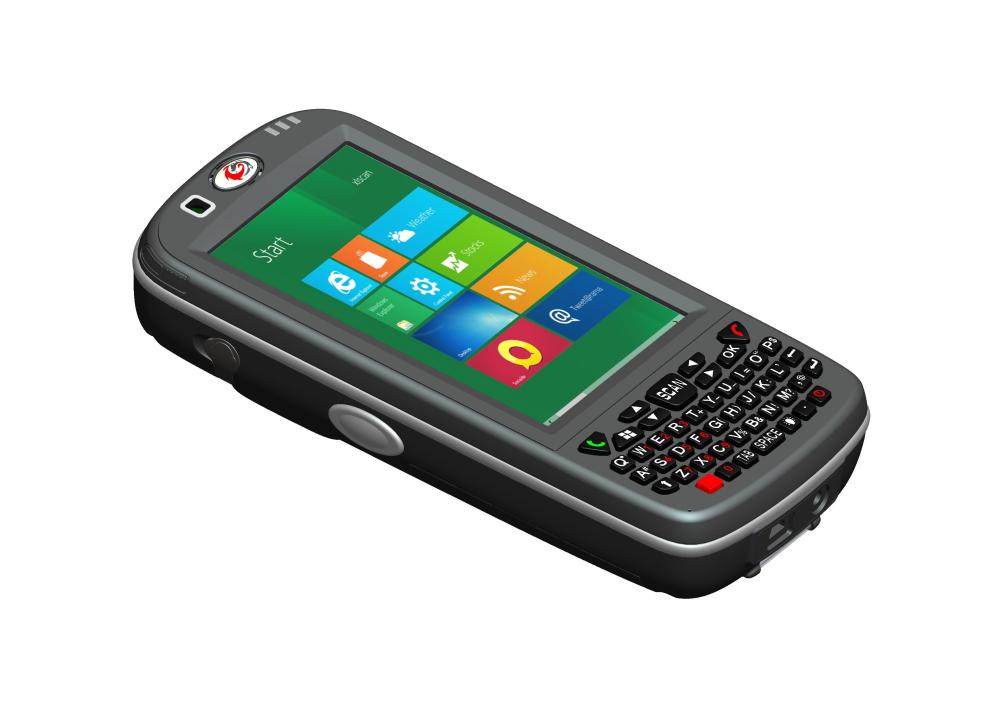
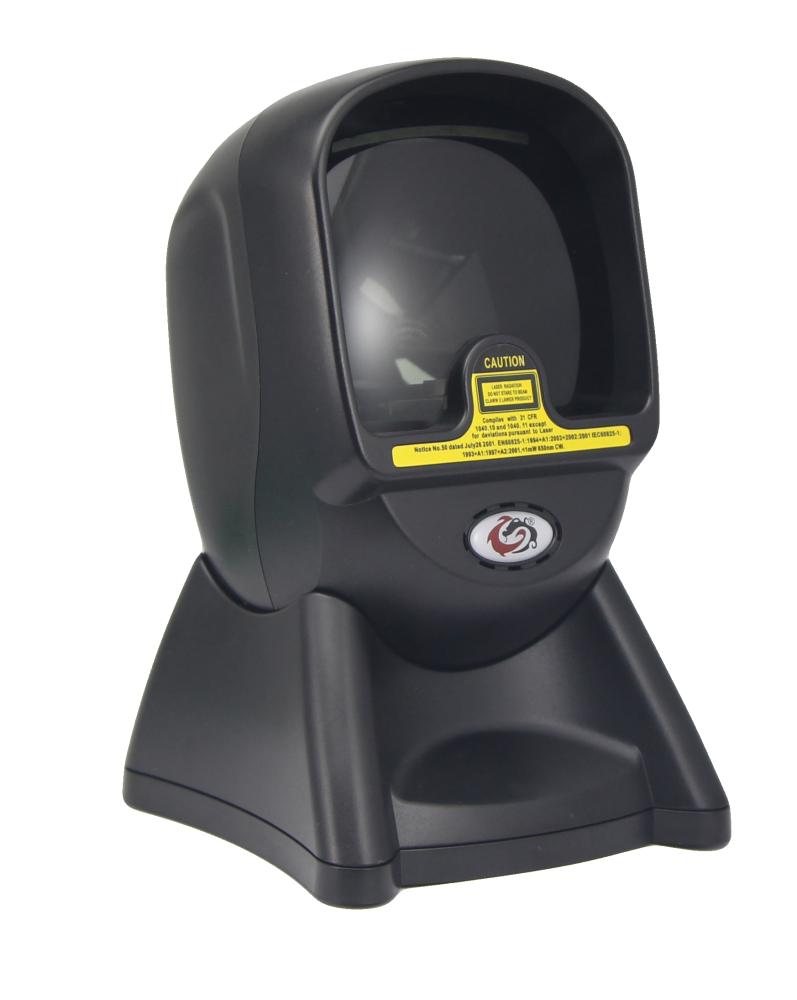
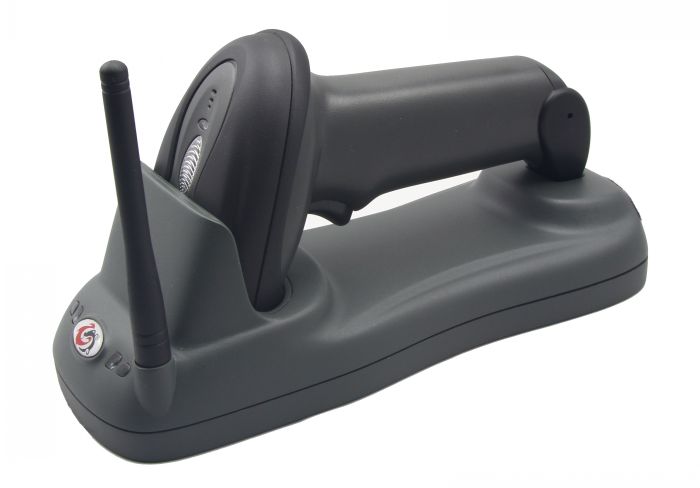
Source commercial and consumer scanners from vetted manufacturers and wholesale suppliers. Designed for importers, distributors, and brands seeking reliable OEM/ODM production, our network delivers high-performance computer peripherals built to strict optical and mechanical standards.
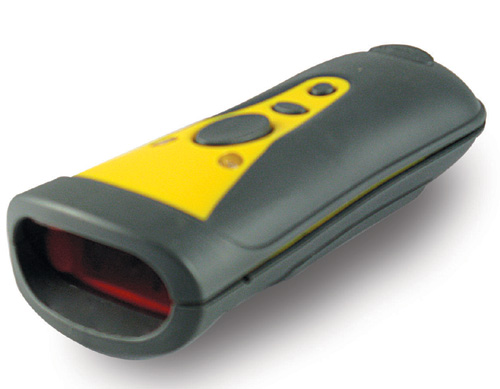
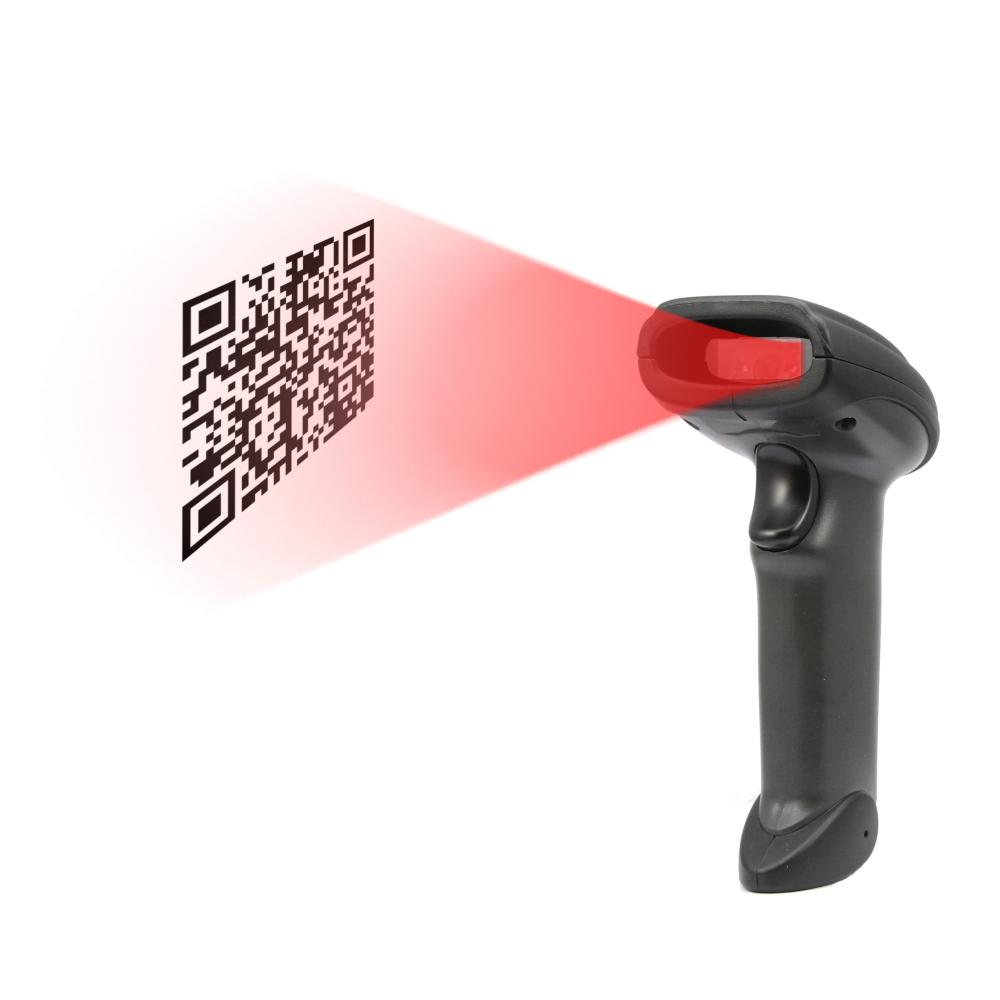
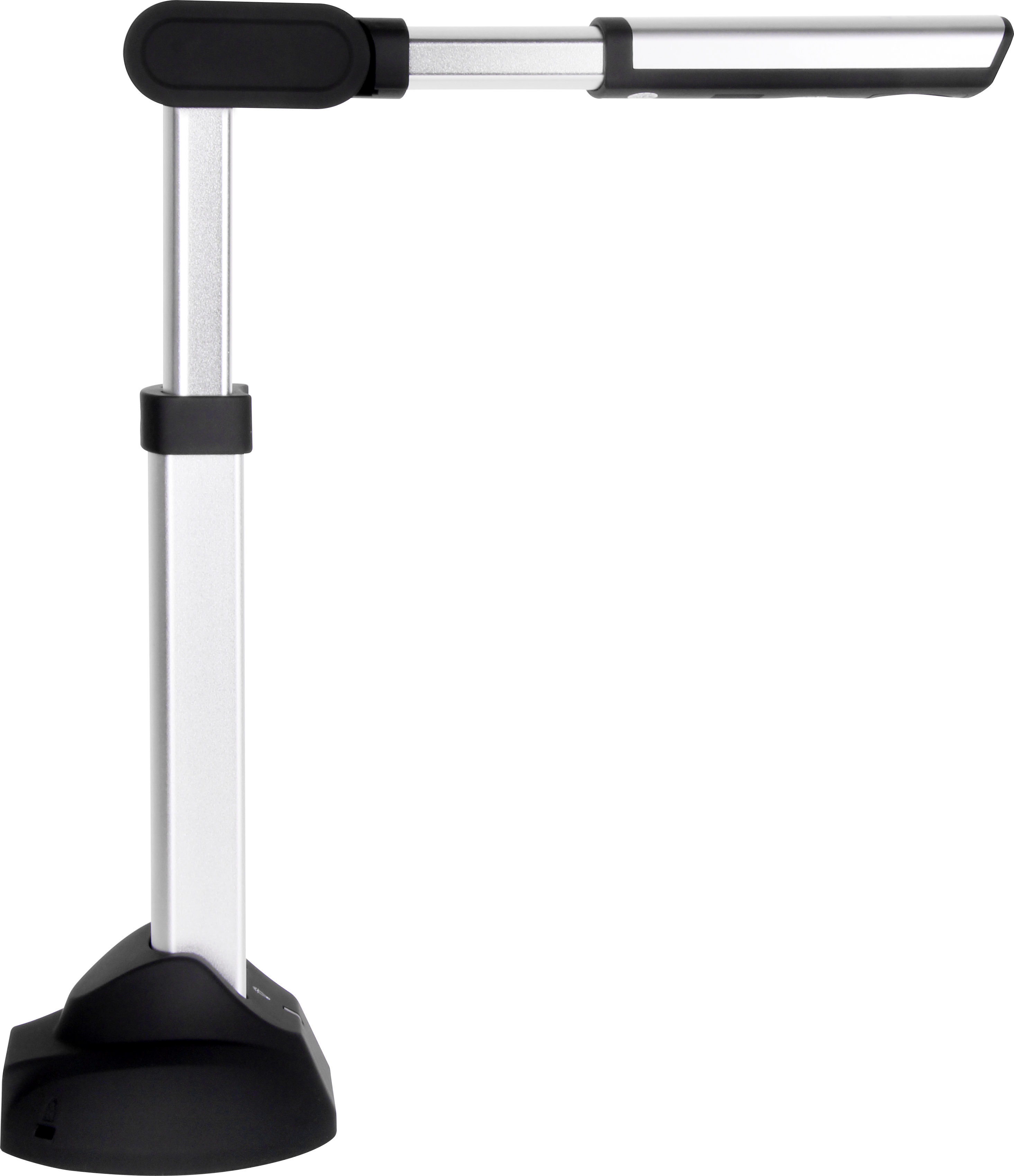
Sourcing computer peripheral scanners at scale requires balancing optical precision with mechanical durability. Whether you are procuring high-speed document feeders for enterprise distribution, portable wand scanners, or ruggedized barcode readers for point-of-sale systems, the core sourcing challenge lies in verifying sensor calibration, motor lifespan, and firmware stability before mass production begins.
Core Sensor Technologies: CIS vs. CCD
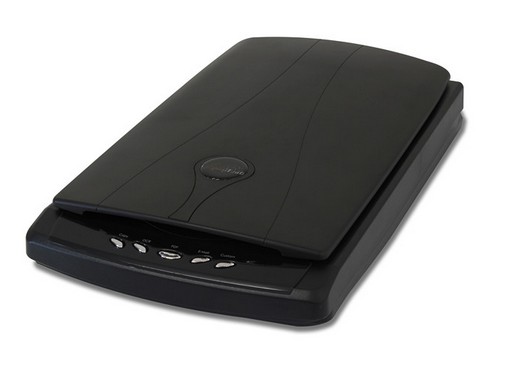
The primary cost driver and performance differentiator in any scanner is the optical sensor array. Manufacturers generally utilize one of two technologies, and specifying the correct one is critical for your target market.
| Feature | CIS (Contact Image Sensor) | CCD (Charge-Coupled Device) |
|---|---|---|
| Depth of Field | Low (requires flat contact) | High (can scan 3D objects/books) |
| Power Consumption | Low (often USB-powered) | High (usually requires dedicated AC) |
| Form Factor | Ultra-slim, lightweight | Bulky, heavier |
| Color Accuracy | Good for standard documents | Superior, ideal for graphics/photos |
When working with factories on OEM/ODM services, you must also specify the required optical resolution (true DPI, not interpolated), scan speed (Pages Per Minute or Images Per Minute), and driver compatibility (TWAIN, WIA, or ISIS standards).
Struggling to align factory specifications with your market's performance requirements? Let us help you identify manufacturers with the right optical technology.
Talk to our teamManufacturing Tolerances and Quality Control
A scanner is a hybrid of sensitive optics, precision stepper motors, and digital processing. Quality is often won or lost in the assembly and calibration phases. Poorly calibrated stepper motors lead to image distortion, while substandard Automatic Document Feeder (ADF) rollers cause frequent paper jams.
Implementing rigorous quality control and inspection protocols at the factory level is non-negotiable.
Critical Factory QC Checks for Scanners
- Optical Calibration: Verifying true DPI and color gamut using standardized ISO test charts.
- ADF Endurance: Testing paper feed mechanisms for misfeeds, double-feeds, and roller wear over extended duty cycles.
- LED Aging Tests: Running the light source continuously to ensure no degradation in luminosity or color temperature.
- Firmware Stability: Stress-testing driver compatibility across multiple operating systems (Windows, macOS, Linux).
- Drop and Vibration Testing: Particularly for portable, handheld, and industrial barcode scanners.
Sourcing Realities: MOQs, Lead Times, and Pricing
Scanner manufacturing is concentrated in specialized electronics hubs in Asia, particularly around Shenzhen and Dongguan. Because these devices require specialized injection molds for the housing and custom PCB fabrication, production parameters are relatively rigid.
Pricing is highly volatile based on the sensor type, interface (e.g., adding Wi-Fi or Bluetooth modules significantly impacts cost), and the complexity of the ADF mechanism. Duplex scanning capabilities (scanning both sides simultaneously via dual sensors) will also command a premium over simplex models.
Need accurate pricing and lead times for your next scanner order? We can negotiate terms with vetted manufacturers on your behalf.
Get a free consultationCompliance and Market Regulations
Electronic peripherals emitting electromagnetic interference must pass strict regulatory hurdles before entering major markets. Ensuring your supplier has valid, verifiable test reports is critical to avoiding customs seizures.
Key certifications include FCC Part 15 for the US, CE (EMC and LVD directives) for Europe, and RoHS compliance for hazardous substances. If the scanner uses wireless connectivity, additional radio frequency certifications are required. Engaging professional compliance and testing services ensures your products meet all regional legal requirements.
Frequently Asked Questions
Successfully sourcing scanners requires deep technical oversight, from evaluating sensor data sheets to auditing the factory's final assembly line. By partnering with experienced sourcing professionals, you can mitigate manufacturing risks and secure high-quality peripherals that meet your exact specifications.
Get Sourcing Help for Scanners
Tell us your requirements and our experts will connect you with verified manufacturers.