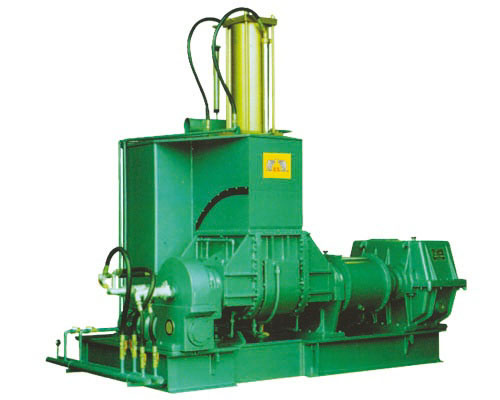
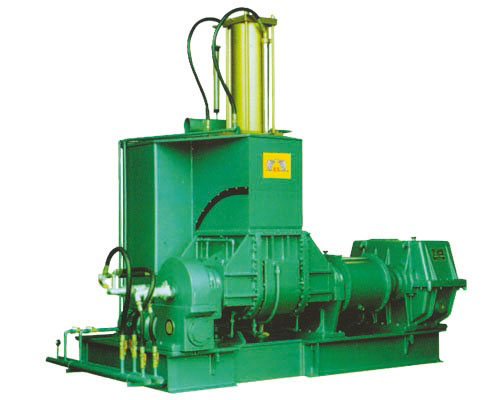
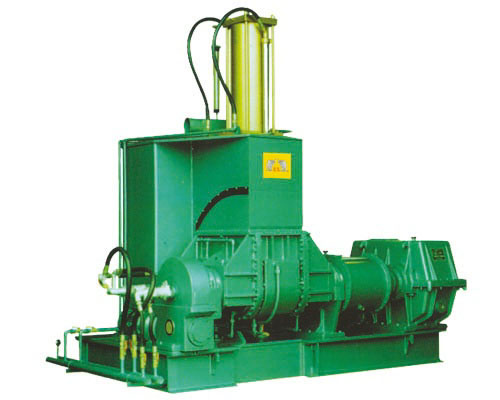
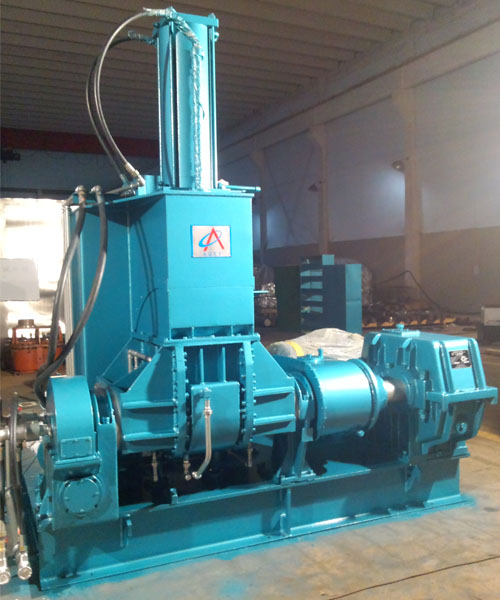
Rubber Kneaders
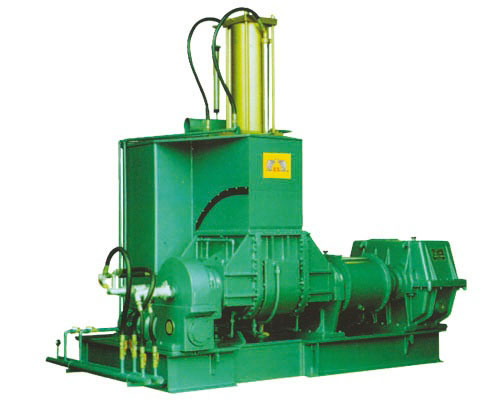
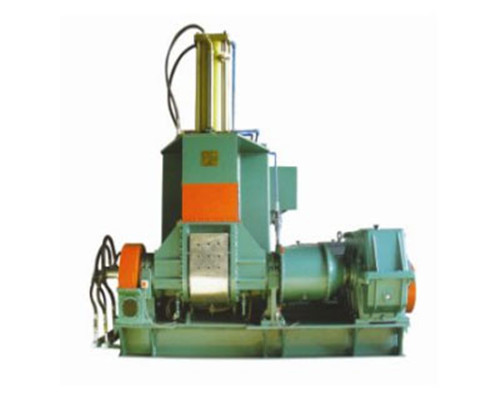
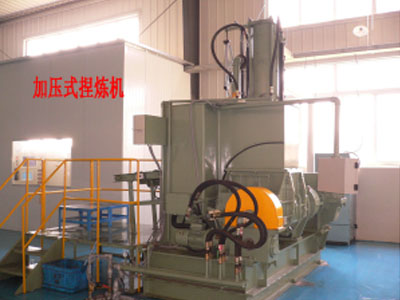
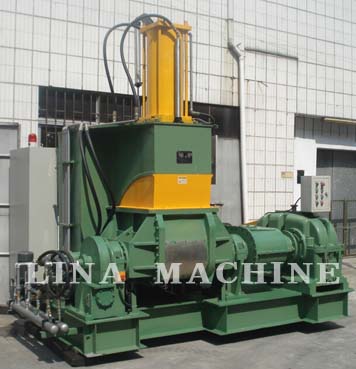
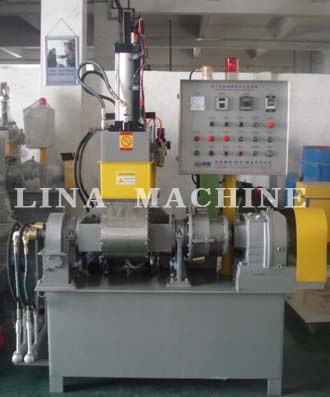
Source industrial-grade Rubber Kneaders directly from vetted manufacturers and suppliers in Asia. Designed for procurement managers, distributors, and machinery importers looking for reliable wholesale pricing, custom OEM production, and rigorous quality control for heavy-duty rubber processing equipment.
Sourcing rubber kneaders requires balancing capital expenditure with long-term operational reliability. When importing heavy compounding machinery, the core challenge is verifying that a manufacturer's metallurgical claims match the reality of their mixing chambers and rotors. Premature wear in high-friction rubber compounding destroys ROI, making supplier vetting and technical specification critical before issuing a purchase order.
Specifying Rubber Kneaders for Production
To get accurate quotes from manufacturers, you must specify exact operational parameters. Generic requests often result in quotes for light-duty machines that cannot handle high-viscosity rubber compounds or continuous production cycles.
Key specifications to define include:
- Working Volume vs. Total Volume: The actual mixing capacity is determined by the fill factor (typically 0.6 to 0.75 of the total chamber volume). A 110L kneader will yield roughly 65L to 80L of mixed compound per batch.
- Rotor Design: Choose between tangential rotors (faster mixing, lower cost, good for general rubber) and intermeshing rotors (superior dispersion, better temperature control, required for technical rubber goods).
- Motor and Reducer: Specify the power (kW) based on the compound's Mooney viscosity. Ensure the gearbox (reducer) is hardened and ground for low noise and high torque.
- Cooling and Heating: High-friction compounding generates immense heat. Specify jacketed mixing chambers and cored rotors for efficient water cooling.
Need help verifying a manufacturer's technical capabilities? Our engineering team can evaluate factory specs and ensure your kneader is built for heavy-duty compounding.
Talk to our machinery expertsManufacturing Quality: Where Chambers Fail
The difference between a machine that lasts 15 years and one that fails in 18 months lies entirely in the factory's machining tolerances and material selection. When assessing a supplier, pay close attention to the mixing chamber and dust sealing systems.
| Component | Standard Configuration | Premium Configuration |
|---|---|---|
| Rotor Metallurgy | Cast steel with basic chrome | Alloy steel, hard-faced edges (HRC 60+) |
| Dust Seals | Basic mechanical seals | Hydraulic pressure copper ring seals |
| Electrical PLC | Local market brands | Siemens, Allen-Bradley, Mitsubishi |
| Discharge | Standard hydraulic tilt | Drop door with linear actuator |
Factory Audits and FAT
Never accept heavy machinery without thorough verification. We highly recommend conducting comprehensive factory audits to confirm the supplier has the in-house CNC boring and milling equipment required to manufacture precision rotors.
Furthermore, robust quality control must include a Factory Acceptance Test (FAT) prior to shipment. The machine should be run under dry load for several hours to monitor bearing temperatures, gearbox noise, and hydraulic seal integrity.
Watch out for undersized motors
Some suppliers lower their quotes by installing undersized motors or pairing a high-power motor with a light-duty gearbox. Always mandate that the motor brand, power rating, and gearbox specifications are explicitly written into your sales contract.
Pricing, Lead Times, and Logistics
Purchasing industrial kneaders is a capital-intensive process. Minimum Order Quantities (MOQs) are almost universally 1 unit.
Pricing is heavily dictated by the machine's capacity, rotor type, and the origin of key components (e.g., imported bearings and PLCs vs. domestic equivalents). A standard 55L kneader will have a vastly different price profile than a 110L intermeshing unit with a drop-door discharge and Siemens controls.
- Production Lead Times: Expect 45 to 90 days for manufacturing, depending on the complexity of the machine and the factory's current order book. Custom modifications will extend this timeline.
- Shipping Heavy Machinery: Rubber kneaders are exceptionally heavy and often have awkward centers of gravity. Proper crating, rust-proofing (vacuum packing), and securing within the container are non-negotiable. For larger units, specialized shipping and freight solutions like flat-rack containers or Open Top (OT) containers may be required.
Heavy machinery logistics require precise planning to avoid port delays and damage. Let us manage your FAT, export crating, and international freight.
Get a logistics consultationFrequently Asked Questions
Successfully sourcing rubber kneaders requires moving beyond the spec sheet and ensuring the factory's machining capabilities match your production demands. By enforcing strict metallurgical standards and rigorous pre-shipment testing, you can secure heavy-duty processing equipment that delivers reliable, long-term performance.
Get Sourcing Help for Rubber Kneaders
Tell us your requirements and our experts will connect you with verified manufacturers.