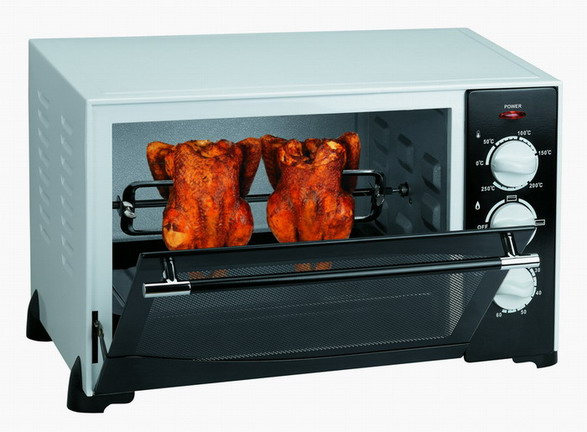
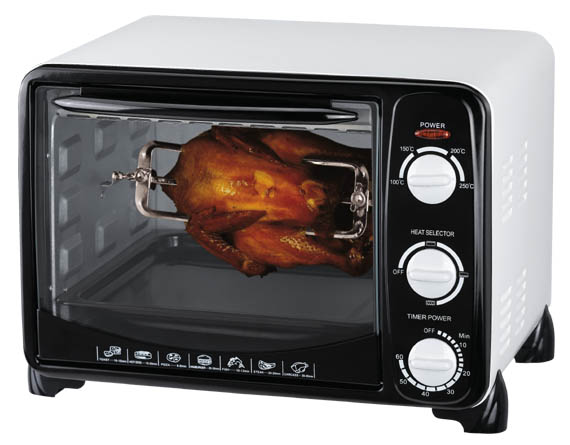
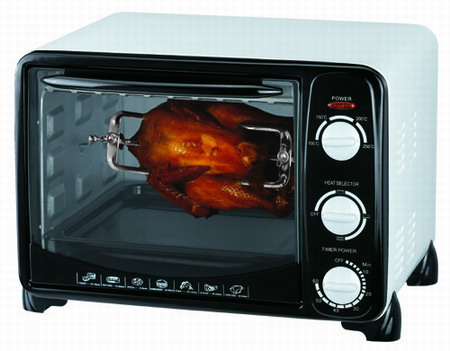
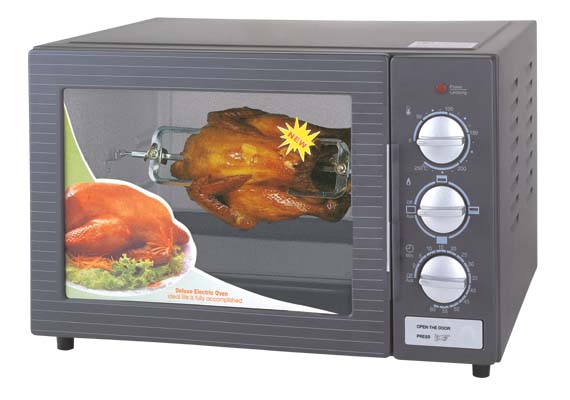
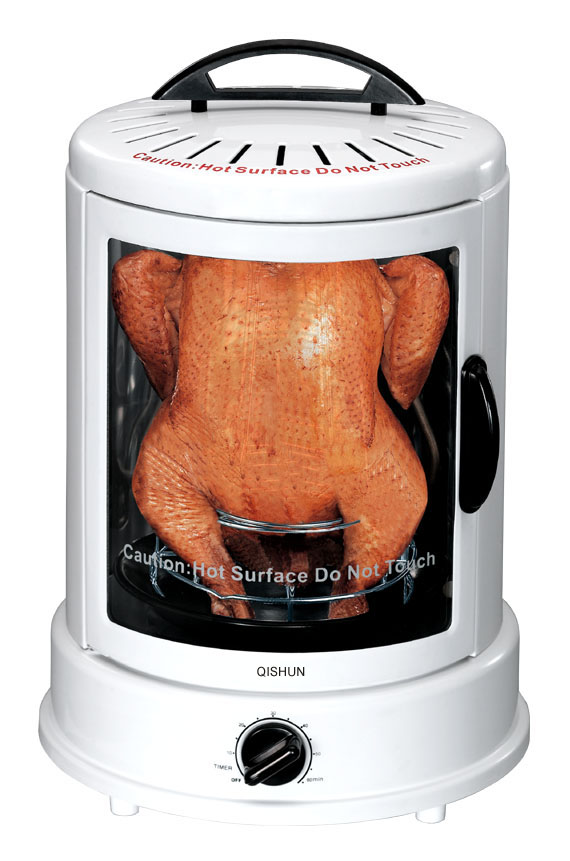
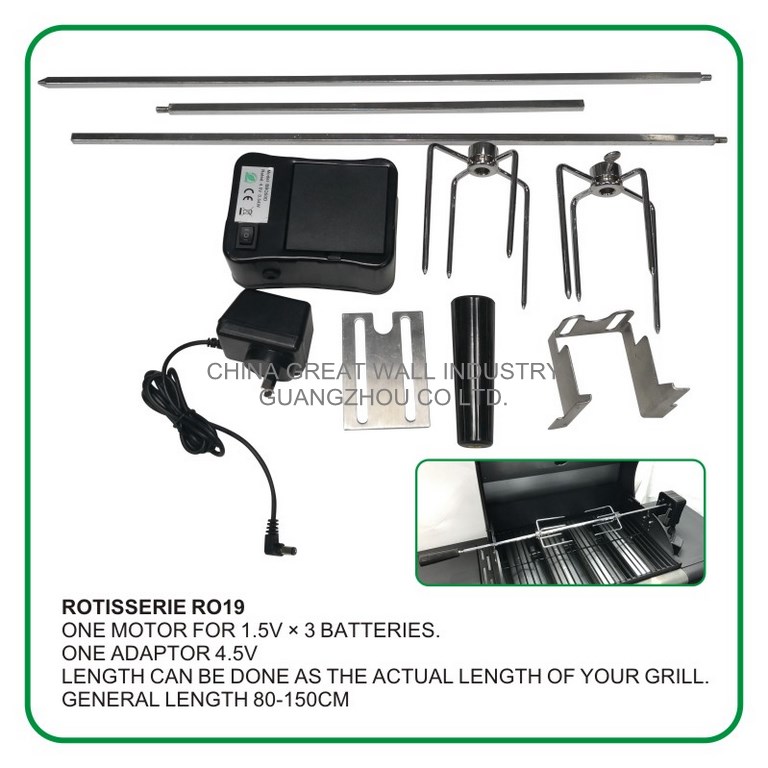
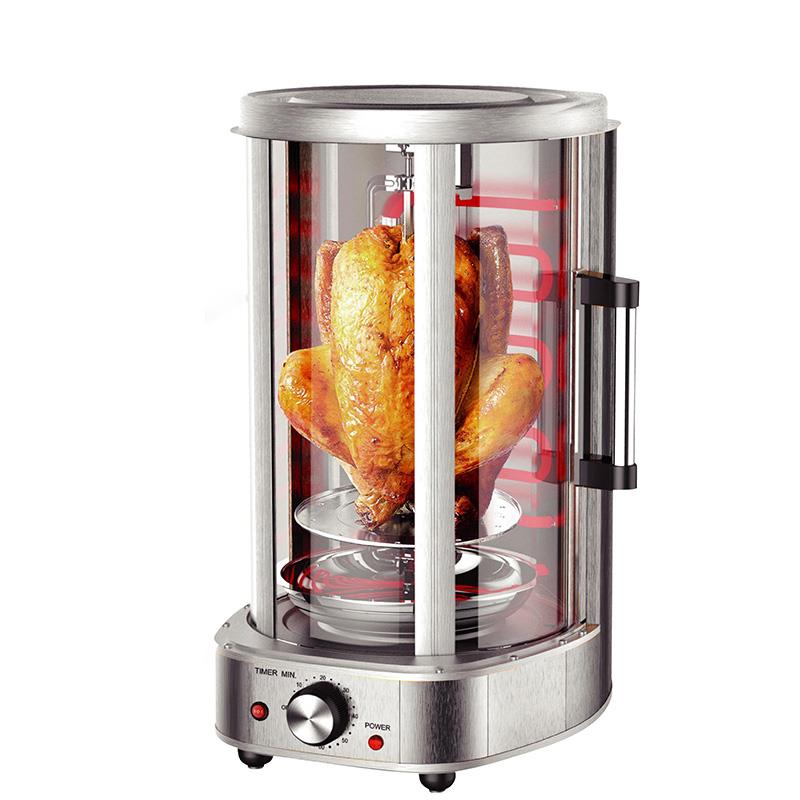
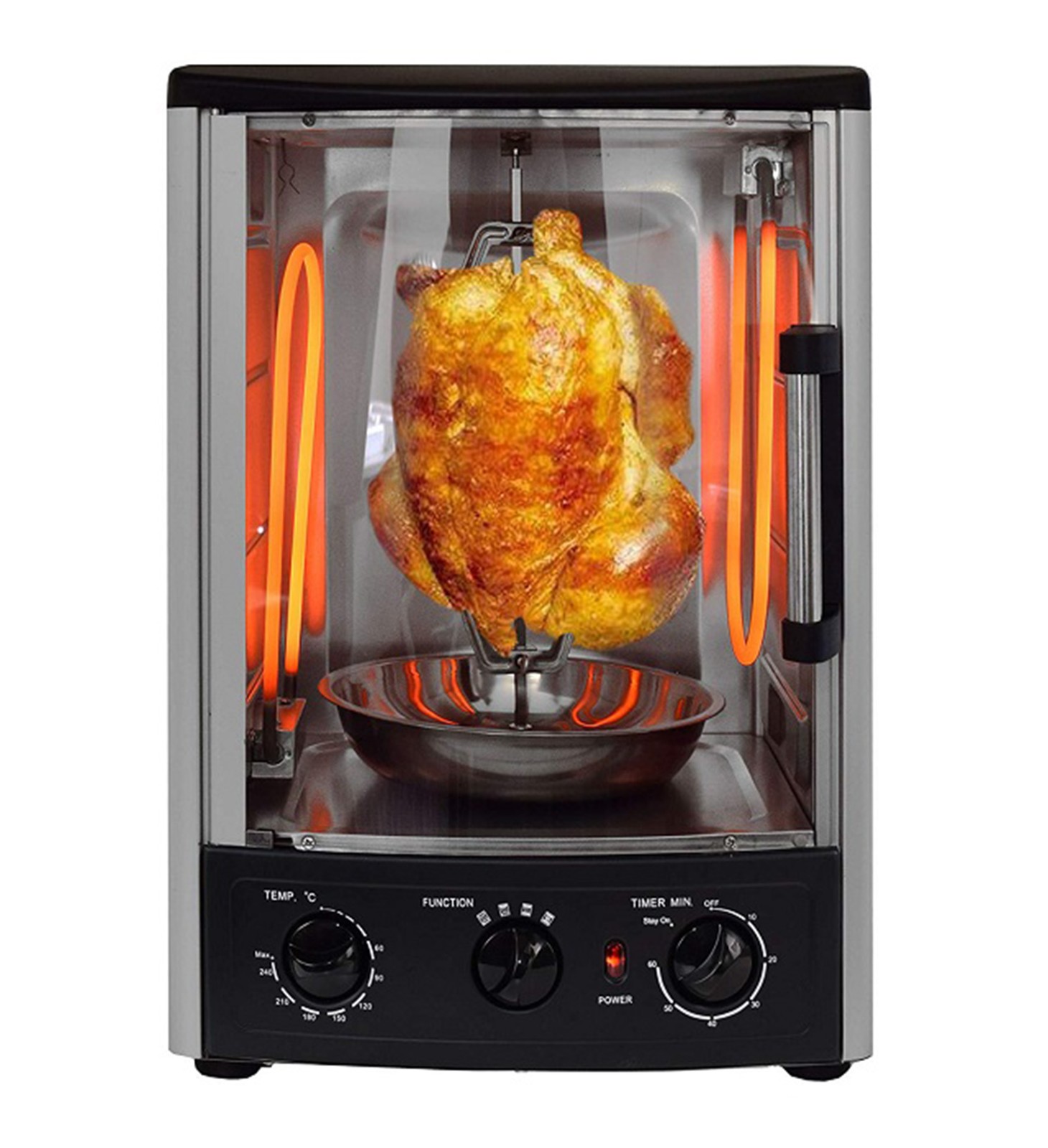
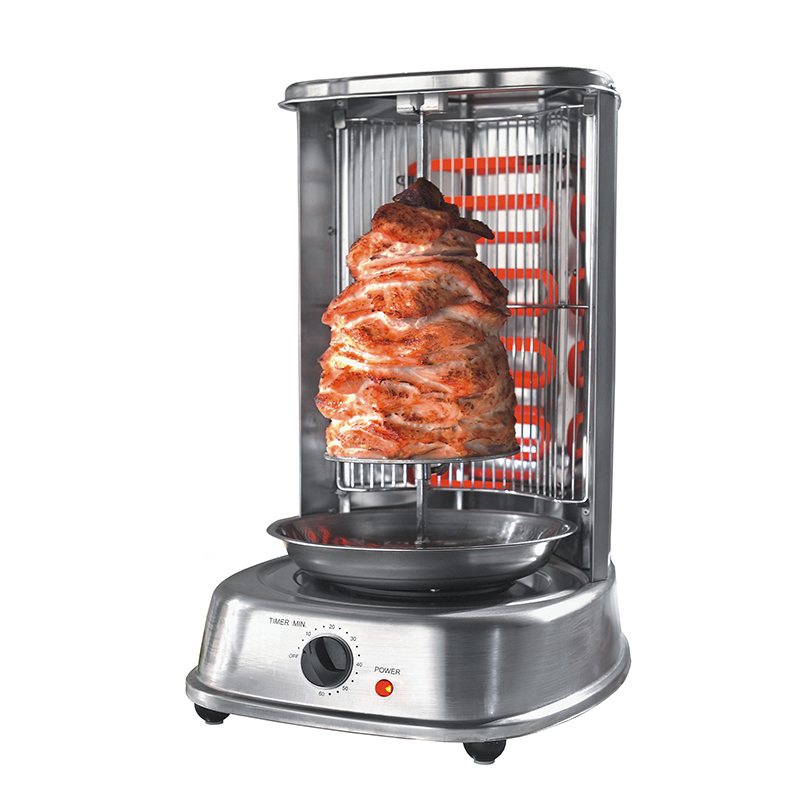
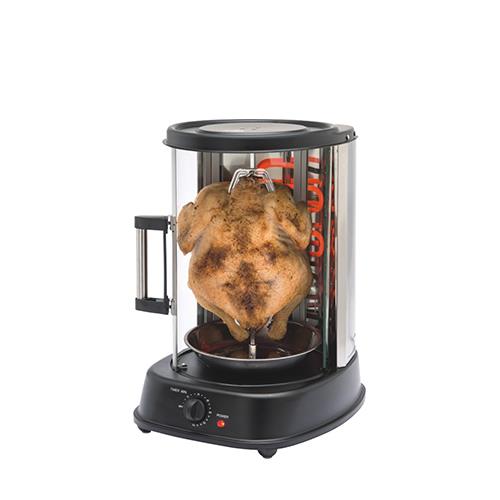
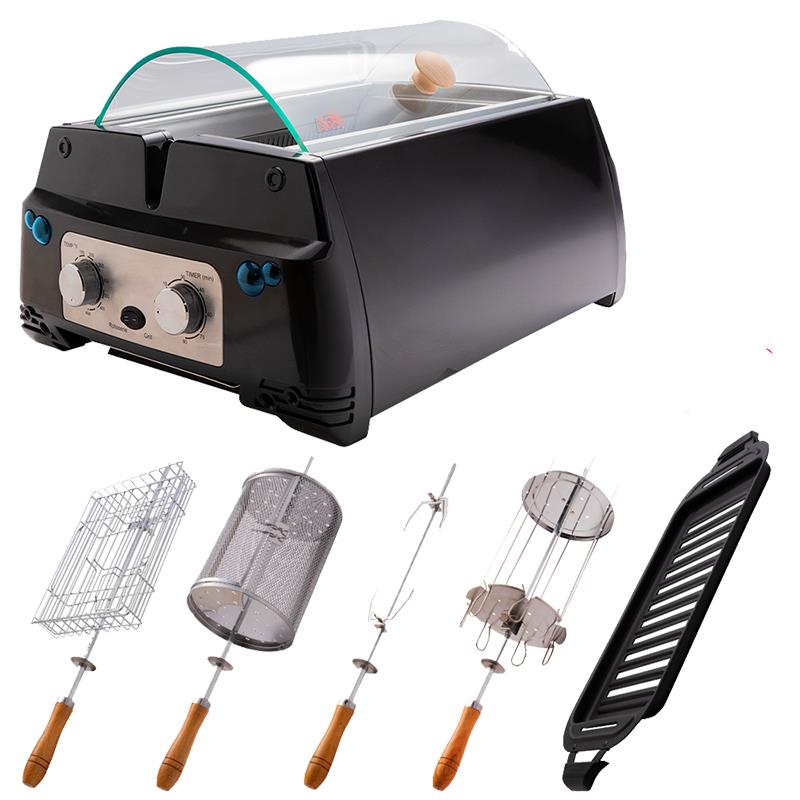
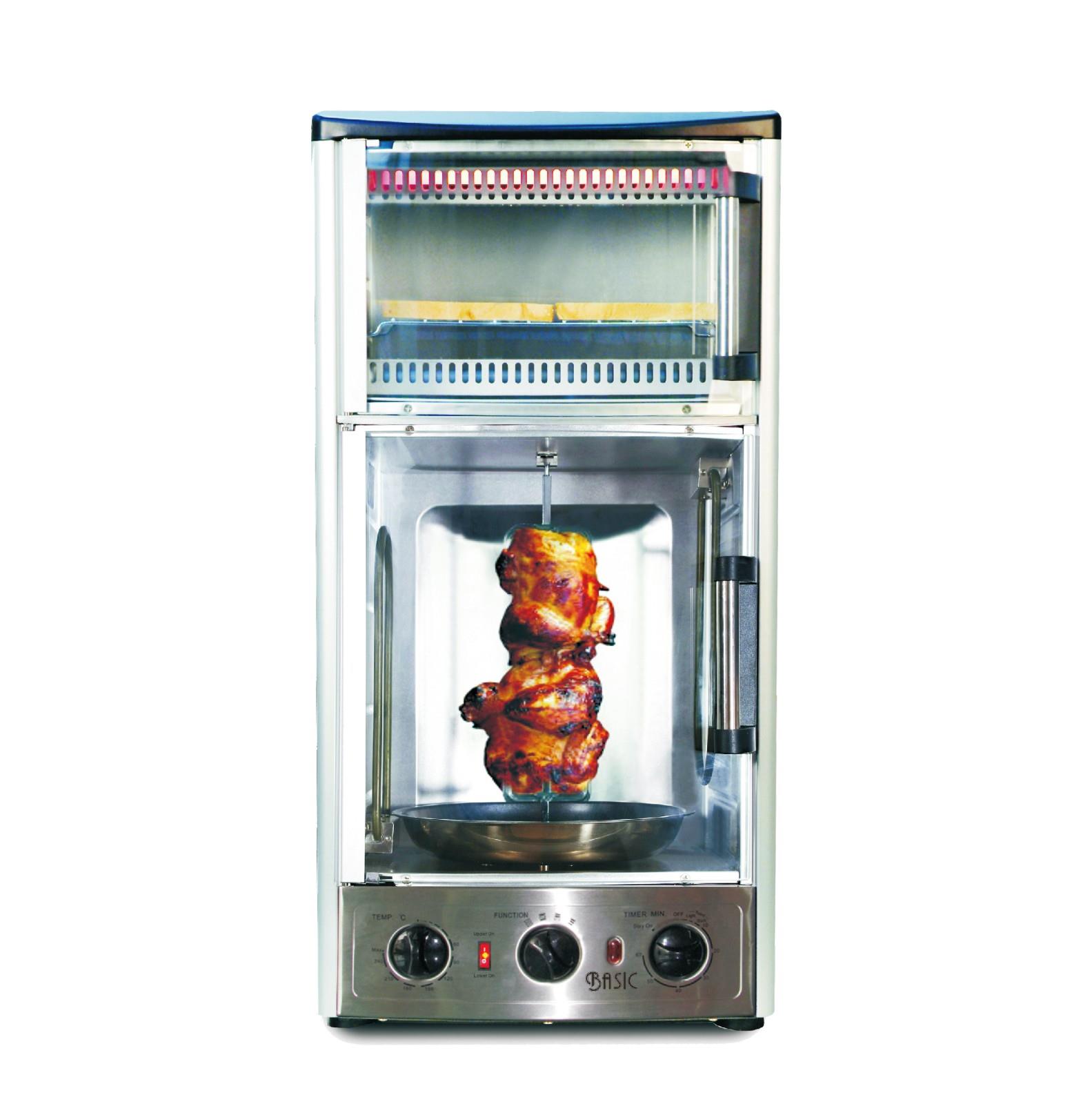
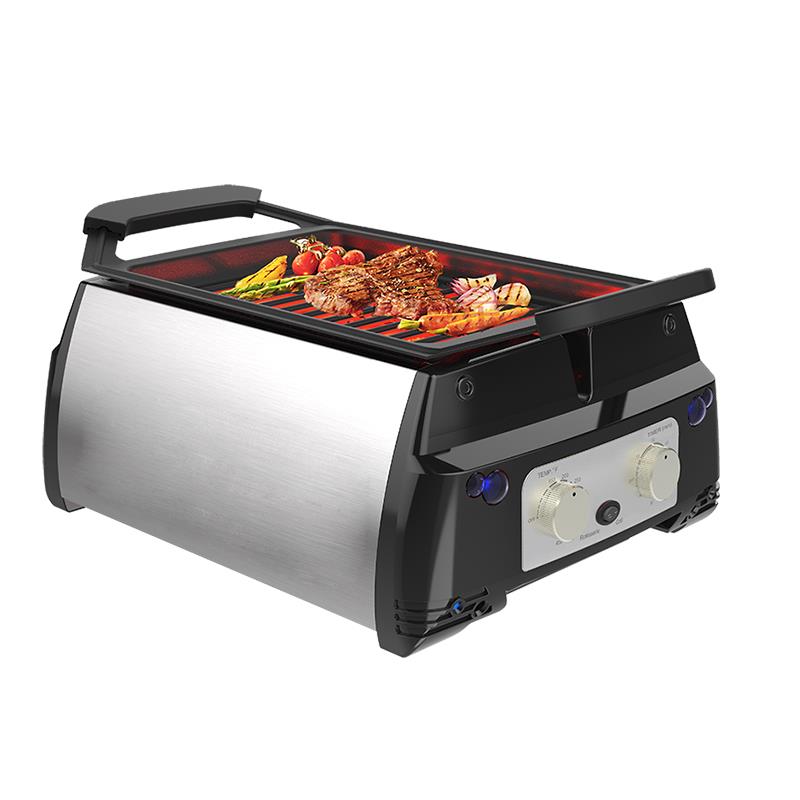
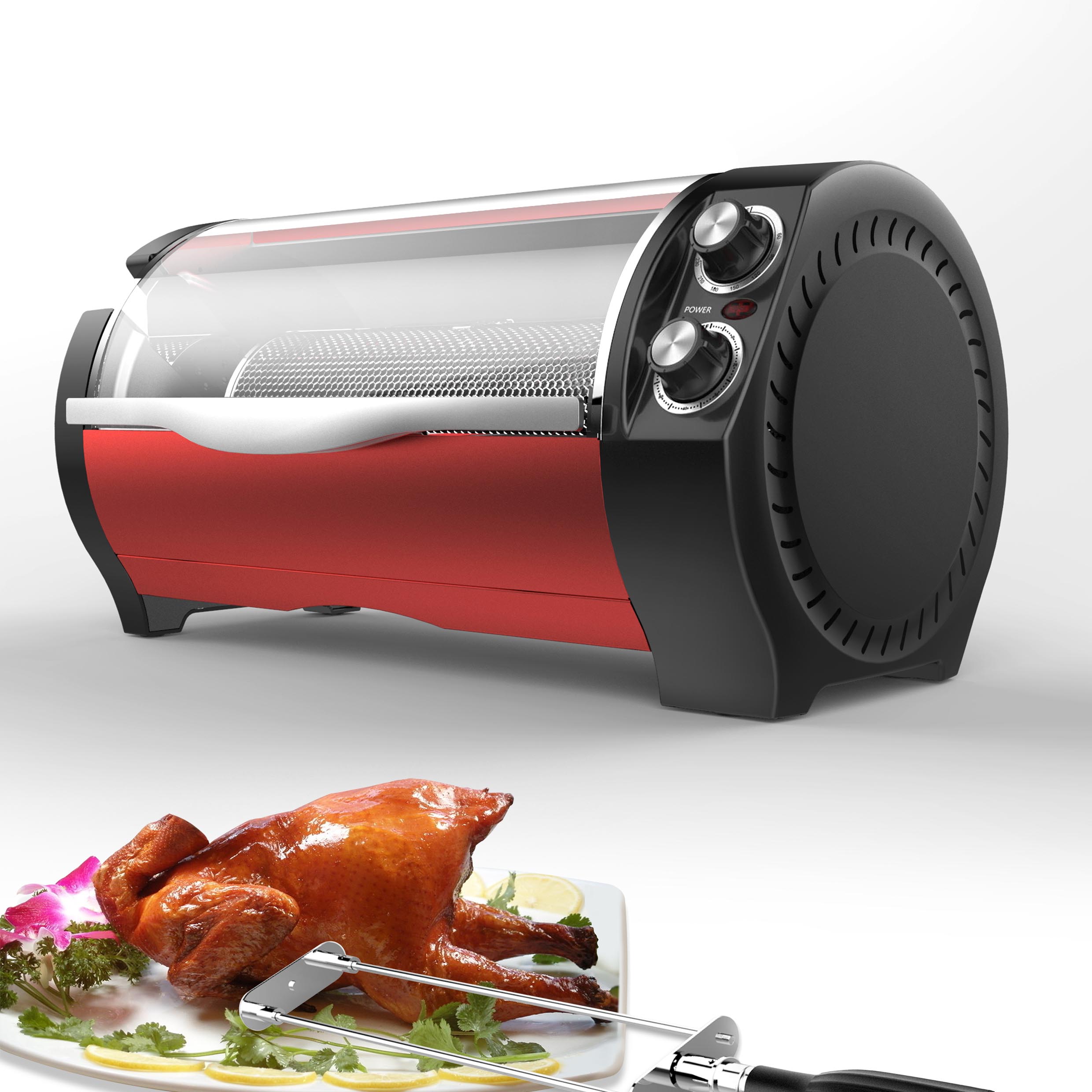
Rotisseries
Source commercial and residential rotisseries from vetted manufacturers and suppliers. Designed for importers, wholesalers, and brands seeking OEM or private-label production, our network delivers reliable bulk manufacturing with rigorous quality control and full market compliance.
Sourcing rotisseries in volume requires a strict focus on mechanical endurance and thermal efficiency. Whether you are developing a compact countertop model or a high-capacity unit, success hinges on selecting a manufacturer capable of delivering consistent heat retention and reliable motor performance under continuous load. Poor component selection at the factory level directly translates to motor stalling, uneven cooking, and costly warranty claims.
Core Engineering and Component Specifications
When negotiating with rotisserie manufacturers, the bill of materials (BOM) dictates both the unit cost and the product's lifespan. Professional buyers must specify exact requirements for the three critical subsystems: the drive motor, the heating elements, and the housing insulation.
- Drive Motors: The heart of any rotisserie is the gear motor. Consumer models typically use AC synchronous motors, while higher-end or commercial units may utilize DC gear motors for variable speed control. You must specify the torque rating (typically measured in kgf.cm) based on the maximum rated spit weight. Under-speccing the motor to save costs leads to stripped gears and motor burnout.
- Heating Elements: Infrared quartz tubes offer rapid heat-up times and high efficiency, making them popular for consumer models. However, stainless steel tubular elements (often SUS304 or Incoloy) provide superior durability and resistance to grease and physical impact, which is essential for heavy-duty applications.
- Housing and Insulation: Standard consumer units often use cold-rolled steel with a powder-coated finish, but premium models demand stainless steel (grade 430 for exterior, 304 for interior food-contact zones). Proper thermal insulation, such as ceramic fiber batting between dual-wall construction, is critical to keep exterior temperatures compliant with safety standards.
| Specification | Standard Countertop | Premium / Heavy-Duty |
|---|---|---|
| Motor Torque | 4 to 8 kgf.cm | 15 to 30+ kgf.cm |
| Heating Element | Infrared Quartz | SUS304 / Incoloy Tubular |
| Housing Material | Cold-Rolled Steel (Coated) | Stainless Steel (430/304) |
| Control Board | Mechanical Timer/Thermostat | Digital PCBA with NTC Sensors |
Need help identifying a factory with the right engineering capabilities for your rotisserie project?
Talk to our teamManufacturing Quality Control and Compliance
The assembly of rotisseries involves a mix of metal stamping, electrical wiring, and mechanical alignment. Minor deviations on the assembly line can cause significant performance issues. For instance, if the motor bracket is slightly misaligned during stamping, the spit will bind, causing premature gear wear.
Implementing rigorous Quality Control & Inspection is non-negotiable. In-line inspections should verify the alignment of the drive mechanism, while pre-shipment inspections must include high-pot testing (dielectric withstand) and earth continuity checks to ensure electrical safety.
Critical Factory Inspection Points
- Motor alignment and spit rotation smoothness under maximum rated load
- High-pot (dielectric) and ground continuity testing on 100% of units
- Thermocouple testing on outer housing to verify thermal insulation limits
- Door hinge endurance and tempered glass thermal shock resistance
- Verification of food-grade certifications for spits, forks, and interior panels
Furthermore, rotisseries must adhere strictly to regional safety and food-contact regulations. For the US market, UL 1026 (Household Electric Cooking and Food Serving Appliances) and FDA food contact material standards are mandatory. For Europe, CE (LVD/EMC), RoHS, and LFGB compliance are required. Partnering with a sourcing team that understands Compliance & Testing ensures your products won't face customs holds or retailer rejections.
Pricing, MOQs, and Lead Times
Understanding the production realities in major manufacturing hubs (predominantly Guangdong and Zhejiang provinces in China) helps in planning your procurement cycle and negotiating terms.
Most factories operate on tight margins and rely on volume to absorb tooling and setup costs. While off-the-shelf white-label products might have lower thresholds, custom OEM/ODM Services require standard container-volume commitments.
Cost drivers in rotisserie manufacturing are highly predictable. The primary variables are the grade of stainless steel used, the complexity of the PCBA (if digital), and the inclusion of accessories (baskets, skewer sets, specialized forks). When evaluating factory quotes, always ensure the BOM is fully itemized so you are comparing equivalent component grades.
Streamline your supply chain and negotiate better terms with vetted appliance manufacturers.
Get a free consultationFrequently Asked Questions
Sourcing reliable rotisseries at scale is about mastering the balance between mechanical durability and thermal management. By specifying the right motor torque, insisting on high-grade heating elements, and enforcing strict in-line quality control, you can deliver a product that performs consistently over years of heavy use.
Get Sourcing Help for Rotisseries
Tell us your requirements and our experts will connect you with verified manufacturers.