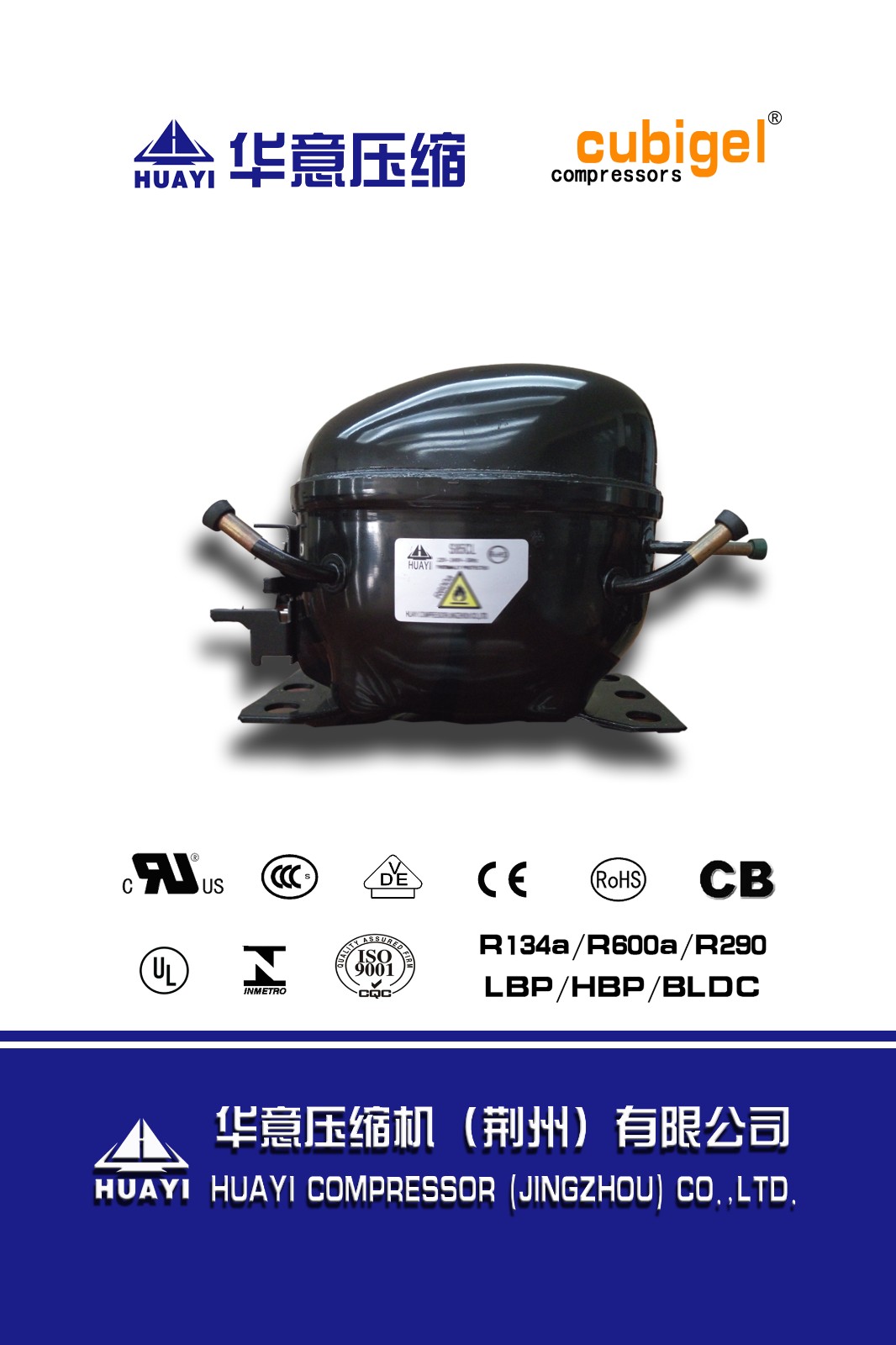
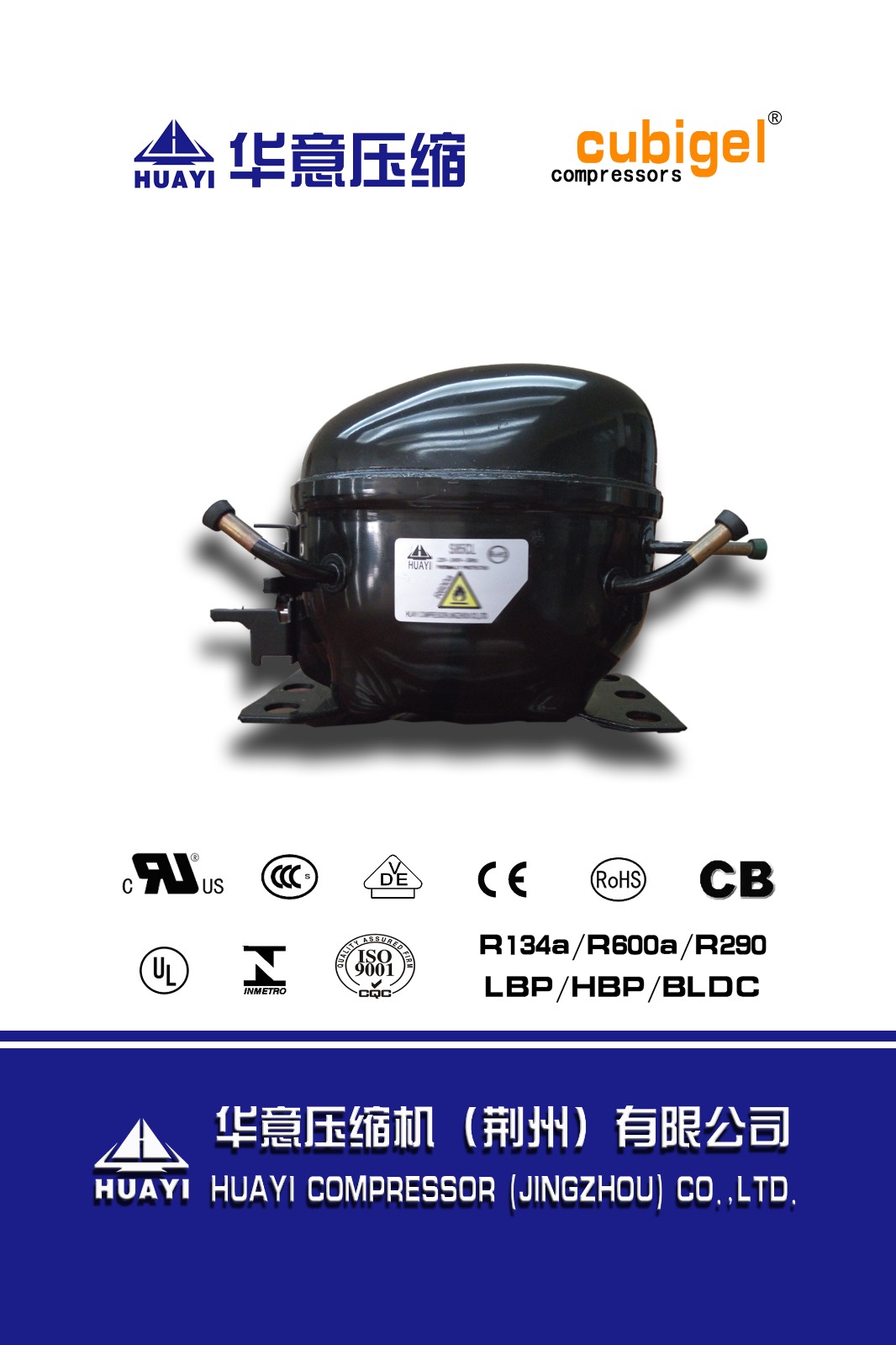
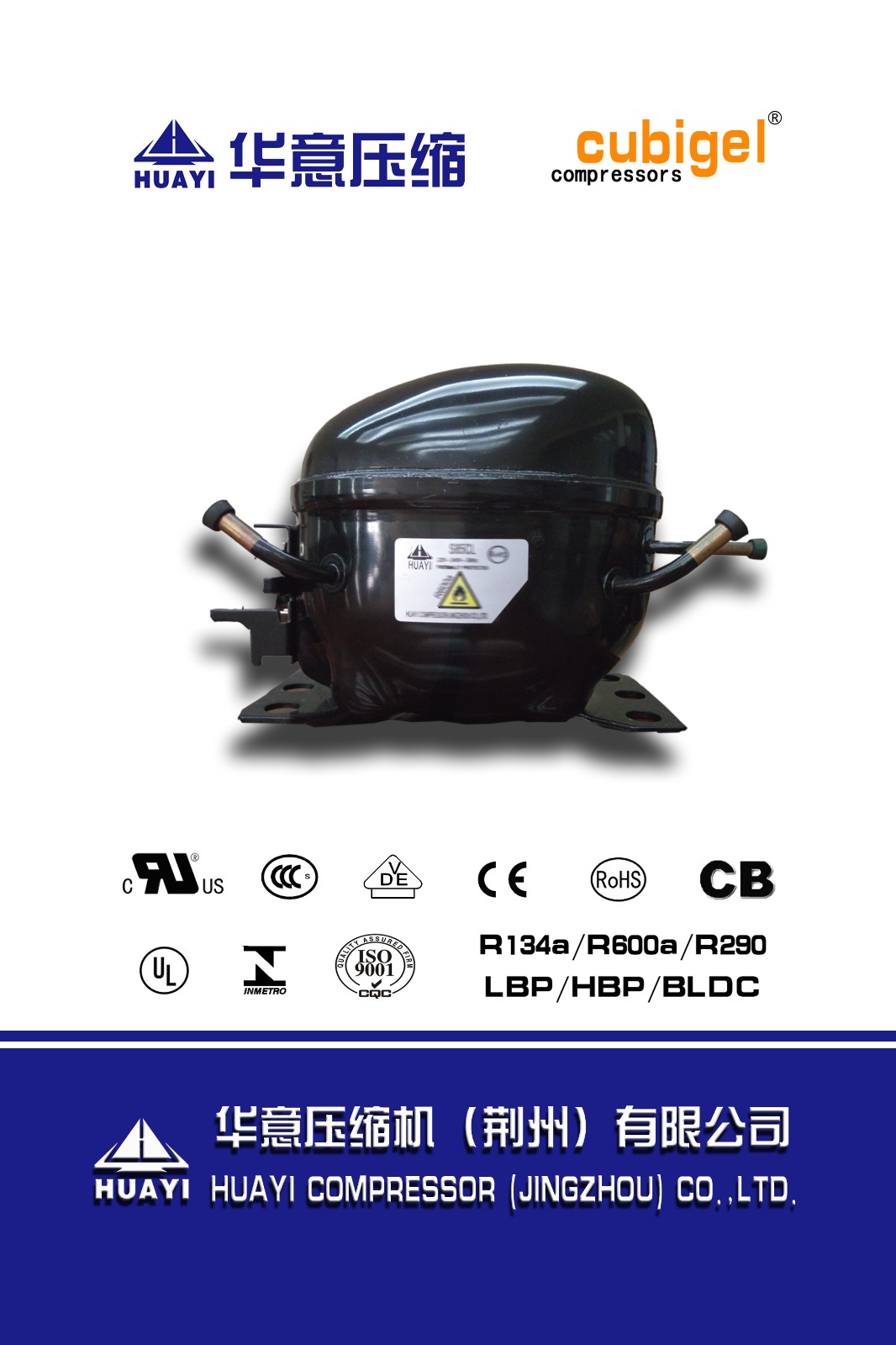
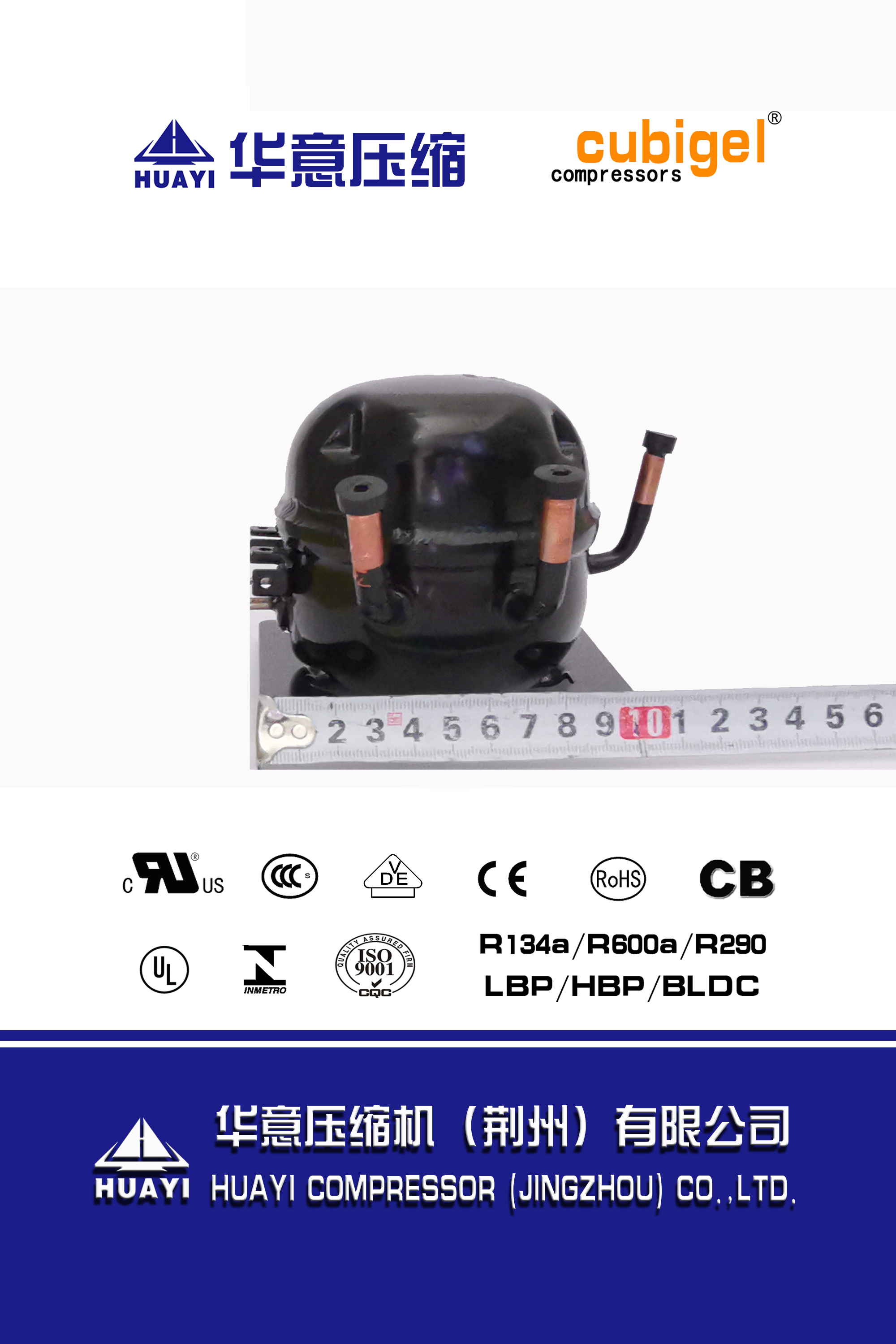
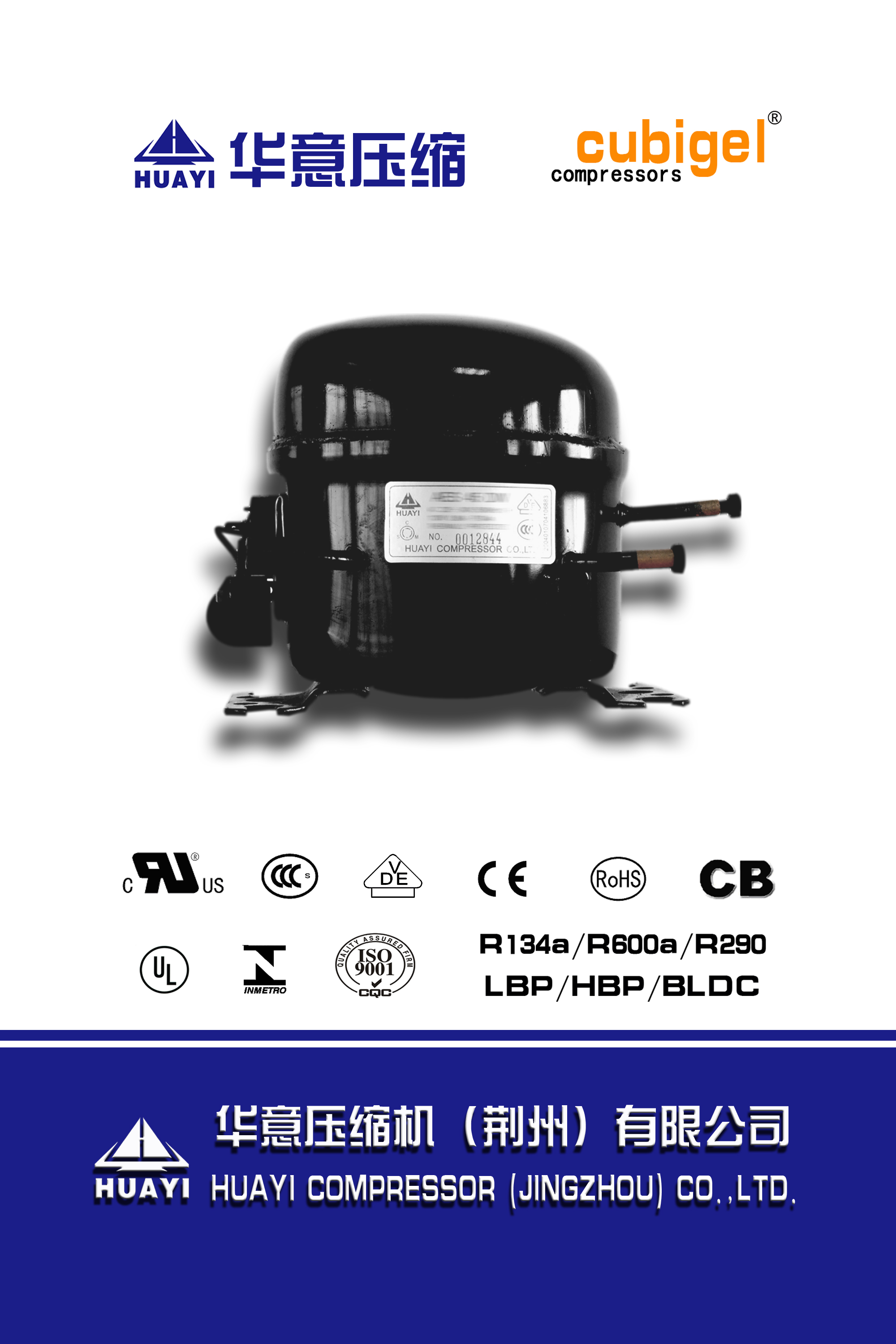
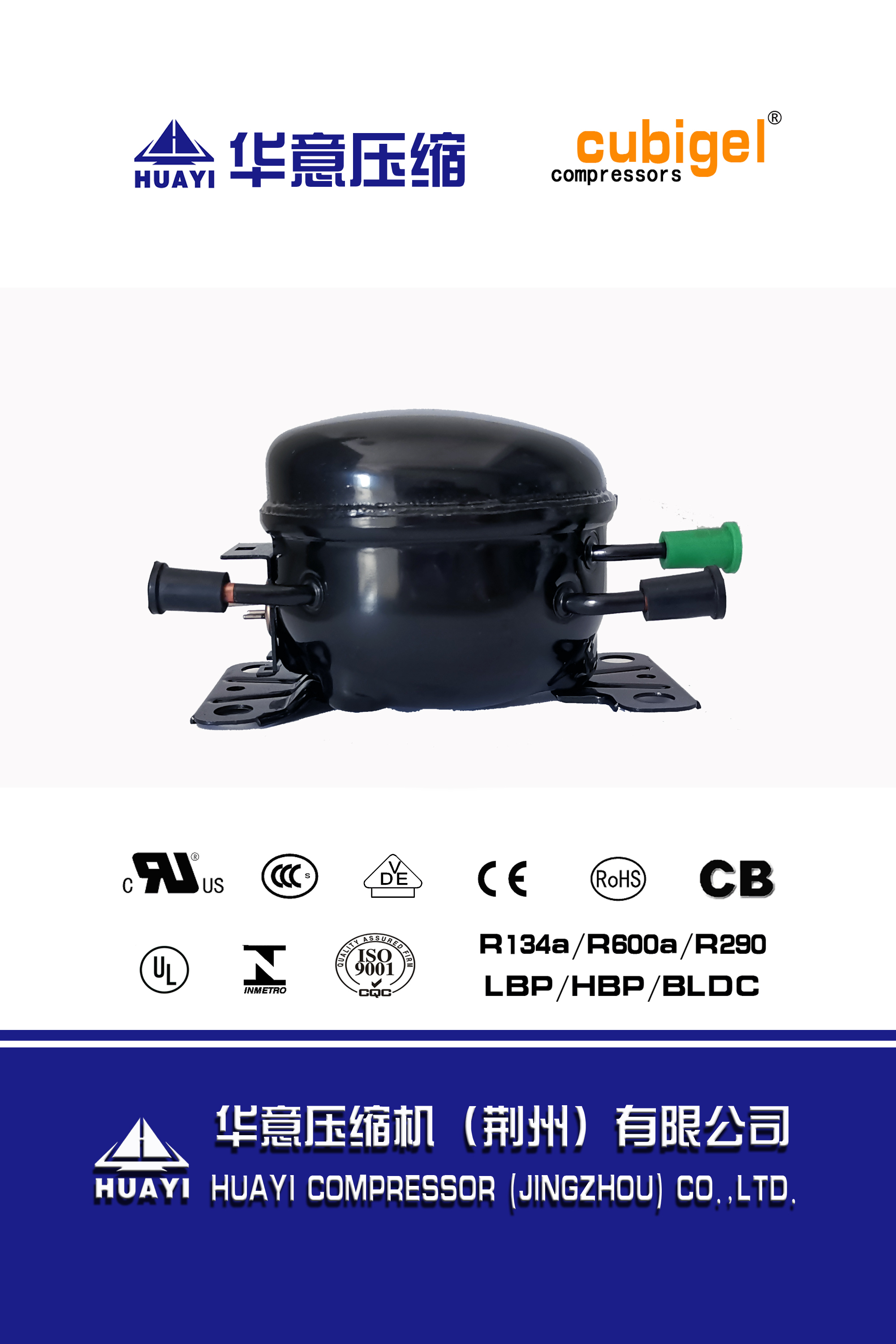
Refrigerator & Freezer Parts
Source commercial and residential refrigerator and freezer parts from vetted suppliers and manufacturers across Asia. Designed for importers, appliance wholesalers, and brands seeking reliable OEM production, this catalog covers high-volume components engineered for thermal efficiency, durability, and global compliance.
Sourcing refrigeration components at scale requires strict adherence to thermal performance metrics, electrical safety standards, and refrigerant compatibility. Whether you are supplying the global aftermarket repair channel or integrating parts into a new appliance assembly line, securing reliable components dictates the efficiency, energy rating, and lifespan of the final unit.
Core Engineering Specifications
The shift toward eco-friendly refrigerants has fundamentally changed component specifications. Parts must now be engineered to handle specific operating pressures and chemical interactions.
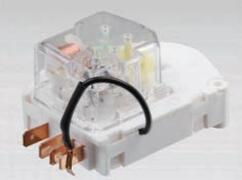
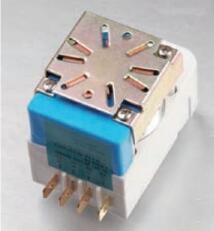
When specifying parts like compressors, evaporators, condensers, or defrost timers, buyers must define:
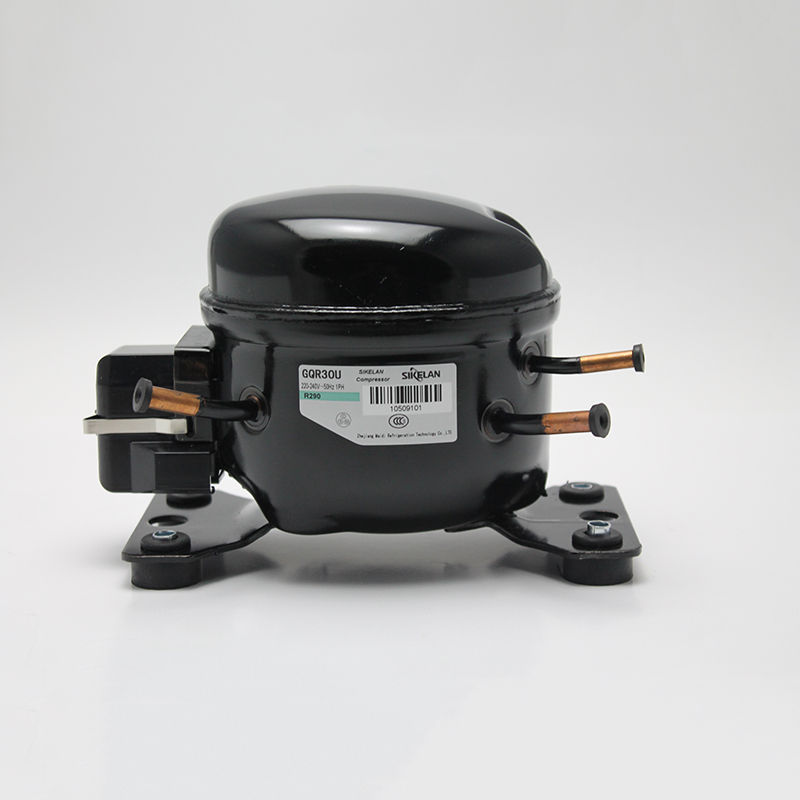
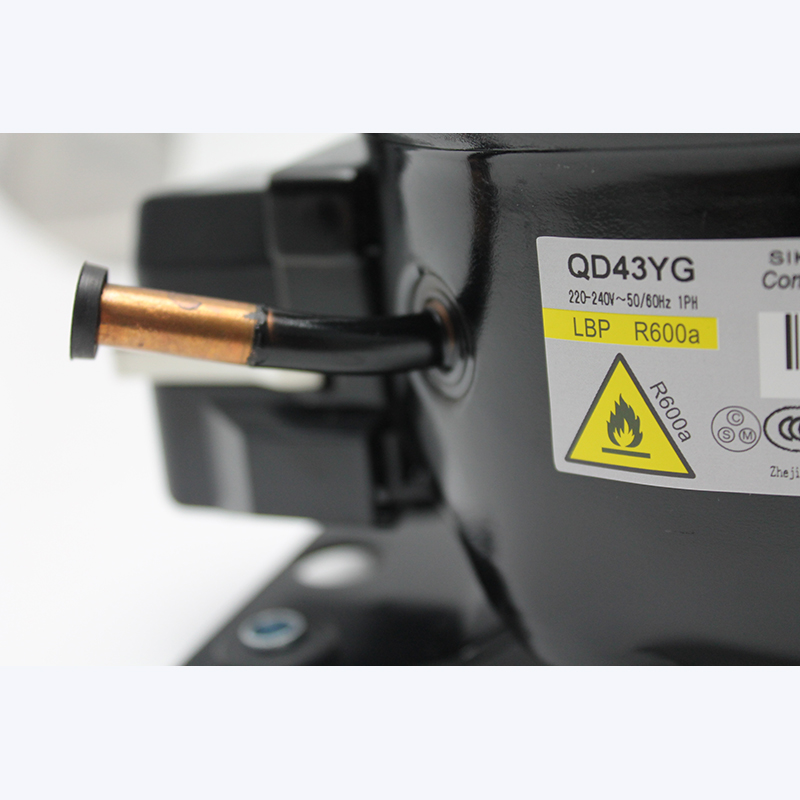
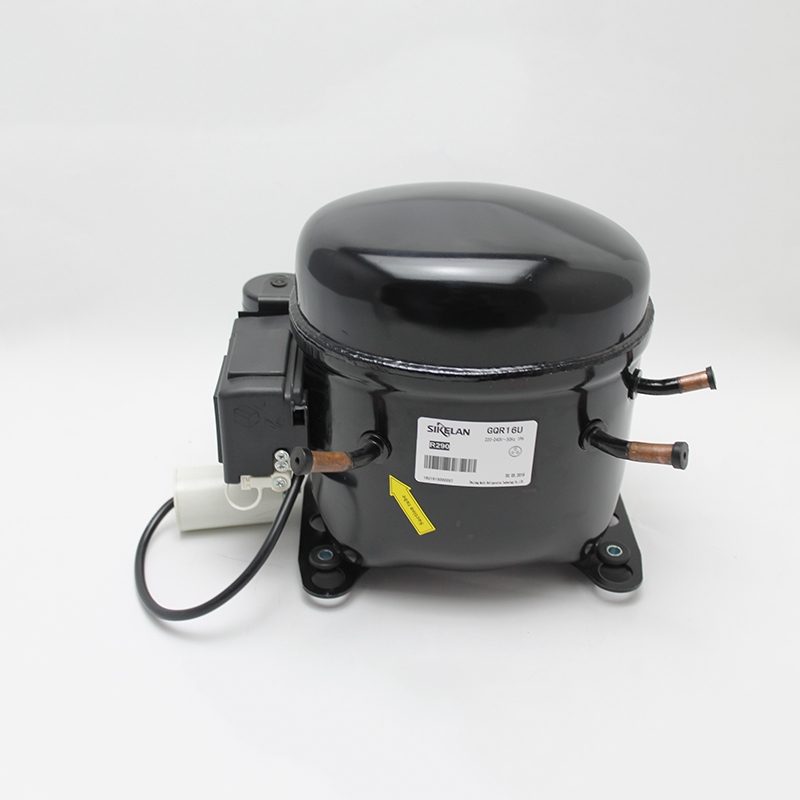
- Refrigerant Compatibility: Components must be certified for the specific gas used in the system. Isobutane (R600a) and Propane (R290) require specific compressor displacements and spark-proof electrical relays due to their flammability, whereas legacy R134a systems operate under different pressure and lubrication parameters.
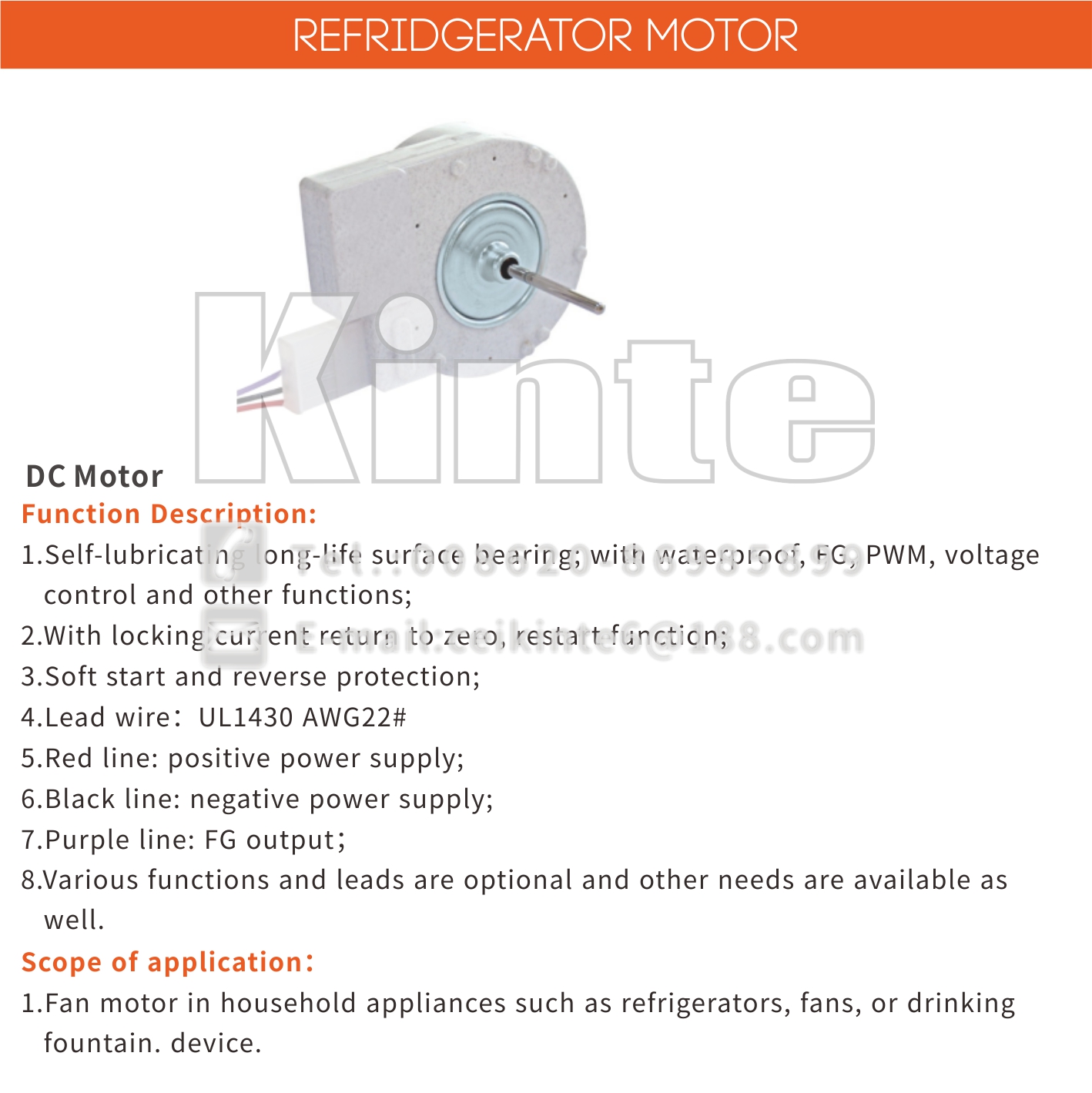
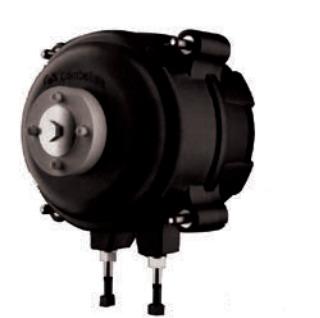
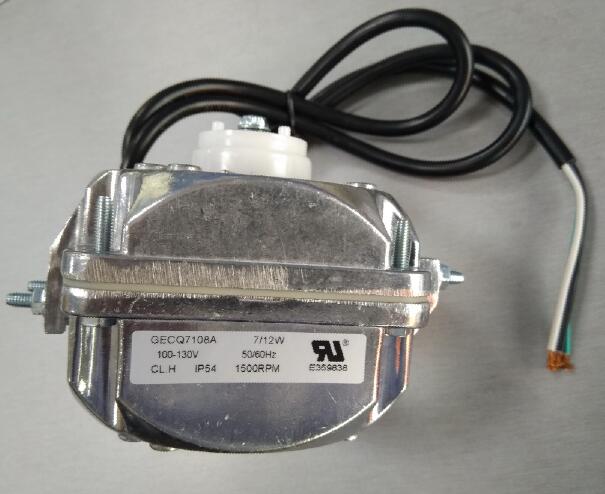
- Voltage and Frequency Tolerance: Global markets demand strict adherence to local grids (e.g., 110-120V/60Hz for North America vs. 220-240V/50Hz for Europe and Asia). Compressors and fan motors must be rated for voltage fluctuations without overheating.
- Material Grades: Copper tubing in heat exchangers must meet minimum wall thickness standards to prevent micro-leaks, while evaporator fins require hydrophilic aluminum coatings to ensure efficient defrosting cycles.
Electrical Certification Requirements
Electrical components such as thermostats, relays, and fan motors must carry the appropriate regional safety marks (UL, VDE, CE, CCC) before importation. Customs will routinely seize shipments of uncertified electrical appliance parts.
Need to secure a reliable supply chain for certified refrigeration components? Let us match your technical requirements with vetted manufacturers.
Talk to our teamFactory Floor Realities and Defect Prevention
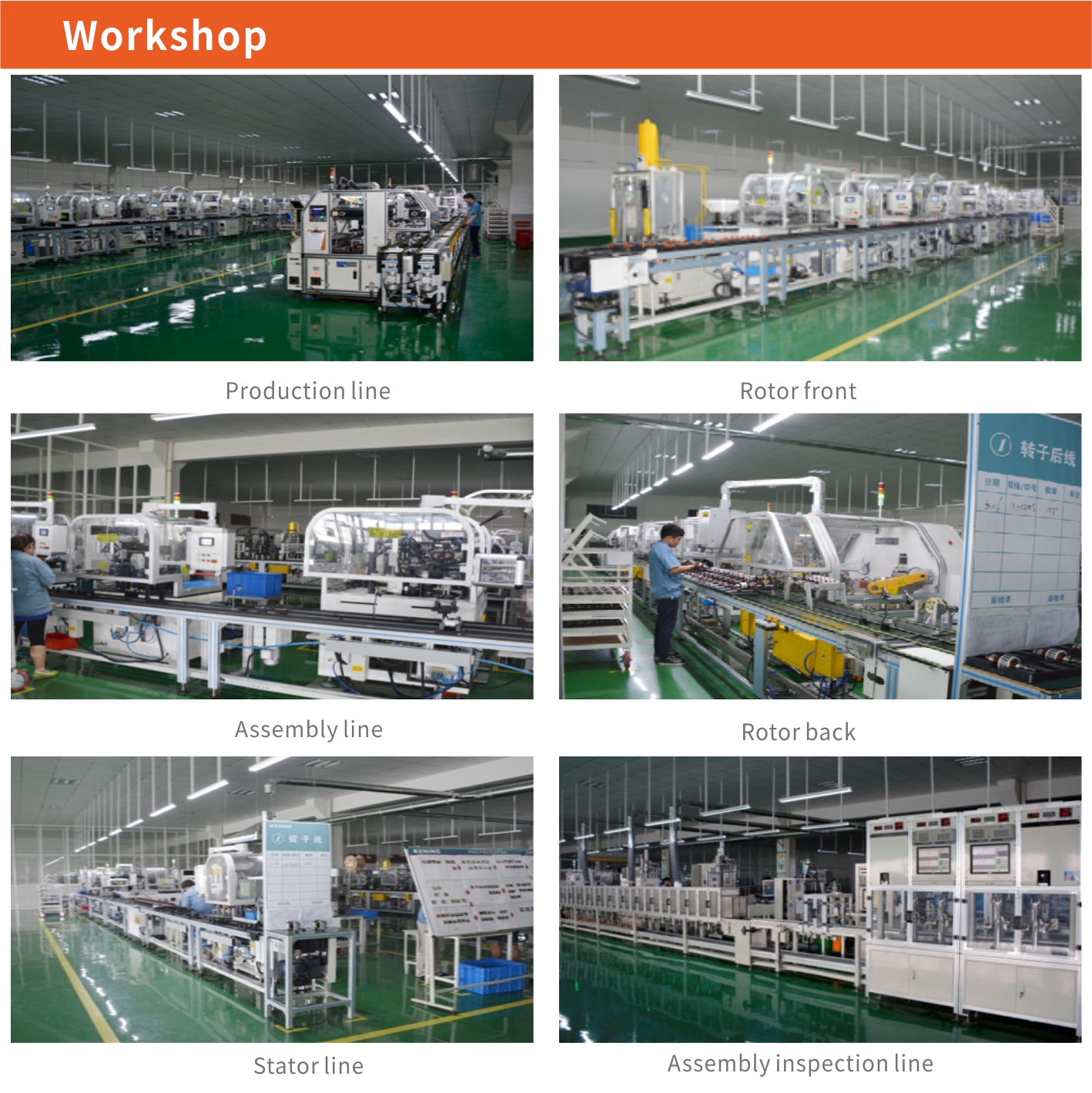
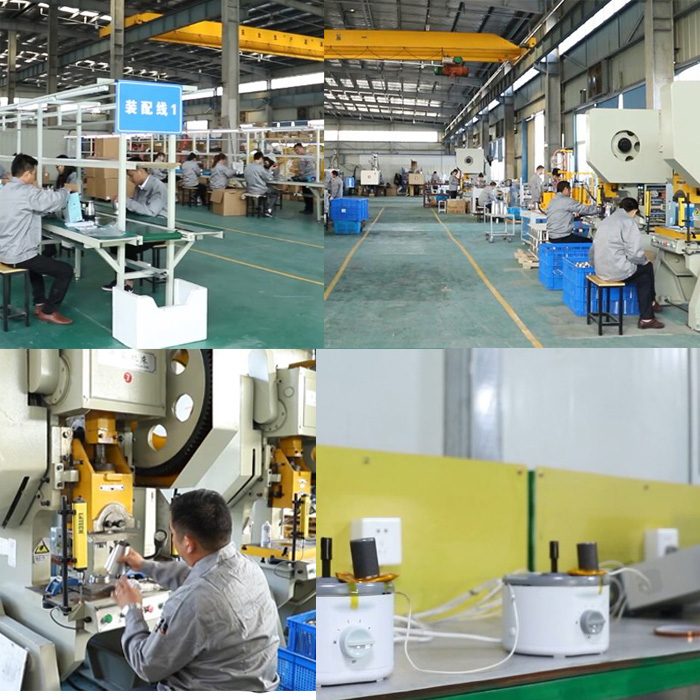
The highest failure rates in refrigeration parts stem from poor brazing in heat exchangers and compromised hermetic seals in compressors. Assessing a manufacturer's production line is critical; a facility producing consumer-grade parts may lack the rigorous testing infrastructure required for commercial-grade longevity.
Conducting thorough Factory Audits ensures the supplier utilizes automated brazing for consistency and operates clean rooms for compressor assembly to prevent particulate contamination.
Critical In-Line QC Checks
- Helium mass spectrometry testing for micro-leaks in coils and compressors.
- Dielectric withstand (Hi-Pot) testing on all electrical relays and motors.
- Magnetic pull-force testing on extruded PVC door gaskets.
- Capillary tube flow-rate calibration to ensure precise refrigerant metering.
Implementing robust Quality Control & Inspection prior to container loading is essential to verify that these parameters hold true for your specific production run, not just the golden sample.
Sourcing Mechanics: MOQs, Lead Times, and Tooling
Pricing and minimum order quantities in this category depend heavily on the manufacturing process and raw material costs (primarily copper, aluminum, and steel).
If you are developing proprietary appliance designs, you will need custom molds for plastic liners, shelving, and specifically routed condenser coils. Engaging OEM/ODM Services allows you to amortize tooling costs across initial high-volume production runs. Standard aftermarket replacement parts generally require no tooling fees but demand strict dimensional verification against OEM equivalents.
Optimize your procurement strategy. We negotiate pricing, manage tooling, and oversee quality control directly at the factory level.
Get a free consultationFrequently Asked Questions
Sourcing with Precision
Procuring refrigerator and freezer parts is an exercise in risk management. A single out-of-spec capillary tube or a faulty defrost timer can lead to widespread appliance failures and costly warranty claims. Success in this category requires partnering with manufacturers who treat thermal dynamics and electrical safety as engineering absolute, not just assembly guidelines.
Get Sourcing Help for Refrigerator & Freezer Parts
Tell us your requirements and our experts will connect you with verified manufacturers.