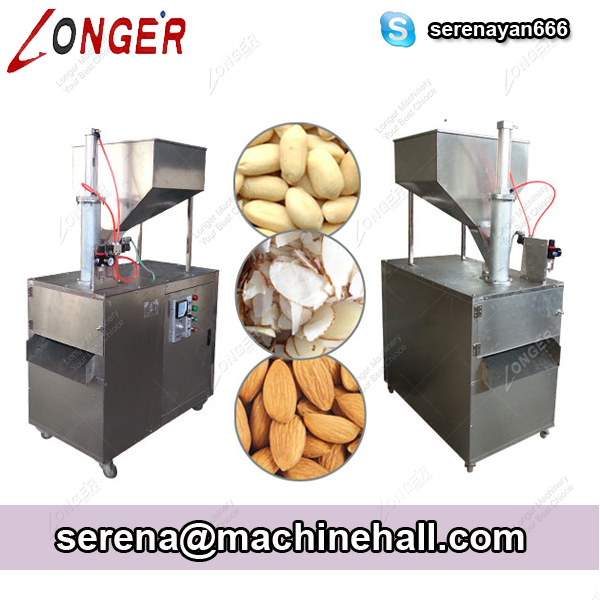
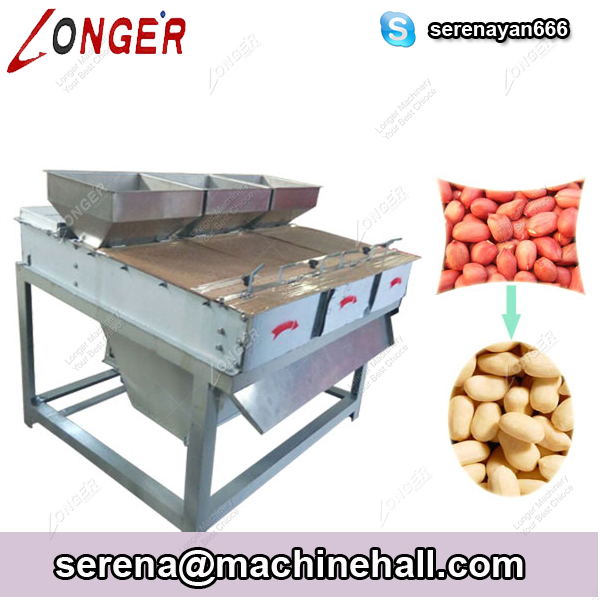
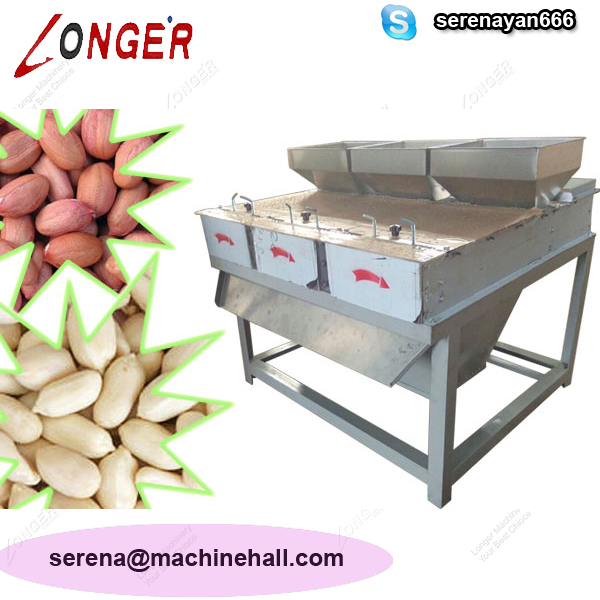
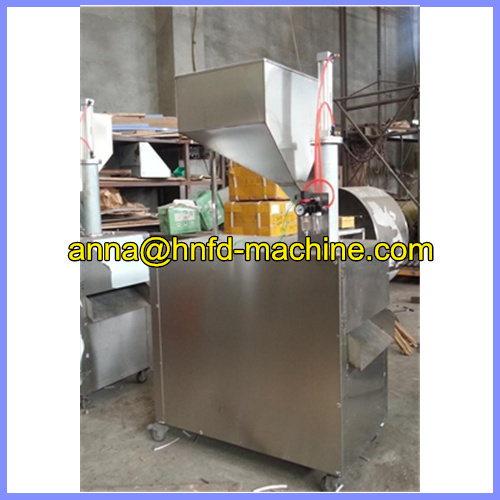
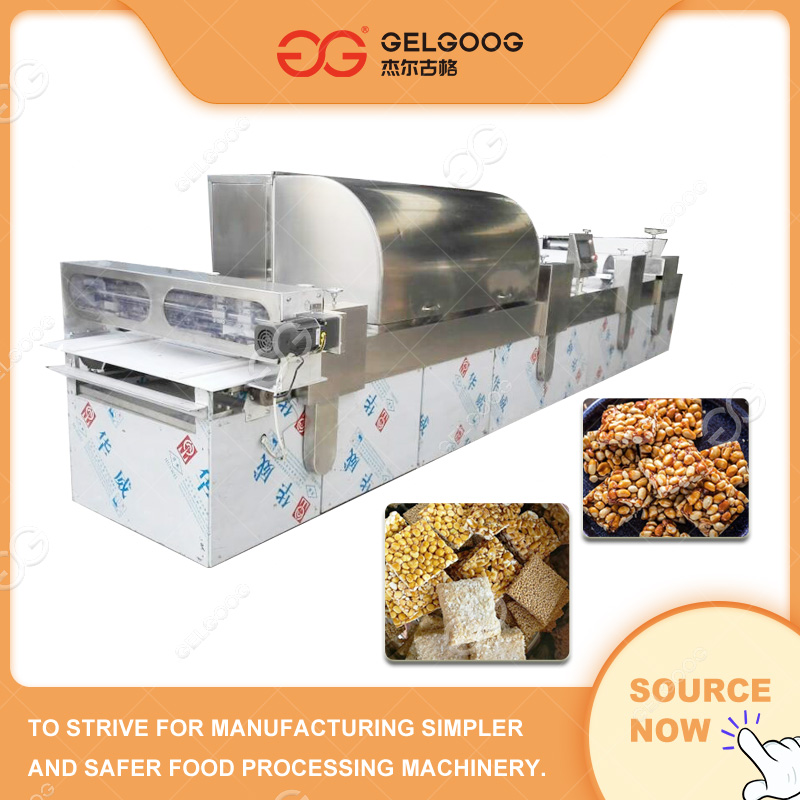
Peanut Processing Machines
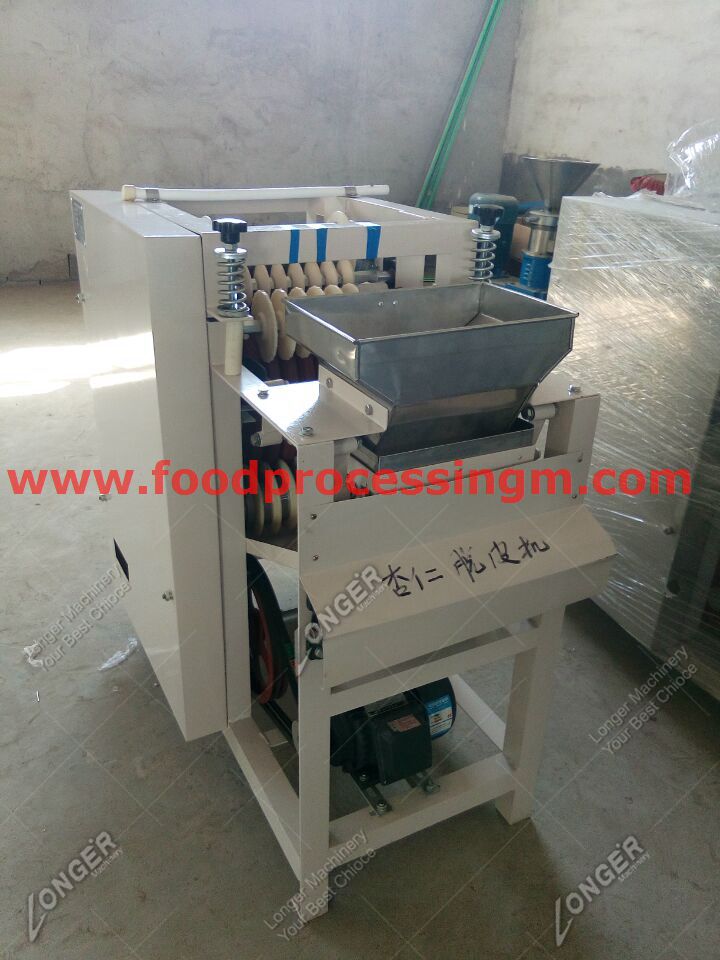
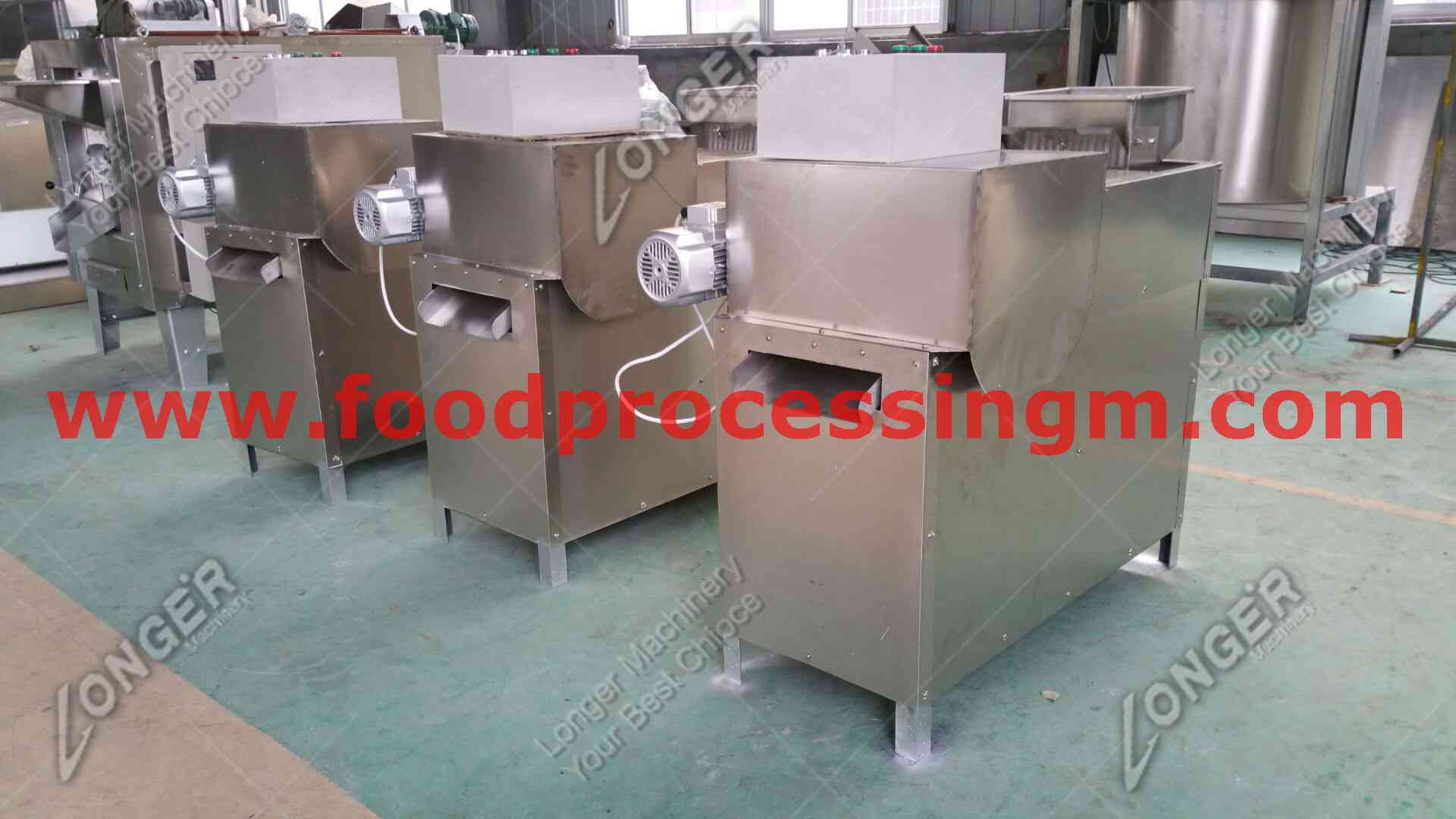
Source commercial and industrial Peanut Processing Machines from vetted suppliers and manufacturers across Asia. Designed for equipment importers, wholesale distributors, and food brands requiring reliable OEM production, this catalog features robust machinery engineered for high-throughput roasting, blanching, grinding, and coating.
Sourcing industrial peanut processing equipment requires balancing high-throughput performance with stringent food safety standards. Whether you are procuring continuous roasters, commercial peanut butter grinders, or automated blanching lines, the primary challenge is verifying that the manufacturer's engineering capabilities match their spec sheets. The supplier base is highly fragmented; while many workshops assemble off-the-shelf components, identifying true manufacturers with robust engineering and quality control systems is critical to avoiding costly downtime and maintenance issues.
Critical Specifications for Industrial Processing
When dealing with food and beverage machinery, exact specifications dictate not only the machine's lifespan but also its compliance with local health regulations. Buyers must look beyond basic capacity metrics (such as kilograms per hour) and scrutinize the build quality and component sourcing.
| Component | Standard Commercial | High-Volume Industrial |
|---|---|---|
| Food Contact Surfaces | SUS304 (1.5mm to 2mm thick) | SUS304 or SUS316L (3mm or thicker) |
| Motors & Electronics | Domestic Chinese brands | Siemens, ABB, Schneider, or Omron |
| Welding Standard | Standard spot welding | Seamless argon arc welding (polished) |
| Heating Methods (Roasters) | Basic electric or gas | Thermal oil or advanced electromagnetic |
Voltage and Frequency Compliance
Industrial equipment is typically wired for 380V/50Hz three-phase power by default in Asian manufacturing hubs. You must explicitly specify your destination country's electrical requirements (for example, 220V/60Hz or 480V/60Hz) during the initial quotation phase to ensure the correct motors and inverters are installed.
Need help verifying a manufacturer's technical capabilities? Our engineering team can evaluate supplier spec sheets and ensure your machinery meets local compliance standards.
Discuss your equipment specsEvaluating Manufacturers and Quality Control
The manufacturing hubs for nut processing equipment are heavily concentrated in specific provinces in China, particularly Shandong and Henan. Because machinery represents a significant capital expenditure, relying solely on Alibaba profiles or trade show brochures is a high-risk strategy. Conducting thorough Factory Audits before placing a deposit is the most effective way to verify a supplier's machining accuracy, assembly processes, and financial stability.
Once production is underway, quality is won or lost in the details. Poor welding can leave microscopic crevices where bacteria thrive, failing FDA or CE food safety standards. Misaligned grinding burrs in peanut butter machines will result in inconsistent particle sizes and excessive heat generation, degrading the product's flavor profile.
Pre-Shipment Inspection Focus Areas
- Verify actual throughput capacity against contracted specifications using live test runs.
- Inspect all food-contact welds for seamless polishing to prevent bacterial buildup.
- Confirm international brand authenticity for PLCs, frequency inverters, and motors.
- Check the alignment, tension, and vibration levels of transmission belts and grinding components.
- Ensure comprehensive English-language operation manuals and wiring diagrams are included.
Implementing rigorous Quality Control & Inspection prior to container loading ensures that any defects or missing spare parts are addressed while the equipment is still on the factory floor.
Pricing Drivers, MOQs, and Lead Times
Machinery pricing is highly elastic and depends entirely on the bill of materials. Upgrading from domestic electronics to Tier-1 international brands (like Siemens or Schneider) or increasing the thickness of the stainless steel will significantly impact the unit cost.
Because peanut processing machines are heavy, oversized cargo, logistics planning must begin early. Improper crating can lead to severe damage during transit. It is crucial to coordinate Shipping & Freight with a forwarder experienced in industrial machinery, ensuring the equipment is packed in fumigated wooden crates with proper moisture barriers and securely lashed inside the container.
Managing machinery production and international freight is complex. Let us handle the supplier coordination, quality control, and logistics so you can focus on your operations.
Talk to our teamBuyer FAQ
Procuring industrial peanut processing machinery is an exercise in risk management. Success requires looking past the initial price tag to enforce strict material standards, verify electrical compliance, and conduct rigorous testing before the equipment ever leaves the factory. Partnering with a professional sourcing team ensures your capital investment arrives on time, on spec, and ready for immediate production.
Get Sourcing Help for Peanut Processing Machines
Tell us your requirements and our experts will connect you with verified manufacturers.