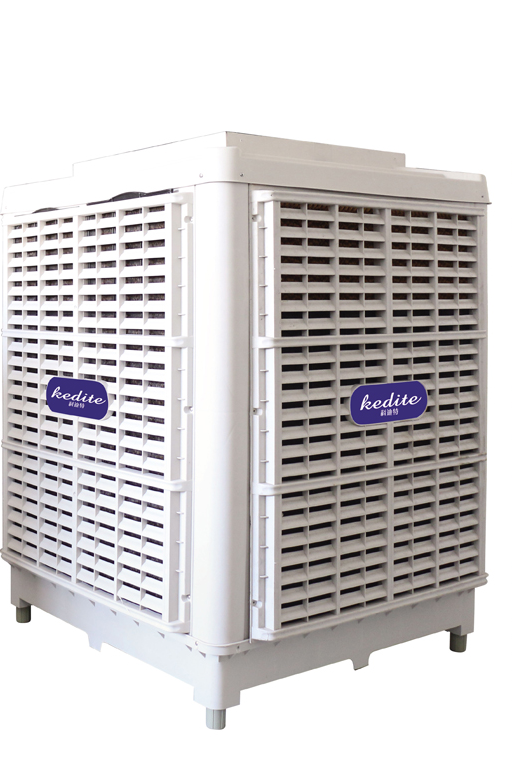
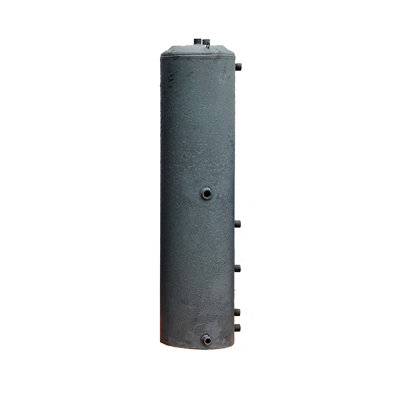
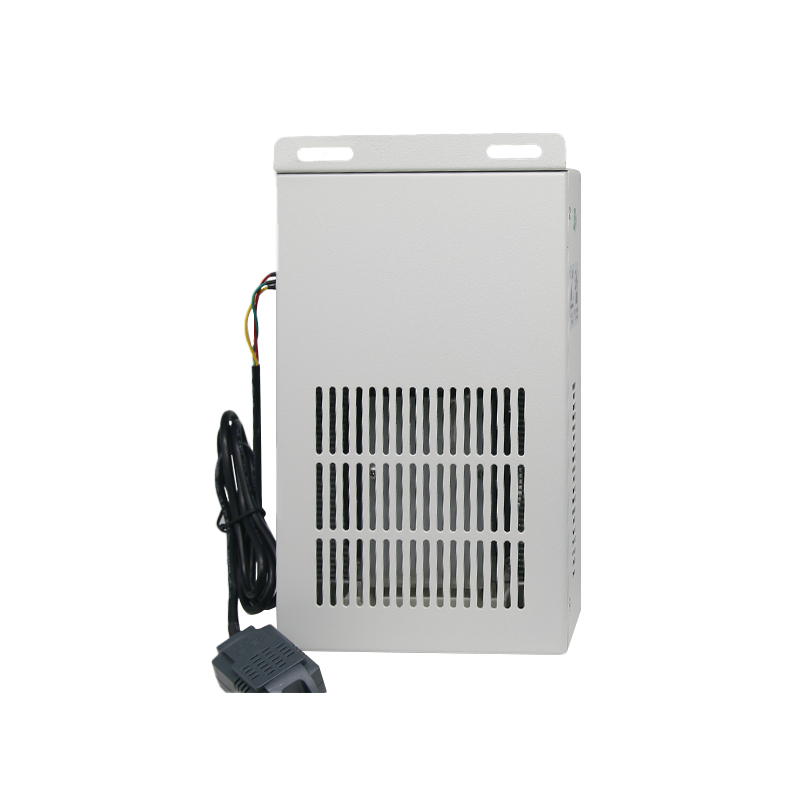
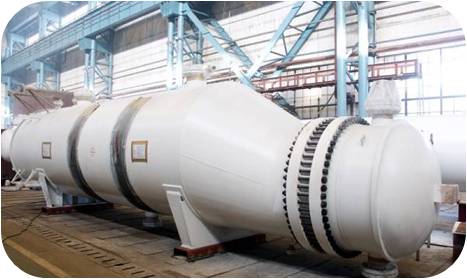
Other Refrigeration & Heat Exchange Equipment
Source high-quality Other Refrigeration & Heat Exchange Equipment directly from vetted manufacturers. Designed for importers, industrial distributors, and brands seeking OEM production, our network provides reliable, bulk, and custom thermal management solutions built to rigorous international standards.
Sourcing specialized refrigeration and heat exchange equipment requires precision. When standard chillers or off-the-shelf plate heat exchangers do not fit the application, buyers must navigate custom engineering, strict pressure vessel regulations, and specialized manufacturing capabilities. Whether you are importing custom evaporators, specialized industrial condensers, or niche thermal fluid systems, securing reliable production means looking closely at factory capabilities, material sourcing, and testing protocols.
Defining Specifications for Custom Thermal Equipment
Unlike standardized commercial cooling units, specialized heat exchange equipment is often built to order or heavily modified for specific industrial processes. A vague Request for Quotation (RFQ) will result in wildly varying price estimates and inconsistent performance.
To ensure accurate pricing and engineering, your RFQ must detail the exact operating envelope of the equipment.
Critical RFQ Parameters for Specialized Heat Exchangers
- Cooling/Heating Capacity: Specify exact kW or BTU requirements under specific ambient conditions.
- Operating Pressures: Define both nominal operating pressure and maximum allowable working pressure (MAWP).
- Material Grades: Specify exact alloys (e.g., SS316L, Titanium Gr. 2, Hastelloy) for wetted and non-wetted parts.
- Refrigerant/Fluid Compatibility: State whether the system uses standard HFCs, low-GWP blends, or natural refrigerants like CO2 or Ammonia.
- Control Systems: Specify required PLC brands (e.g., Siemens, Allen-Bradley) and communication protocols (Modbus, PROFINET).
Need help translating complex thermal requirements into a factory-ready RFQ? Merhein's engineering and sourcing experts can help you secure accurate quotes from capable manufacturers.
Talk to our teamManufacturing Tolerances and Quality Control
The reliability of refrigeration and heat exchange equipment is won or lost in the welding and sealing processes. Even microscopic defects can lead to refrigerant leaks, pressure loss, or catastrophic failure under thermal cycling.
When evaluating a manufacturer, pay close attention to their fabrication methods. Automated orbital welding is preferred for critical tube-to-tubesheet joints, while manual TIG welding requires highly certified operators.
Because defects are often invisible to the naked eye, robust Quality Control & Inspection must be integrated directly into the production timeline.
Material Verification
Checking incoming raw materials (tubing, plates, flanges) using Positive Material Identification (PMI) to ensure the correct alloy is used.
In-Process Weld Inspection
Conducting X-ray or ultrasonic testing on critical pressure-bearing welds before final assembly.
Hydrostatic Testing
Pressurizing the system with water to 1.3 to 1.5 times the design pressure to verify structural integrity and gross leak resistance.
Helium Mass Spectrometry
Using helium gas and a mass spectrometer to detect micro-leaks in the refrigerant circuit prior to charging or shipping.
Regulatory Compliance and Factory Vetting
Industrial thermal equipment is highly regulated. Depending on your target market, the equipment may need to comply with the ASME Boiler and Pressure Vessel Code (BPVC) for North America, or the Pressure Equipment Directive (PED) for the European Union.
Do not assume a factory can meet these standards just because they claim to manufacture pressure vessels. Proper Factory Audits are essential to verify that the supplier holds active, valid certifications (such as an ASME U-stamp) and has the in-house engineering staff to produce the required documentation and traceability reports. Furthermore, electrical components and control panels must meet local safety standards (UL/CSA or CE), which often requires specialized Compliance & Testing oversight.
MOQs, Pricing Drivers, and Lead Times
Specialized refrigeration equipment does not follow the same pricing or volume rules as consumer appliances. Production is often low-volume, high-mix, and heavily dependent on global commodity prices.
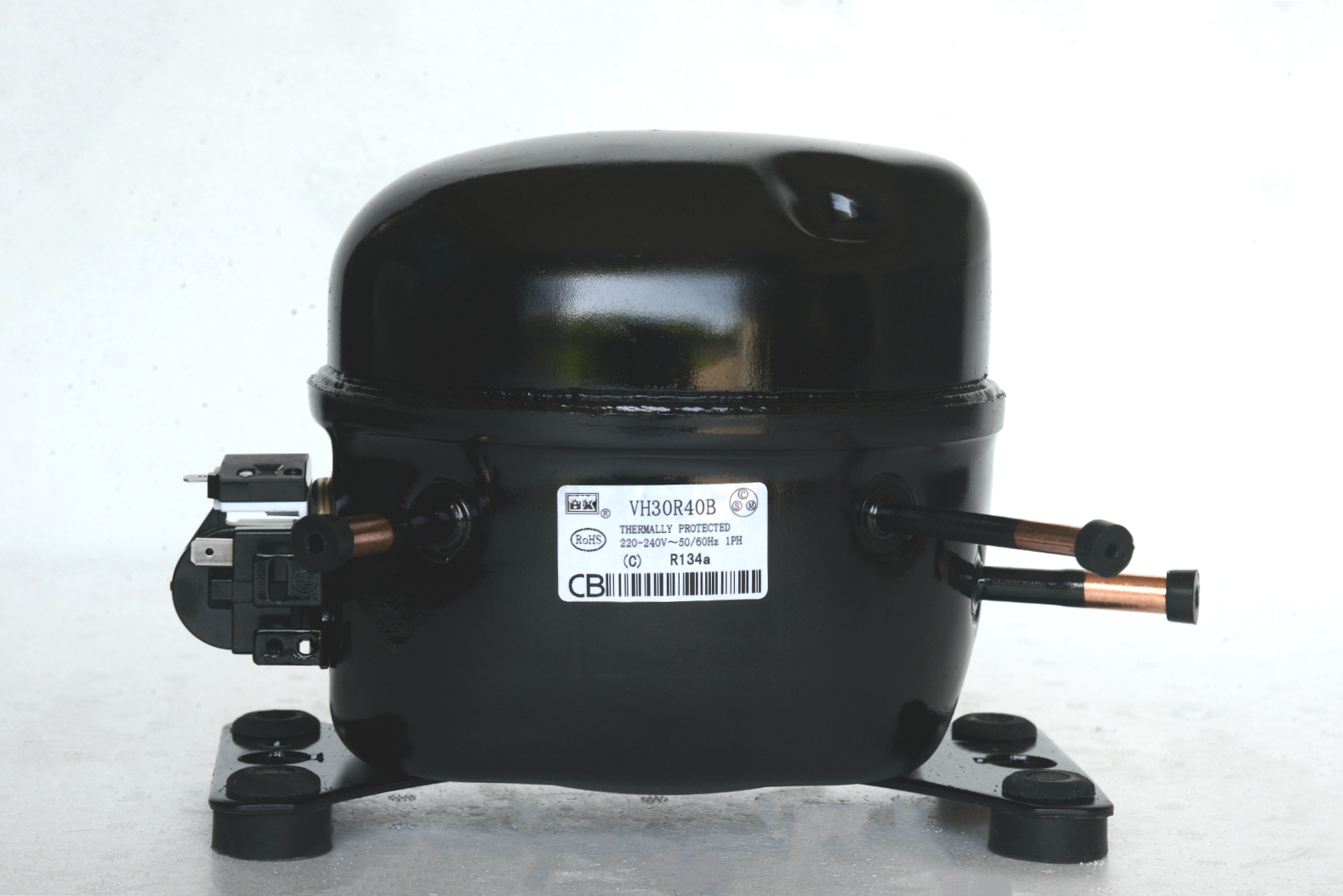
Pricing is heavily driven by the bill of materials. Specifying premium international compressor brands (like Bitzer, Copeland, or Danfoss) will increase costs but drastically improve reliability and end-user acceptance. Conversely, opting for domestic Chinese equivalents can reduce costs by 20 to 40 percent, but requires careful validation of the specific application.
Struggling to manage long lead times and complex shipping requirements for heavy industrial machinery? Let Merhein streamline your procurement and logistics.
Get a free consultationFrequently Asked Questions
Sourcing specialized refrigeration and heat exchange equipment is a complex engineering and procurement challenge. Success requires moving beyond basic price negotiations to focus on metallurgical integrity, pressure vessel compliance, and rigorous leak testing. By partnering with experienced sourcing professionals, buyers can mitigate these technical risks and secure reliable, high-performance industrial machinery.
Get Sourcing Help for Other Refrigeration & Heat Exchange Equipment
Tell us your requirements and our experts will connect you with verified manufacturers.