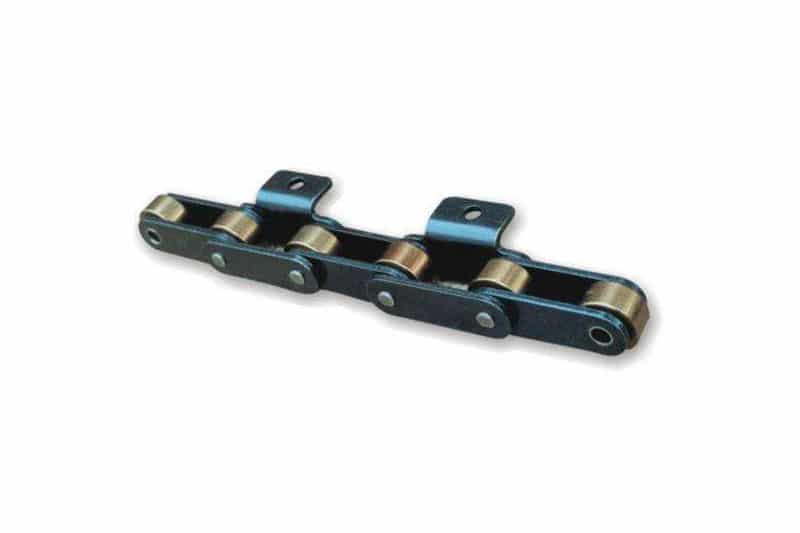
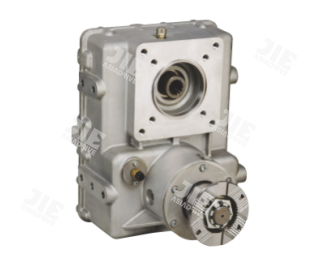
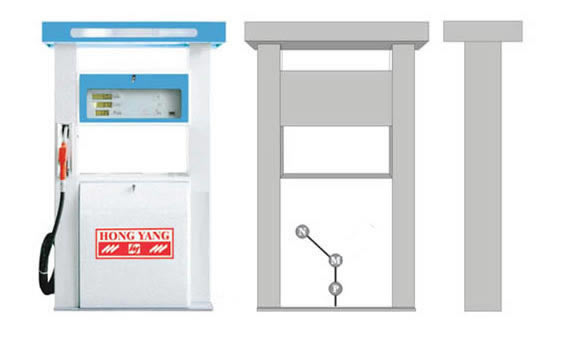
Other Power Transmission Parts
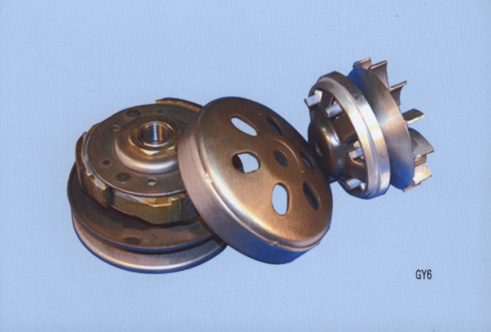
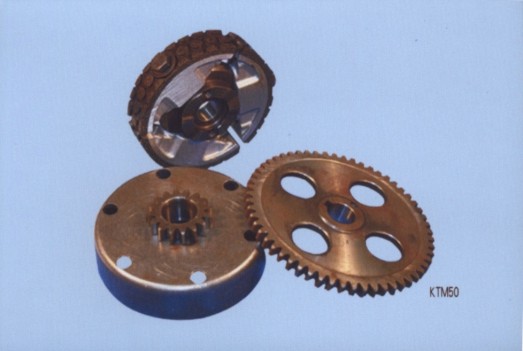
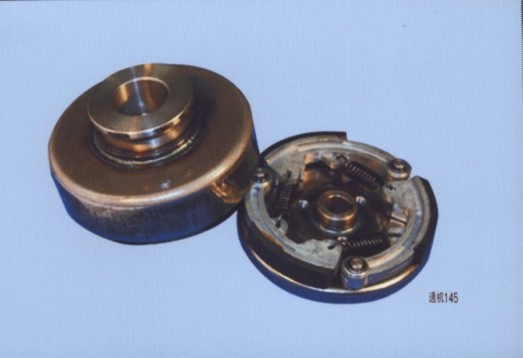
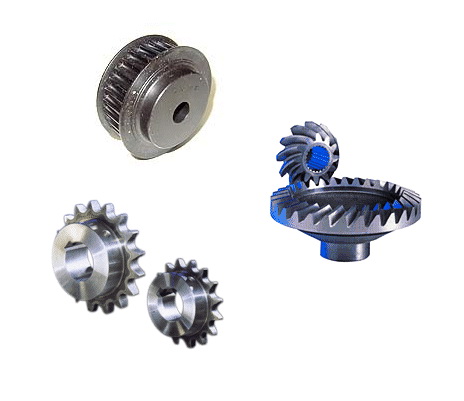
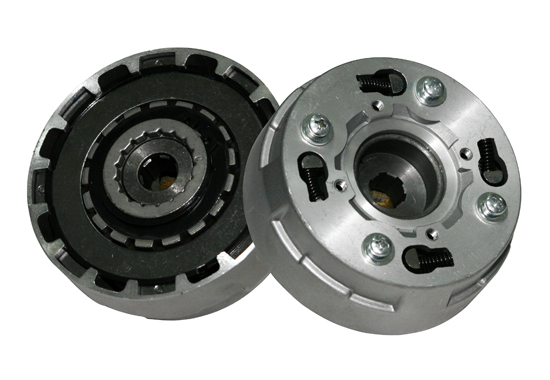
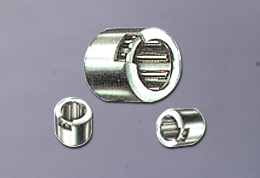
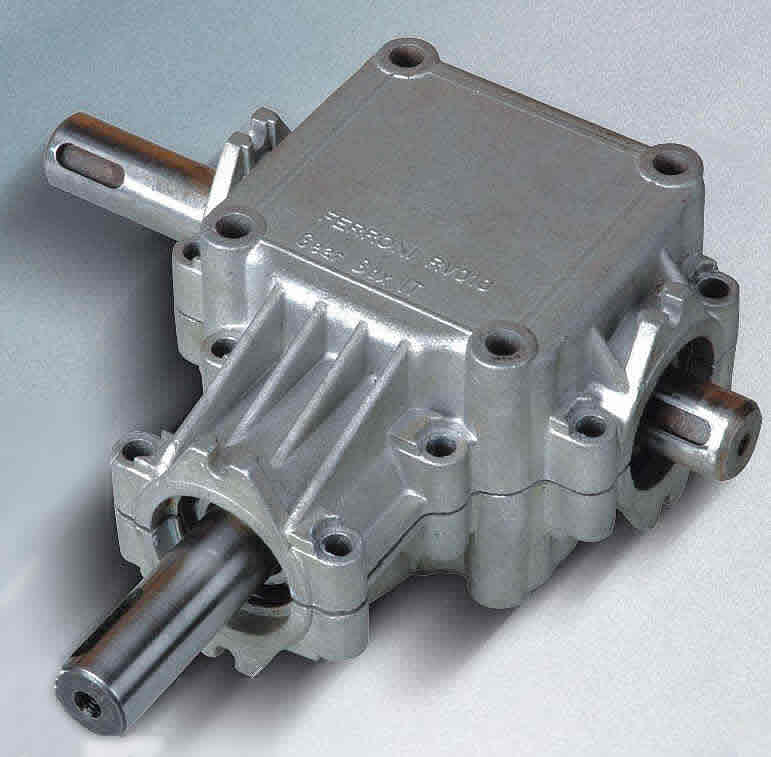
Source specialized and miscellaneous Other Power Transmission Parts from vetted suppliers and manufacturers across Asia. Designed for industrial importers, wholesale distributors, and OEM brands requiring bulk production, our network delivers precision-engineered mechanical components built to exact torque, dimensional, and metallurgical specifications.
Ancillary power transmission components—such as locking assemblies, torque limiters, industrial clutches, and specialized tensioners—are the critical links that ensure system integrity where standard belts, chains, and gears leave off. Sourcing these specialized parts in bulk requires strict attention to metallurgical grades, machining tolerances, and heat treatment consistency, as failure in these components often results in catastrophic damage to the broader drive system.
For buyers purchasing at scale, identifying manufacturers with genuine precision engineering capabilities, rather than simple metal fabrication setups, is the primary sourcing challenge.
Critical Specifications for Specialized Drive Components
When commissioning production for ancillary transmission parts, generic specifications lead to premature wear and torque slip. You must clearly define the mechanical requirements for the factory.
Material Selection and Metallurgy
The baseline material for most industrial transmission parts is C45 (1045) carbon steel, which offers a reliable balance of machinability and tensile strength. However, for high-torque applications or components subjected to shock loads, upgrading to alloy steels like 42CrMo4 (4140) is essential. Ensure your supplier provides raw material certificates (MTCs) to verify chemical composition before machining begins.
Dimensional Tolerances and Runout
Components that mount directly to shafts, such as keyless locking devices or torque limiters, require strict dimensional control. A bore tolerance deviation of just a few microns can prevent proper seating, leading to eccentric rotation (runout) and severe vibration at high RPMs. Specify maximum allowable radial and axial runout (typically under 0.05mm) in your technical drawings.
Partner with a sourcing team that understands mechanical engineering. We help you match your technical drawings with factories capable of holding tight tolerances.
Talk to our teamManufacturing Processes and Quality Control
The durability of power transmission parts is won or lost in the secondary processing stages. While many factories possess adequate CNC turning and milling centers, the heat treatment and surface finishing phases are where quality control often slips.
Heat Treatment Consistency
To save on energy costs, some lower-tier manufacturers rush the heat treatment process or use outdated furnaces with poor temperature distribution. This results in uneven surface hardness or brittle cores. If you are developing custom components through OEM/ODM Services, mandate that the factory uses controlled-atmosphere furnaces and performs batch hardness testing.
Surface Protection
Industrial environments demand robust corrosion resistance. Specify the exact surface treatment required based on the application:
- Black Oxide: Cost-effective, minimal dimensional change, but offers limited corrosion protection.
- Zinc Plating: Better corrosion resistance; requires careful control of plating thickness to avoid interfering with tight bore tolerances.
- Electroless Nickel: Premium protection for harsh environments, providing a uniform coating that maintains thread and bore dimensions.
Pre-Shipment Inspection Checklist for Transmission Parts
- Verify bore and outside diameters using go/no-go gauges or bore micrometers.
- Conduct Rockwell hardness testing (HRC) on designated wear surfaces.
- Check concentricity and runout on a V-block with dial indicators.
- Perform torque slip tests (if applicable to the component type).
- Inspect surface finish (Ra) using a profilometer.
- Verify packaging is sufficient to prevent rust and transit damage.
To prevent defective batches from leaving the factory, implementing professional Quality Control & Inspection prior to shipment is highly recommended for these precision parts.
Production Economics: MOQs, Pricing, and Lead Times
Sourcing specialized transmission components requires balancing order volumes with setup costs, especially for non-standard sizes or custom designs.
| Factor | Standard Catalog Parts | Custom/OEM Parts |
|---|---|---|
| Typical MOQ | 100 - 500 pieces | 500 - 1,000+ pieces |
| Tooling Costs | None | Required for custom forging/casting |
| Production Lead Time | 25 - 35 days | 45 - 60 days (including tooling) |
| Pricing Drivers | Raw material weight | Machining complexity & tight tolerances |
Negotiating Favorable Terms
Pricing for heavy steel components is heavily influenced by global raw material indices. However, the true cost driver for precision parts is machine time. Complex geometries that require 5-axis CNC machining will carry a significant premium over parts that can be turned on standard lathes.
When vetting suppliers, conducting thorough Factory Audits can reveal whether a manufacturer has the in-house machinery required for your specific part, or if they are subcontracting the precision work—which adds margin and reduces quality control oversight.
Looking to optimize your supply chain for mechanical components? Let us help you negotiate pricing, establish MOQs, and secure reliable production capacity.
Get a free consultationFrequently Asked Questions
Sourcing specialized power transmission parts requires looking past a factory's catalog and evaluating their underlying metallurgical and machining competencies. By strictly defining your tolerances, mandating batch testing, and partnering with capable manufacturers, you can secure reliable components that protect your broader mechanical systems from failure.
Get Sourcing Help for Other Power Transmission Parts
Tell us your requirements and our experts will connect you with verified manufacturers.