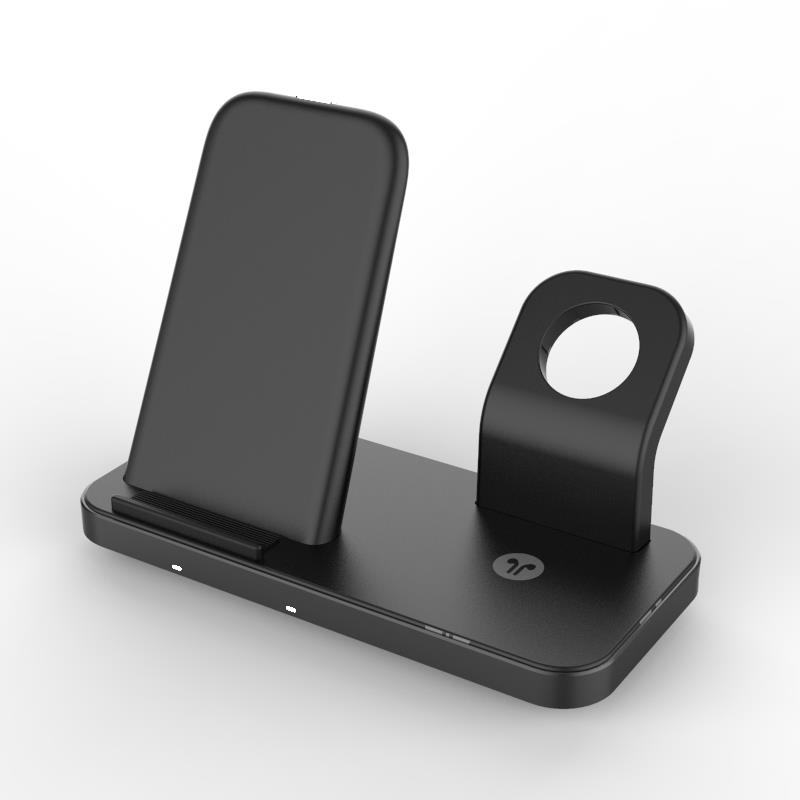
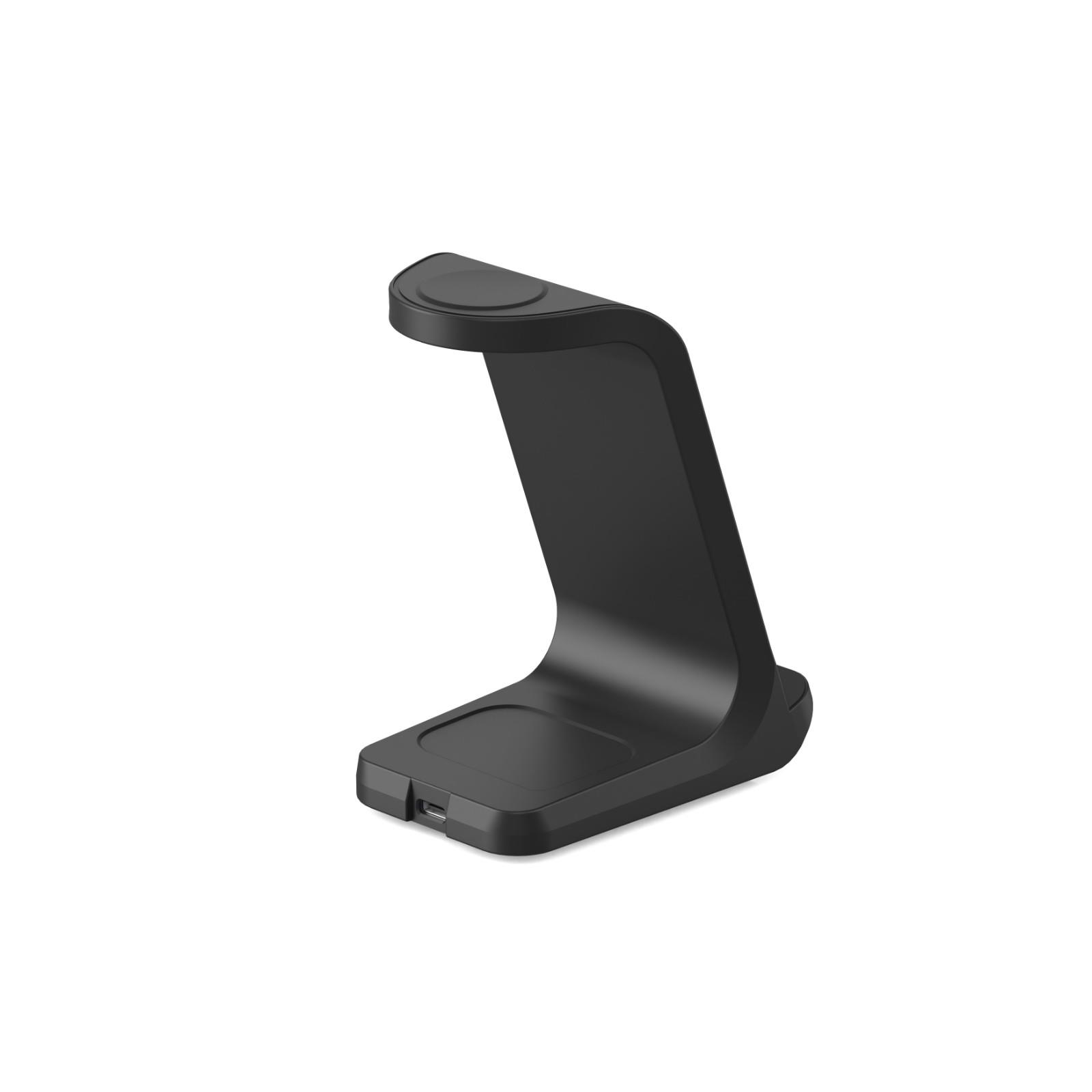
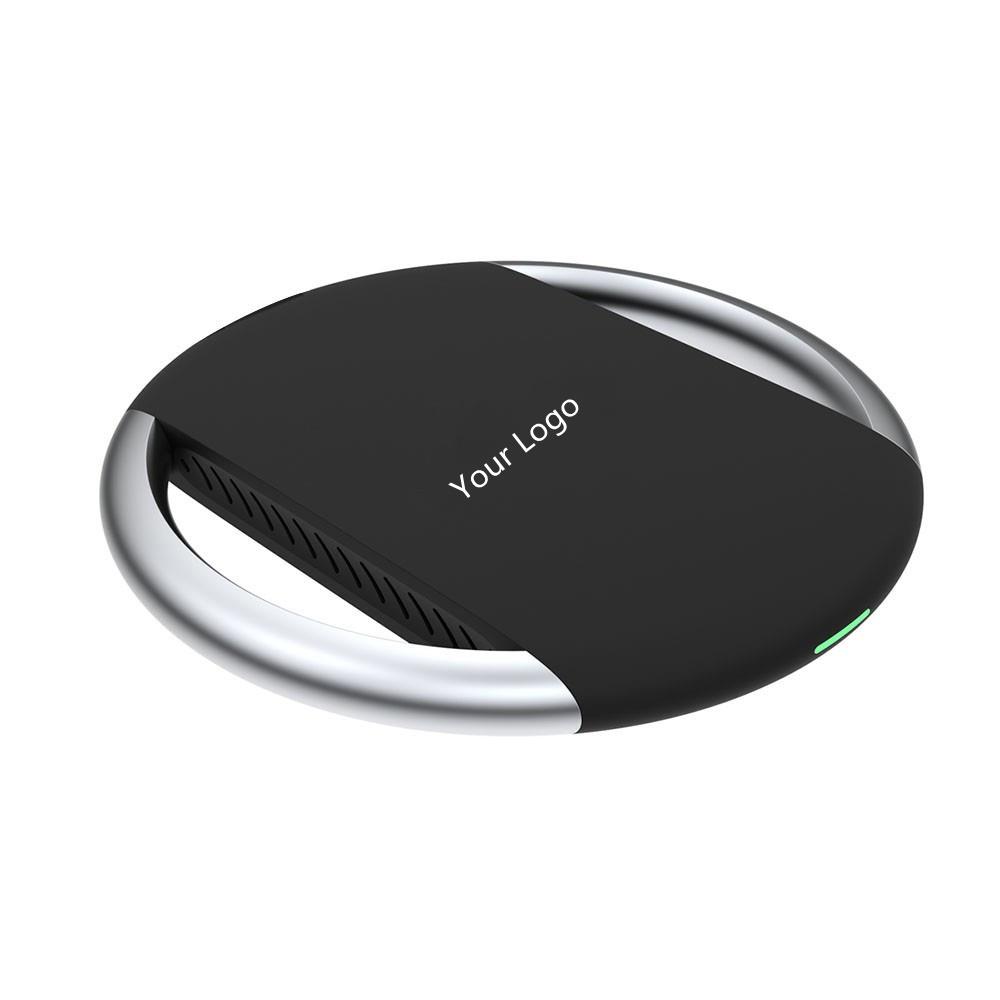
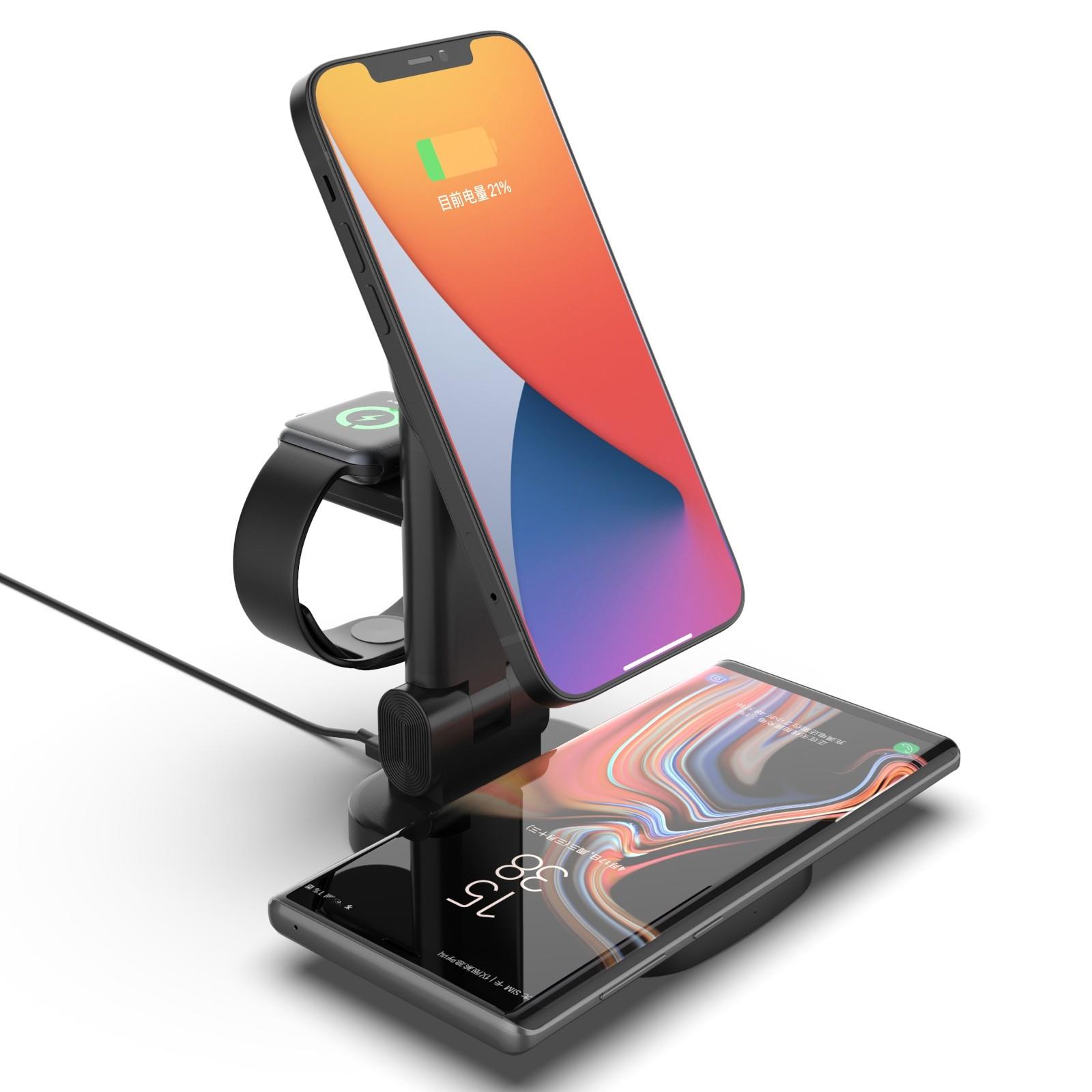
Other Power Supply Products
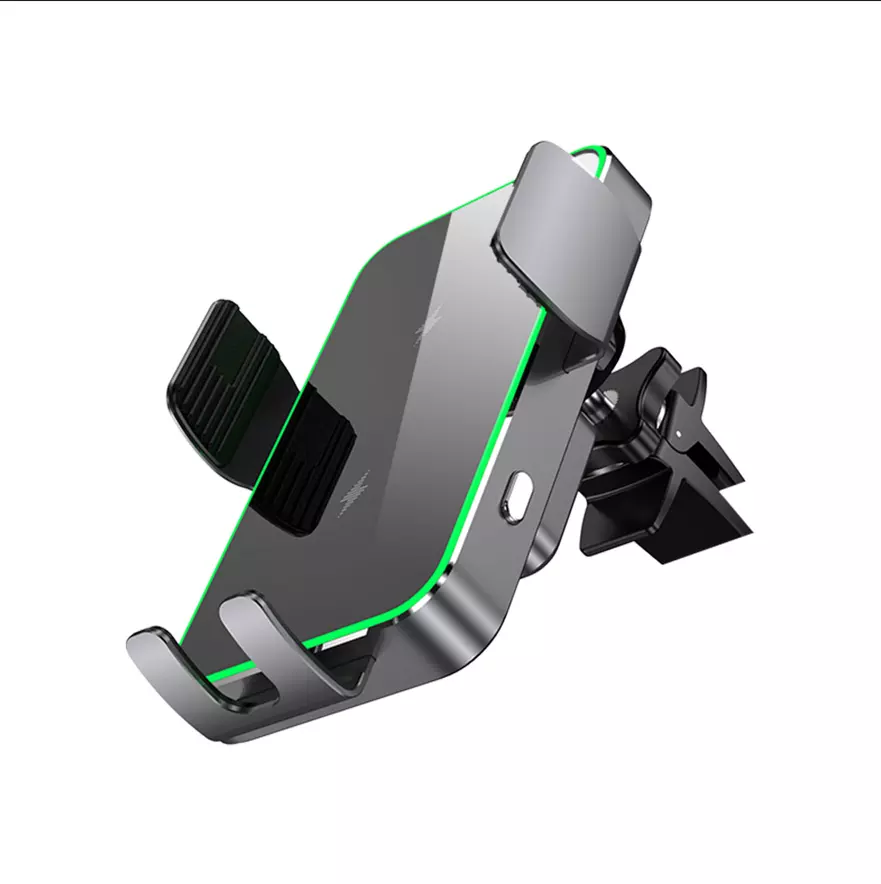
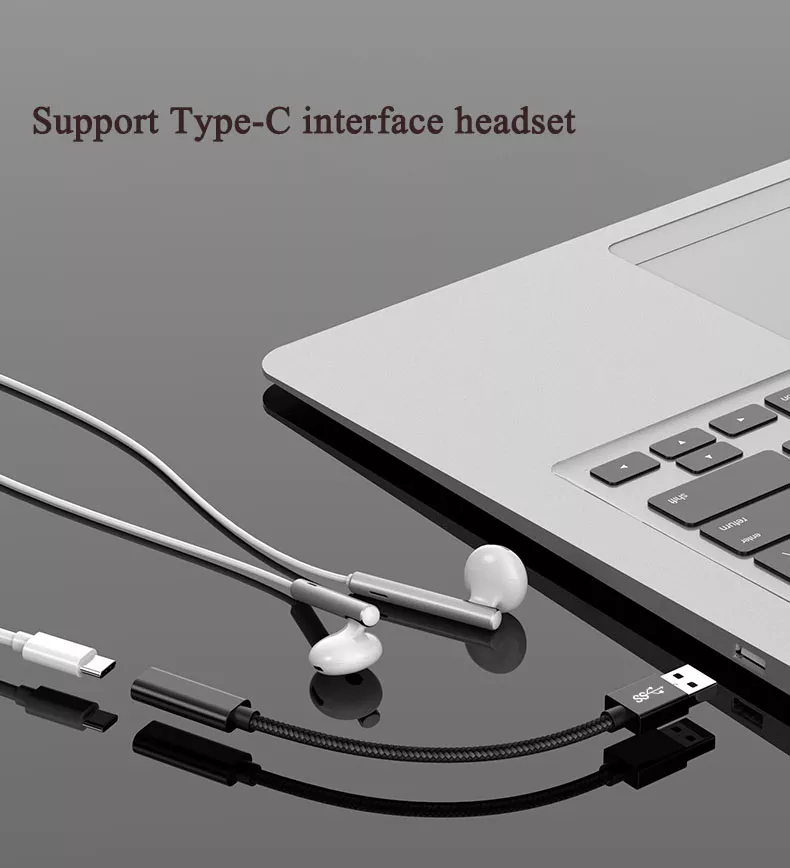
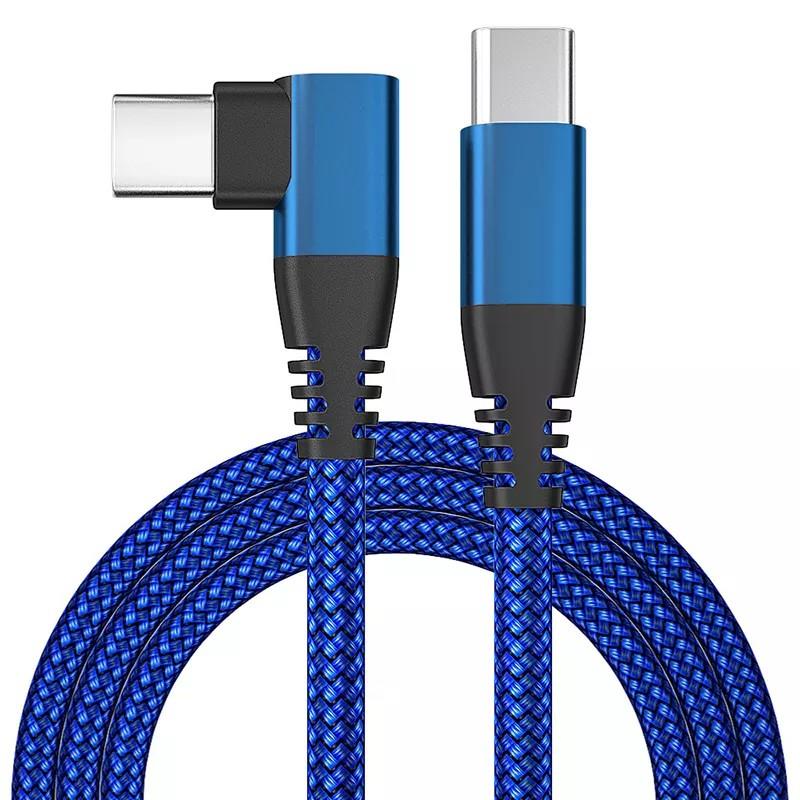
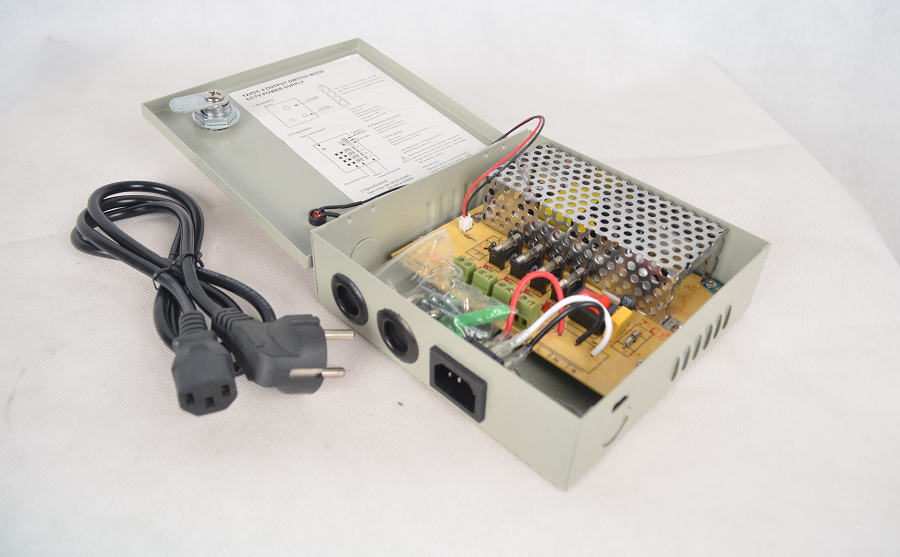
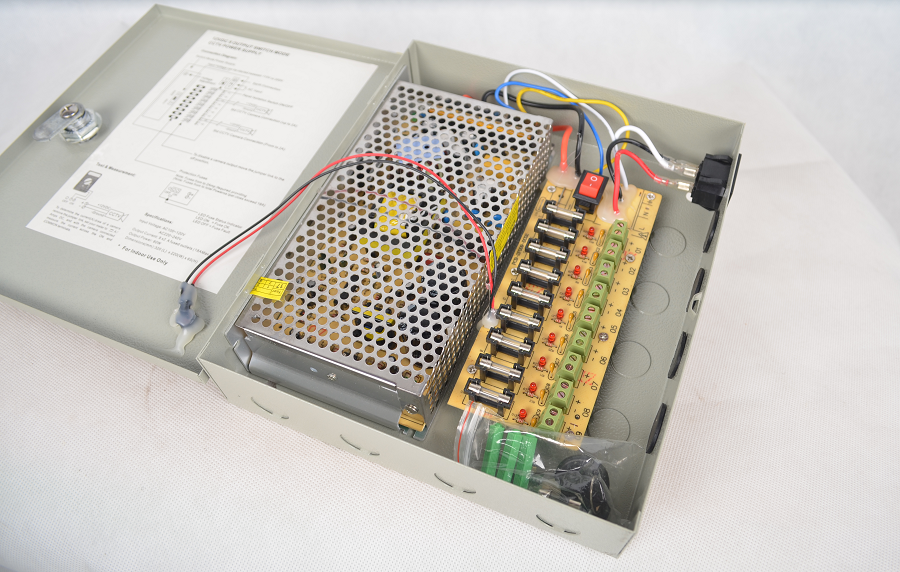
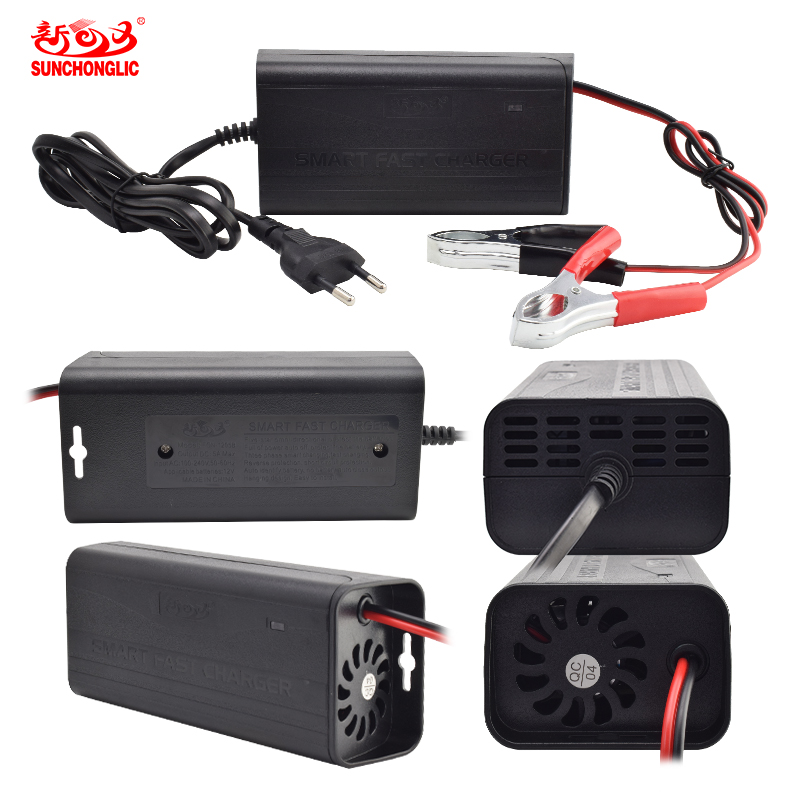
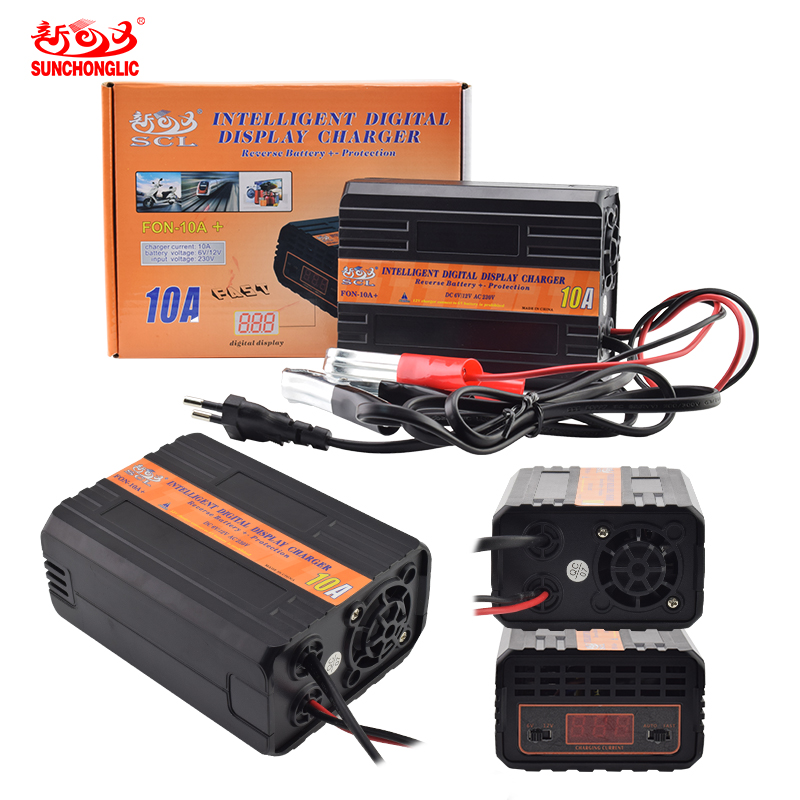
Source specialized and miscellaneous Other Power Supply Products directly from vetted manufacturers and wholesale suppliers in Asia. Designed for importers, distributors, and brands requiring OEM or custom production, this catalog covers niche power solutions built for demanding industrial and commercial applications.
Sourcing specialized power supply products that fall outside standard consumer categories requires strict attention to custom form factors, unique voltage/current profiles, and rigorous environmental tolerances. Whether you are procuring industrial DIN-rail modules, custom battery management systems (BMS), or specialized telecom power converters, the stakes are high. A failure in a niche power supply often means catastrophic failure for the entire downstream system.
Procuring these units in bulk or developing them from scratch demands careful supplier vetting. Factories specializing in consumer adapters rarely possess the engineering depth or testing infrastructure required for high-reliability industrial or medical applications.
Defining Specifications for Niche Power Supplies
When approaching a manufacturer for non-standard power supplies, vague specifications lead to extensive delays and costly redesigns. You must define the electrical, mechanical, and environmental boundaries precisely.
Critical Engineering Parameters to Specify
- Input Voltage Range: Specify wide-input requirements (e.g., 90-264VAC or 18-75VDC) to handle grid fluctuations.
- Ripple and Noise: Define acceptable millivolt (mV) limits, critical for noise-sensitive telecommunications or medical equipment.
- Isolation Voltage: Specify input-to-output, input-to-ground, and output-to-ground isolation (e.g., 3000VAC or 4000VAC) for safety compliance.
- Thermal Derating: Establish the operating temperature range and the point at which the power output must be derated to prevent thermal runaway.
- Efficiency Curve: Require efficiency data at 25 percent, 50 percent, 75 percent, and 100 percent loads, not just peak efficiency.
Navigating complex technical specifications with overseas factories? Let our sourcing engineers help you define and secure exactly what you need.
Talk to our teamManufacturing Tolerances and Quality Control
The reliability of a power supply is won or lost on the factory floor. While the PCB design might be flawless, poor component selection or sloppy assembly will degrade the unit's Mean Time Between Failures (MTBF).
Counterfeit or substituted components—particularly electrolytic capacitors and power MOSFETs—are a persistent risk in electronics manufacturing. If a supplier substitutes a lower-grade capacitor to save fractions of a cent, the unit's lifespan in high-temperature environments drops drastically. Conducting thorough Factory Audits before placing an order is non-negotiable to verify that the supplier actually uses authorized component distributors and maintains strict incoming quality control (IQC).
Solder Paste and SMT
Automated optical inspection (AOI) must be used immediately after surface-mount technology (SMT) placement to catch tombstoning or misaligned components.
Through-Hole and Wave Soldering
Heavy components like transformers and large capacitors require secure through-hole mounting. The wave soldering profile must be strictly controlled to prevent cold solder joints.
Potting and Conformal Coating
For harsh environments, the PCB must be coated or fully potted. The curing process must be monitored to ensure no air bubbles are trapped, which can compromise thermal dissipation.
Hi-Pot and Burn-In Testing
Every unit should undergo high-potential (Hi-Pot) testing for dielectric strength, followed by 100 percent full-load burn-in testing at elevated temperatures.
If you are manufacturing at scale, implementing rigorous Quality Control & Inspection protocols—including in-line and pre-shipment inspections—is the only way to enforce these standards consistently.
Navigating Customization: OEM and ODM
Many buyers in this category require modifications to existing designs (ODM) or entirely new ground-up designs (OEM). Developing a custom power supply involves Non-Recurring Engineering (NRE) costs for PCB layout, custom transformer winding, and tooling for custom enclosures.
When utilizing OEM/ODM Services, ensure that you retain ownership of the final design files (Gerber files, BOM, and schematics) in your manufacturing agreement. It is also critical to plan for compliance testing (UL, CE, FCC) early in the design phase. Retrofitting a completed design to pass electromagnetic compatibility (EMC) testing is notoriously difficult and expensive.
| Testing Phase | Standard Consumer PSUs | Specialized/Industrial PSUs |
|---|---|---|
| Burn-in Duration | 2 to 4 hours | 12 to 24+ hours |
| Temperature Stress | Ambient (25C) | Elevated (40C to 50C) |
| Component Traceability | Batch level | Individual serial level |
Pricing, MOQs, and Lead Times
Specialized power supplies do not follow the same pricing and volume rules as standard consumer chargers. Because these products often rely on specific, high-grade components, supply chain fluctuations heavily impact lead times and costs.
Lead times can extend significantly if specific integrated circuits (ICs) or specialized safety capacitors face global shortages. Smart buyers forecast demand 6 to 9 months out and authorize their factories to purchase long-lead-time components well ahead of final production orders.
Need to lock in reliable pricing and lead times for custom power modules? Speak to our sourcing experts today.
Get a free consultationFrequently Asked Questions
Sourcing specialized power supply products requires a deep understanding of both electronic engineering and the realities of Asian manufacturing supply chains. By strictly defining your specifications, auditing your suppliers for technical competence, and enforcing rigorous testing protocols, you can secure reliable power solutions that keep your end products running flawlessly.
Get Sourcing Help for Other Power Supply Products
Tell us your requirements and our experts will connect you with verified manufacturers.