Other Plastic Blowing Machines
Source Other Plastic Blowing Machines from vetted suppliers and manufacturers. Designed for industrial importers, distributors, and manufacturing brands looking for specialized equipment, our network provides reliable OEM and ODM production capabilities. Secure competitive wholesale pricing and import efficiently.
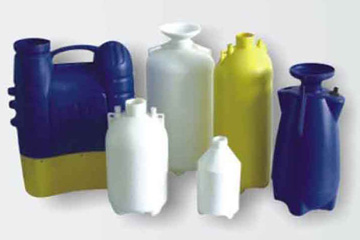
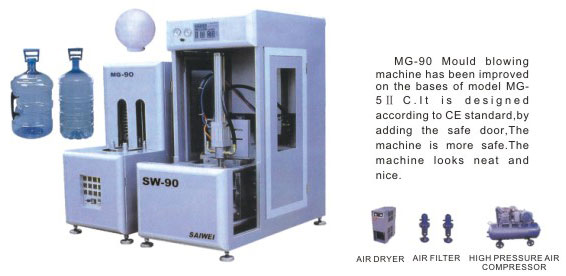
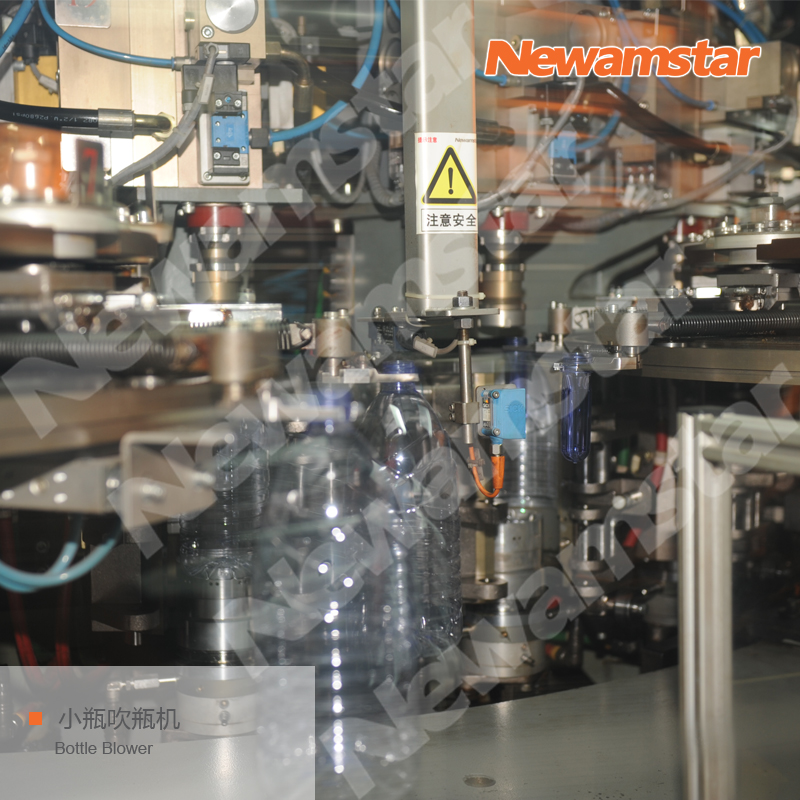
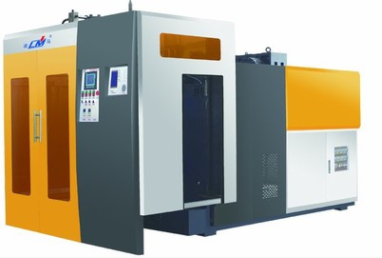
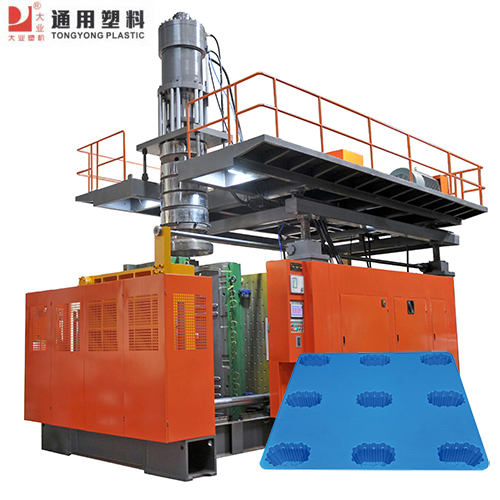
Specialized blow molding applications—such as 3D suction blow molding for complex automotive air ducts, accumulator head machines for large industrial IBCs (Intermediate Bulk Containers), or advanced multi-layer co-extrusion systems—require equipment that falls outside standard EBM or PET stretch-blow categories. Sourcing these specialized plastic blowing machines from manufacturers requires strict attention to component origin, PLC integration, and the factory's in-house machining tolerances. The core challenge is matching the machine's extrusion capacity and clamping force to your exact product geometry while ensuring long-term operational stability.
Critical Specifications for Specialized Blow Molding
When procuring non-standard blow molding equipment, standard metrics like bottle volume are insufficient. Buyers must define the exact mechanical and software requirements to ensure the machine can handle specific resins (like PC, PA, or fluoropolymers) and complex parison manipulation.
Key technical parameters to define in your supplier contract include:
- Die Head Design: Single, dual, or accumulator head. For accumulator heads, specify the maximum shot weight in kilograms.
- Control Systems: Specify globally supported PLCs (e.g., B&R, Beckhoff, Siemens). Avoid proprietary, locally developed control boards that cannot be serviced outside of Asia.
- Hydraulic vs. All-Electric: All-electric machines offer superior precision and energy savings but come at a 30 to 50 percent premium over standard servo-hydraulic models.
Need help verifying a specialized machinery manufacturer's technical capabilities and component supply chain?
Talk to our teamComponent Quality and Factory Vetting
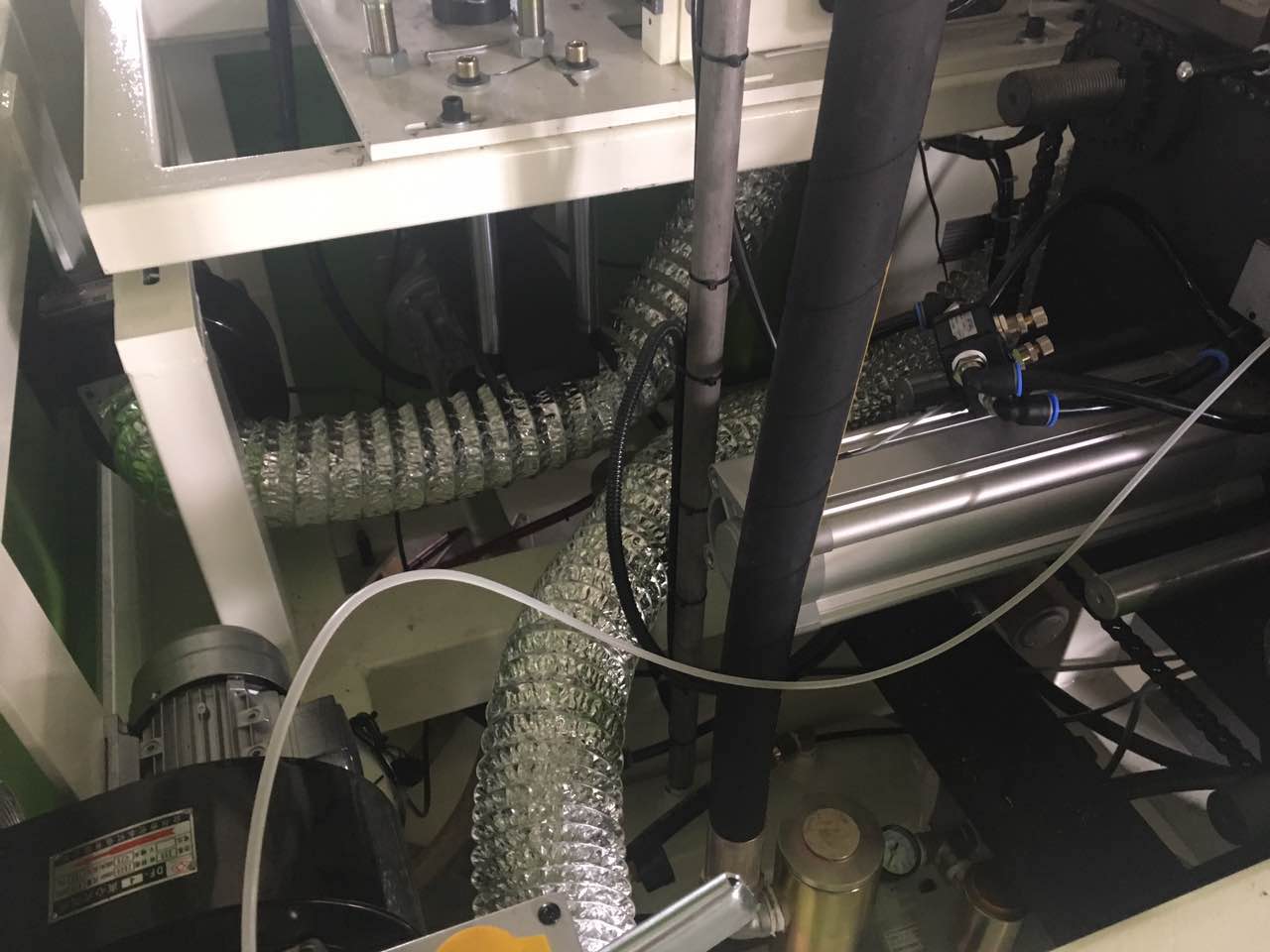
The difference between a machine that runs continuously for a decade and one that suffers constant downtime lies in the core components and frame rigidity. Many tier-2 factories assemble machines using lower-grade tie bars or sub-standard hydraulic valves, which lead to clamping inconsistencies and hydraulic leaks over time.
Thorough factory audits are non-negotiable for heavy machinery. You must verify the manufacturer's in-house CNC machining capabilities for die heads and platens.
What to Verify on the Factory Floor
- Brand and origin of hydraulic valves (e.g., Rexroth, Yuken).
- Extruder screw material and nitriding depth (critical for abrasive or high-temp resins).
- Linear guide rails brand (e.g., THK, HIWIN) for platen movement.
- Availability of CE or UL certification for electrical cabinets and safety gates.
- In-house testing facilities for continuous dry-cycle runs.
Sourcing Realities: Pricing, Lead Times, and Logistics
Because specialized blowing machines are built to order based on your mold and product requirements, there is no off-the-shelf inventory.
- MOQ: Always 1 set.
- Lead Times: Expect 60 to 120 days for manufacturing, plus an additional 30 to 45 days for ocean freight. Custom accumulator head machines often push closer to 150 days.
- Pricing Drivers: The cost is heavily dictated by the origin of the core components (European vs. domestic Chinese) and the complexity of the die head.
Logistics for heavy machinery require specialized handling. Machines often exceed standard container dimensions, necessitating Open Top containers, Flat Racks, or break-bulk shipping. Proper shipping and freight coordination is vital to prevent rust or structural damage during transit.
Planning a complex machinery import? Let us manage the supplier coordination, FAT process, and heavy-freight logistics.
Get a free consultationFactory Acceptance Testing (FAT)
Never authorize the final balance payment without a comprehensive Factory Acceptance Test (FAT). For specialized blowing machines, this requires running your actual molds with your specified resin.
Dry Cycle Testing
Running the machine without material for 24 to 48 hours to test hydraulic stability, platen alignment, and servo motor temperatures.
Mold Commissioning
Installing the mold and connecting cooling systems to verify clamping force and water flow rates.
Continuous Production Run
Extruding material and producing parts for 4 to 8 hours to verify parison programming, cycle times, and part weight consistency.
Inspection & Teardown
Executing rigorous pre-shipment quality control on the finished parts, followed by machine teardown, anti-rust treatment, and export crating.
Integrating professional quality control & inspection during the FAT phase ensures any software bugs or mechanical misalignments are corrected before the machine leaves the factory floor.
Frequently Asked Questions
Sourcing specialized blow molding equipment is a capital-intensive process where upfront due diligence pays off in decades of production stability. Ensure your specifications are watertight, your components are verified, and your FAT protocols are strict before placing a deposit.
Get Sourcing Help for Other Plastic Blowing Machines
Tell us your requirements and our experts will connect you with verified manufacturers.