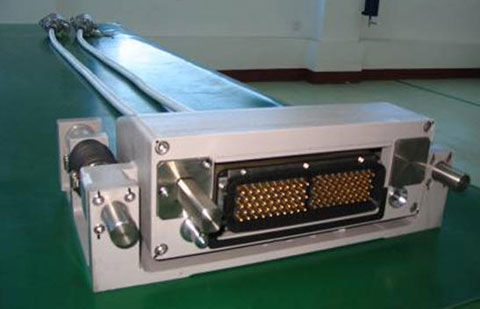
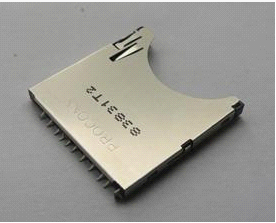
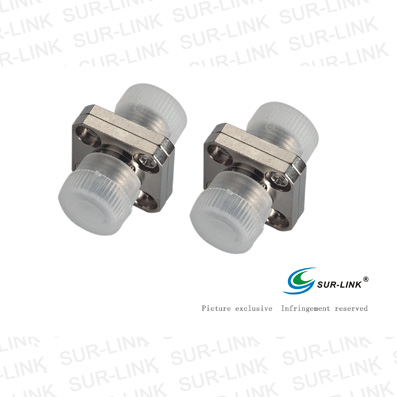
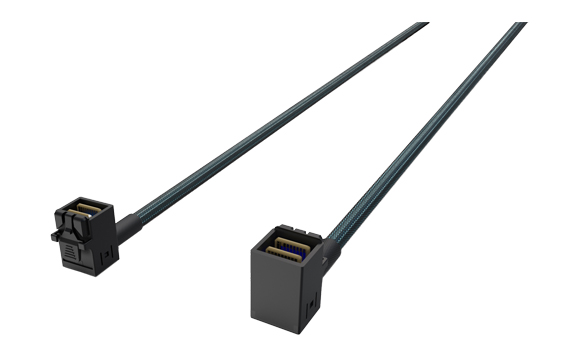
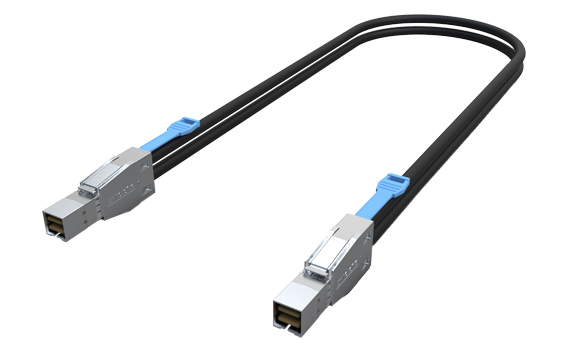
Other Connectors
Source specialized and custom Other Connectors from vetted suppliers and manufacturers in China and across Asia. Designed for importers, electronics wholesalers, and OEM brands requiring high-volume production of niche, proprietary, or legacy components. Secure competitive wholesale pricing, precise tooling, and reliable factory performance.
Sourcing non-standard, proprietary, or highly specialized electronic connectors requires a different approach than buying off-the-shelf USB or HDMI components. When your product design calls for a unique pinout, a specific housing shape, or a legacy interface, you are often dealing with custom tooling, specific material formulations, and strict electrical tolerances. The primary sourcing challenge is identifying a manufacturer with the in-house engineering capability to execute precision stamping and injection molding without inflating unit costs or extending lead times.
Engineering Specifications for Non-Standard Connectors
When dealing with customized or niche connectors, communicating exact specifications to the factory is critical. A slight miscalculation in contact design or material selection can lead to intermittent signal loss, overheating, or premature mechanical failure.
You must define the exact electrical and mechanical parameters for your application:
- Electrical Ratings: Specify the maximum current rating per contact, dielectric withstanding voltage (Hi-Pot), and maximum contact resistance (typically under 20 milliohms).
- Mechanical Durability: Define the required mating cycles. A connector meant for internal board-to-board use may only need 50 cycles, while an external proprietary charging port may require upward of 10,000 cycles.
- Housing Materials: Standard applications often use PBT or PA66 (Nylon). For surface-mount technology (SMT) connectors that must survive reflow soldering, specify high-temperature plastics like LCP (Liquid Crystal Polymer) or PPS.
| Base Material | Characteristics | Typical Application |
|---|---|---|
| Brass | Low cost, good conductivity, lower elasticity | Static connections, low-cycle interfaces |
| Phosphor Bronze | Excellent fatigue resistance, good elasticity | Dynamic contacts, moderate-cycle connectors |
| Beryllium Copper | Highest elasticity, superior temperature stability | High-cycle, high-reliability, miniaturized pins |
Navigating custom tooling and material selection for proprietary connectors? Let us help you identify the right manufacturing partner.
Talk to our teamManufacturing Tolerances and Quality Control
The reliability of any connector is won or lost during the stamping of the metal contacts and the precision of the plastic injection molding. Burrs on stamped pins can scrape off plating during mating, while warped housings can prevent secure seating.
If you are commissioning a new mold, it is highly recommended to conduct Factory Audits to verify the supplier's tooling workshop. Ensure they use high-precision EDM (Electrical Discharge Machining) and have tight maintenance schedules for their stamping dies.
Plating is another area where factories may cut corners to save costs. Gold plating thickness is usually measured in microinches (u"). A standard "gold flash" is around 1 to 3 u", which is insufficient for high-wear applications. High-reliability connectors require 15 u" or 30 u" of gold over a nickel underplate to prevent oxidation and wear.
Critical Connector Inspection Points
- X-ray fluorescence (XRF) testing to verify plating thickness and composition.
- Insertion and extraction force testing to ensure consistent mating retention.
- Dielectric withstanding voltage (Hi-Pot) testing for insulation integrity.
- Salt spray testing for corrosion resistance, especially for industrial or marine applications.
- Solderability testing for SMT and through-hole pins.
Implementing rigorous Quality Control & Inspection protocols before the components leave the factory is the only way to ensure these hidden defects do not compromise your final product assembly.
Tooling Costs, MOQs, and Production Lead Times
Because "Other Connectors" often involve non-standard designs, you will likely encounter OEM/ODM Services and custom tooling fees. Tooling for a new connector typically involves two separate molds: one for the plastic housing and a progressive die for the metal contacts.
Tooling costs can range from a few thousand dollars for simple modifications to significant investments for complex, multi-pin, high-density connectors. However, unit costs drop dramatically once the tooling is paid for.
When negotiating with suppliers, establish clear terms regarding mold ownership and maintenance. Ensure that the factory is contractually obligated to maintain the tooling for a specified number of "shots" and that you retain ownership of the mold if you choose to move production.
Need help negotiating tooling ownership and unit pricing for custom components? Our sourcing experts can structure the right agreement.
Get a free consultationFrequently Asked Questions
Successfully sourcing specialized connectors requires looking past the unit price and scrutinizing the factory's engineering precision and raw material supply chain. Ensuring strict adherence to Compliance & Testing standards early in the development phase will prevent costly assembly failures later. If you need experienced oversight to manage custom tooling, verify plating specs, and secure reliable high-volume production, our team is ready to assist.
Get Sourcing Help for Other Connectors
Tell us your requirements and our experts will connect you with verified manufacturers.