New Building Materials Machinery
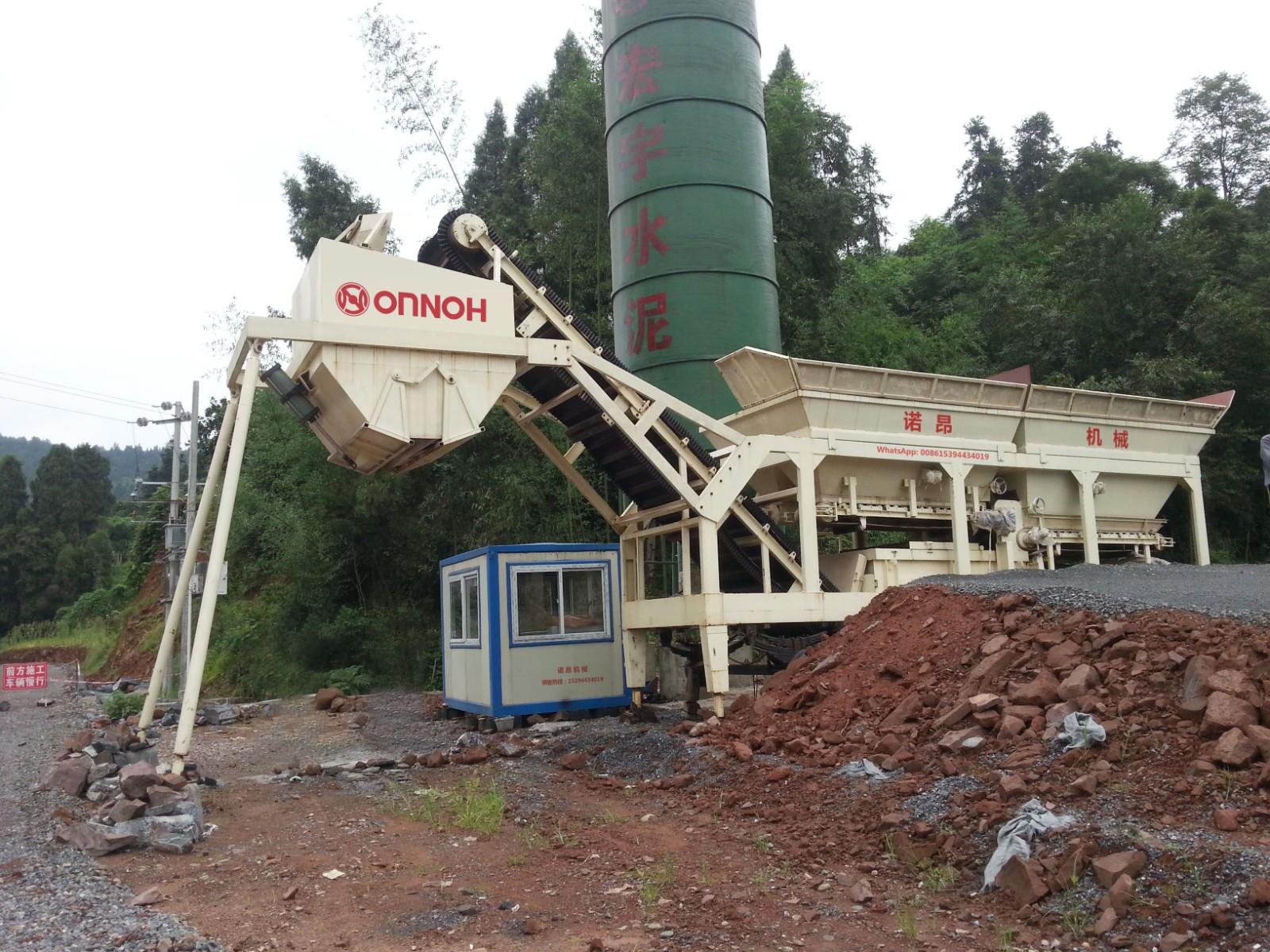
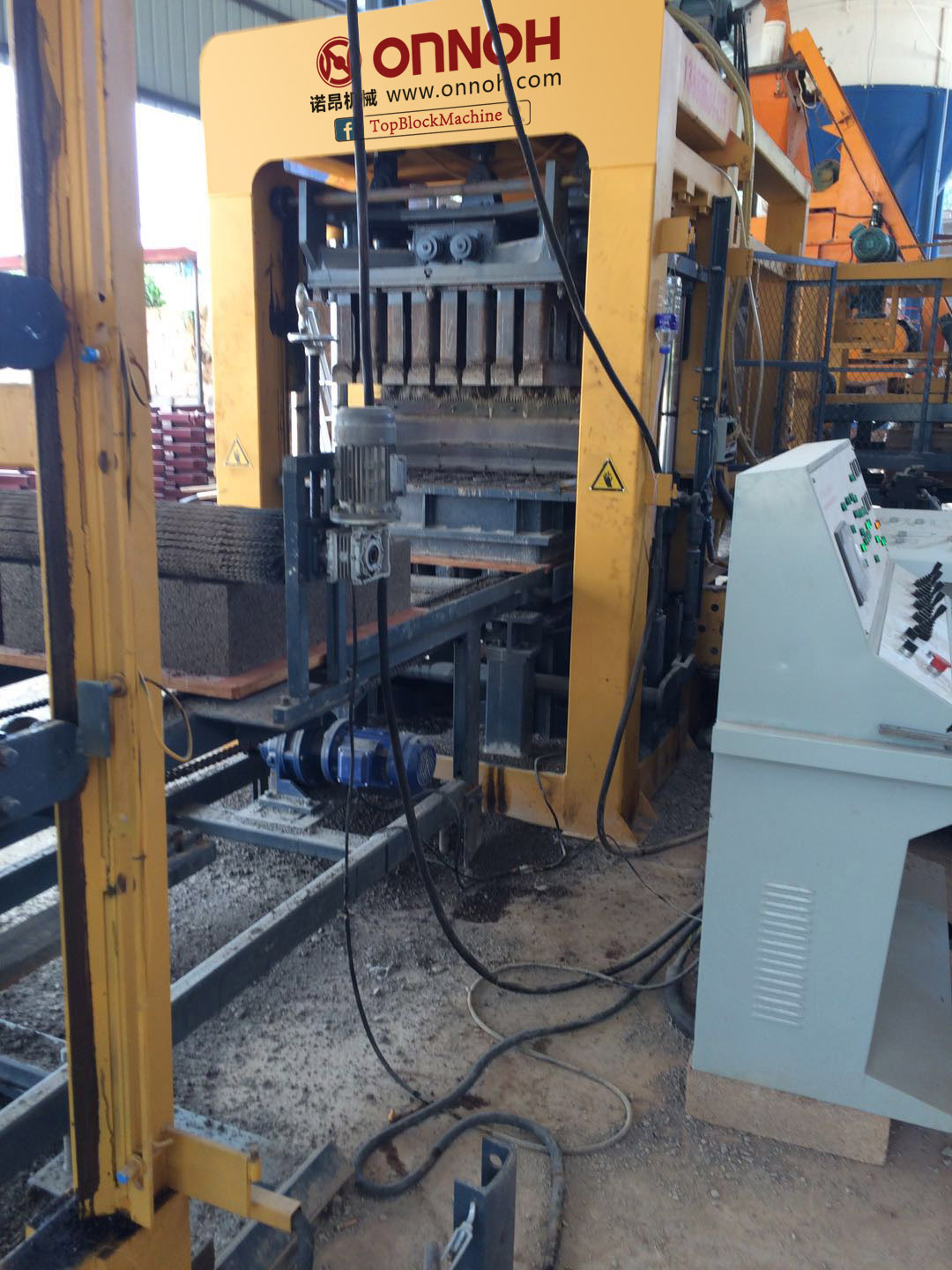
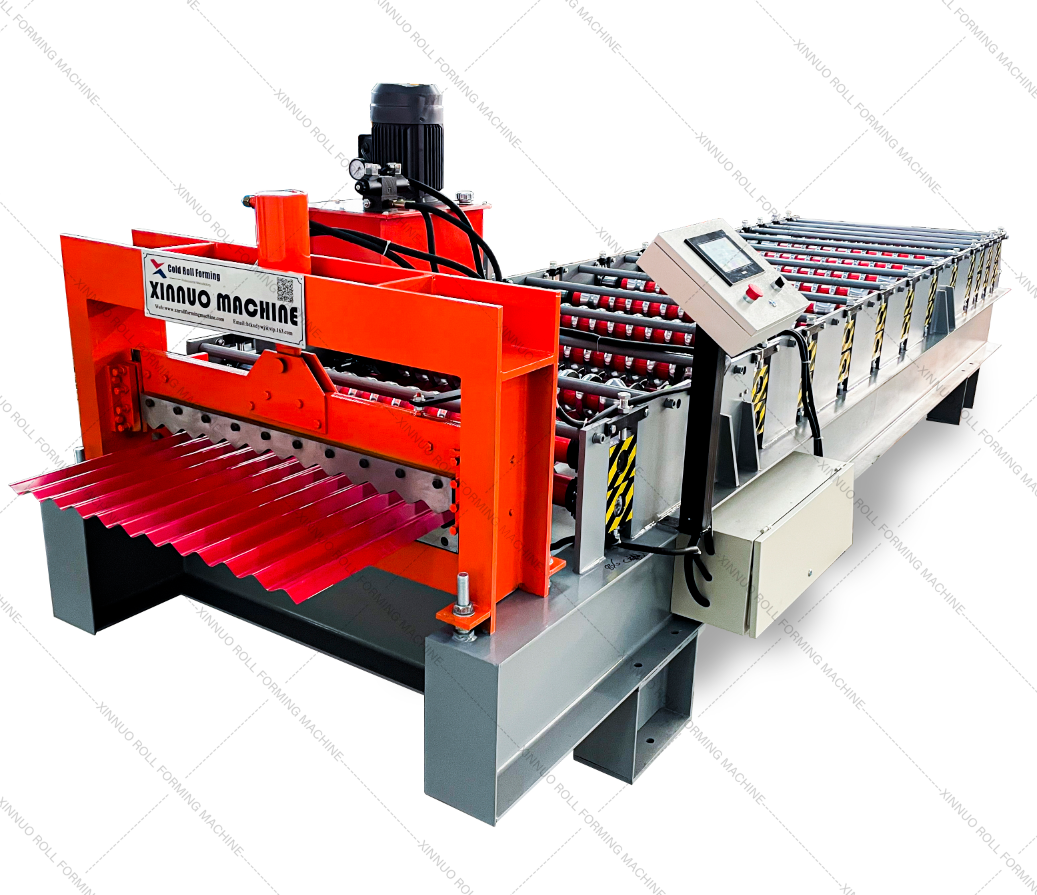
Source industrial-grade New Building Materials Machinery from vetted manufacturers and suppliers. Designed for importers, distributors, and construction enterprises, our wholesale and OEM equipment solutions cover high-capacity production lines for modern, eco-friendly construction materials.
Sourcing new building materials machinery—such as complete production lines for autoclaved aerated concrete (AAC), EPS sandwich panels, or wood-plastic composites (WPC)—is a high-stakes capital investment. Success in this category requires identifying manufacturers who excel not just in heavy steel fabrication, but in the precise integration of hydraulic systems and advanced PLC automation. For procurement managers and importers, mitigating risk means looking past the spec sheet to evaluate the factory's in-house machining capabilities, assembly tolerances, and after-sales support infrastructure.
Core Specifications and Automation Levels
When configuring heavy machinery for building materials, the critical variables are production capacity, energy efficiency, and automation reliability. Buyers must specify their exact requirements for local voltage and frequency (e.g., 380V/50Hz or 480V/60Hz) early in the negotiation, as retrofitting electrical components post-production is costly and delays shipment.
| Automation Level | Typical Application | Labor Requirement | CapEx Profile |
|---|---|---|---|
| Semi-Automatic | Emerging markets, lower capacity lines | High (manual material transfer) | Low to Medium |
| Fully Automatic (PLC) | High-volume AAC or panel production | Low (supervisory only) | High |
| Smart/Integrated | Advanced eco-materials, precise dosing | Minimal (remote monitoring) | Premium |
Pay close attention to the origin of critical components. Reliable Chinese manufacturers will typically use imported or top-tier domestic brands for PLCs (Siemens, Mitsubishi), pneumatics (Festo, SMC), and hydraulics (Rexroth).
Need to verify a machinery supplier's technical capabilities and component supply chain? Let our on-the-ground engineers evaluate them for you.
Talk to our teamValidating Supplier Capability and Quality
The biggest risk when importing heavy industrial machinery is receiving equipment that fails to integrate smoothly upon installation. Many trading companies pose as manufacturers; verifying true production capability requires comprehensive factory audits to check for in-house CNC machining centers, proper welding certifications, and robust quality management systems (ISO 9001).
Before any machinery leaves the factory floor, a rigorous Factory Acceptance Test (FAT) is mandatory.
Critical Factory Acceptance Test (FAT) Checkpoints
- Continuous dry-run testing for a minimum of 48 to 72 hours.
- Verification of all PLC logic, HMI responsiveness, and emergency stop mechanisms.
- Inspection of hydraulic and pneumatic lines for pressure stability and zero leakage.
- Measurement of output tolerances using sample raw materials (wet-run if possible).
- Confirmation of CE or UL compliance documentation for electrical panels.
Implementing strict quality control during the final assembly phase ensures that any calibration issues are resolved before the equipment is dismantled for shipping.
Lead Times, MOQs, and Logistics Reality
Procuring complete production lines is a project-based endeavor. Standard MOQs are almost universally set at 1 complete line or 1 master unit. Due to the custom nature of these machines—tailored to your specific output requirements and factory layout—production times are extensive.
Logistics for heavy machinery require specialized handling. Large components often exceed standard container dimensions, necessitating Open Top (OT) or Flat Rack (FR) containers, or even break-bulk shipping. Coordinating this requires expert shipping and freight management to ensure safe loading, proper lashing, and compliance with heavy-lift port regulations.
Planning a major machinery import? We can help you navigate supplier negotiations, FAT execution, and complex heavy-lift logistics.
Get a free consultationBuyer FAQ
Importing new building materials machinery is a complex integration of mechanical engineering, international logistics, and cross-border project management. By focusing on rigorous supplier vetting, demanding thorough FAT procedures, and planning for installation early, you can secure high-performance equipment that delivers a rapid return on investment.
Get Sourcing Help for New Building Materials Machinery
Tell us your requirements and our experts will connect you with verified manufacturers.