Metal Forging Machinery
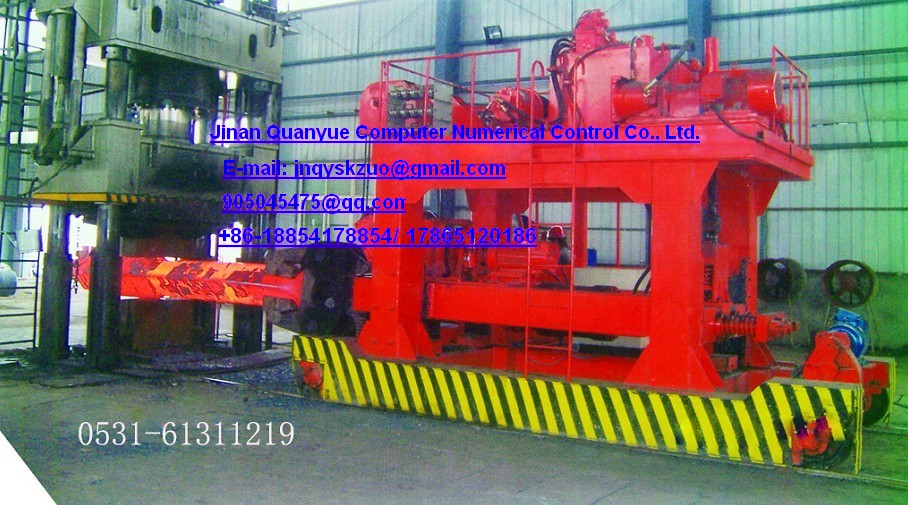
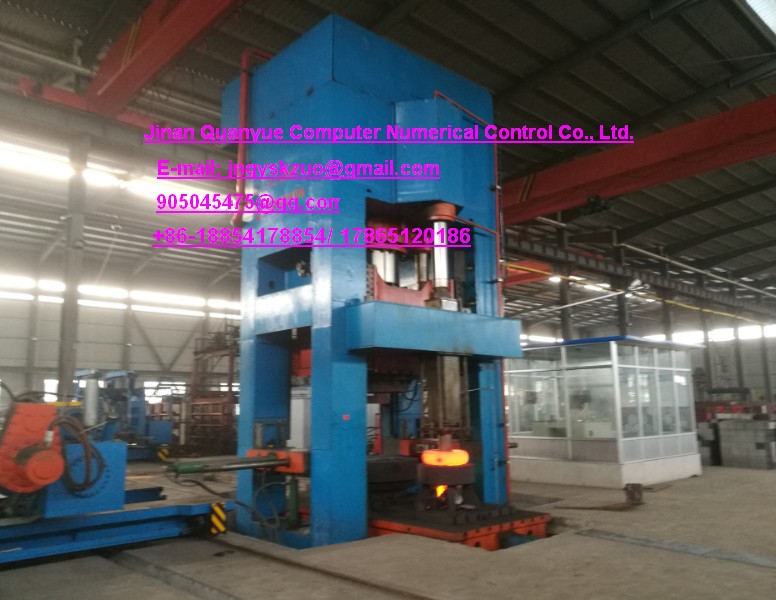
Source industrial-grade metal forging machinery from vetted manufacturers and suppliers. Built for heavy-duty production, our network supports procurement managers, distributors, and importers looking for reliable bulk sourcing, OEM production, and competitive wholesale pricing.
Sourcing metal forging machinery requires navigating a landscape where the cost of failure is exceptionally high. A misaligned frame or a substandard hydraulic system does not just halt production; it creates significant safety risks and catastrophic downtime. Securing reliable equipment at scale means looking past the spec sheet and scrutinizing the manufacturer's engineering capabilities, component supply chain, and assembly precision.
Key Specifications for Forging Machinery
Specifying forging equipment requires matching the machine's kinetic and structural profile to the intended metallurgical processes. Failing to define these parameters rigorously leads to equipment that fatigues early or fails to meet tolerance requirements.
| Operational Factor | Mechanical Forging Presses | Hydraulic Forging Presses |
|---|---|---|
| Force Delivery | Maximum force achieved only at the bottom of the stroke | Full tonnage available throughout the entire stroke |
| Production Speed | High cycle rates, ideal for long continuous runs | Slower cycle rates, ideal for complex or deep drawing |
| Maintenance Complexity | High mechanical complexity (clutches, flywheels) | High fluid complexity (pumps, seals, valves) |
Beyond the drive mechanism, buyers must clearly define the following critical parameters in their RFQ:
- Nominal Force (Tonnage): Must exceed the required deformation force by at least 20 percent to prevent chronic structural fatigue.
- Stroke Length and Rate: Dictates cycle times and the ability to handle various part geometries.
- Daylight and Shut Height: Determines the maximum die size and part clearance.
- Control Architecture: Specify the exact origin of the PLC and servo systems (e.g., Siemens, Mitsubishi, or Bosch Rexroth) to ensure compatibility with your existing maintenance infrastructure.
Evaluating Manufacturer Capabilities
The difference between a machine that lasts thirty years and one that fails in three lies in the factory's machining tolerances and metallurgical treatment of the machine frame. Frame rigidity is paramount. Look for stress-relieved welded steel structures or cast iron frames that have undergone proper aging.
Need help verifying a heavy machinery manufacturer's true capabilities?
Talk to our teamBecause heavy machinery suppliers often outsource frame casting or hydraulic cylinder manufacturing, conducting comprehensive factory audits is critical. You need to verify not just the final assembly, but the quality control applied to their sub-tier suppliers.
Critical Factory Vetting Points
- Frame stress relief processes (thermal annealing vs. vibratory relief)
- Origin and authenticity of critical hydraulic valves and seals
- In-house heavy machining capabilities (boring mills, large CNC gantries)
- Compliance with CE or OSHA safety standards (light curtains, dual-palm controls)
Factory Acceptance Testing (FAT)
Never ship heavy machinery without a rigorous Factory Acceptance Test. This is where your investment in quality control and inspection pays off, catching integration issues before the machine is crated.
Dry Cycling
Running the machine continuously for 24 to 48 hours without a load to monitor hydraulic temperatures, seal integrity, and electronic stability.
Load Testing
Stamping or forging test pieces using your actual dies or equivalent tooling to verify tonnage output, parallelism, and deflection under load.
Safety Verification
Testing all emergency stops, light curtains, and hydraulic interlocks under simulated failure conditions.
MOQs, Lead Times, and Logistics Reality
Unlike standard commercial goods, forging machinery is typically built to order. While Minimum Order Quantities (MOQs) are almost universally 1 unit, the engineering and assembly complexity dictates long lead times.
Because these machines often weigh between 10 and 100 tons, logistics is a major cost driver. Flat rack containers, break bulk shipping, and heavy-lift port handling require specialized shipping and freight coordination to ensure the equipment arrives without transit damage or severe port delays.
Streamline your heavy machinery procurement and logistics.
Get a free consultationFrequently Asked Questions
Procuring metal forging machinery is an exercise in risk mitigation. Success depends entirely on rigorous specification, active quality oversight during the build, and meticulous logistics planning.
Get Sourcing Help for Metal Forging Machinery
Tell us your requirements and our experts will connect you with verified manufacturers.