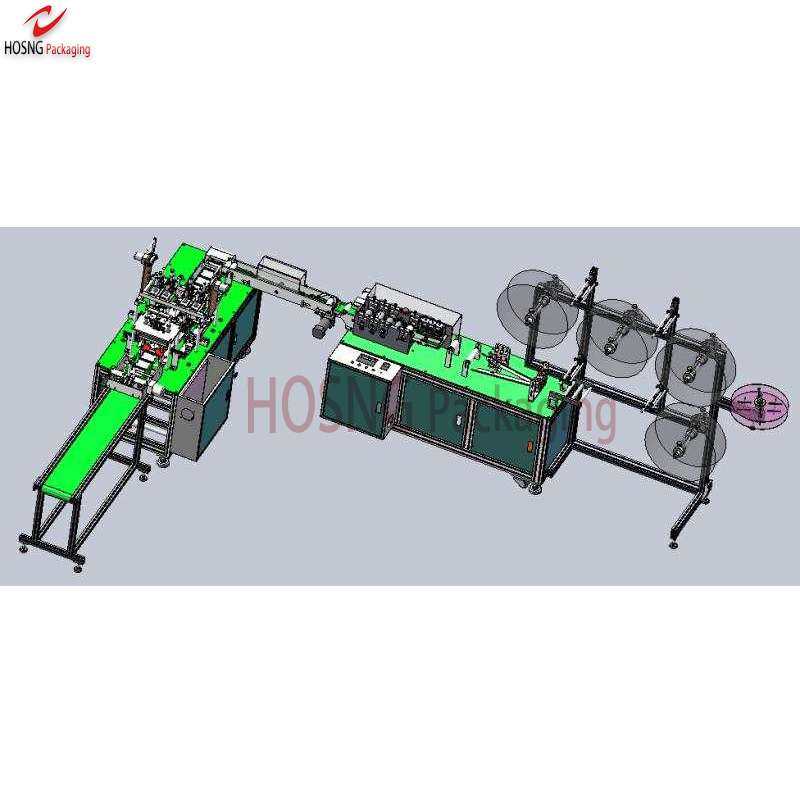
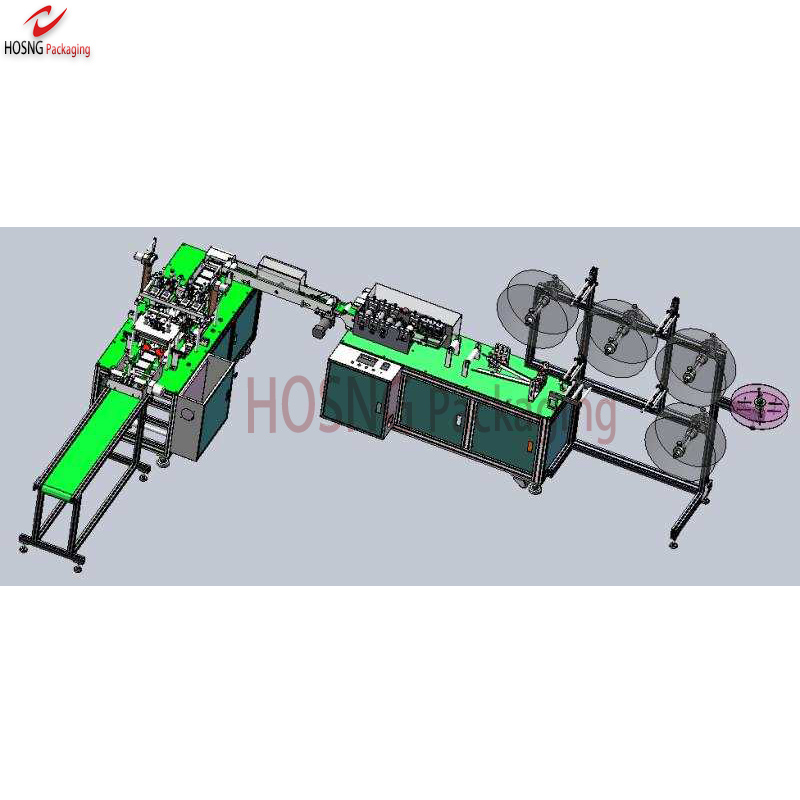
Mask Making Machines
Source automated Mask Making Machines from vetted suppliers and manufacturers across Asia. This catalog is built for importers, industrial distributors, and healthcare equipment brands looking for reliable, high-volume production machinery. We connect wholesale buyers with certified factories for standard and OEM manufacturing.
Procuring industrial mask making machinery requires balancing raw production speed with mechanical reliability. The difference between a production line that runs continuously and one plagued by ultrasonic welding faults often comes down to internal component sourcing and the manufacturer's final assembly standards. When sourcing these machines in bulk or setting up a new production facility, evaluating the core mechanics is critical to ensuring your capital investment yields consistent output.
Core Machine Configurations
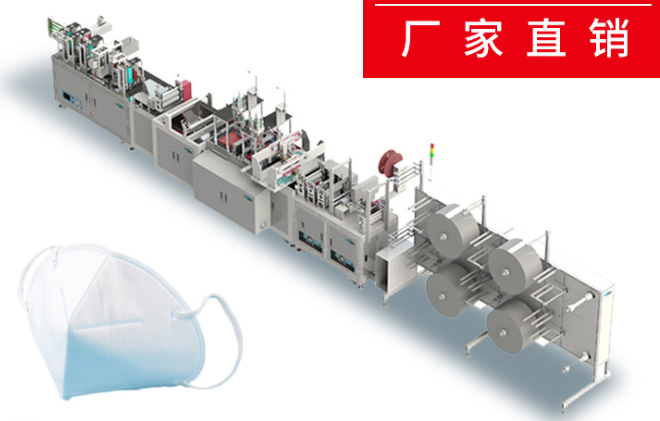
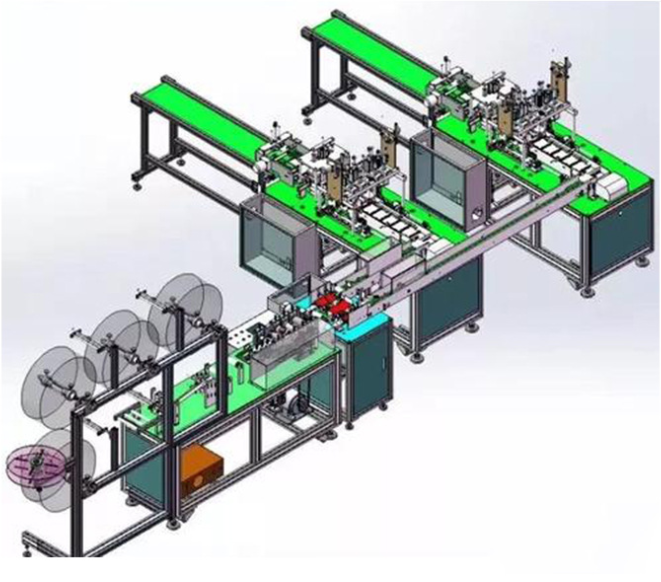
The architecture of the machine dictates both its footprint and its theoretical maximum output. Buyers must match the machine configuration to their facility capabilities and the specific mask standard (e.g., standard 3-ply, N95, KN95) they intend to produce.
| Machine Configuration | Typical Output | Drive System | Complexity |
|---|---|---|---|
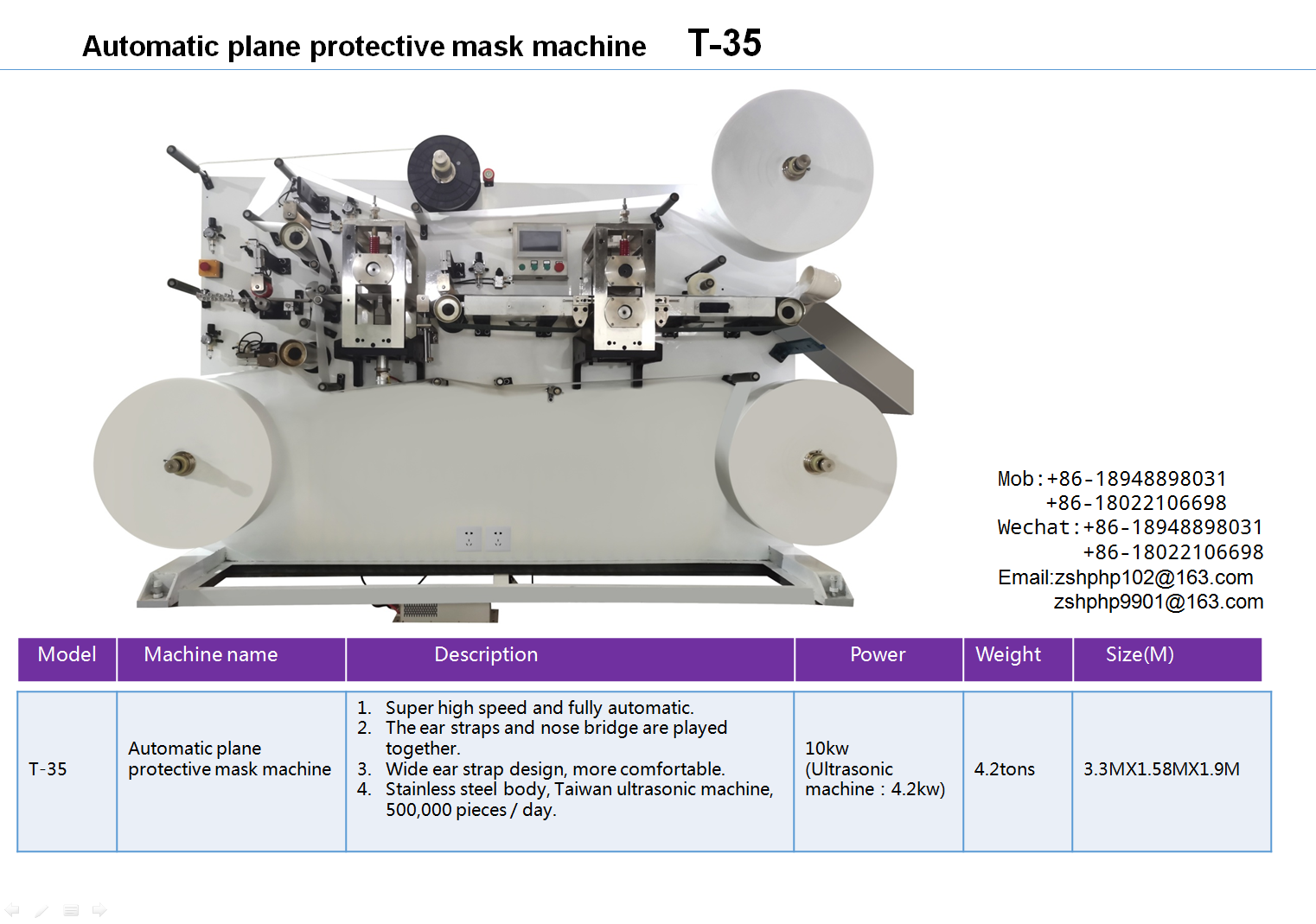
| 1-to-1 Flat Mask Line | 100-150 pcs/min | Servo Motor | Moderate |
| 1-to-2 Flat Mask Line | 120-200 pcs/min | Servo/Stepper Hybrid | High |
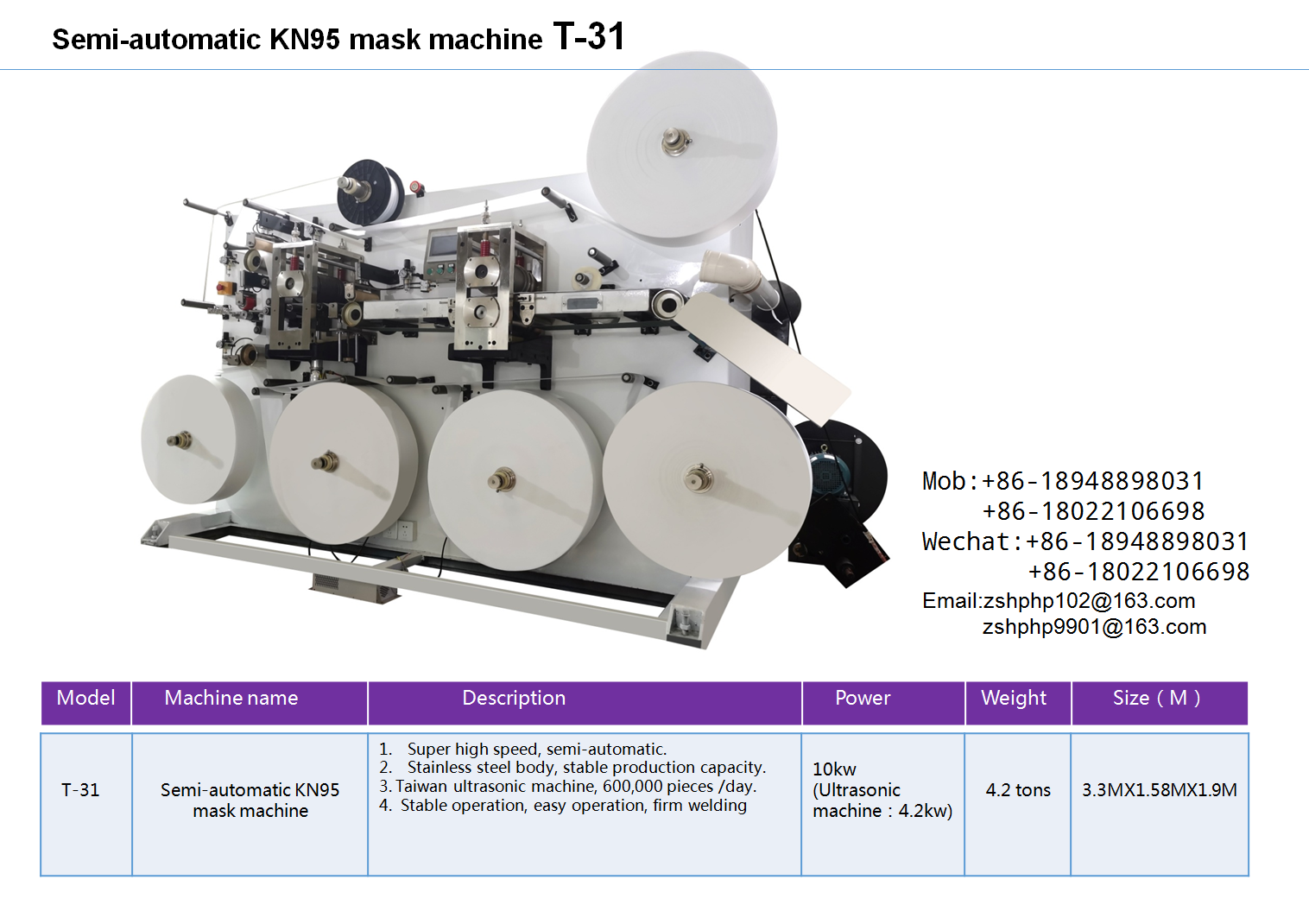
| N95/KN95 Folding Mask | 40-80 pcs/min | Full Servo | Very High |
| Fish-Type (KF94) | 50-90 pcs/min | Full Servo | High |
Component Quality and Factory Assembly
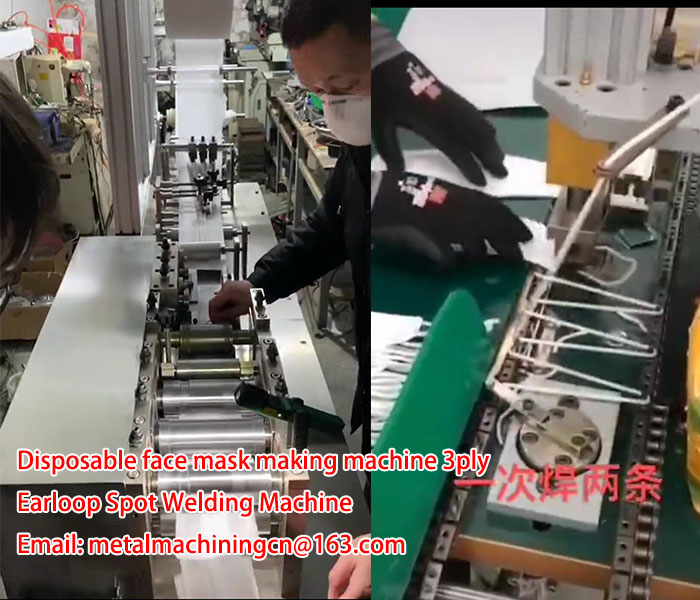
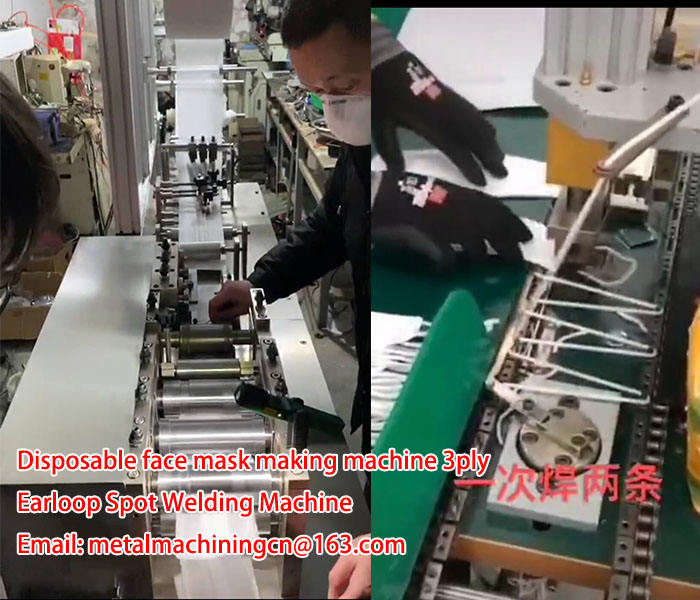
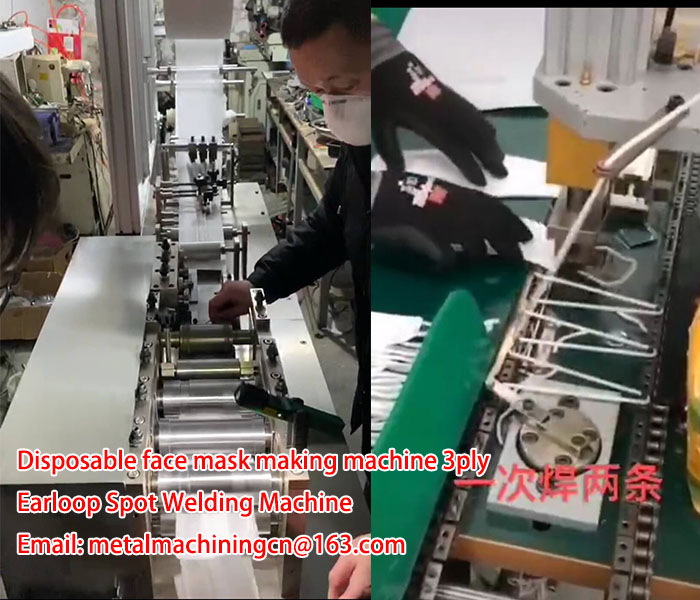
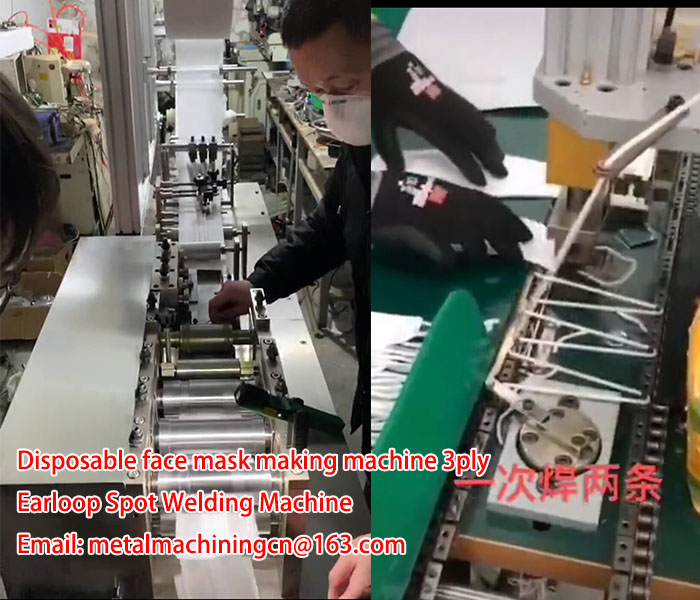
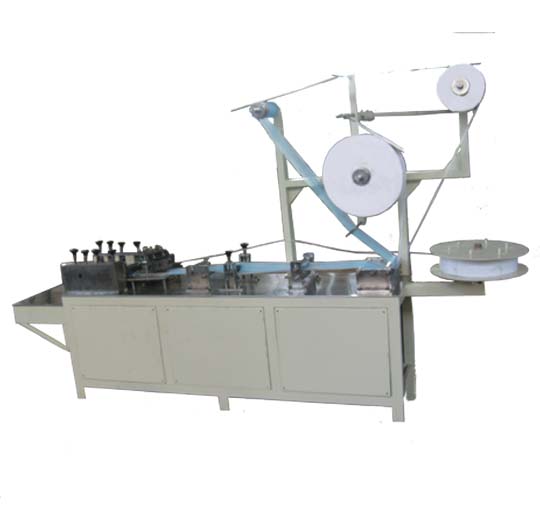
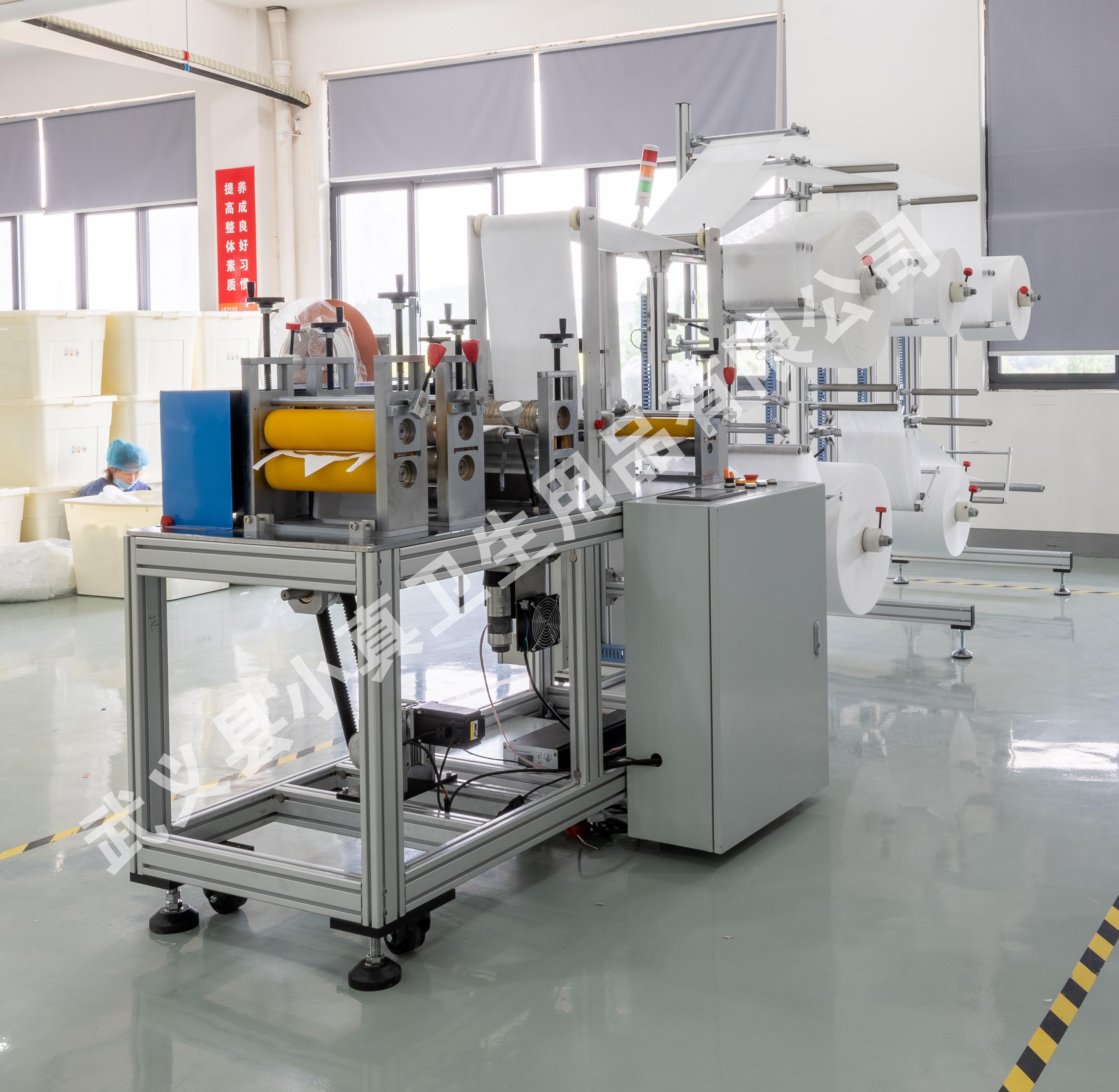
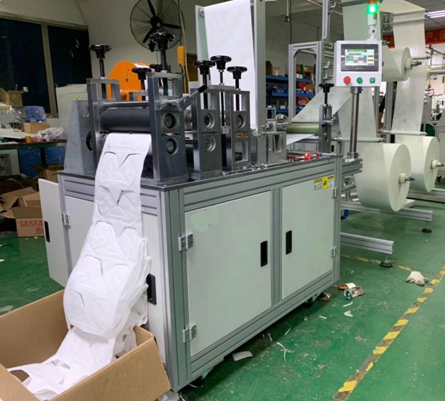
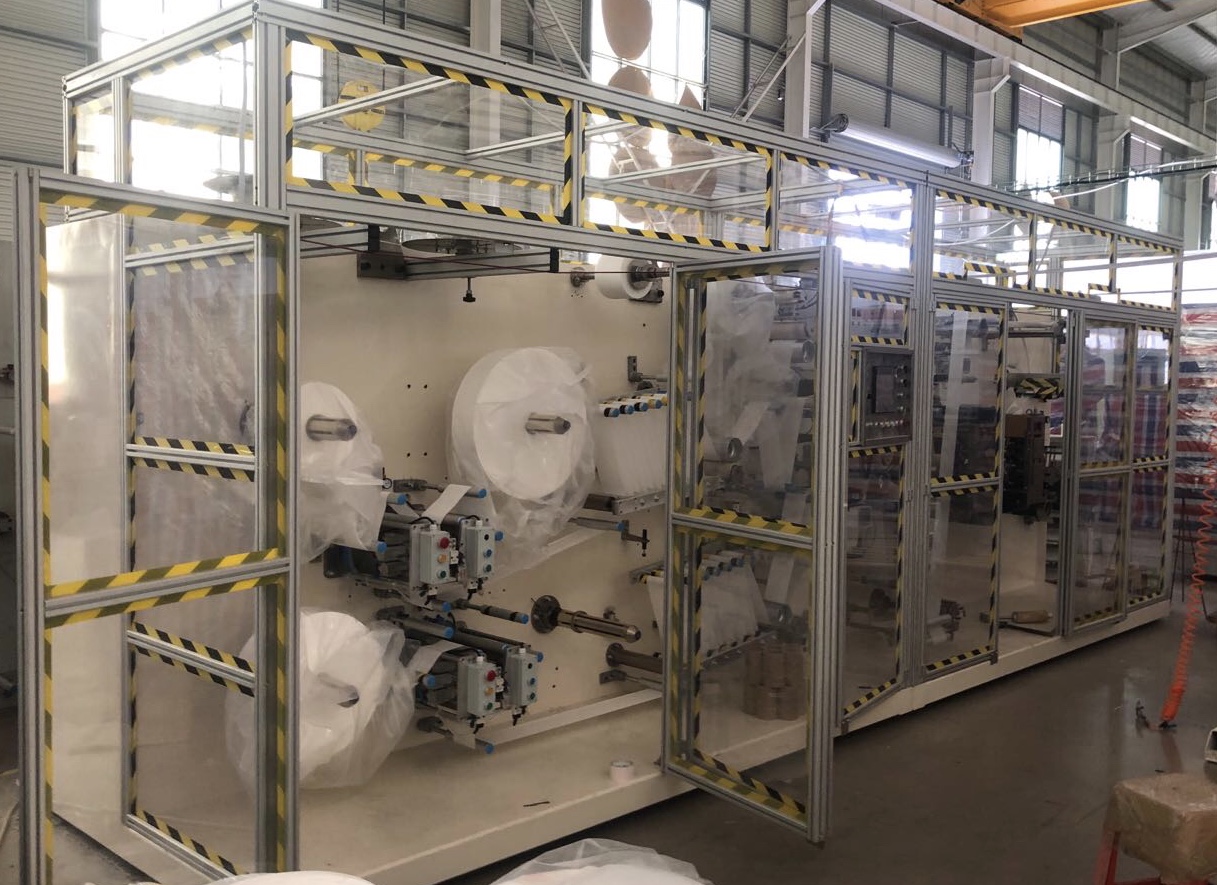
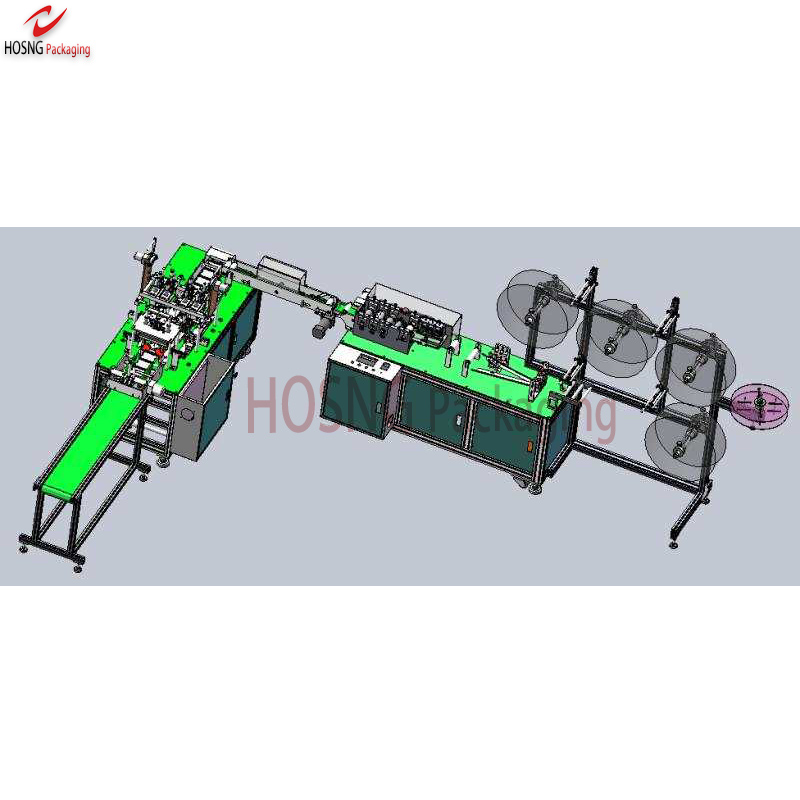
A mask making machine is essentially an automated web-handling and welding system. The structural frame is typically aluminum alloy, but the critical failure points lie in the electronic and pneumatic components.
Many lower-tier suppliers assemble machines using unbranded PLCs and substandard ultrasonic transducers that overheat under continuous load. When evaluating a supplier, you must confirm the origin of their PLCs, touch screens, and servo motors (brands like Delta, Mitsubishi, or Siemens are standard for reliable builds).
Need help verifying a machine manufacturer's component supply chain and assembly standards?
Talk to our teamVerifying a manufacturer's claims requires looking beyond their Alibaba storefront. Conducting thorough on-site factory audits ensures that the supplier actually machines their own precision parts and has robust in-house quality management, rather than simply assembling cheap off-the-shelf kits in a basic workshop.
The Ultrasonic Welding System
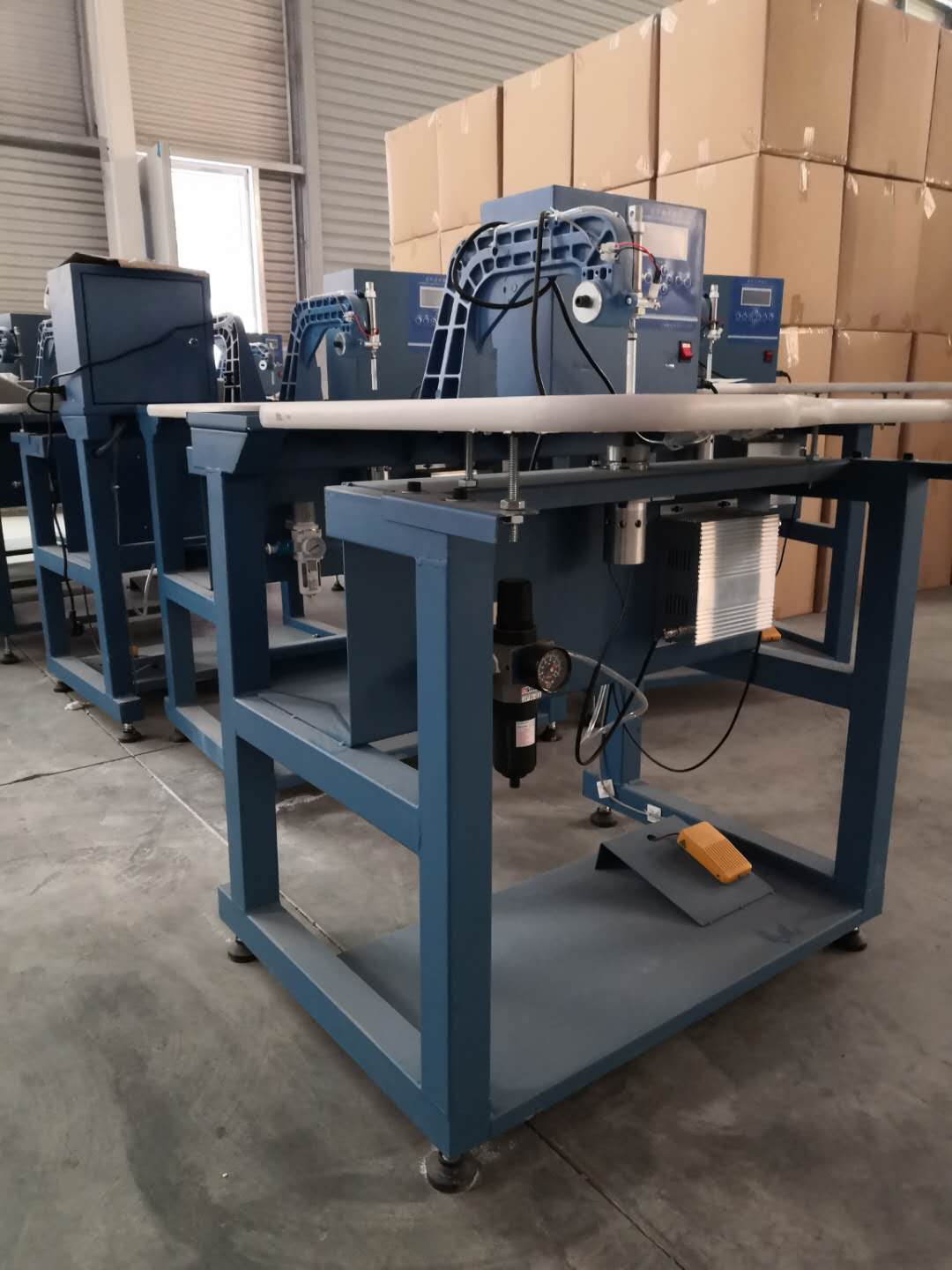
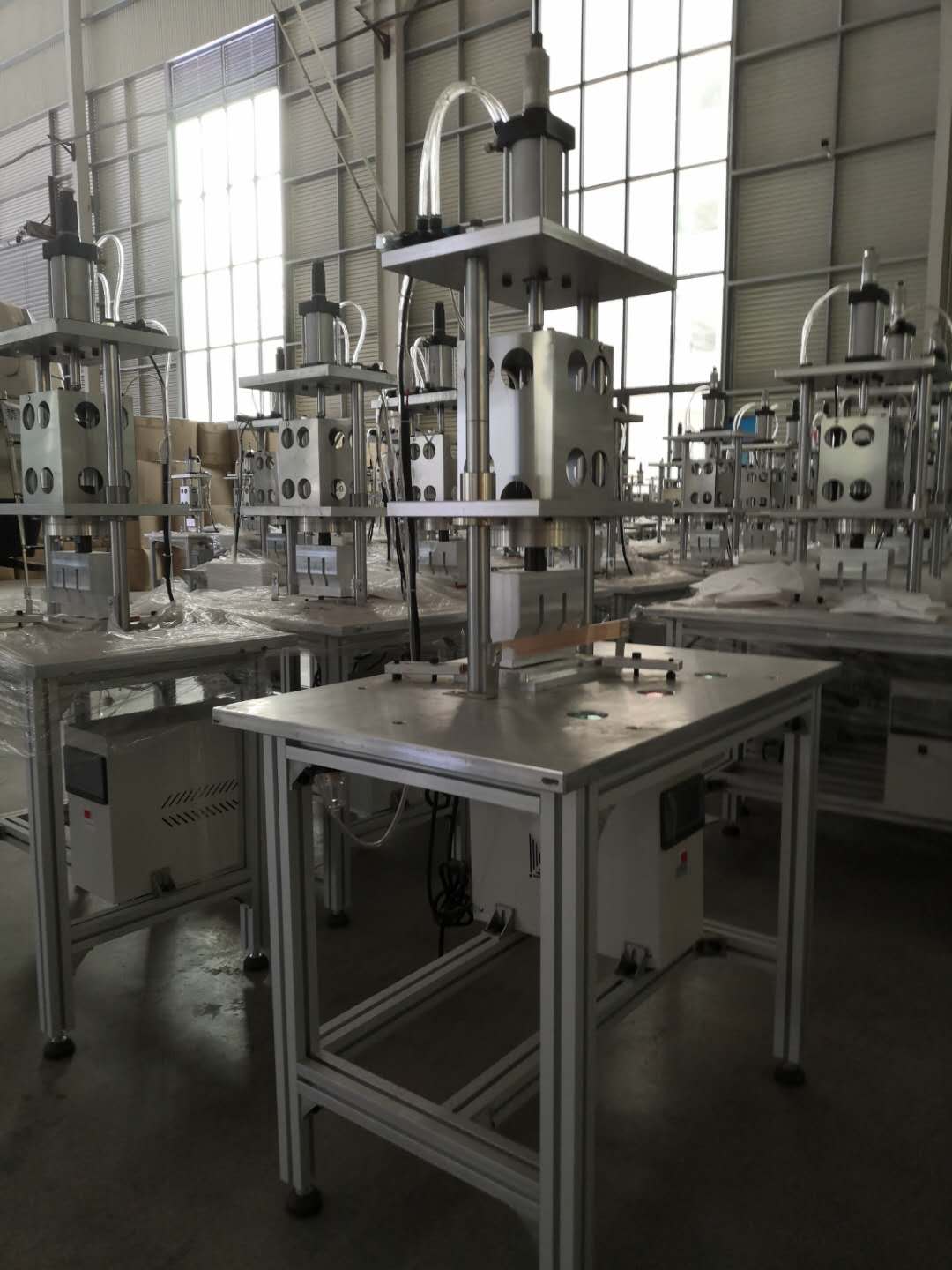
The heart of any mask machine is the ultrasonic welding system (typically operating at 15kHz or 20kHz). This system bonds the non-woven and melt-blown fabric layers and attaches the ear loops.
Key Inspection Points for Welding Systems
- Generator stability: Ensure the generator can maintain frequency without overheating during 24-hour continuous operation.
- Horn material: Steel horns offer better durability for continuous production compared to cheaper aluminum alternatives.
- Cooling mechanisms: Adequate air cooling systems must be integrated around the transducers.
- Pressure calibration: Pneumatic cylinders must provide even pressure across the welding horn to prevent weak seals.
Factory Acceptance Testing (FAT)
You should never authorize the final balance payment or allow a machine to be crated without rigorous testing on the factory floor. Comprehensive pre-shipment inspection and quality control is non-negotiable for industrial machinery.
Material Feeding & Tension
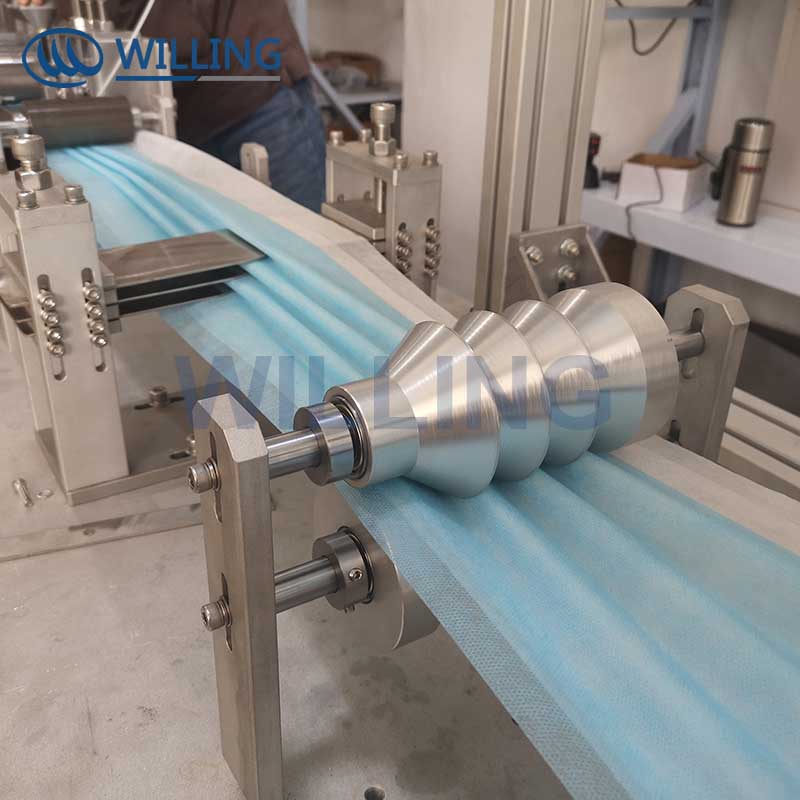
Run full rolls of non-woven fabric and melt-blown layers to verify they feed smoothly without wrinkling, snapping, or drifting out of alignment.
Continuous Speed Testing
Operate the machine at its maximum rated speed for a minimum of two hours. Monitor the ultrasonic generators for overheating and the servo motors for fault codes.
Final Product Inspection
Check the output masks for dimensional symmetry, accurate nose-wire placement, and ear loop weld strength.
Pricing, MOQs, and Lead Times
Machinery sourcing operates on different timelines than standard consumer goods. While the Minimum Order Quantity (MOQ) is almost always accessible, lead times fluctuate based on the supplier's backlog and the level of customization required for your local voltage and safety compliance.
When planning your purchase, factor in the logistics of moving heavy equipment. Mask machines require specialized vacuum packing and heavy-duty wooden crating to prevent rust and transit damage. Coordinating the shipping and freight for oversized cargo requires precise planning regarding container loading (LCL vs FCL) and destination customs clearance.
Planning a new production line and need accurate machinery lead times and freight estimates?
Get a free consultationFrequently Asked Questions
Successfully sourcing mask making machinery is about mitigating risk before the equipment leaves the factory floor. By focusing on component origin, demanding rigorous continuous-run testing, and verifying supplier capabilities, you ensure your production line will operate profitably from day one.
Get Sourcing Help for Mask Making Machines
Tell us your requirements and our experts will connect you with verified manufacturers.