Manual Lathes
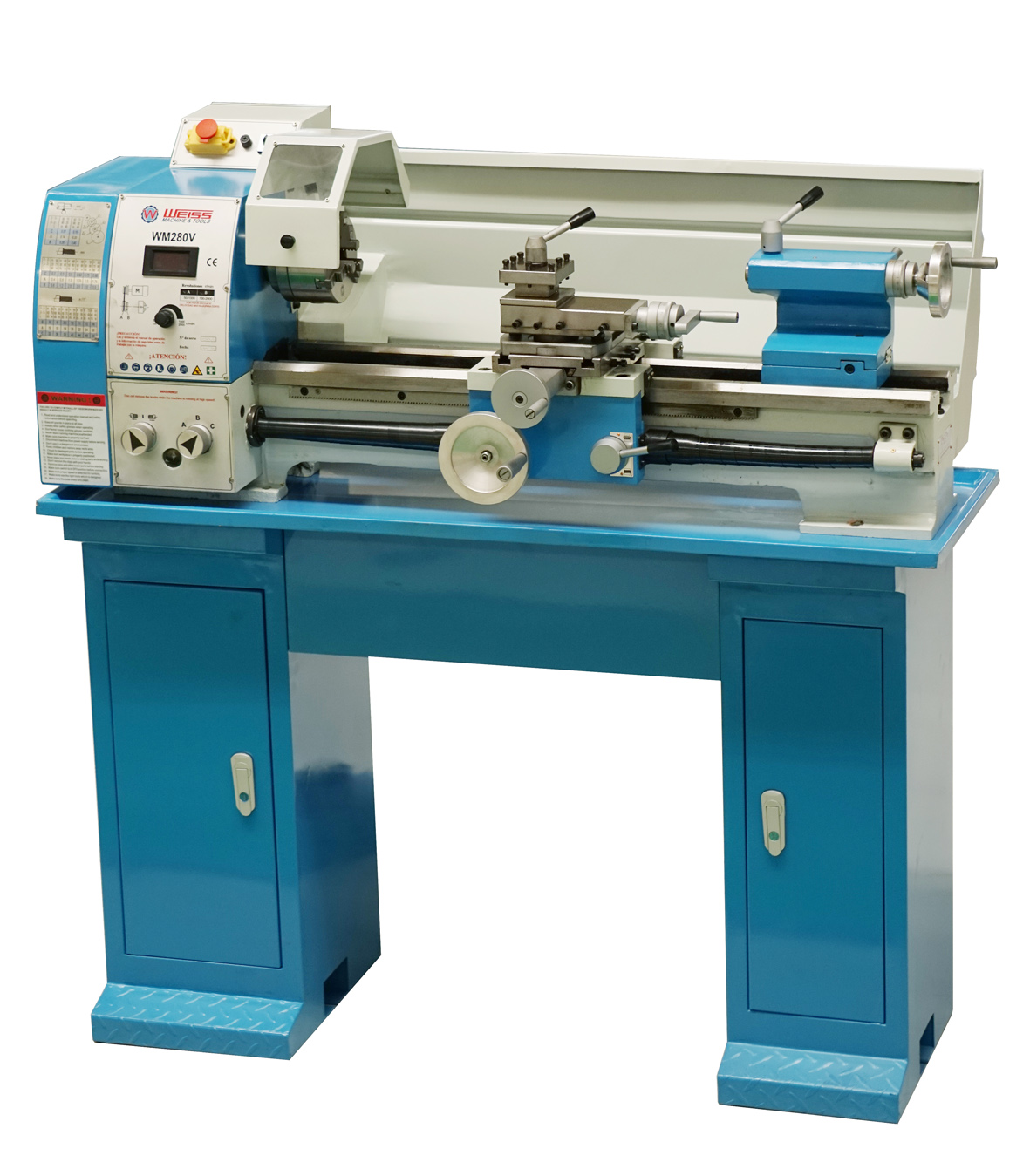
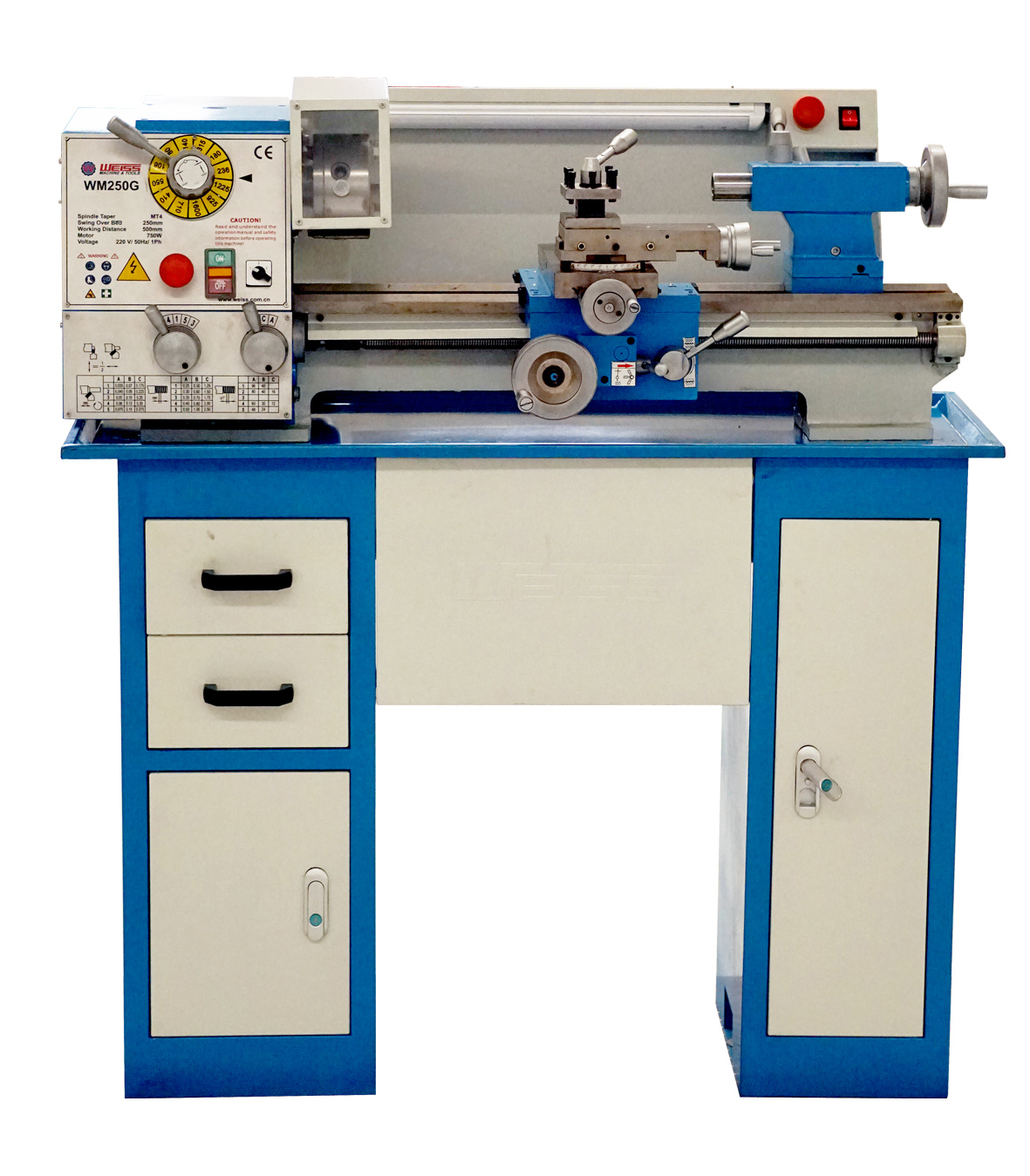
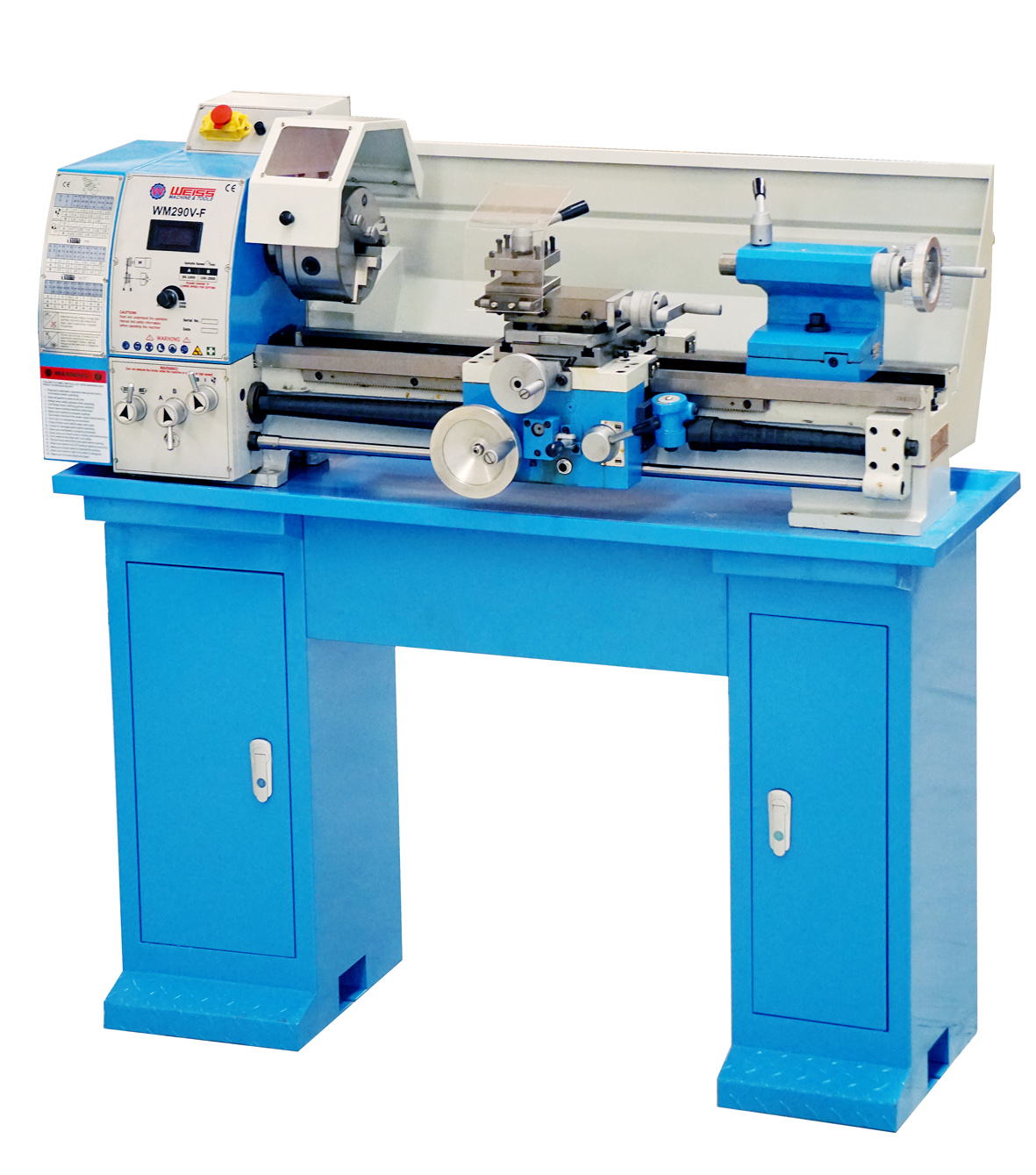
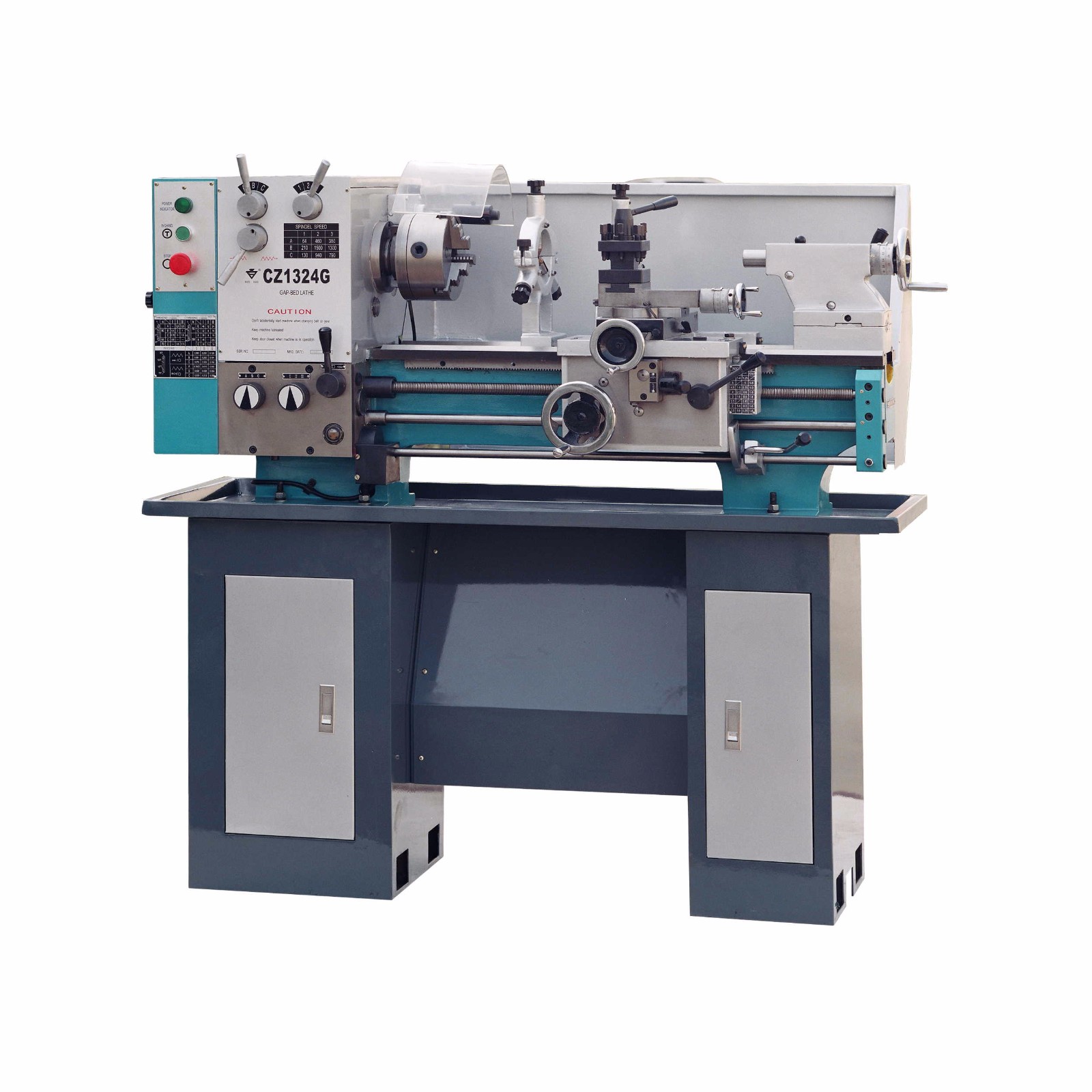
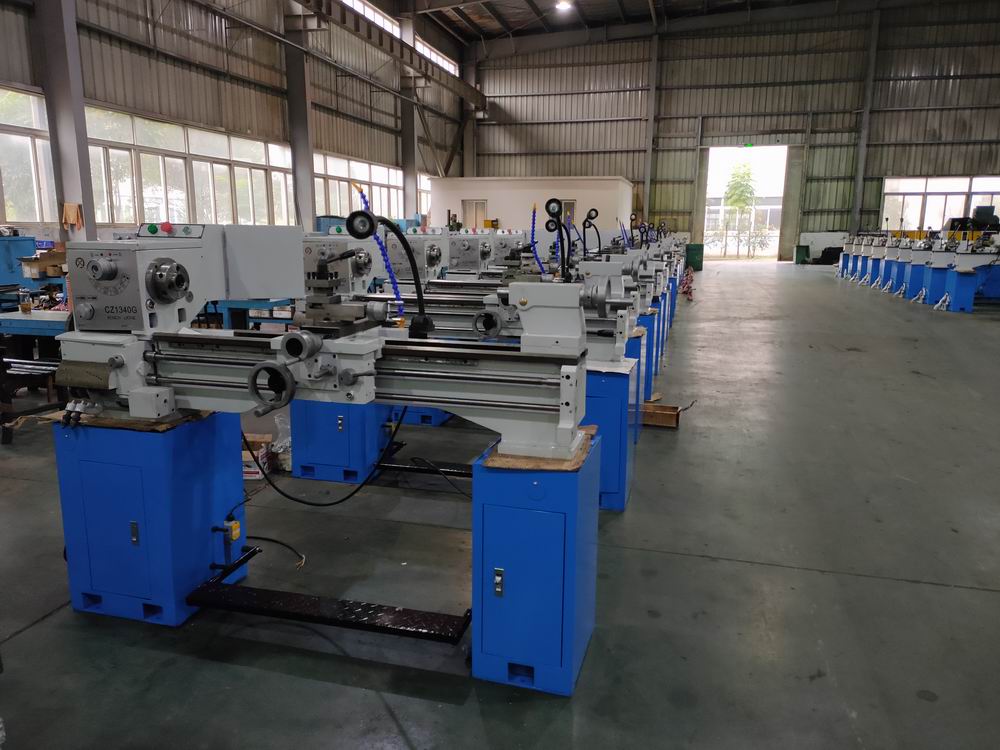
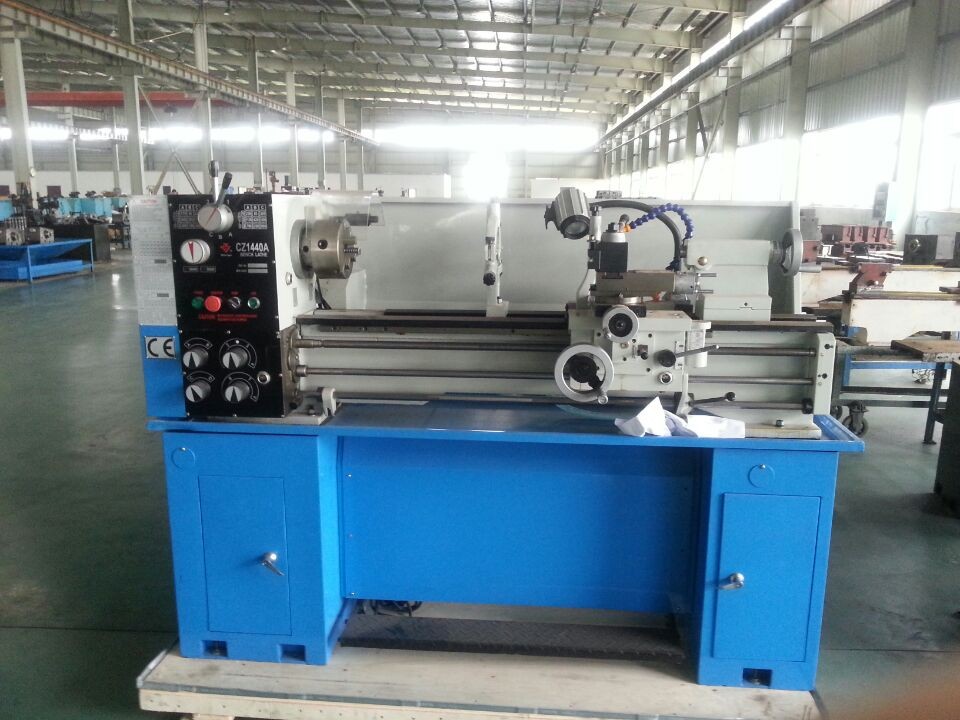
Source commercial-grade manual lathes from vetted suppliers and manufacturers across Asia. Designed for importers, industrial distributors, and brands seeking reliable OEM production, our network delivers precision machine tools engineered for durability. Secure competitive wholesale pricing and consistent quality at scale.
Sourcing manual lathes in volume requires navigating a fragmented landscape of machine tool builders. While external dimensions and specification sheets often look identical across suppliers, the true value of a lathe is determined by its metallurgical stability, spindle precision, and the quality of its internal gearing. For distributors and industrial importers, securing reliable factory partners means looking past the spec sheet and verifying the foundational engineering practices on the factory floor.
Critical Specifications for Industrial Lathes
When negotiating with manufacturers, vague specifications lead to inconsistent production batches. You must define exact tolerances, material grades, and component origins.
| Component / Metric | Standard Workshop Grade | Heavy-Duty Industrial Grade |
|---|---|---|
| Bed Casting Material | HT200 Cast Iron | HT250 or Meehanite Cast Iron |
| Guideway Hardness | HRC 40–45 | HRC 50–55 (Induction Hardened & Ground) |
| Spindle Runout | Under 0.02mm | Under 0.009mm |
| Headstock Gearing | Standard hardened steel | Cr-Mo steel, precision ground |
Cast Iron Seasoning and Bed Rigidity
The most common failure point in imported manual lathes is "green" or improperly aged cast iron. If the bed casting is machined before internal stresses are relieved, the lathe will warp over time, permanently destroying its geometric accuracy. Premium manufacturers utilize natural aging (leaving castings outdoors for several months) or thermal stress relief processes. When evaluating a new supplier, conducting thorough Factory Audits is essential to physically verify their casting storage and stress-relief protocols.
Spindle and Bearing Architecture
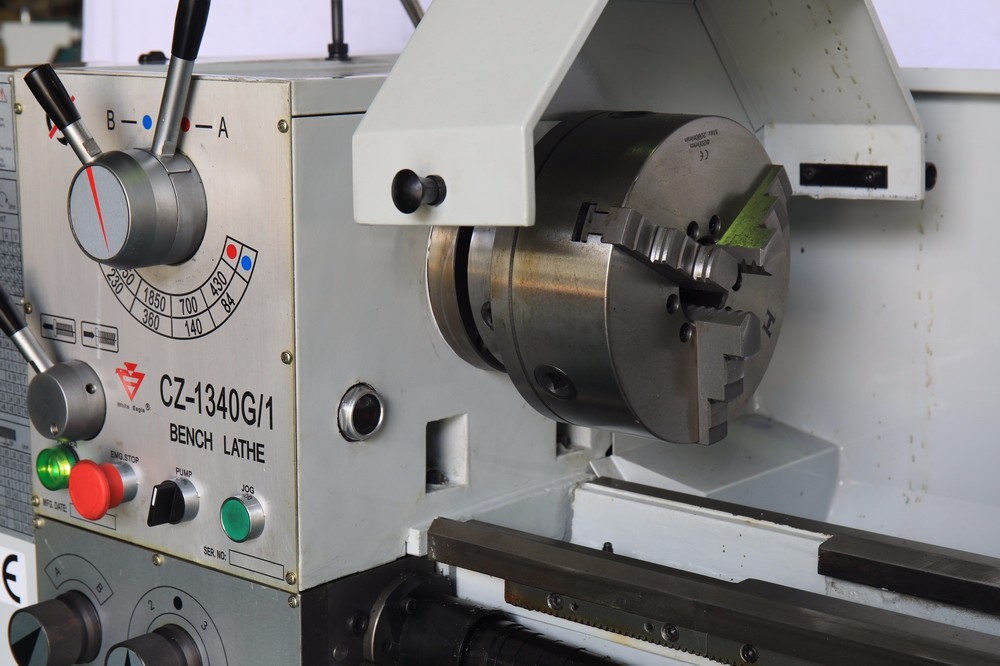
The spindle is the heart of the lathe. Specify the exact bearing configuration—typically high-precision tapered roller bearings. Ensure the manufacturer balances the spindle dynamically after assembly. Heat generation in the headstock during continuous operation should remain low, and noise levels should be rigorously tested before the machine leaves the facility.
Struggling to verify the engineering standards of overseas machine tool builders? Let our on-the-ground engineers evaluate supplier capabilities and secure your supply chain.
Talk to our teamManufacturing Quality Control & Alignment Testing
A lathe's accuracy is only as good as its final alignment. Final assembly requires skilled technicians who hand-scrape the mating surfaces of the carriage, cross-slide, and tailstock to ensure perfect oil retention and frictionless movement.
Pre-Shipment Inspection Points for Manual Lathes
- Geometric alignment testing (bed straightness, spindle parallel to bed).
- Test cuts on standard steel bar stock to measure taper and surface finish.
- Verification of electrical panel components (Siemens, Schneider) and CE/UL compliance.
- Noise and vibration testing at maximum spindle RPM.
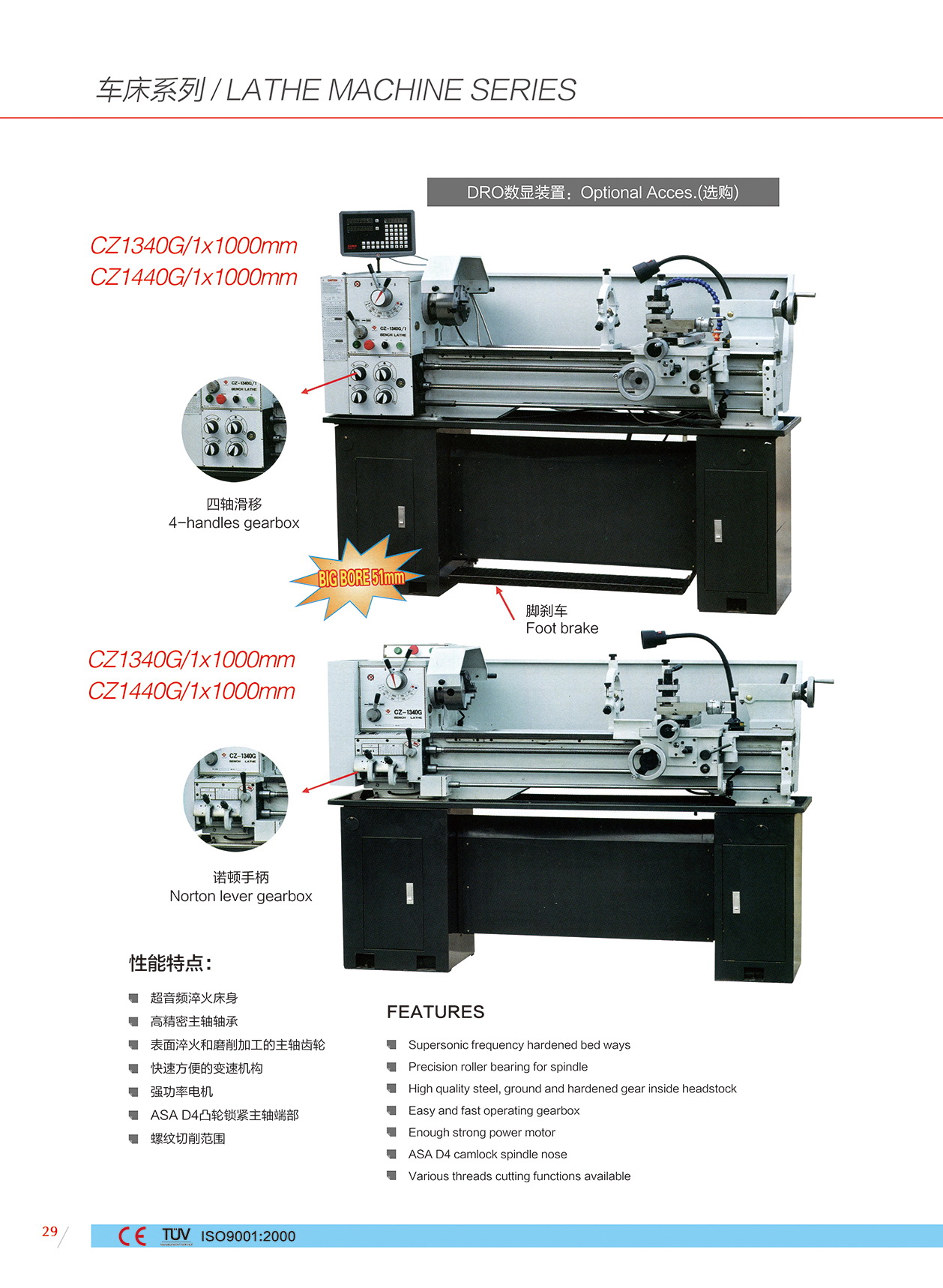
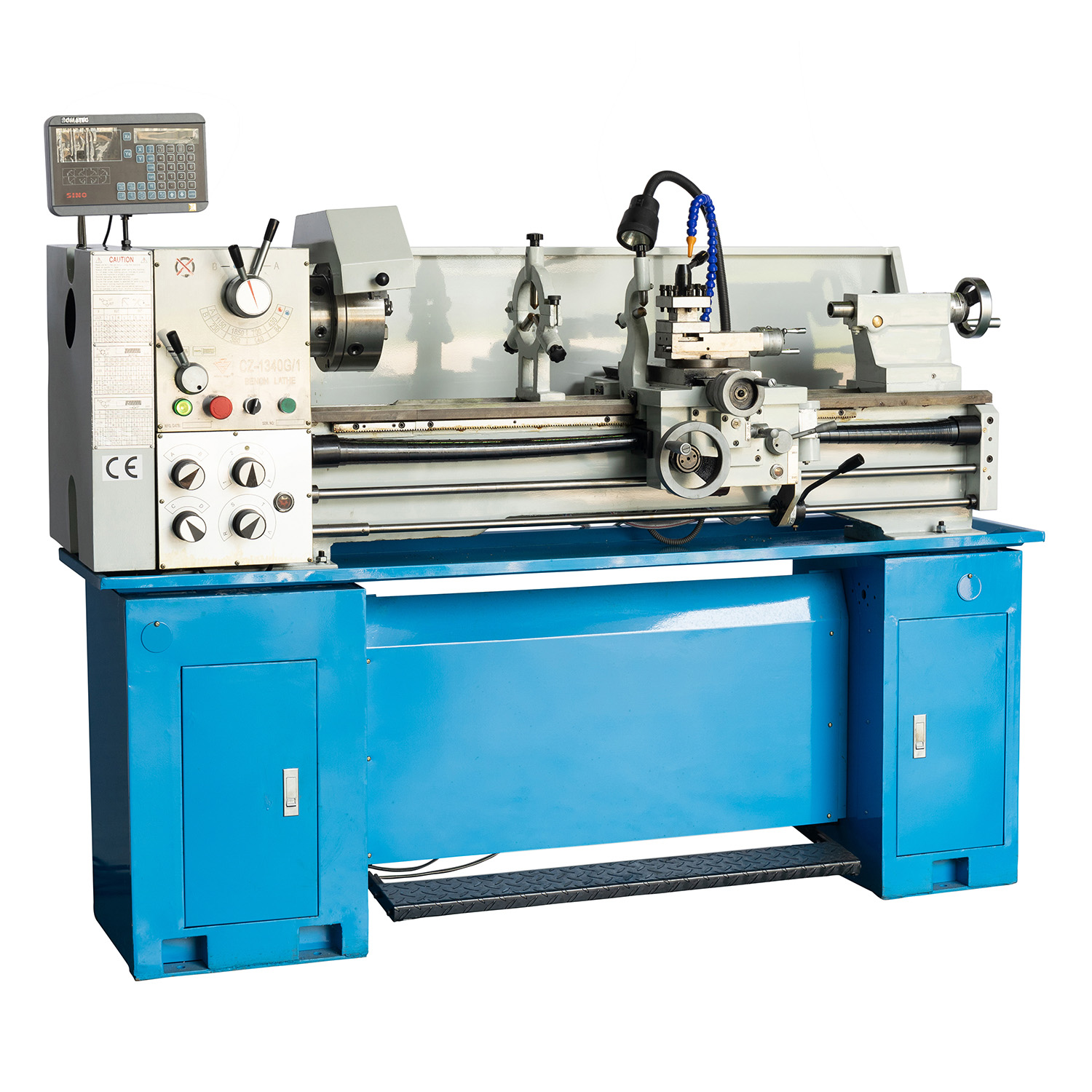
- Confirmation of included accessories (3-jaw/4-jaw chucks, steady rests, DRO systems).
Relying solely on factory-provided test certificates is risky. Implementing independent Quality Control & Inspection prior to container loading ensures that every machine meets your documented tolerances and that no defective units are shipped.
Purchasing Mechanics: Pricing, MOQs, and Logistics
Because manual lathes are heavy, high-value capital equipment, the sourcing mechanics differ significantly from standard consumer goods.
Pricing Drivers
Unit costs are primarily dictated by the swing over bed, distance between centers, and spindle bore size. However, "hidden" upgrades significantly impact the final FOB price. Upgrading to a premium 3-axis Digital Readout (DRO), quick-change tool posts, and internationally certified electrical contactors will increase costs but drastically reduce after-sales support issues for your distribution business.
Freight and Consolidation
Shipping precision machinery requires robust packaging—typically vacuum-sealed foil bags with desiccant, bolted to heavy-duty steel or treated timber skids. While LCL (Less than Container Load) shipping is possible for small orders, the risk of damage from rough terminal handling is high. Consolidating orders into dedicated 20ft or 40ft containers is the safest approach. Coordinating this effectively requires experienced Shipping & Freight management to handle heavy-lift rigging and secure container blocking and bracing.
Need to optimize your landed costs for heavy machinery? We manage the entire process from factory floor negotiations to final delivery at your warehouse.
Get a free consultationFrequently Asked Questions
Successfully importing manual lathes at scale requires meticulous attention to metallurgical quality, precise geometric testing, and secure logistics. By focusing on the structural integrity of the machine and enforcing strict pre-shipment alignment protocols, distributors can build a highly profitable, reliable product line that industrial end-users trust.
Get Sourcing Help for Manual Lathes
Tell us your requirements and our experts will connect you with verified manufacturers.