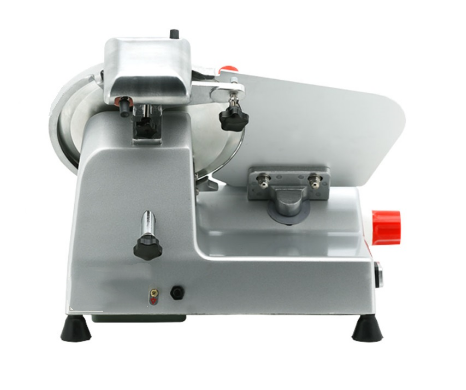
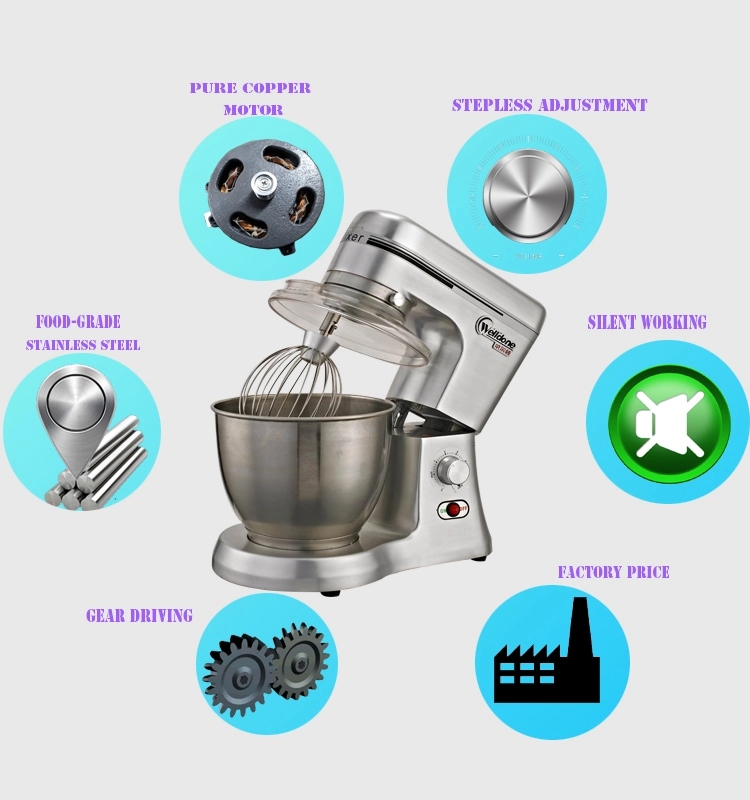
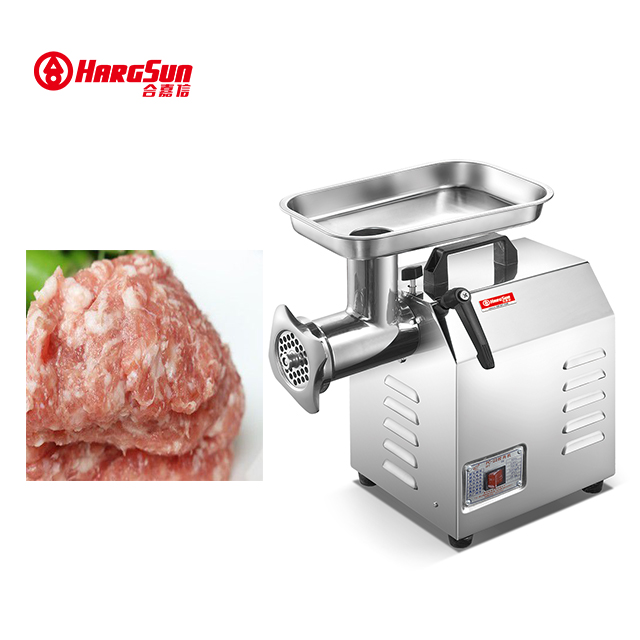
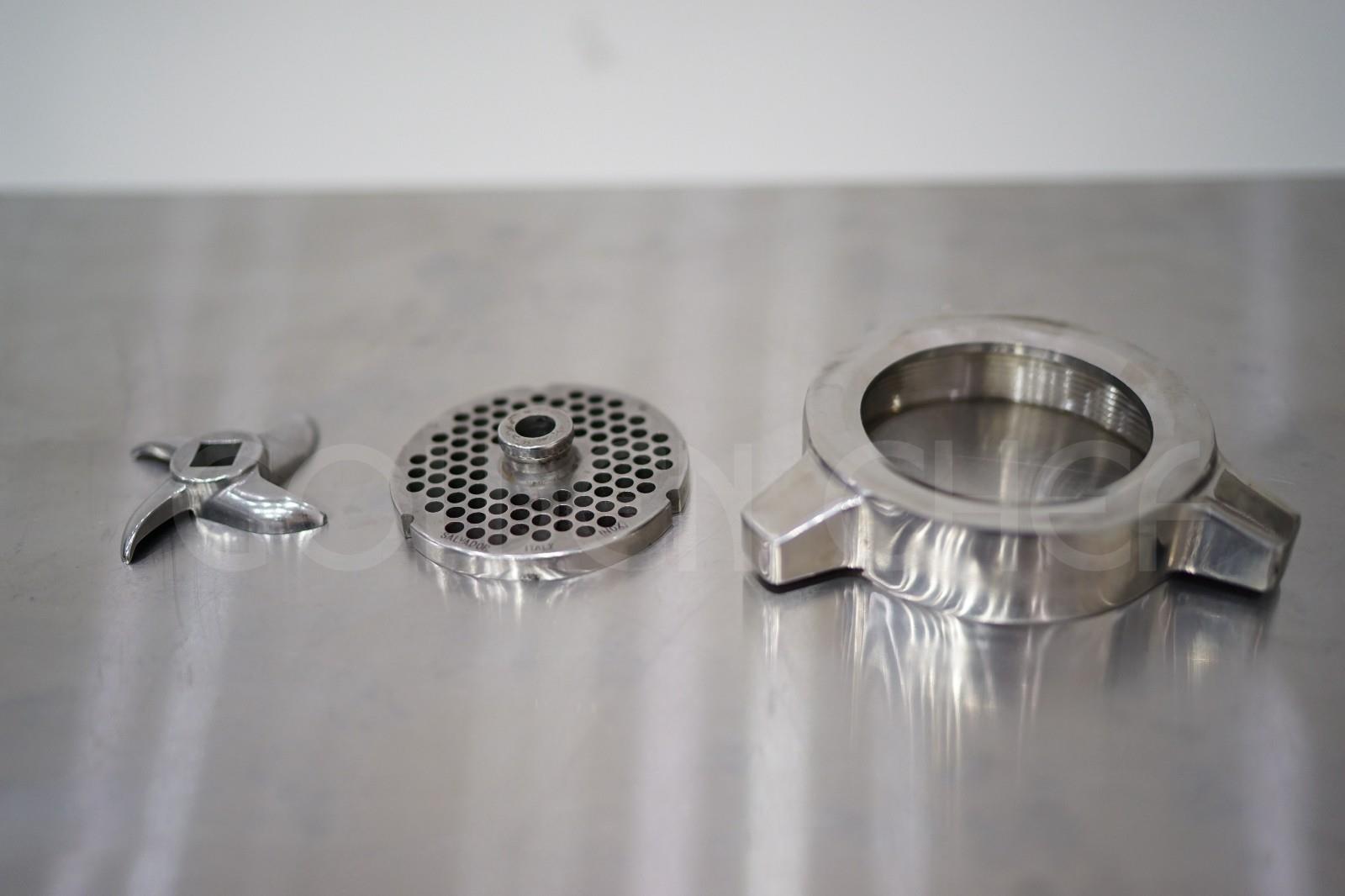
Machinery for the Preparation of Meat or Poultry
Source industrial-grade Machinery for the Preparation of Meat or Poultry from vetted suppliers and manufacturers. Designed for importers, distributors, and brands requiring reliable, high-throughput processing equipment, our network supports bulk wholesale orders and custom OEM manufacturing tailored to your exact facility and regulatory needs.
Procuring meat and poultry processing machinery requires balancing high-throughput performance with stringent food safety and sanitation standards. Whether you are sourcing heavy-duty grinders, vacuum tumblers, bowl cutters, or automated deboning lines, the primary challenge is identifying manufacturers capable of delivering equipment that withstands aggressive washdown protocols while maintaining continuous operational reliability.
For procurement managers and distributors, sourcing directly from overseas manufacturers offers significant cost advantages, provided you can rigorously validate the supplier's engineering capabilities, material authenticity, and compliance with international food safety directives.
Critical Specifications for Meat Processing Equipment
Industrial meat preparation environments are notoriously harsh. Equipment is subjected to high moisture, animal fats, and caustic cleaning chemicals. When negotiating specifications with a manufacturer, precision is critical to ensure longevity and compliance.
Sanitary Design and Material Integrity
The foundation of any food-grade machine is its material composition. While standard specifications often state "stainless steel," you must specify the exact grade for all food-contact zones.
| Material Grade | Corrosion Resistance | Recommended Application |
|---|---|---|
| SUS201 | Low (Prone to rapid rusting) | Non-food contact structural frames (Avoid if possible) |
| SUS304 | High (Standard washdown safe) | Standard food-contact zones, hoppers, and blades |
| SUS316 | Maximum (Resists high salinity) | Brine injectors, high-salt marination tumblers |
Beyond the material grade, sanitary design dictates that all welds in food-contact areas must be continuous TIG welds, ground smooth, and polished. Spot welds or unpolished seams harbor bacteria and will fail local health inspections.
Drive Systems and Washdown Protection
Meat processing machinery relies on high-torque motors and gearboxes. Ensure the factory uses recognizable, internationally supported brands for PLCs and motors (e.g., Siemens, ABB, or high-tier domestic equivalents) to ensure spare parts availability. Furthermore, electrical enclosures and operator panels must carry a minimum ingress protection rating of IP65, though IP69K is strongly recommended for facilities utilizing high-pressure, high-temperature washdowns.
Need help verifying a manufacturer's engineering standards? We can validate supplier capabilities and negotiate stringent technical specifications on your behalf.
Talk to our teamValidating Supplier Capabilities
The manufacturing landscape for food processing machinery includes both highly capable engineering firms and lower-tier workshops that merely assemble off-the-shelf components. Distinguishing between the two requires on-site verification.
Conducting thorough Factory Audits is essential before placing a deposit. A capable manufacturer should demonstrate:
- In-house machining: Laser cutting and CNC press brakes for precise panel forming, rather than relying entirely on outsourced metalworking.
- Electrical safety compliance: Neat, well-organized control panels with proper grounding, separated high/low voltage lines, and CE or UL compliant components.
- Safety interlocks: Standardized integration of magnetic safety switches on hoppers and access doors to prevent operation when guards are removed.
Quality Control and Pre-Shipment Inspection
Defects in heavy machinery are prohibitively expensive to fix once the equipment arrives at your facility. Implementing rigorous Quality Control & Inspection prior to shipment is non-negotiable.
Factory Acceptance Test (FAT) Priorities
- Material Verification: PMI (Positive Material Identification) testing to confirm SUS304/316 steel grades.
- Operational Run-Test: Minimum 4-hour continuous dry run to monitor motor temperature and gearbox vibration.
- Sanitary Inspection: Visual and tactile check of all internal welds for pits, crevices, or incomplete polishing.
- Electrical Safety: Earth continuity and insulation resistance testing.
- Voltage Compatibility: Verification that the machine matches the destination country's voltage and frequency (e.g., 480V/60Hz 3-phase).
If you are importing into strictly regulated markets, you may also require Compliance & Testing documentation, such as LFGB or FDA declarations of compliance for all plastics, belts, and seals that come into contact with the meat.
Buying Mechanics: Lead Times, MOQs, and Pricing
Purchasing industrial machinery operates on different timelines and terms compared to consumer goods. Most equipment is built-to-order based on your specific voltage, capacity, and tooling requirements.
Partnering with a sourcing expert for end-to-end Product Sourcing ensures that pricing negotiations are based on raw material costs and component tiers, rather than arbitrary markups.
Ready to optimize your machinery procurement? Let us help you source reliable equipment, manage quality control, and handle the logistics of heavy freight.
Get a free consultationFrequently Asked Questions
Procuring machinery for the preparation of meat or poultry is an investment in your production capability and facility safety. Success depends entirely on setting rigid technical specifications, auditing the factory's engineering standards, and executing strict pre-shipment inspections to ensure the equipment performs reliably from day one.
Get Sourcing Help for Machinery for the Preparation of Meat or Poultry
Tell us your requirements and our experts will connect you with verified manufacturers.