Machinery for Bonding and Finishing of Nonwovens
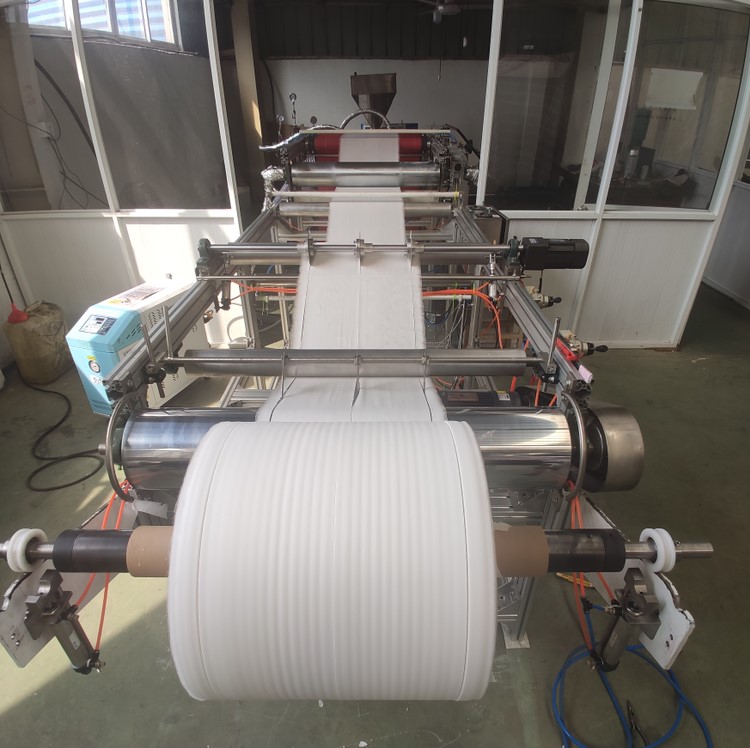
Source industrial-grade machinery for bonding and finishing of nonwovens directly from vetted manufacturers and wholesale suppliers. Built for textile manufacturers, importers, and distributors requiring high-speed needle punching, thermal bonding, and precision laminating equipment for bulk production lines.
Sourcing machinery for bonding and finishing of nonwovens requires balancing initial capital expenditure with long-term operational stability. Whether integrating a thermal calender, a hydroentanglement line, or a high-speed slitter rewinder, the core challenge lies in specifying equipment that maintains uniform web tension and consistent thermal or mechanical treatment across wide working widths.
For procurement managers and factory operators, success depends on moving past surface-level specifications to evaluate frame rigidity, component origins, and the supplier's true machining capabilities.
Specifying Bonding and Finishing Equipment
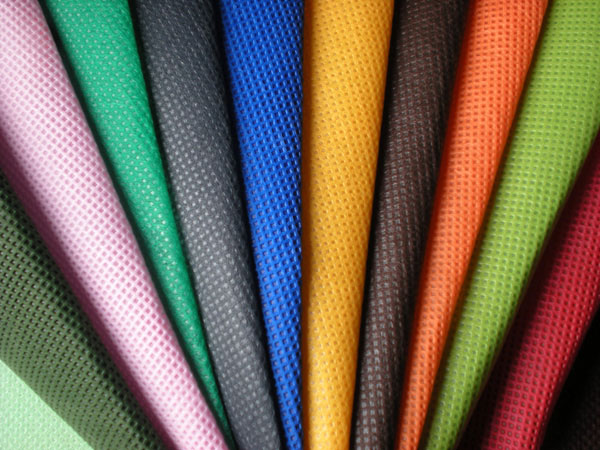
The nonwoven sector demands high throughput without compromising fabric integrity. Buyers must specify critical parameters based on the target GSM (grams per square meter), fiber type (PP, PET, viscose), and the required line speed. A mismatch in heating capacity or nip pressure will result in inconsistent web strength or surface defects.
| Bonding Technology | Typical Applications | Critical Specs to Verify |
|---|---|---|
| Thermal (Calendering / Through-Air) | Hygiene, Filtration | Temperature uniformity (±1°C), Nip pressure (N/mm) |
| Mechanical (Needle Punch / Spunlace) | Automotive, Geotextiles | Stroke frequency, Water jet pressure (bar) |
| Chemical (Impregnation / Coating) | Medical, Industrial wipes | Binder pick-up ratio, Drying efficiency (kW/kg) |
Manufacturing Quality and Component Origins
A machine's reliability is heavily dependent on its frame rigidity and the origin of its electronic components. High-speed bonding creates significant vibration. If the cast iron or welded steel frame lacks mass, this vibration translates to uneven web profiles and premature bearing failure.
When evaluating a machinery supplier, look closely at their supply chain for critical sub-components.
Key Component Inspection Points
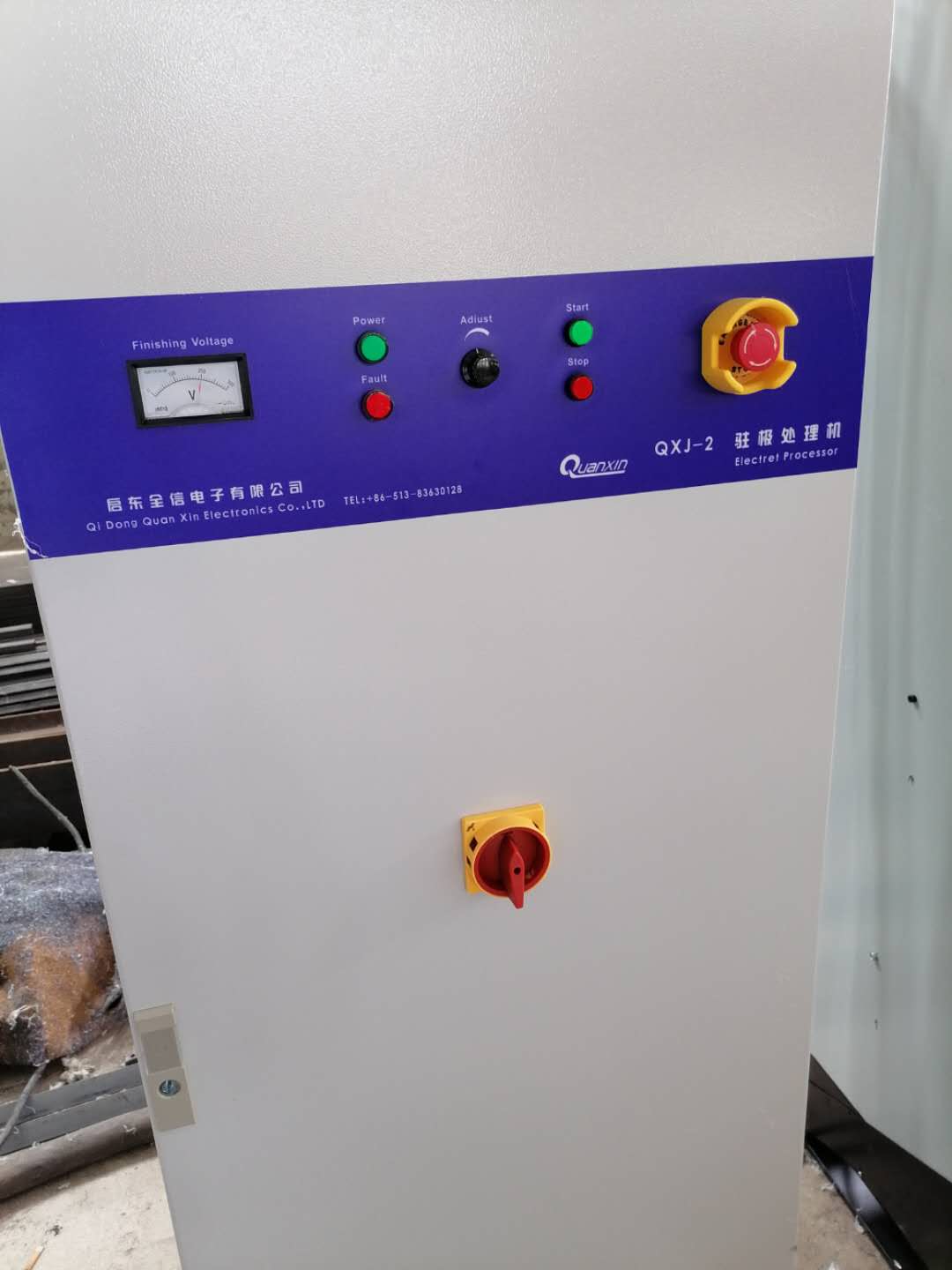
- PLC and Servo Motors: Specify internationally recognized brands (Siemens, Yaskawa, Mitsubishi) for easier local programming and replacement.
- Roller Metallurgy: Verify the use of forged steel and check the hard chrome plating thickness on calender rollers.
- Heating Systems: For thermal oil systems, insist on high-grade, leak-proof rotary joints to prevent fire hazards.
- Tension Control: Ensure closed-loop tension controllers with precision load cells are standard, not optional.
Verifying the manufacturer's in-house machining capabilities is critical. Relying on comprehensive factory audits prevents you from partnering with mere assemblers who outsource critical CNC work to lower-tier workshops.
Need to verify a machinery supplier's technical capabilities in Asia? Let's discuss your equipment requirements and vetting process.
Talk to our teamManaging Pre-Shipment Validation
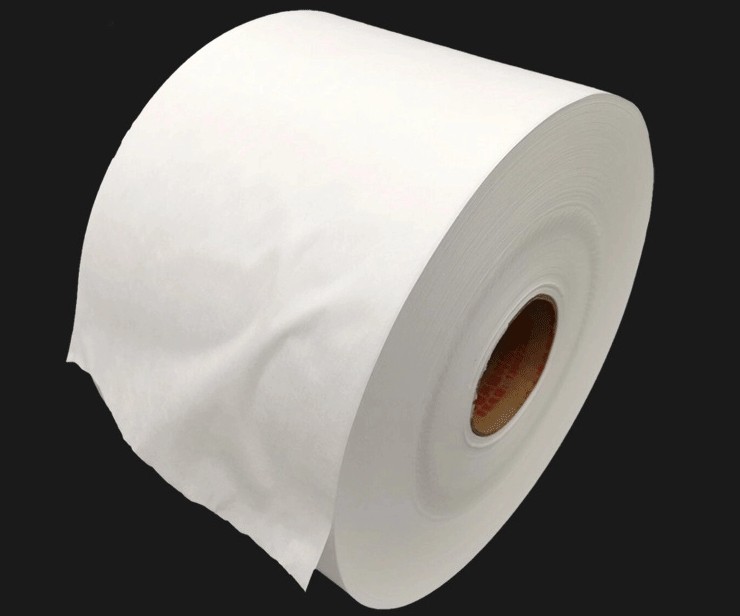
Factory Acceptance Testing (FAT) is non-negotiable for heavy nonwoven machinery. Running the machine dry on the factory floor is insufficient. You must supply your own fiber webs or raw materials to the factory to test bonding strength, coating uniformity, and slitting precision under actual load.
Implementing rigorous quality control & inspection during the FAT phase ensures that tension controllers, edge-guiding systems, and safety interlocks operate flawlessly before the equipment is dismantled and crated for export.
Procurement Mechanics: Lead Times, MOQs, and Logistics
Industrial textile machinery is built-to-order. Standard lead times depend heavily on the working width (often ranging from 1.6 meters up to 3.2 meters or more) and the complexity of the heating or hydraulic systems. The standard MOQ for this category is always one complete set or line.
Because these machines are bulky and heavy, they often require open-top containers, flat racks, or multiple standard 40HQ containers. Coordinating shipping & freight early in the production cycle prevents costly delays at the port of loading and ensures proper lashing and anti-corrosion packaging are applied.
Planning a complex machinery import? We manage supplier negotiations, FAT oversight, and heavy freight logistics from end to end.
Get a free consultationFrequently Asked Questions
Sourcing bonding and finishing machinery is a high-stakes procurement exercise where frame tolerances and component choices dictate decades of production output. By carefully vetting manufacturing facilities and enforcing strict pre-shipment performance tests under load, buyers can secure tier-one equipment that delivers consistent quality without the premium markups of legacy Western brands.
Get Sourcing Help for Machinery for Bonding and Finishing of Nonwovens
Tell us your requirements and our experts will connect you with verified manufacturers.