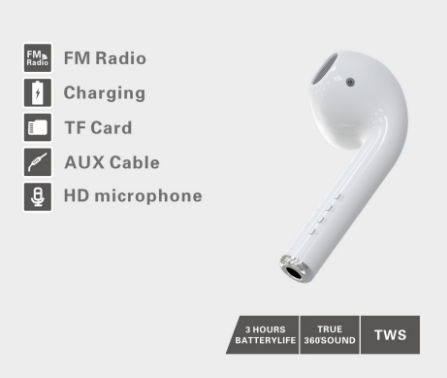
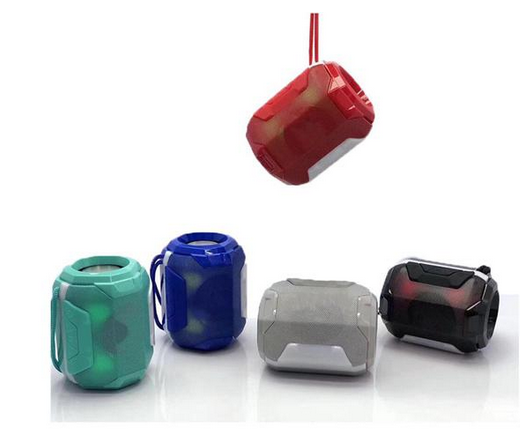
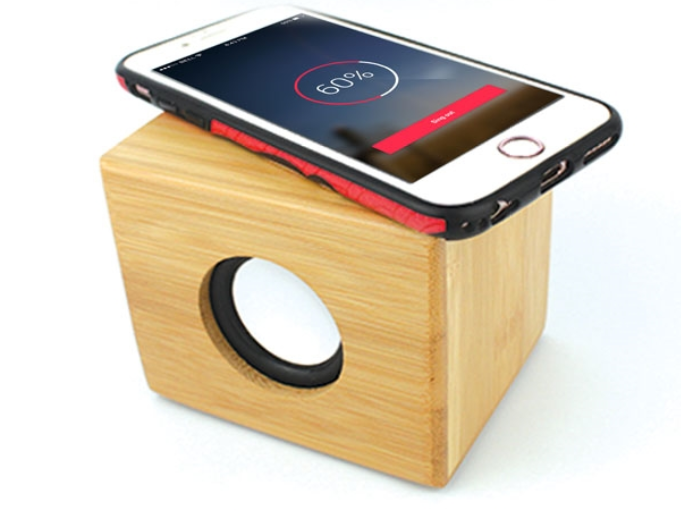
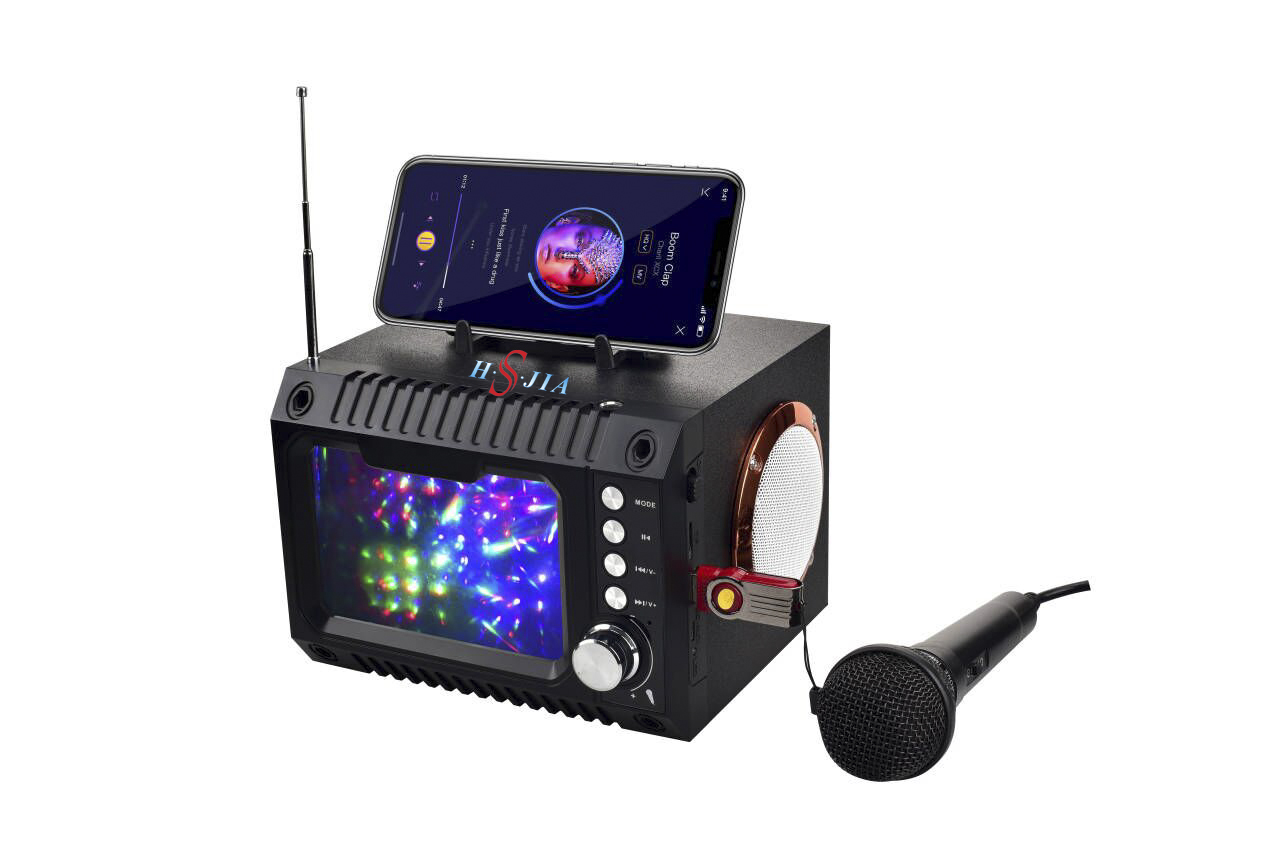
Loudspeakers
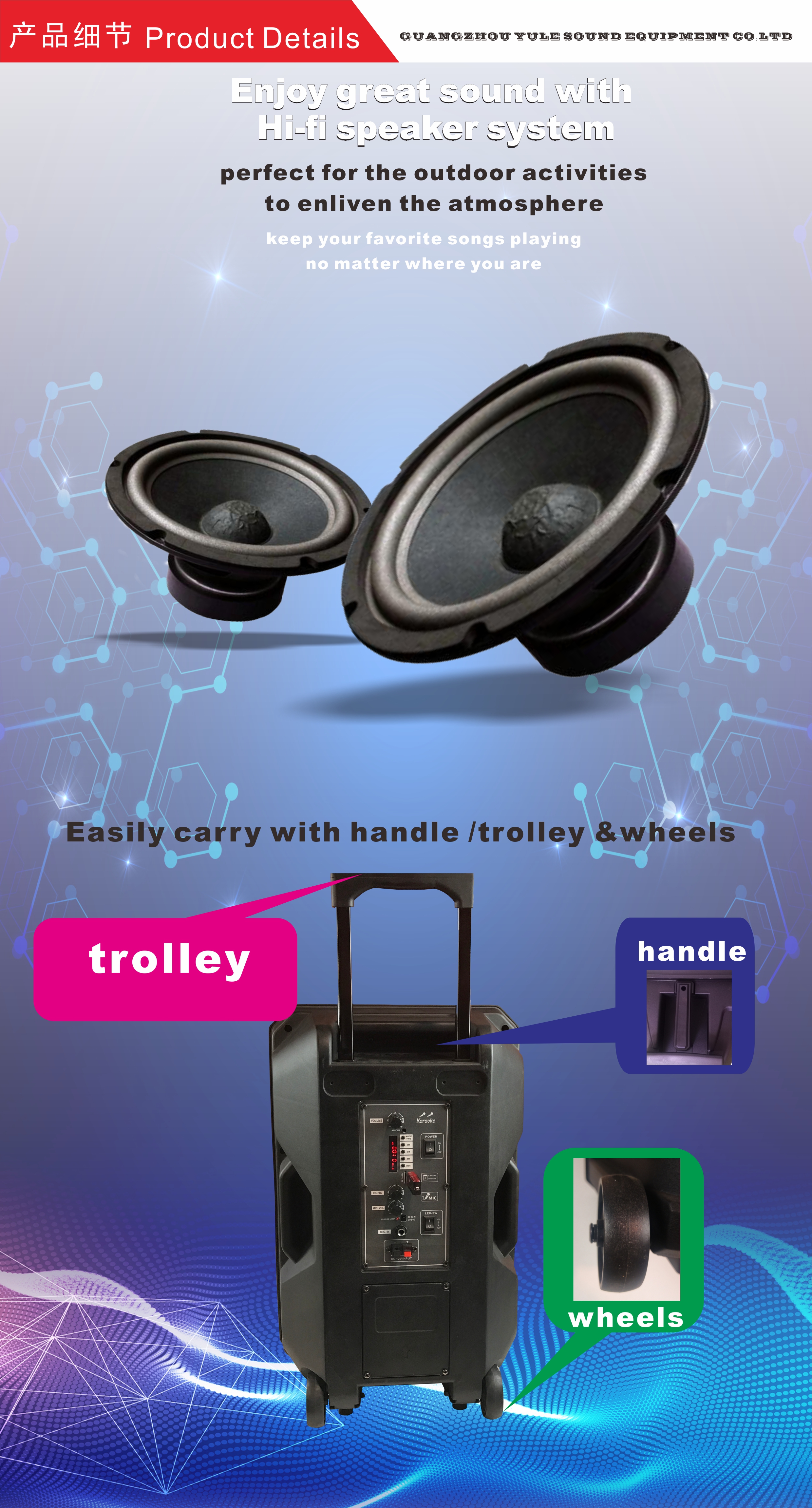
Source premium wholesale loudspeakers from vetted suppliers and manufacturers across Asia. Designed for importers, distributors, and audio brands seeking reliable OEM and private-label production, our network delivers high-fidelity audio components and finished systems engineered to your exact acoustic specifications.
Sourcing loudspeakers in bulk requires balancing acoustic performance with strict manufacturing consistency. The primary challenge isn't finding a factory capable of assembling drivers and cabinets; it is ensuring that every unit rolling off the line meets your precise tolerances for total harmonic distortion (THD), frequency response, and long-term reliability. Whether you are procuring raw drivers for integration or finished active systems, controlling the bill of materials (BOM) and the assembly environment is critical.
Defining Core Acoustic Specifications
When developing a product with an overseas manufacturer, vague specifications lead to inconsistent audio quality. Factories often default to the most cost-effective components unless explicitly instructed otherwise. Clear technical documentation is the foundation of successful OEM/ODM services.
You must specify the exact parameters for the driver components, crossover networks, and enclosure materials:
- Power Handling: Always define RMS (Root Mean Square) continuous power rather than relying on "Peak" or "Max" power marketing figures, which factories may use to inflate capabilities.
- Impedance: Typically 4-ohm or 8-ohm. Ensure the factory's winding process for the voice coil maintains strict impedance tolerances to prevent amplifier mismatch.
- Sensitivity (SPL): Measured in decibels (dB) at 1 watt/1 meter. Higher sensitivity requires less amplifier power, but achieving it often demands higher-grade magnet structures.
- Frequency Response: Specify the acceptable variance (e.g., +/- 3dB) across the intended frequency range.
| Component | Standard Commercial | High-Fidelity / Premium |
|---|---|---|
| Magnet Material | Ferrite (Standard Grade) | Neodymium or High-Grade Ferrite |
| Voice Coil Wire | Standard Aluminum | Copper-Clad Aluminum Wire (CCAW) |
| Cone Material | Treated Paper / Polypropylene | Kevlar, Carbon Fiber, or Aluminum |
| Enclosure | Injection-molded ABS | High-Density MDF or Birch Plywood |
Struggling to align factory output with your acoustic benchmarks? Let us review your BOM and match you with a capable manufacturer.
Talk to our teamManufacturing Tolerances and Quality Control
The difference between a mediocre loudspeaker and a premium one is often determined on the assembly line. Misaligned voice coils, improper adhesive application, or poorly soldered crossover networks can ruin the acoustic output of otherwise high-quality components.
Because audio equipment is highly sensitive to assembly variances, robust quality control and inspection protocols must be established before mass production begins.
Critical Factory-Floor Checks
- Voice coil centering and magnetic gap clearance verification
- Adhesive application consistency and curing time logs (critical for spider and surround bonding)
- Sweep testing for rub and buzz defects at high excursion levels
- Acoustic testing in a calibrated anechoic chamber or test box
- Crossover network component tolerance verification (capacitors and inductors)
If a supplier lacks an in-house anechoic chamber or relies solely on subjective listening tests, they are not equipped for professional-grade audio manufacturing. Conducting thorough factory audits is essential to verify their testing infrastructure and engineering capabilities.
Pricing Drivers, MOQs, and Lead Times
Loudspeaker pricing is highly volatile and directly tied to raw material costs, particularly the rare earth metals used in magnets (like Neodymium) and the copper used in voice coils.
- Minimum Order Quantities (MOQs): For off-the-shelf white-label designs, MOQs typically range from 500 to 1,000 units. For fully custom tooling (unique cabinet molds or custom-stamped driver baskets), expect MOQs to start at 2,000 to 3,000 units to amortize the tooling costs.
- Lead Times: Standard production runs generally take 30 to 45 days. However, if your design requires custom tooling or specialized imported crossover components, lead times can extend to 60 to 90 days.
- Compliance Costs: Active loudspeakers (those with built-in amplifiers or Bluetooth modules) require extensive electrical and wireless certifications. Factoring in compliance and testing for CE, FCC, RoHS, or UL early in the project timeline prevents costly shipping delays.
Need accurate pricing and lead time estimates for your next production run? Connect with our sourcing experts today.
Get a free consultationFrequently Asked Questions
Securing a reliable supply chain for loudspeakers means looking past the sales catalog and deeply analyzing a manufacturer's engineering processes, supply chain management, and testing infrastructure. Partnering with a team that understands the nuances of acoustic manufacturing ensures your products arrive on time, on budget, and sounding exactly as intended.
Get Sourcing Help for Loudspeakers
Tell us your requirements and our experts will connect you with verified manufacturers.