Lens & Lens Accessories
Source bulk Lens & Lens Accessories from vetted suppliers and manufacturers across Asia. Designed for importers, wholesalers, distributors, and brands seeking reliable OEM and private-label production. Secure high-quality optical components, filters, and precision-machined mounts at competitive wholesale volumes.
Sourcing lens accessories at scale—whether precision glass filters, smartphone attachment lenses, or machined metal adapters—requires navigating a highly fragmented supplier base. The margin between premium optical gear and unacceptable distortion often comes down to factory-level material selection, CNC machining tolerances, and cleanroom assembly standards.
Optical Materials and Precision Coatings
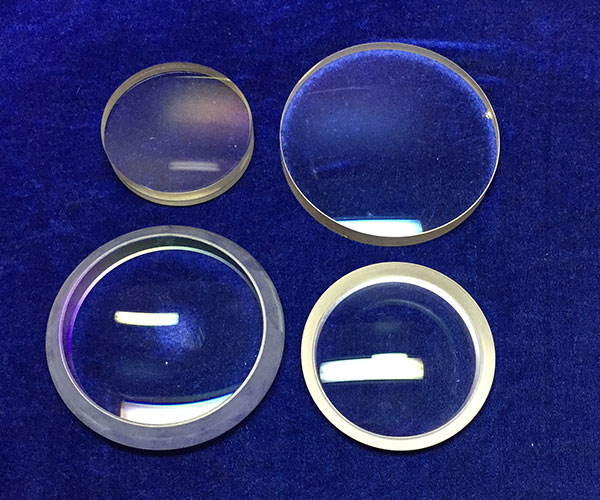
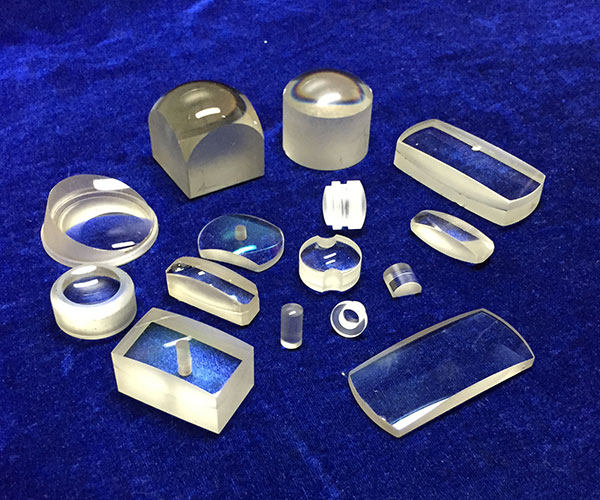
The core of any transmissive accessory is the optical element. Buyers must specify exactly what substrate and coating layers the factory will use, as these dictate both unit cost and optical performance. Relying on generic terms like "high-definition glass" invites substitution with inferior materials.
| Material Grade | Typical Applications | Performance Characteristics |
|---|---|---|
| Optical Glass (AGC/Schott/BK7) | Premium ND/CPL filters, pro add-on lenses | High refractive index, highly scratch-resistant, zero color shift |
| Optical Resin (CR-39) | Mid-tier filters, lightweight applications | Impact-resistant, prone to scratching without applied hard-coating |
| Optical Acrylic (PMMA) | Budget mobile lenses, promotional items | High light transmission, poor thermal stability, lower clarity |
Beyond the substrate, optical coatings are where significant value is added—or lost. Standard anti-reflective (AR) coatings reduce surface glare, but professional markets demand multi-layer coatings (MC). You must specify the exact number of layers (often 16 to 18 for premium filters) and whether the top layer requires nano-coating for hydrophobic (water-repellent) and oleophobic (oil-repellent) properties.
Need help verifying a supplier's optical coating capabilities and cleanroom assembly standards?
Talk to our teamManufacturing Tolerances and Assembly
Thread jamming and cross-threading are the most common reasons for product returns on filters, step-up rings, and adapters. This is a direct result of poor CNC machining tolerances on the aviation-grade aluminum or brass housings. If the thread pitch is off by even a fraction of a millimeter, the accessory will bind to the primary camera lens.
When developing custom housings or private-label filters, utilizing professional OEM/ODM Services ensures your designs are matched with factories that possess actual R&D capabilities and high-precision multi-axis CNC machines.
Furthermore, optical assembly must happen in a controlled environment. Dust trapped between glass elements or beneath a retaining ring during assembly cannot be fixed post-production. Implementing rigorous Quality Control & Inspection during the inline assembly phase is critical to catch these defects before the components are sealed.
Critical Factory-Level Quality Checks
- Thread pitch tolerance verification using standardized go/no-go gauges.
- Coating uniformity and spectral transmission testing via spectrophotometer.
- Surface inspection for micro-scratches and dust inclusion under high-intensity bright-light.
- Rotational torque testing for variable ND filters and CPL frames to ensure smooth operation.
Typical MOQs and Production Lead Times
Order volumes in the optical accessory market vary wildly depending on the manufacturing process. Injection-molded plastic components like lens caps and basic hoods require high initial volumes to justify machine setup, whereas precision glass filters can often be sourced in lower quantities, provided you meet the minimums per thread size.
Before committing to a large production run, especially for precision optical gear, conducting thorough Factory Audits is highly recommended. You need to verify that the supplier actually owns their vacuum coating machines and CNC lathes, rather than outsourcing these critical steps to unverified sub-tier workshops.
Optimize your order volumes and consolidate shipments across multiple optical suppliers.
Get a free consultationFrequently Asked Questions
Successfully importing lens accessories requires tight control over material specifications and machining tolerances. By establishing clear optical standards and rigorous inspection protocols early in the sourcing process, you protect your product margins and ensure reliable performance in the field.
Get Sourcing Help for Lens & Lens Accessories
Tell us your requirements and our experts will connect you with verified manufacturers.