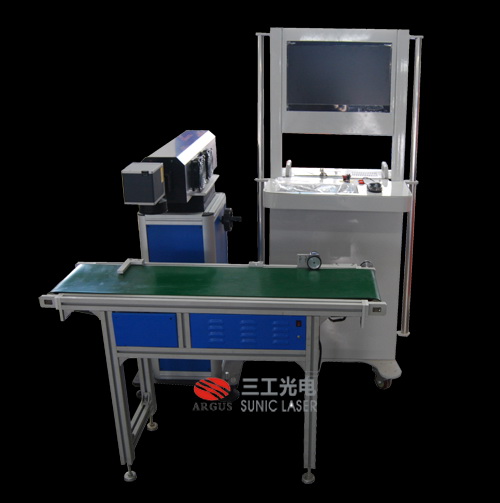
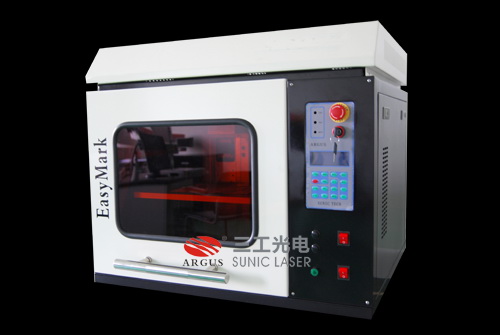
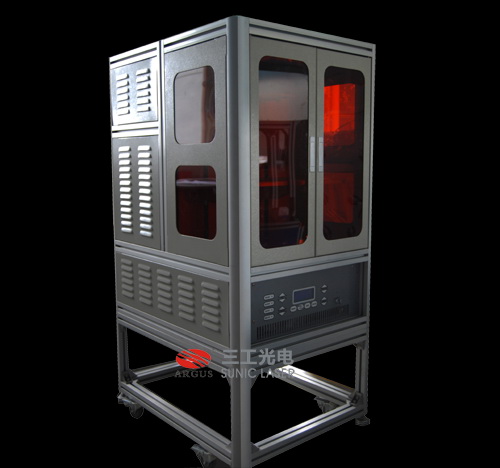
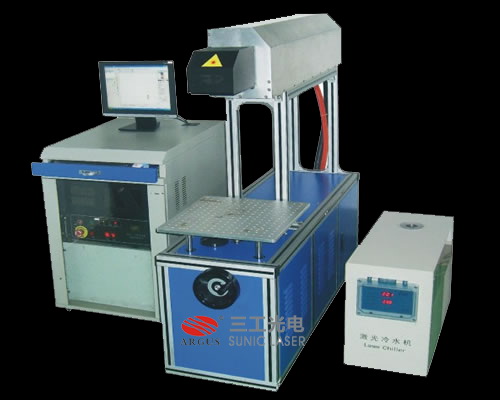
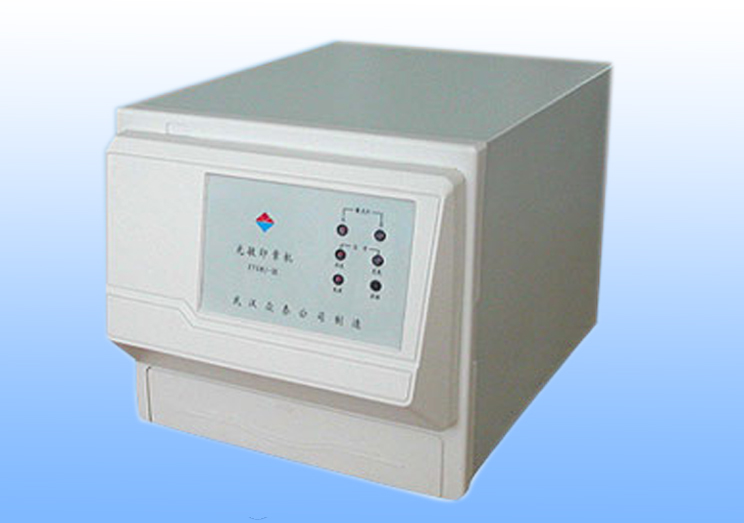
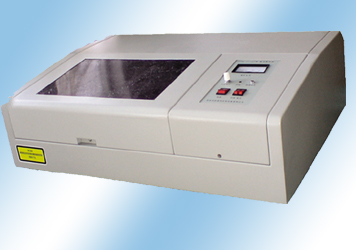
Laser Engraving Machines
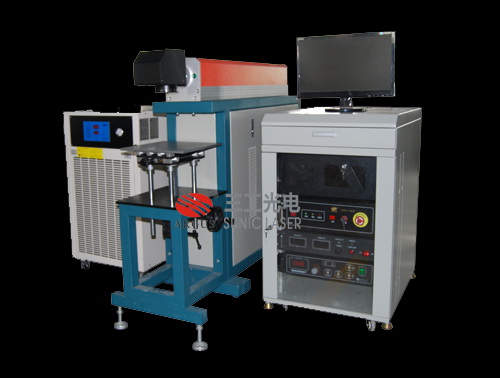
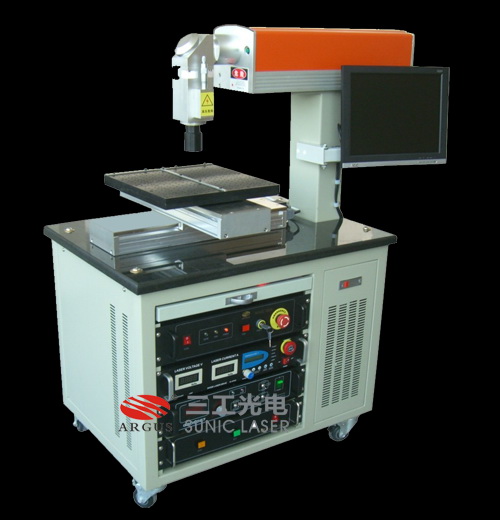
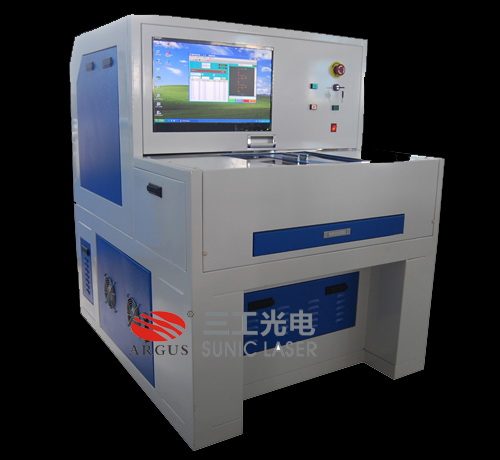
Source commercial-grade laser engraving machines directly from vetted manufacturers and suppliers. Designed for importers, wholesalers, and equipment brands looking for reliable OEM production, our network delivers precision machinery built to international standards.
Sourcing commercial laser engraving machines requires balancing optical precision with heavy-duty mechanical reliability. Whether you are importing CO2 systems for non-metal fabrication, fiber lasers for metal marking, or UV lasers for cold processing, the difference between a high-yield industrial asset and a continuous maintenance headache lies entirely in the factory's component selection and assembly tolerances.
Core Component Specifications
When negotiating with manufacturers, specifying the machine's external dimensions or basic wattage is insufficient. Industrial buyers must dictate the exact brands and specifications of the internal components, as these dictate the machine's lifespan and processing accuracy.
| Laser Source | Typical Power Range | Primary Applications | Key Component Focus |
|---|---|---|---|
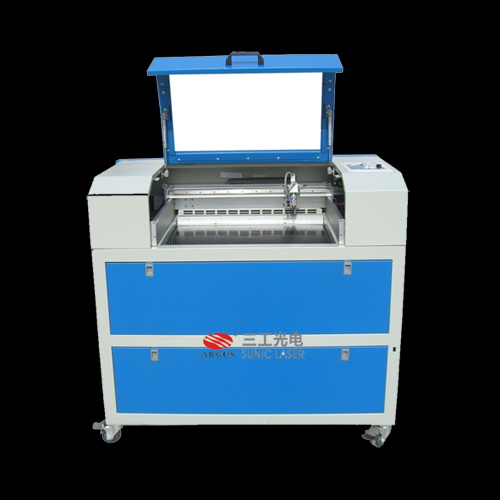
| CO2 (Glass Tube) | 40W - 150W+ | Wood, acrylic, leather, glass | Tube brand (e.g., Reci, Yongli), Chiller capacity |
| Fiber (Solid State) | 20W - 100W+ | Metals, engineered plastics | Source brand (e.g., Raycus, IPG, JPT), Galvo head |
| UV (Cold Laser) | 3W - 15W | Glass, crystal, sensitive plastics | Thermal stability, beam quality (M2 value) |
Beyond the laser source, the motion control system is critical. Insist on linear guide rails from reputable manufacturers (such as Hiwin or PMI) rather than cheaper cylindrical rails, which degrade quickly under continuous operation. For the control system, Ruida controllers remain the industry standard for CO2 machines due to their stability and compatibility with LightBurn software. If you are developing proprietary equipment, utilizing OEM/ODM Services allows you to integrate custom controller boards and branded software interfaces directly at the factory level.
Factory Assembly and Quality Control
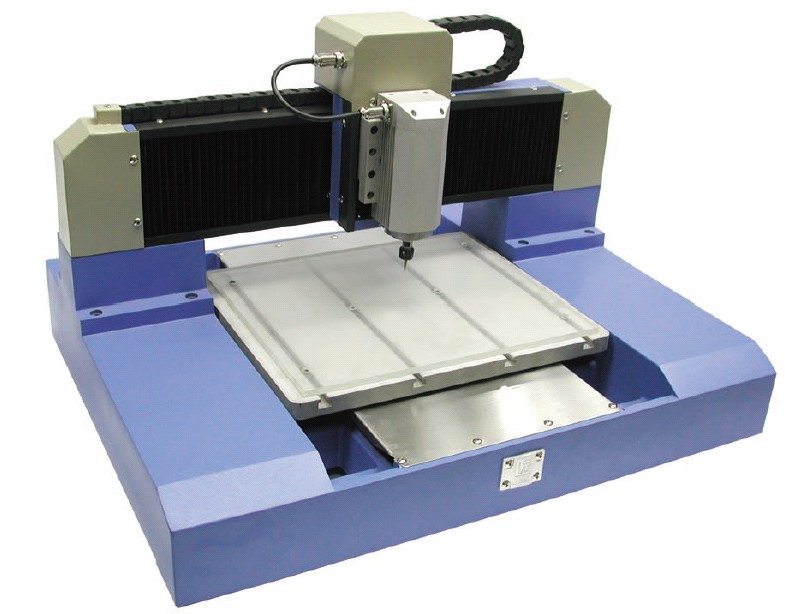
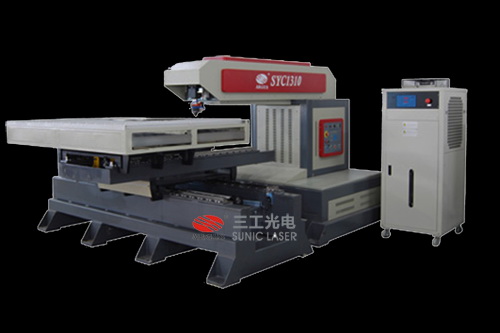
The physical assembly of a laser engraving machine determines its long-term alignment stability. A rigid, heavy-duty welded steel chassis is mandatory for large-format machines to prevent the frame from flexing during high-speed raster engraving.
Protect your investment with rigorous on-site factory vetting and performance testing before production begins.
Get a free consultationWhen evaluating a supplier's production floor, look for standardized optical alignment procedures. Misaligned mirrors in a CO2 system result in significant power loss and distorted beam profiles at the edges of the working area.
Critical Factory QC Checkpoints
- Chassis rigidity and vibration testing during high-speed diagonal movements.
- Optical path alignment verification across all four corners of the working bed.
- Focal lens and mirror inspection for coating defects or thermal stress.
- Water chiller flow-rate and temperature stability testing under continuous load.
- Electrical grounding checks, especially for high-voltage CO2 power supplies.
Because defects in assembly are difficult to rectify post-shipment, implementing strict Quality Control & Inspection protocols prior to container loading is essential for heavy machinery.
Compliance and Laser Safety Standards
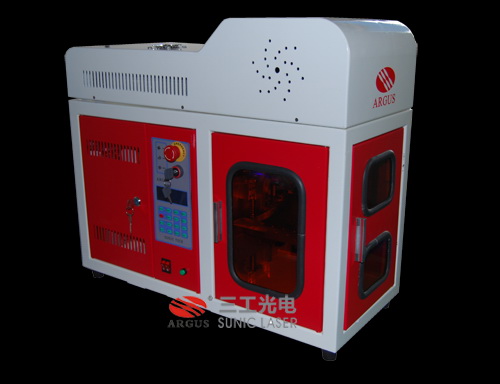
Importing laser equipment involves strict regulatory oversight, particularly regarding radiation safety and electrical compliance. Machines must be properly classified (typically Class 1 for fully enclosed systems, or Class 4 for open-bed systems) and feature appropriate safety interlocks, emergency stops, and protective viewing windows.
For the US market, manufacturers must hold a valid FDA accession number from the Center for Devices and Radiological Health (CDRH). For Europe, CE marking under the Machinery Directive and Low Voltage Directive is mandatory. Verifying these certifications through professional Compliance & Testing prevents costly customs seizures and liability issues.
Pricing, MOQ, and Lead Times
Laser engraving machines are high-value capital goods. Consequently, Minimum Order Quantities (MOQs) are generally highly flexible, though pricing scales significantly with volume and component upgrades.
Streamline your procurement process with negotiated pricing and end-to-end supply chain management.
Talk to our teamBuyer FAQ
Successfully importing commercial laser engraving machines requires looking past the spec sheet and into the factory's assembly tolerances and supply chain. By defining exact component requirements and enforcing strict pre-shipment performance testing, you can secure equipment that delivers years of reliable commercial output.
Get Sourcing Help for Laser Engraving Machines
Tell us your requirements and our experts will connect you with verified manufacturers.