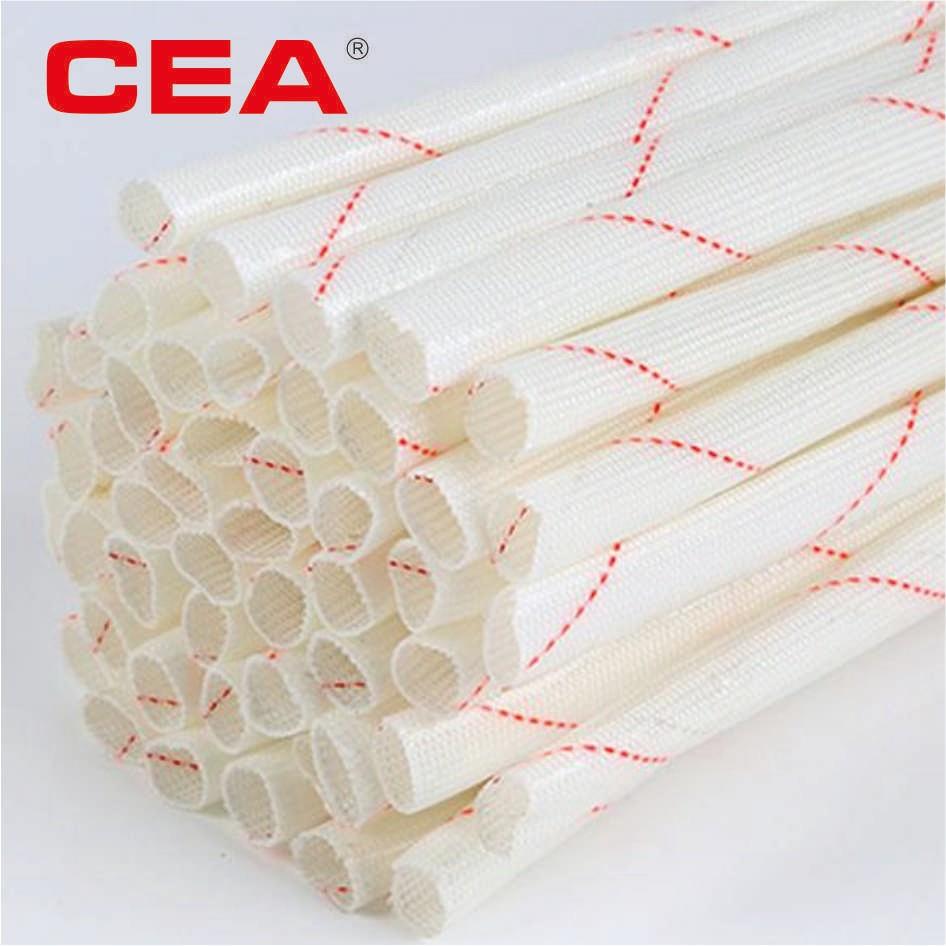
Insulation Devices and Materials
Source high-voltage insulation devices and materials directly from vetted manufacturers. Designed for electrical wholesalers, power distribution contractors, and OEM brands buying in bulk. Ensure compliance, safety, and performance for transmission networks with reliable factory-direct pricing.
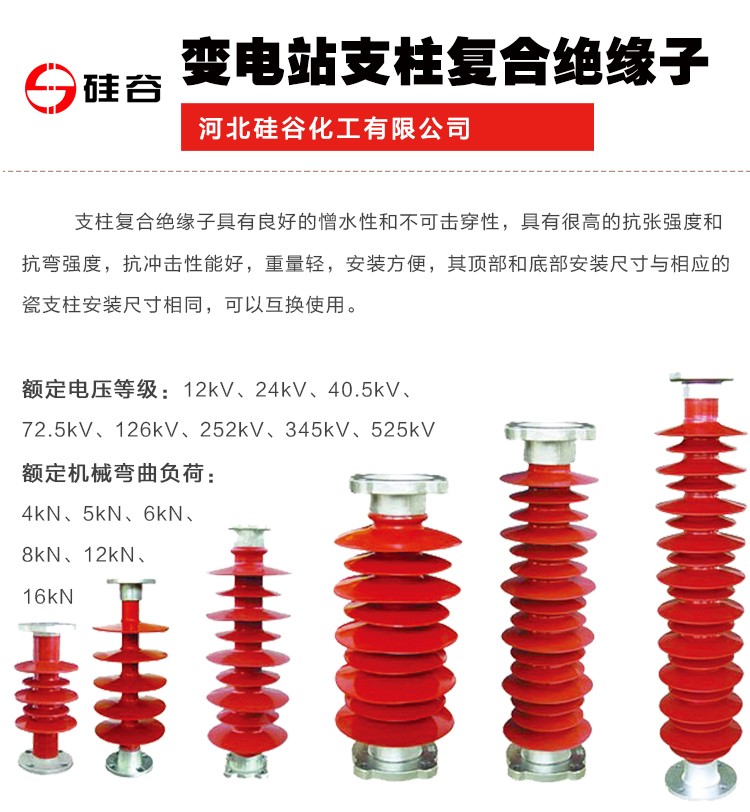
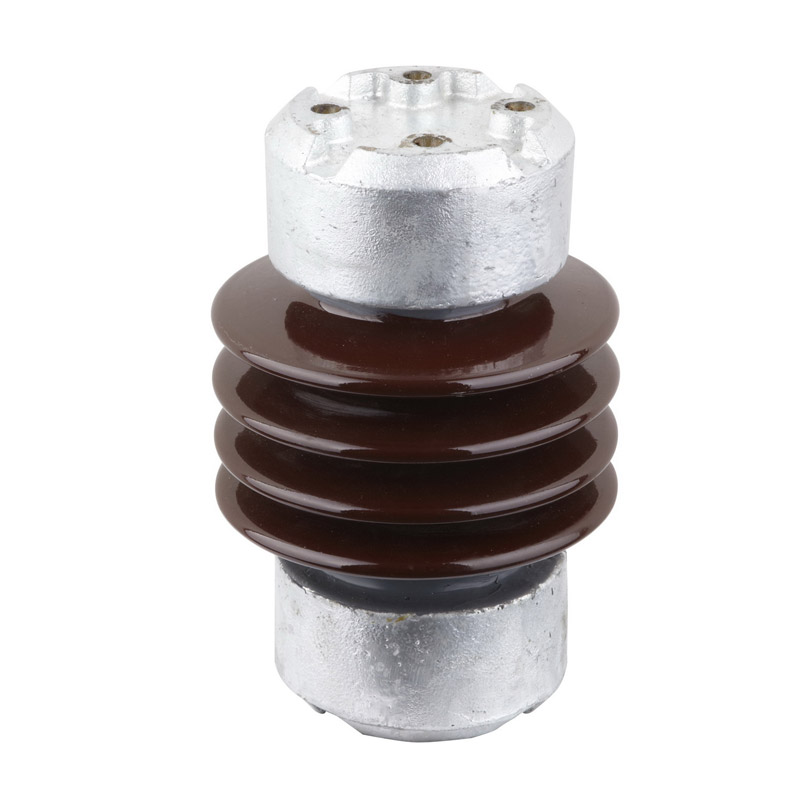
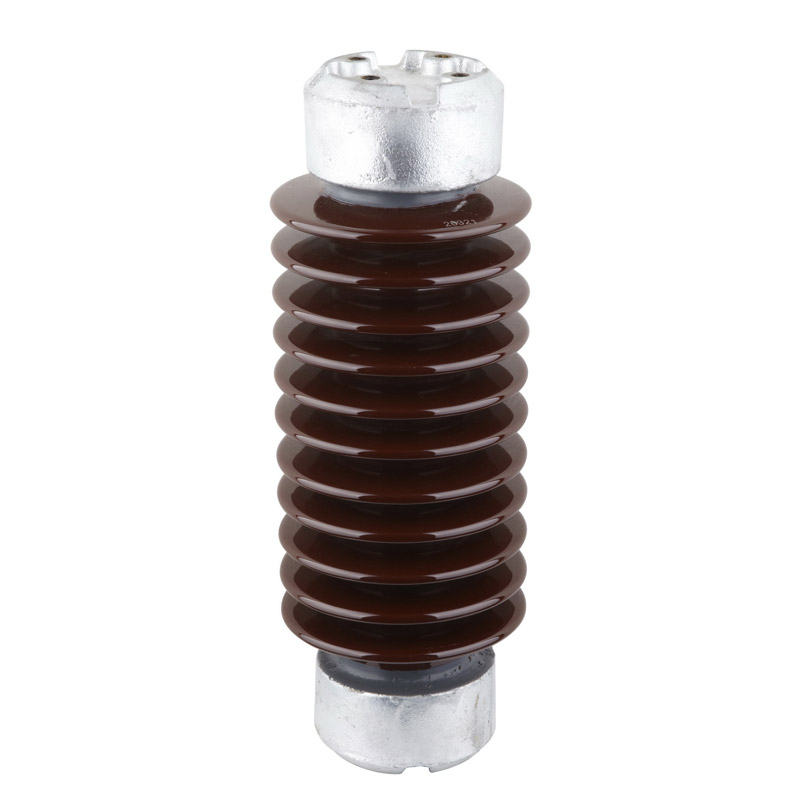
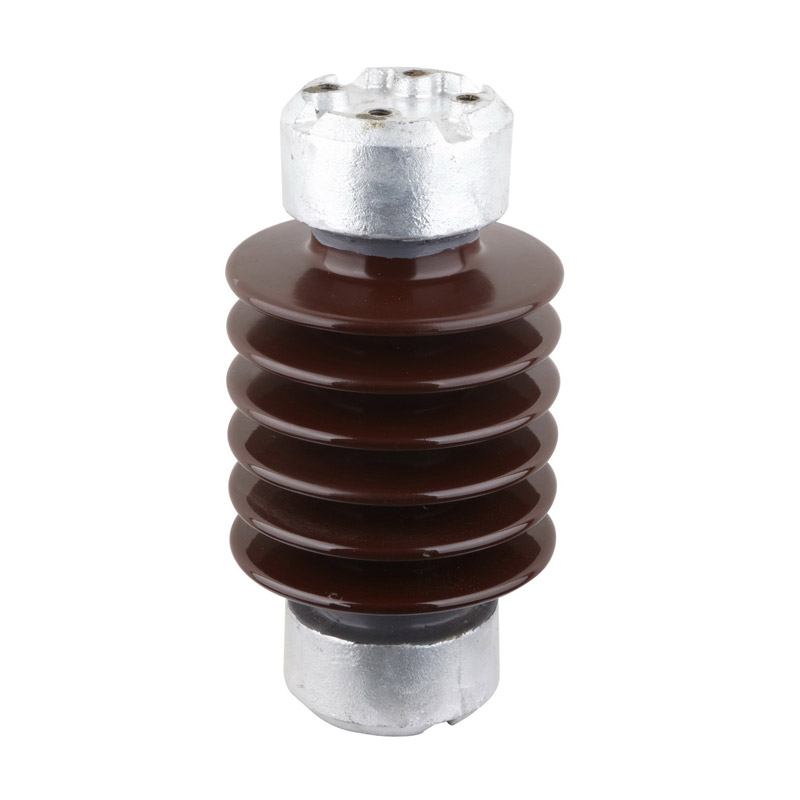
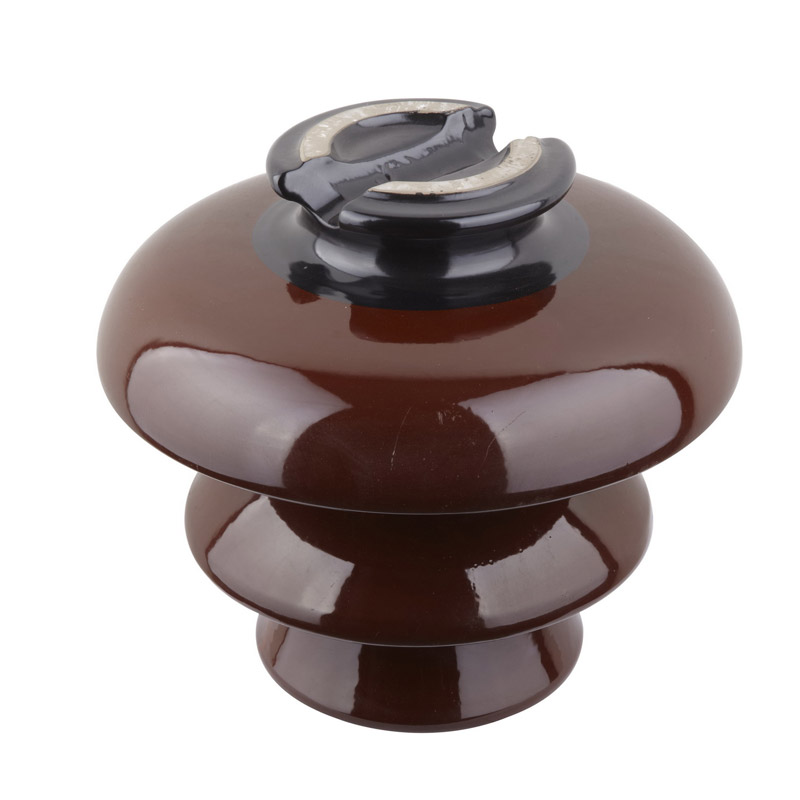
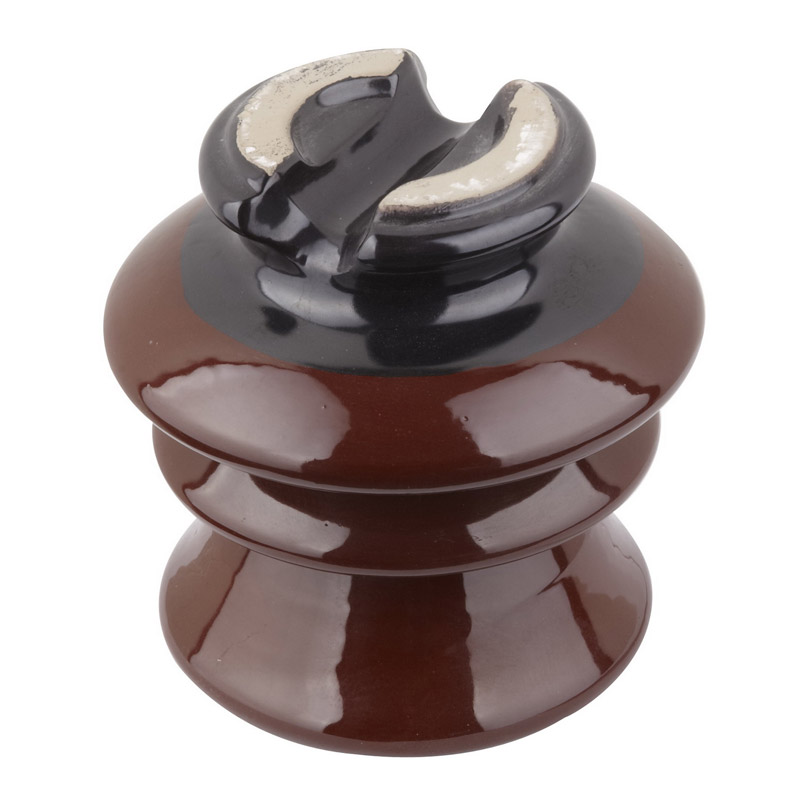
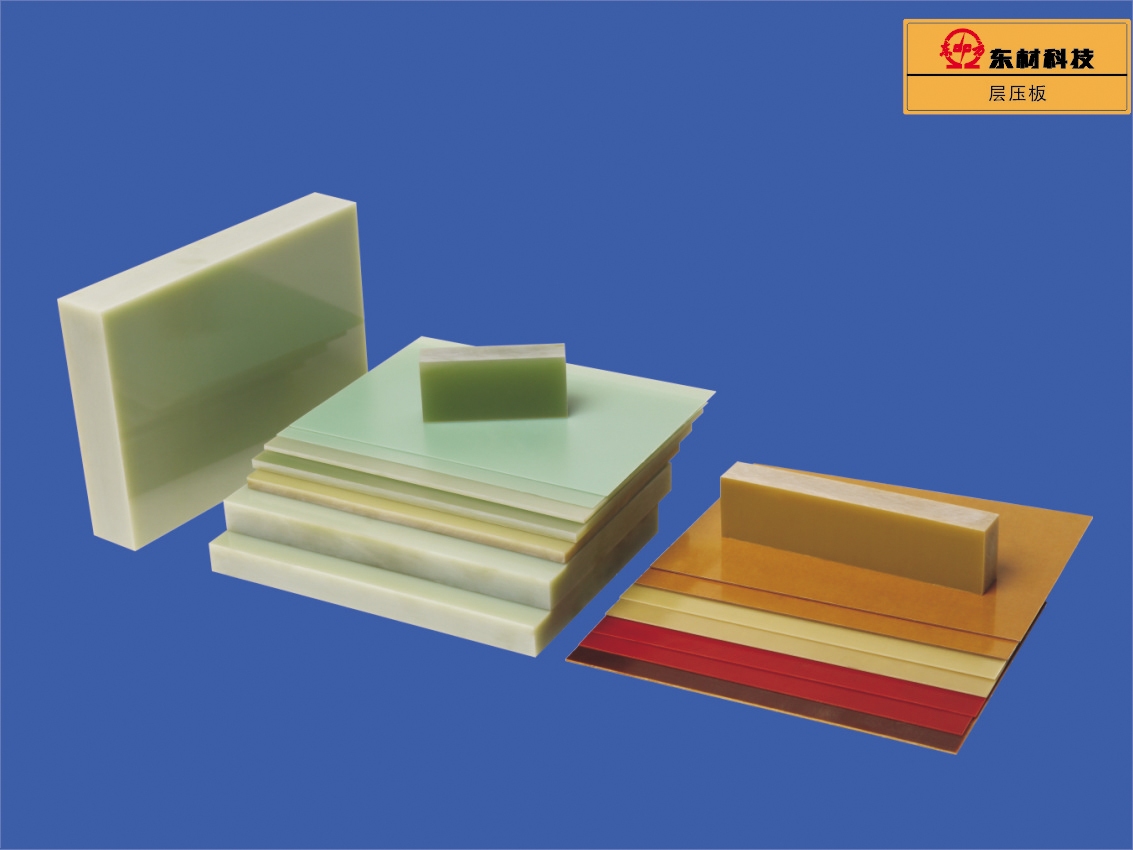
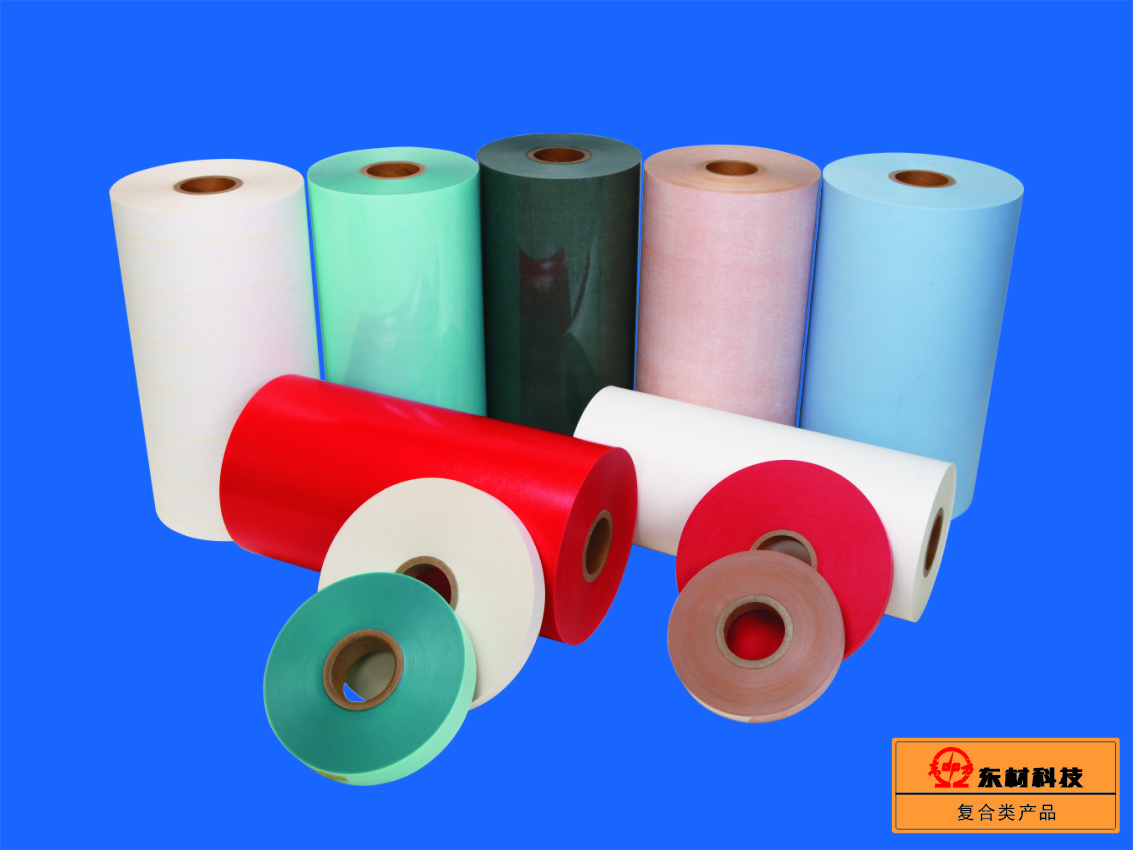
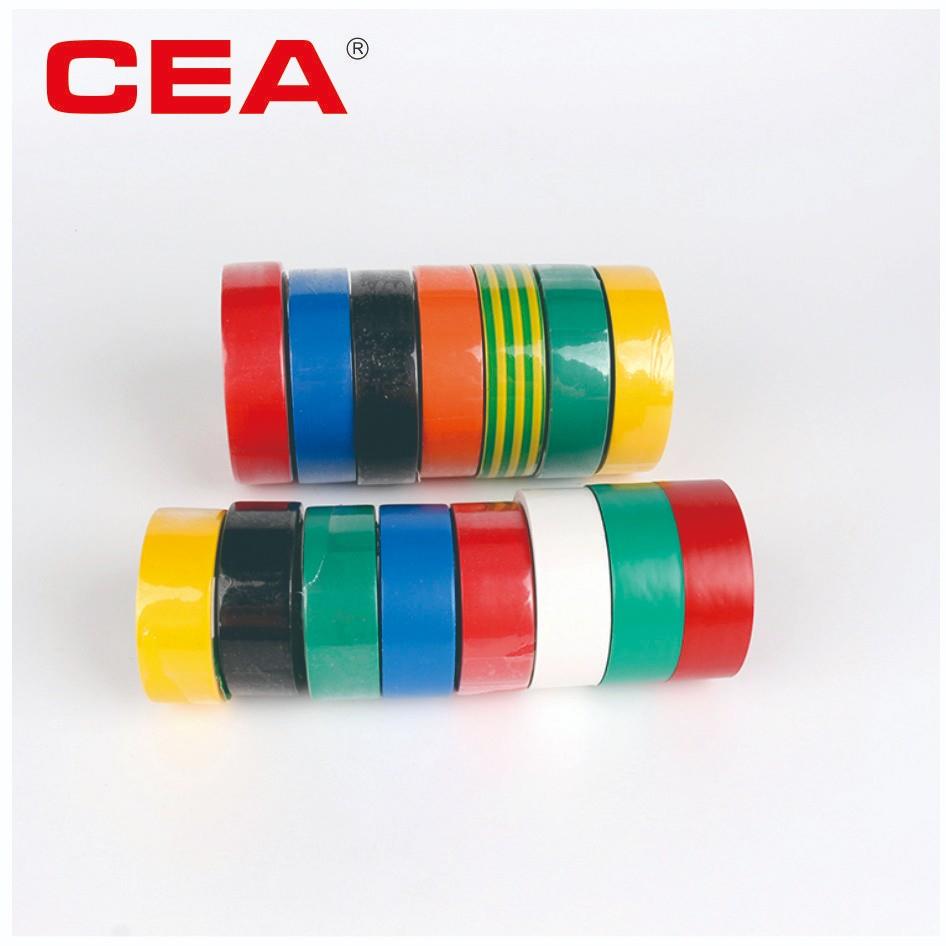
Procuring high-voltage insulation devices and materials requires rigorous attention to dielectric strength, mechanical endurance, and environmental resilience. Whether you are sourcing suspension insulators for overhead transmission lines, station post insulators for substations, or specialized insulating resins and tapes, the supplier's manufacturing capabilities dictate the reliability of the grid.
For bulk importers, distributors, and brands operating in the power sector, identifying factories with the right testing infrastructure—not just assembly lines—is the primary sourcing challenge.
Critical Specifications to Define for Your Supplier
Electrical insulation cannot be sourced on basic dimensions alone. To prevent flashovers, tracking, and mechanical failure, your purchase orders and technical sheets must explicitly define:
- Creepage Distance: Specify the minimum creepage distance in millimeters based on the pollution level of the installation environment (e.g., Light, Medium, Heavy, Very Heavy per IEC 60815).
- Mechanical Load Ratings: Define the Specified Mechanical Load (SML) and Routine Test Load (RTL) in kiloNewtons (kN).
- Dielectric Strength & BIL: Ensure the Basic Insulation Level (BIL) and wet/dry power frequency withstand voltages align with your grid's operating voltage.
- Material Composition: For polymer insulators, specify the exact grade of High-Temperature Vulcanized (HTV) silicone rubber. For porcelain, specify the alumina content, as higher alumina yields better mechanical strength.
| Material Type | Primary Advantage | Typical Application | Key Sourcing Risk |
|---|---|---|---|
| Porcelain | High mechanical strength & longevity | Heavy-duty substations | Micro-cracks during firing |
| Composite (Silicone) | Lightweight & hydrophobic | Overhead transmission lines | Core-housing interface voids |
| Toughened Glass | Visual failure detection | High-voltage suspension | Impurity-driven shattering |
Need to verify an insulator manufacturer's production capabilities? We audit factories to ensure they have the testing infrastructure to meet your technical standards.
Talk to our teamManufacturing Quality and Defect Control
Quality in insulation materials is won or lost during the curing, firing, or bonding processes. Surface-level visual inspections are insufficient. When evaluating a supplier's production line, or when conducting Quality Control & Inspection, you must target the hidden vulnerabilities that lead to catastrophic field failures.
Key Inspection Points for Insulation Manufacturing
- Core-Housing Interface (Composite): Verify the bonding between the fiberglass reinforced plastic (FRP) rod and the silicone rubber housing. Voids here lead to internal tracking and electrical breakdown.
- Porosity (Porcelain): Ensure the factory conducts routine porosity testing (fuchsin dye penetration) to confirm the ceramic body is fully vitrified and impervious to moisture.
- Galvanizing Quality: End fittings must have a uniform hot-dip galvanized coating (typically meeting ISO 1461). Check for zinc thickness and adherence to prevent premature rusting.
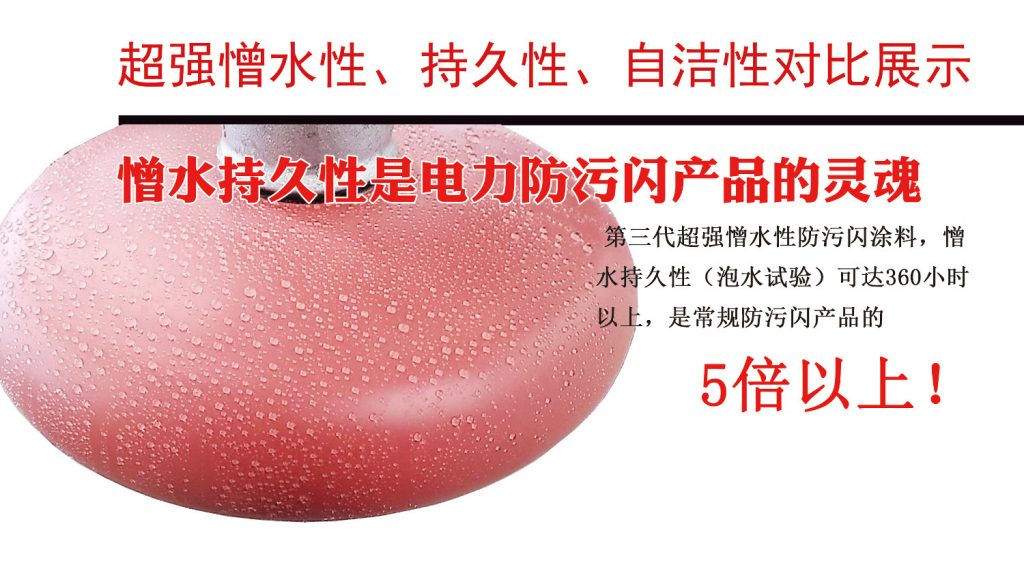
- Vulcanization Control: For silicone insulators, check that curing temperatures and times are strictly monitored to prevent under-cured material, which compromises hydrophobicity.
If you are developing custom profiles or proprietary insulation hardware, partnering with a factory capable of executing complex molds is essential. Thorough Factory Audits are necessary to confirm they have in-house tooling capabilities and automated injection molding machines for consistent batch-to-batch quality.
Wholesale Pricing, MOQs, and Lead Times
The electrical insulation supply chain is highly specialized. Pricing is driven by raw material costs (silicone, alumina, steel for fittings) and the complexity of the mold.
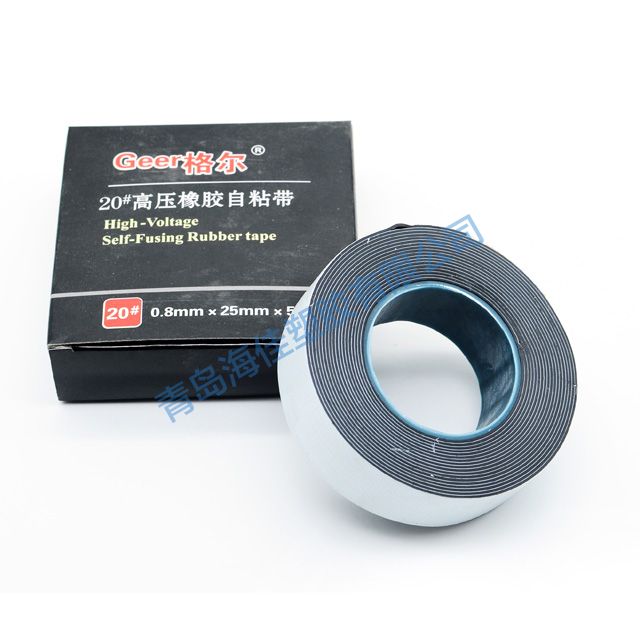
Note: MOQs for raw materials like insulating resins, varnishes, or tapes are typically measured in metric tons or standard pallet configurations rather than individual pieces.
Because porcelain and glass insulators are exceptionally heavy and fragile, logistics planning is as critical as the unit price. Freight consolidation and proper palletization are necessary to prevent transit damage and manage shipping costs effectively.
Managing lead times, quality checks, and heavy freight for insulators requires tight coordination. Let our team handle your sourcing and logistics.
Get a free consultationCompliance and Testing Standards
Electrical grid components are heavily regulated. Importers must ensure that the factory's products comply with international standards. Do not accept generic CE marks; demand specific test reports from accredited third-party laboratories (like KEMA or CESI).
If you require specific Compliance & Testing for your local market, ensure the supplier can provide:
- IEC 61109 / IEC 62217: For composite suspension and tension insulators.
- IEC 60383: For porcelain and glass insulators used on AC systems.
- ANSI C29 series: Essential for the North American market.
Sourcing insulation devices and materials at scale requires balancing technical precision with supply chain efficiency. By rigorously defining your specifications, auditing factory testing capabilities, and enforcing strict quality control, you can secure reliable transmission components that meet the demands of modern power grids.
Get Sourcing Help for Insulation Devices and Materials
Tell us your requirements and our experts will connect you with verified manufacturers.