GPS Trackers
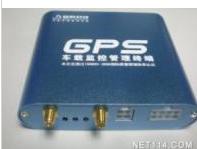
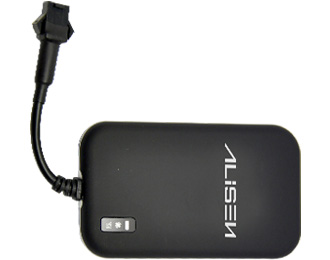
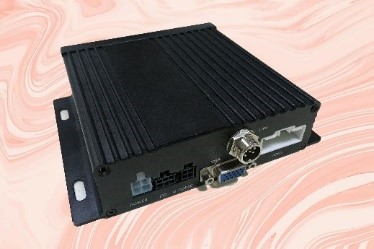
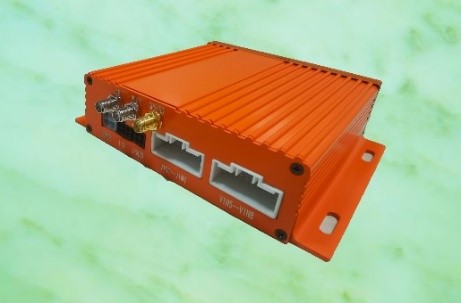
Source reliable wholesale GPS trackers from vetted manufacturers and suppliers in China and across Asia. Designed for importers, auto electronics distributors, and brands seeking OEM/ODM production, our network delivers high-performance telematics hardware for fleet management and consumer vehicle tracking in bulk.
Procuring automotive telematics hardware in bulk requires more than just negotiating unit costs. A reliable GPS tracker relies on tight integration between cellular modems, GNSS positioning modules, power management circuits, and firmware. For buyers sourcing directly from manufacturers, the primary challenge is ensuring that the hardware performs consistently across diverse global cellular networks while surviving the harsh thermal and electrical environment of a vehicle.
Core Hardware: Specifying the Right Components
The reliability of a GPS tracker is determined by its bill of materials (BOM). When evaluating suppliers, you must look beyond the spec sheet's marketing claims and verify the specific chipsets being utilized.
Cellular and GNSS Modules
With the global sunset of 2G and 3G networks, specifying the correct cellular module is critical. Most industrial and automotive applications now require 4G LTE Cat-1, LTE-M, or NB-IoT modules (often sourced from Quectel, SIMCom, or Fibocom).
For the GNSS (Global Navigation Satellite System) receiver, the chipset dictates the Time-To-First-Fix (TTFF) and tracking sensitivity. Premium trackers typically utilize U-blox or high-end MediaTek chipsets, offering cold start times under 30 seconds and tracking sensitivity greater than -162 dBm.
Antenna Tuning
A premium chipset will underperform if the internal ceramic or FPC antenna is poorly tuned. Ask the factory for their OTA (Over-The-Air) test reports and verify that they have an anechoic chamber on-site or partner with a certified lab for passive and active antenna tuning.
Power Management and Vehicle Integration
Automotive electrical systems are notoriously noisy, experiencing voltage spikes, load dumps, and alternator whine. A robust hardwired tracker must include over-voltage protection (often rated up to 36V or 90V for heavy trucks) and reverse polarity protection. Furthermore, sleep-mode current draw must be strictly managed—typically under 5mA—to prevent draining the vehicle's battery during extended parking.
Need help verifying supplier component quality and engineering capabilities?
Talk to our teamForm Factors and Application Requirements
Different deployment scenarios dictate entirely different hardware architectures. When engaging a factory for OEM/ODM Services, aligning the form factor with your target market's installation capabilities is essential.
| Form Factor | Installation | Power Source | Primary Use Case |
|---|---|---|---|
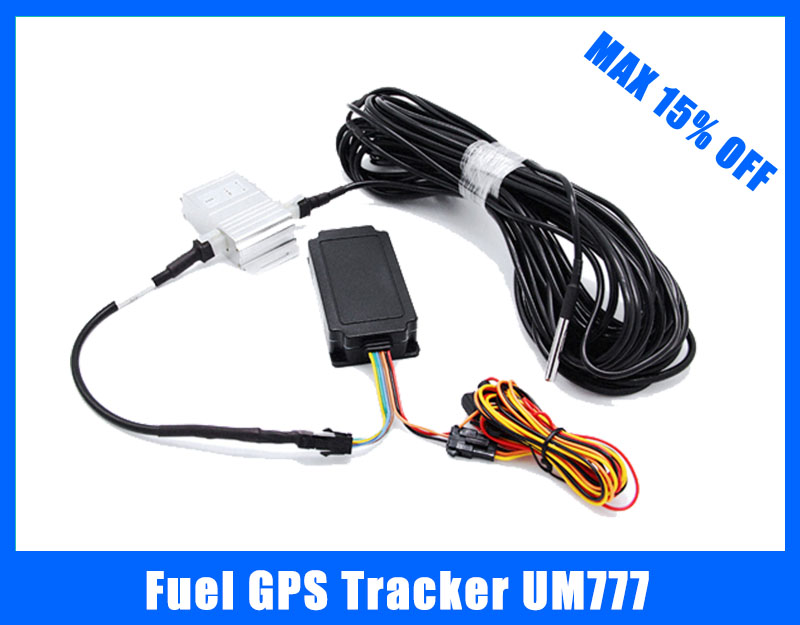
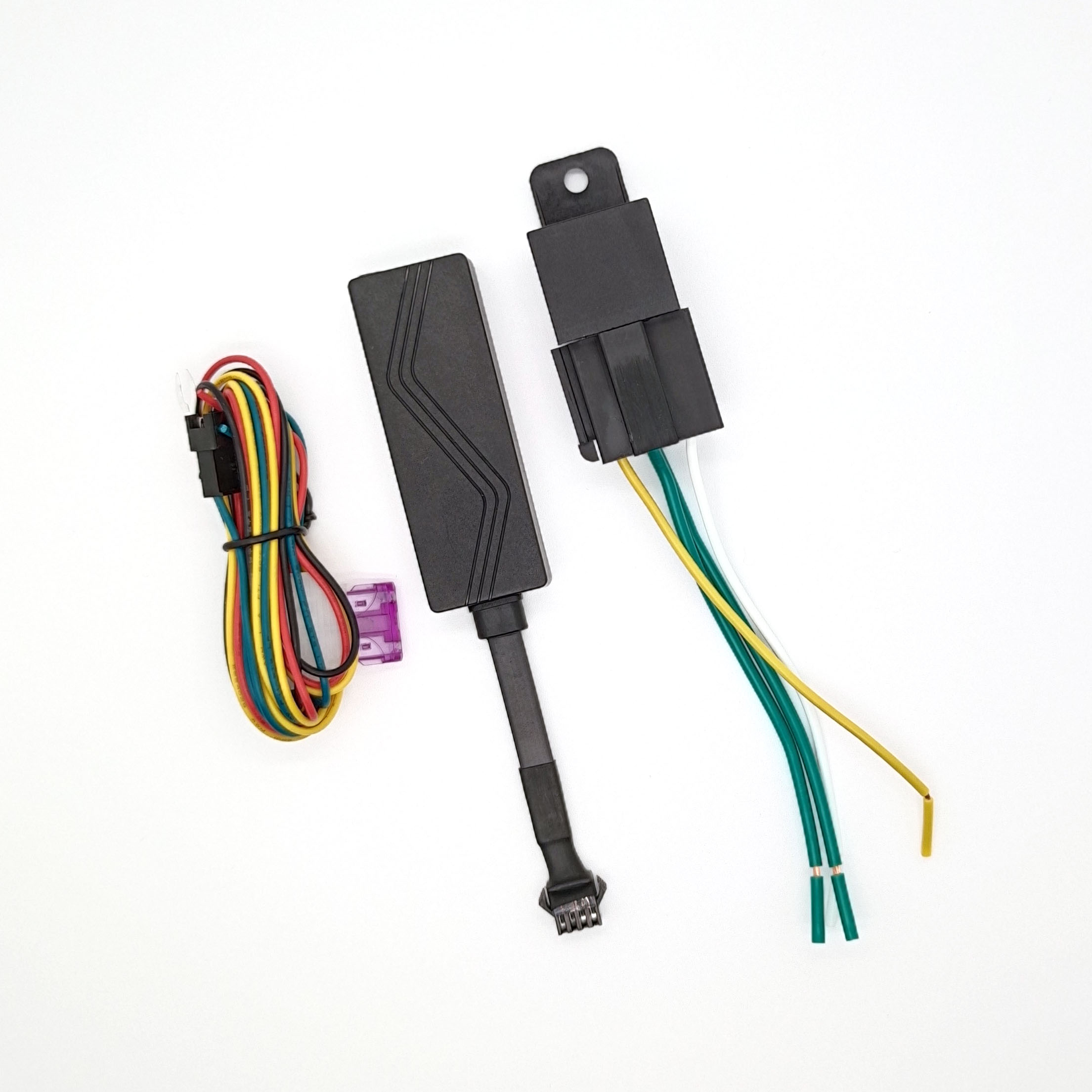
| Hardwired | Professional (3-wire/4-wire) | Vehicle Battery | Fleet management, logistics, anti-theft |
| OBD-II | Plug-and-play | OBD Port | UBI (Usage-Based Insurance), consumer tracking |
| Asset Tracker | Magnetic/Screw mount | Internal Battery (up to 5 years) | Trailers, heavy equipment, container tracking |
Factory Capabilities and Quality Control
The telematics manufacturing hub is heavily concentrated in Shenzhen and Dongguan. While hundreds of assemblers exist, only a fraction possess the engineering depth to support custom firmware protocols or resolve complex RF (Radio Frequency) issues.
Conducting rigorous Factory Audits is non-negotiable. You are looking for a manufacturer with mature SMT (Surface Mount Technology) lines, strict ESD (Electrostatic Discharge) controls, and comprehensive end-of-line testing.
Critical Production Line Verifications
- Automated Optical Inspection (AOI) on the SMT line for solder joint integrity.
- Functional testing of both GPS signal acquisition and cellular network registration on the assembly line.
- Vibration testing to simulate automotive environments.
- High/low temperature aging chambers (typically -20°C to 70°C operating range).
- Battery lifecycle and safety testing for models with internal backup batteries.
If you are importing into highly regulated markets like North America or Europe, the hardware must pass stringent RF and carrier certifications (e.g., FCC, CE, PTCRB). Working with a partner who understands Compliance & Testing ensures your shipments aren't seized at customs or rejected by local telecom networks.
MOQs, Lead Times, and Unit Pricing
Pricing in the GPS tracker market is highly volatile, driven by cellular module costs and global semiconductor availability.
Note: Unit prices range from $12 to $25 for basic LTE-M OBD-II trackers, scaling up to $40–$80+ for ruggedized, IP67-rated asset trackers with high-capacity batteries and advanced telemetry sensors.
Ready to negotiate pricing and terms with vetted telematics manufacturers?
Get a free consultationFrequently Asked Questions
Sourcing bulk GPS trackers is an exercise in risk management. Success requires bridging the gap between electronic engineering, RF performance, and high-volume manufacturing control. By partnering with experienced sourcing professionals, you can secure reliable hardware that performs flawlessly in the field.
Get Sourcing Help for GPS Trackers
Tell us your requirements and our experts will connect you with verified manufacturers.