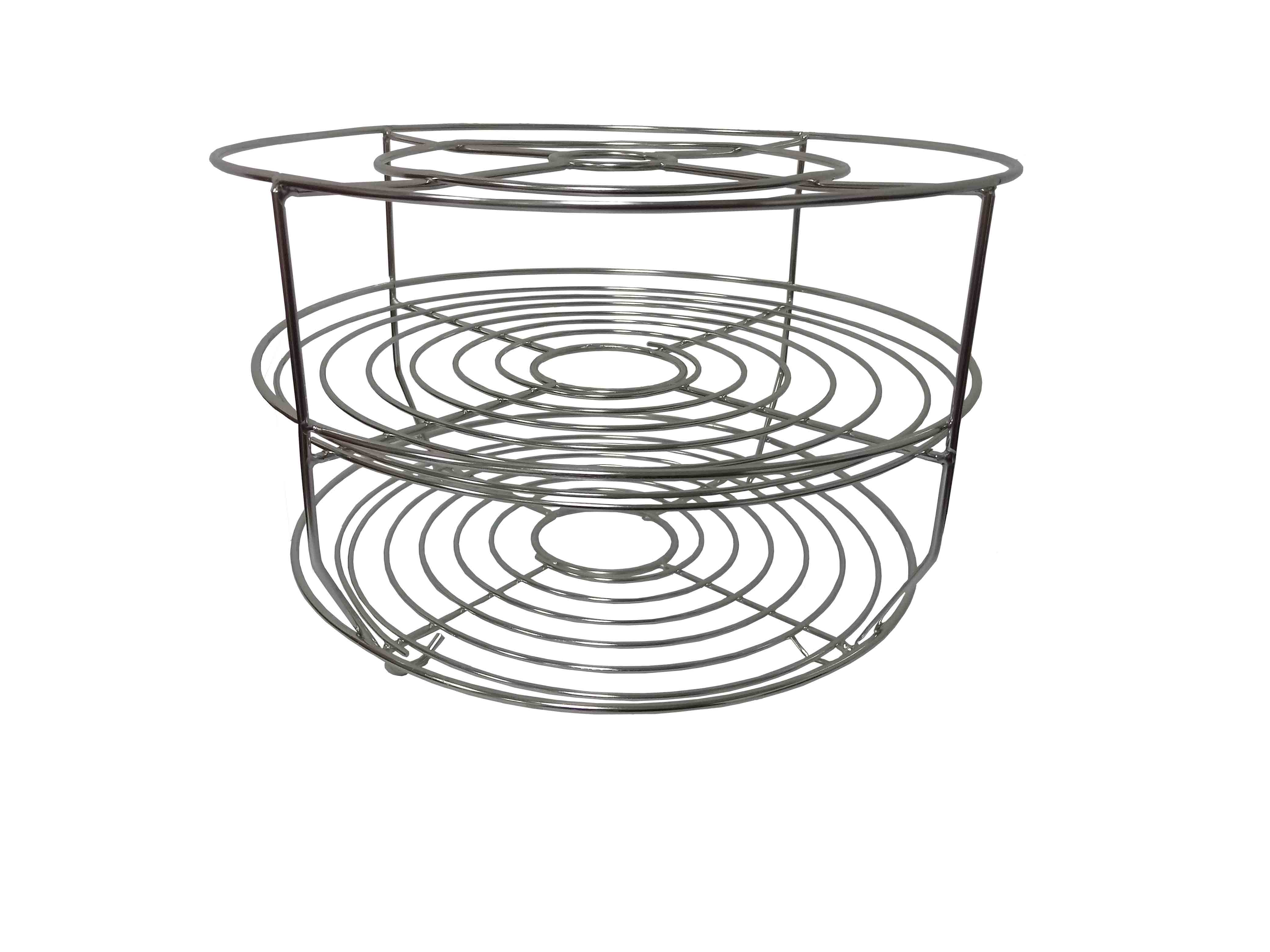
Fruit & Vegetable Dryers
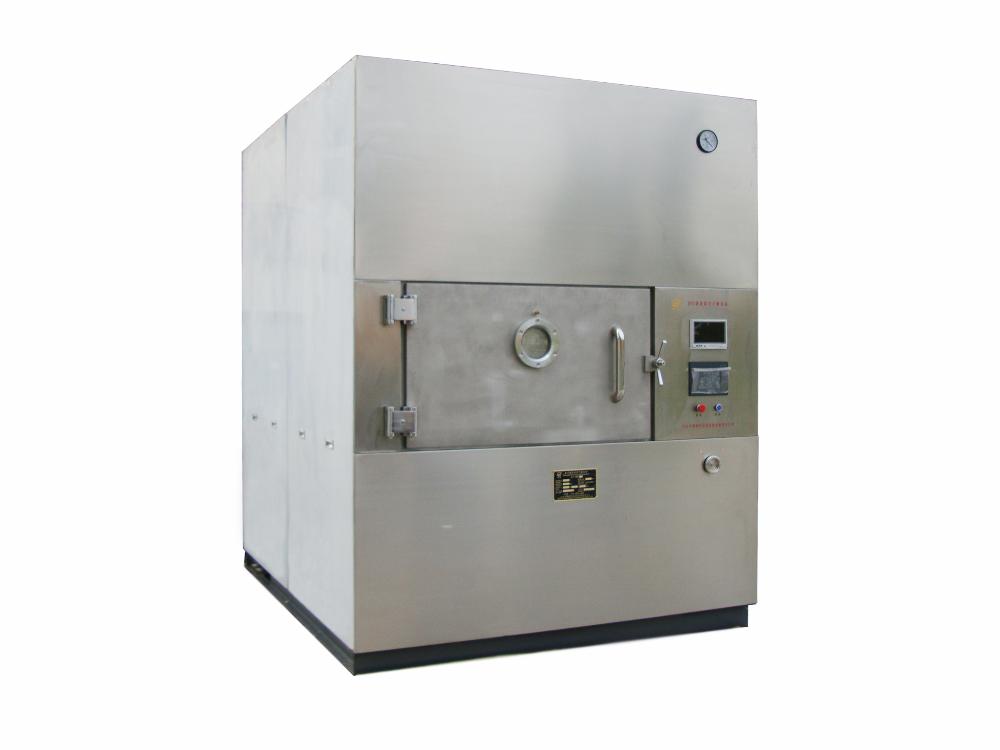
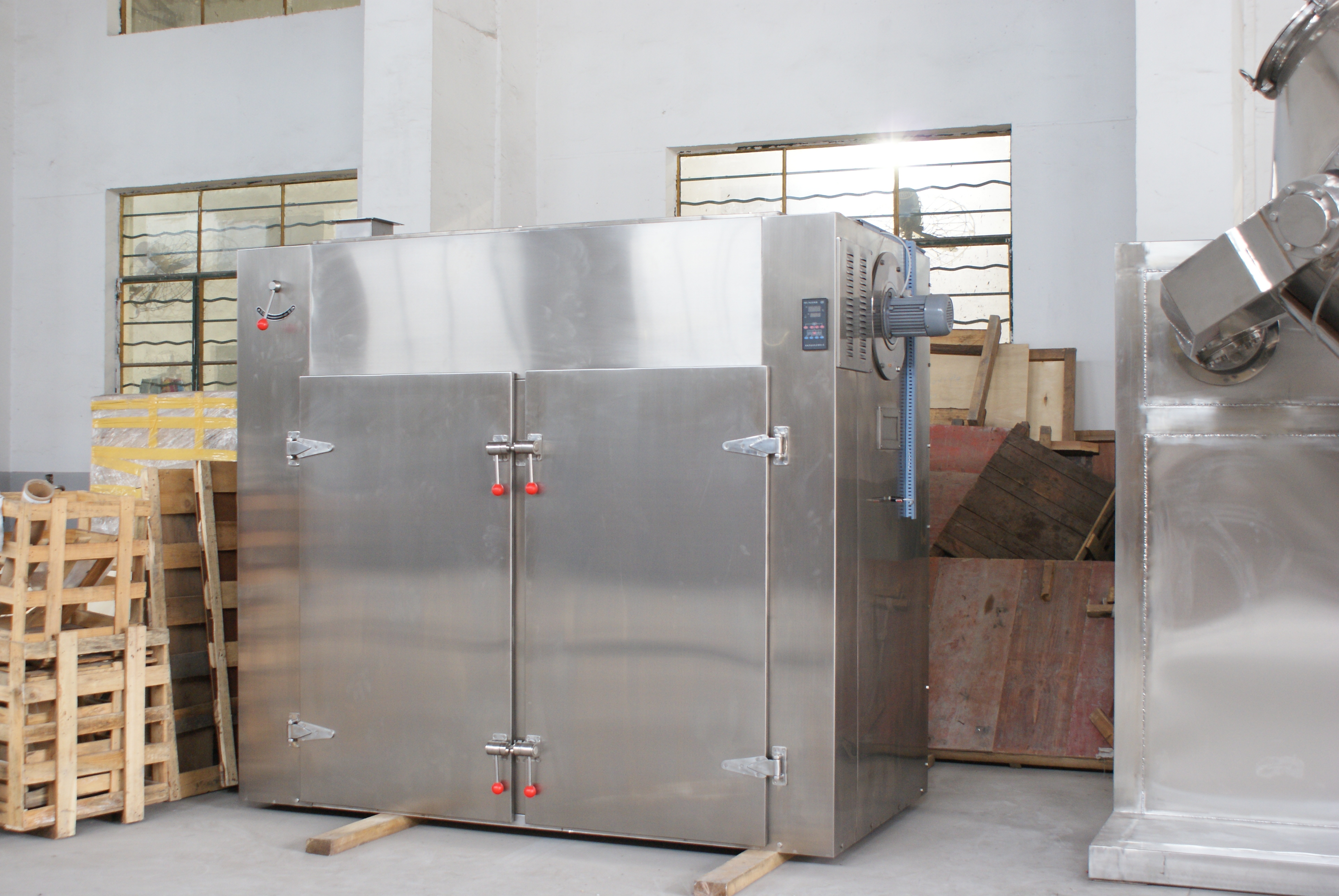
Source industrial Fruit & Vegetable Dryers from vetted manufacturers and suppliers. Designed for importers, wholesalers, distributors, and food processing facilities, our network offers bulk procurement and custom OEM production of high-efficiency drying equipment to meet strict food-grade and capacity requirements.
Sourcing industrial fruit and vegetable dryers requires balancing capital expenditure against long-term energy efficiency and processing throughput. Whether you are outfitting a large-scale agricultural facility or distributing specialized food machinery, selecting the right equipment hinges on precise airflow dynamics, heating technology, and strict adherence to food-grade material standards.
Defining Your Core Specifications
Industrial dehydrators are not off-the-shelf commodities. To get accurate quotes from manufacturers, you must define the operational parameters based on the specific produce being dried, as moisture content and sugar levels dictate the necessary drying curve.
- Drying Capacity: Specify input capacity (wet weight per batch or per hour) rather than output capacity, as yield varies wildly by produce type.
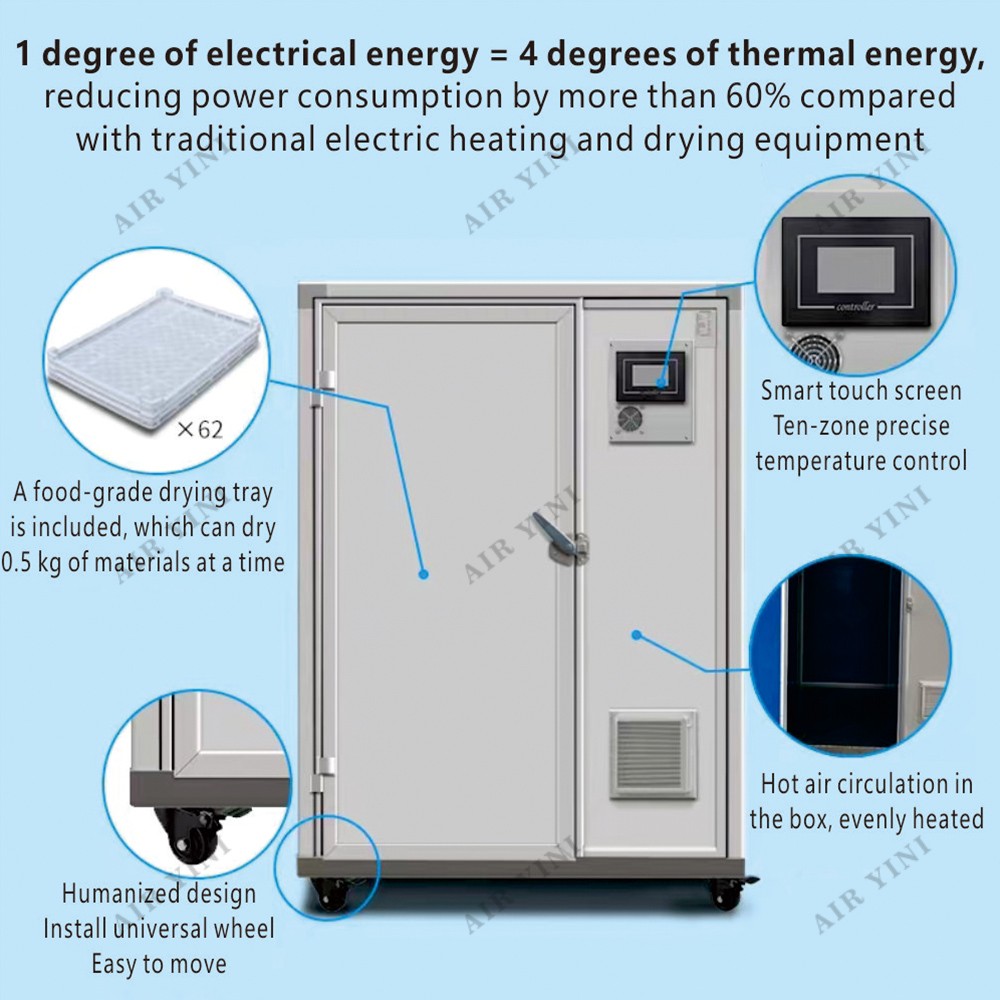
- Temperature Range: Most fruit and vegetable drying occurs between 40°C and 80°C to preserve nutrients and color. Ensure the PLC (Programmable Logic Controller) can handle multi-stage temperature curves.
- Material Grade: The interior chamber, trays, and carts must be stainless steel. SUS304 is the industry standard for food processing, but if you are processing highly acidic fruits (like citrus or tomatoes), you should specify SUS316L to prevent long-term pitting and corrosion.
| Heating Technology | Energy Efficiency | Initial Capex | Ideal Application |
|---|---|---|---|
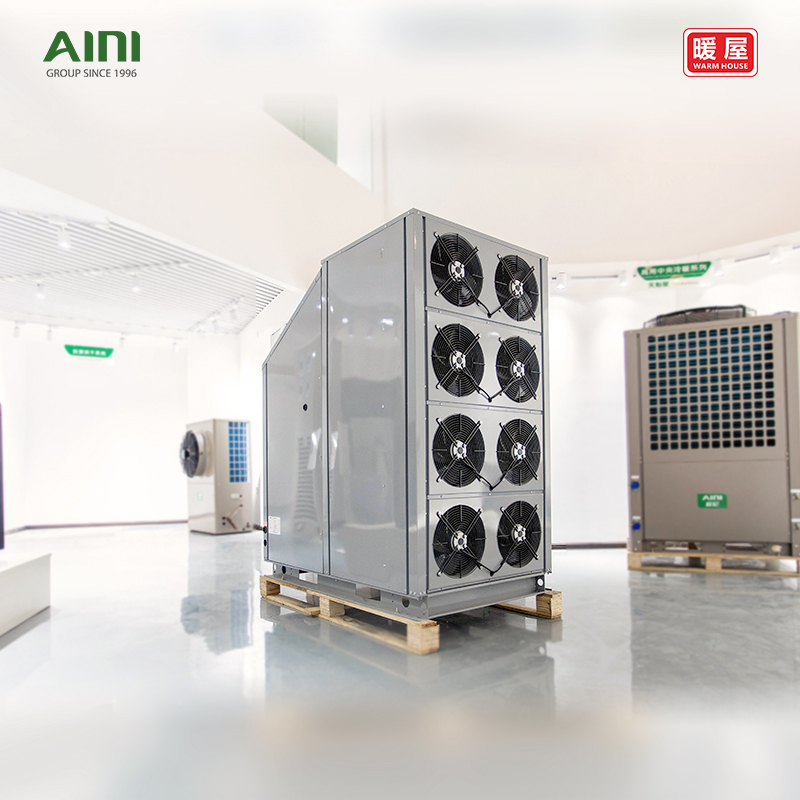
| Heat Pump | Very High (Low operating cost) | High | Large-scale continuous processing |
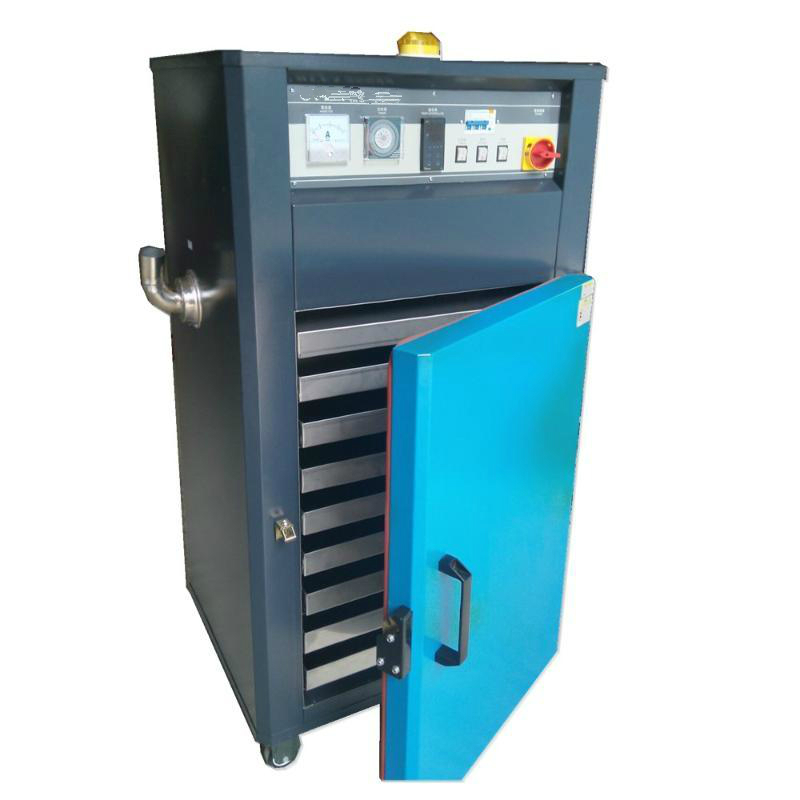
| Electric Element | Low (High operating cost) | Low | Smaller batches, intermittent use |
| Gas / Steam | Moderate | Moderate | Facilities with existing steam infrastructure |
Manufacturing Quality: Where the Factory Wins or Loses
The difference between a premium dryer and a sub-standard one is rarely visible on a spec sheet. It comes down to fabrication quality on the factory floor. Poorly constructed machines suffer from thermal bridging, where heat escapes through the frame, drastically increasing operating costs and creating uneven drying zones.
Critical Inspection Points for Dehydrators
- Insulation Density: Verify the use of high-density polyurethane or rock wool (at least 50mm to 100mm thick) with no gaps around doors.
- Welding Quality: Look for continuous, polished argon arc welds inside the chamber. Spot welds create crevices that harbor bacteria.
- Airflow Uniformity: Check the placement and baffling of circulation fans. Uneven airflow means trays must be manually rotated during the cycle.
- Door Seals: Ensure food-grade silicone gaskets are used and that heavy-duty hinges maintain compression over time.
Catching these defects after the machine has shipped is a costly mistake. Implementing rigorous Quality Control & Inspection prior to container loading is essential to ensure the factory has met all sanitary and performance standards.
Need help verifying factory capabilities and machine quality? Let's discuss your sourcing requirements.
Talk to our teamCustomization and OEM Production
Many distributors and brands require specific modifications to suit their target markets. Chinese manufacturers are highly adaptable, provided you communicate your needs clearly.
Common customizations include modifying tray dimensions to fit existing bakery or processing racks, upgrading the PLC to internationally recognized brands (like Siemens or Schneider) for easier local servicing, and adapting the electrical components for specific regional voltages (e.g., 3-phase 480V for North America). If you are looking to build a proprietary machine under your own brand, utilizing professional OEM/ODM Services ensures your intellectual property is protected and the engineering translates correctly to the production line.
Pricing, MOQs, and Lead Times
Because industrial dryers are large, capital-intensive machines, the purchasing dynamics differ significantly from consumer goods.
Pricing is heavily tied to the raw material cost of stainless steel and the chosen heating technology. A standard 500kg-capacity electric cabinet dryer will cost significantly less upfront than a heat-pump model of the same size, but the heat pump will often pay for itself in energy savings within the first 18 months of continuous use.
Before placing a high-value order, it is highly recommended to conduct Factory Audits to verify the supplier actually fabricates the chambers in-house rather than simply assembling outsourced sheet metal.
Ensure your next machinery order is built to spec and delivered on time. Connect with our sourcing experts.
Get a free consultationFrequently Asked Questions
Sourcing industrial food processing machinery is an exercise in risk management and total cost of ownership. By focusing on insulation quality, airflow design, and robust electrical components, you can secure equipment that delivers consistent yields and decades of reliable service.
Get Sourcing Help for Fruit & Vegetable Dryers
Tell us your requirements and our experts will connect you with verified manufacturers.