Fish Processing Machines
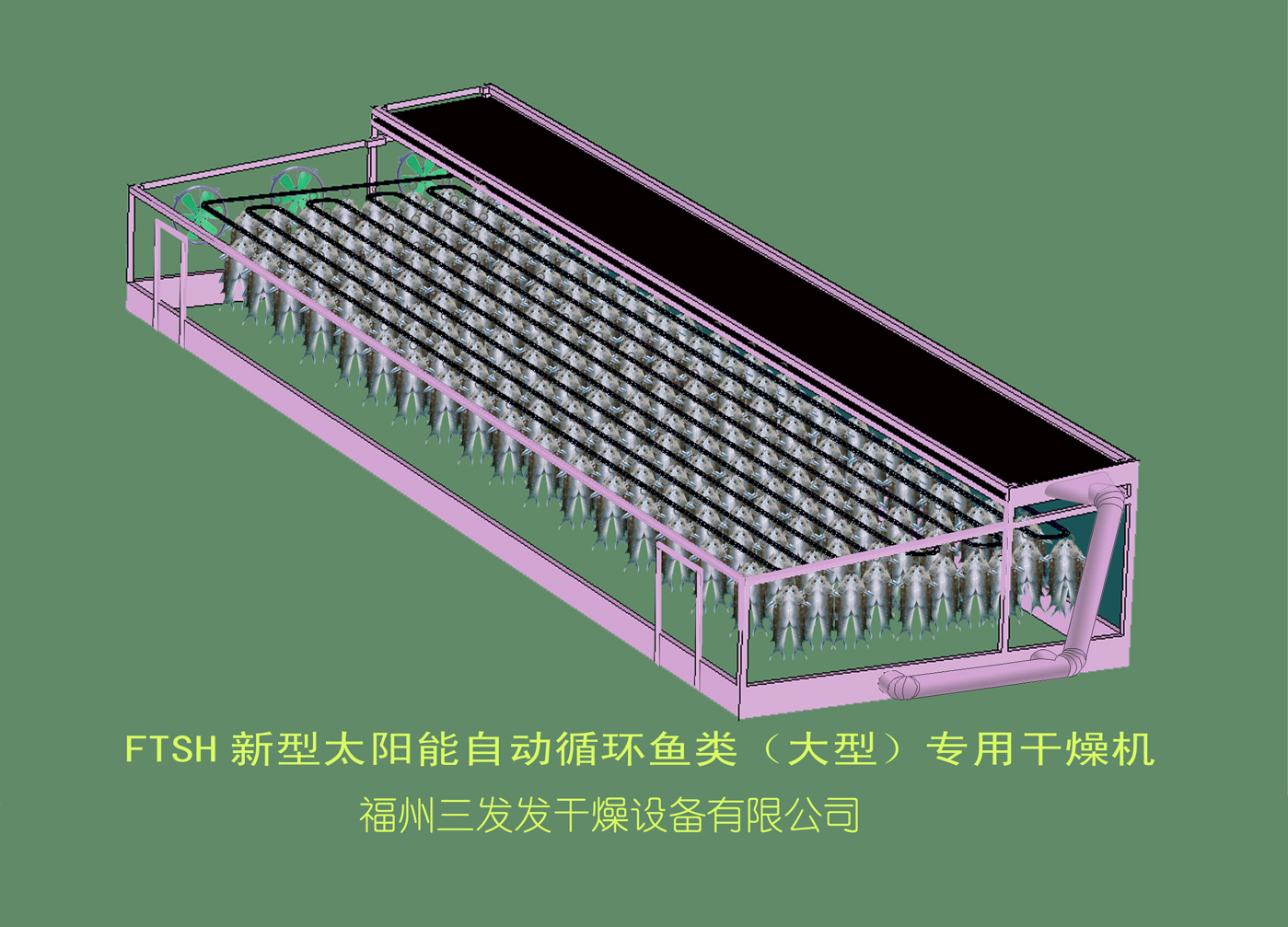
Source commercial-grade fish processing machines directly from vetted manufacturers and suppliers in Asia. Built for importers, distributors, and food production brands seeking reliable OEM production and wholesale pricing, our network delivers high-yield processing equipment engineered for high-volume facilities.
Sourcing industrial fish processing equipment demands strict adherence to food safety standards, high-yield efficiency, and robust mechanical reliability. When importing these machines in bulk or outfitting high-volume seafood processing facilities, the margin for error in sanitation and flesh recovery is zero. Success relies on identifying manufacturers capable of delivering precision engineering, sanitary design, and consistent throughput.
Core Specifications for High-Volume Processing
Evaluating a fish processing machine requires looking past the basic throughput claims and examining the engineering that dictates long-term performance and food safety compliance.
Material Grades and Corrosion Resistance
Seafood processing is an inherently corrosive environment due to high moisture, salt, and frequent chemical washdowns. Standard stainless steel is insufficient. Premium machines utilize SUS316 stainless steel for all direct food-contact surfaces and cutting blades, while the main structural frame can be constructed from heavy-gauge SUS304. Beware of suppliers substituting SUS201 in non-visible areas; it will rust quickly in a marine or processing plant environment.
Need help verifying the material grades and engineering capabilities of a potential supplier?
Talk to our teamElectrical Components and Washdown Ratings
Electrical failure is the primary cause of downtime in seafood processing machinery. Ensure all motors, sensors, and control panels carry appropriate IP ratings. Control cabinets should be minimum IP65, while motors and sensors exposed to direct cleaning should be IP69K rated to withstand high-pressure, high-temperature water jets. Reputable manufacturers will use internationally recognized components (e.g., Siemens, Omron, or Schneider) rather than unbranded alternatives, ensuring replacement parts are available globally.
Sanitary Design and Manufacturing Quality
The true test of a manufacturer's capability lies in their fabrication methods. Poorly designed machines harbor bacteria, leading to cross-contamination and failed health inspections. Verifying a supplier's capability often requires on-site verification to inspect their welding and assembly standards before committing to a large order.
Sanitary Design Verification Checklist
- Continuous, smooth TIG welds (no spot welding or deep crevices).
- Tubular or angled frame construction to prevent water pooling.
- Tool-less disassembly for daily cleaning of belts and cutting zones.
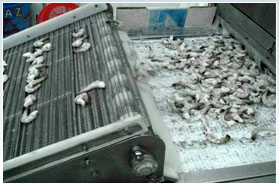
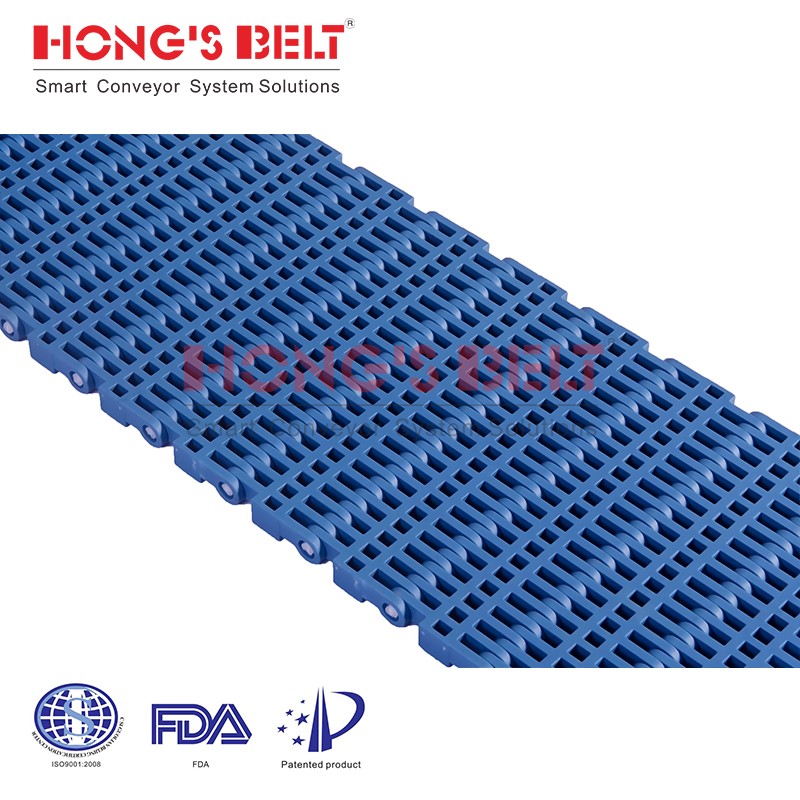
- Food-grade, FDA-compliant conveyor belts (e.g., modular plastic or PU).
- Sealed bearings with food-grade lubricants.
| Component | Standard Export Build | Premium Sanitary Build |
|---|---|---|
| Frame Welds | Spot welded, brushed finish | Continuous TIG, polished sanitary finish |
| Water Runoff | Flat surfaces, prone to pooling | Angled surfaces (minimum 15 degrees) |
| Motors | Standard IP54, shielded | IP69K washdown-rated, fully enclosed |
| Blade Material | Standard stainless steel | High-carbon SUS316 or specialized alloys |
Pricing, MOQs, and Lead Times
Unlike consumer goods, industrial food processing machinery operates on different procurement mechanics.
- Minimum Order Quantities (MOQs): Because these are high-value, heavy industrial items, MOQs are typically low—often 1 to 5 units. For custom engineering or full production line setups, an MOQ of 1 is standard.
- Pricing Drivers: The cost heavily depends on the precision of the cutting mechanisms, the grade of stainless steel, and the origin of the electrical components. Upgrading from domestic Chinese motors to European components can increase the unit cost by 15 to 30 percent, but drastically reduces maintenance costs.
- Lead Times: Standard machines typically require 30 to 45 days for production. Custom OEM configurations or complete processing lines can take 60 to 90 days.
Due to the size and weight of these machines, coordinating international freight forwarding requires careful planning. Machines must be properly crated in fumigated wood and secured with anti-shock mounts to prevent calibration loss during transit.
Looking to import processing equipment but need clarity on landed costs and logistics?
Get a free consultationVerifying Performance Before Shipment
Never assume a machine will achieve its stated yield or throughput without proof. Implementing rigorous pre-shipment inspections is critical. Inspectors should conduct dry runs to check motor function, verify safety interlocks, and confirm that all material certifications and CE/NSF compliance documents are valid and match the physical unit.
Sourcing fish processing machines requires balancing upfront equipment costs against long-term yield efficiency and sanitation compliance. By focusing on sanitary design, material grades, and rigorous quality control, you can secure equipment that scales your production safely and profitably.
Get Sourcing Help for Fish Processing Machines
Tell us your requirements and our experts will connect you with verified manufacturers.