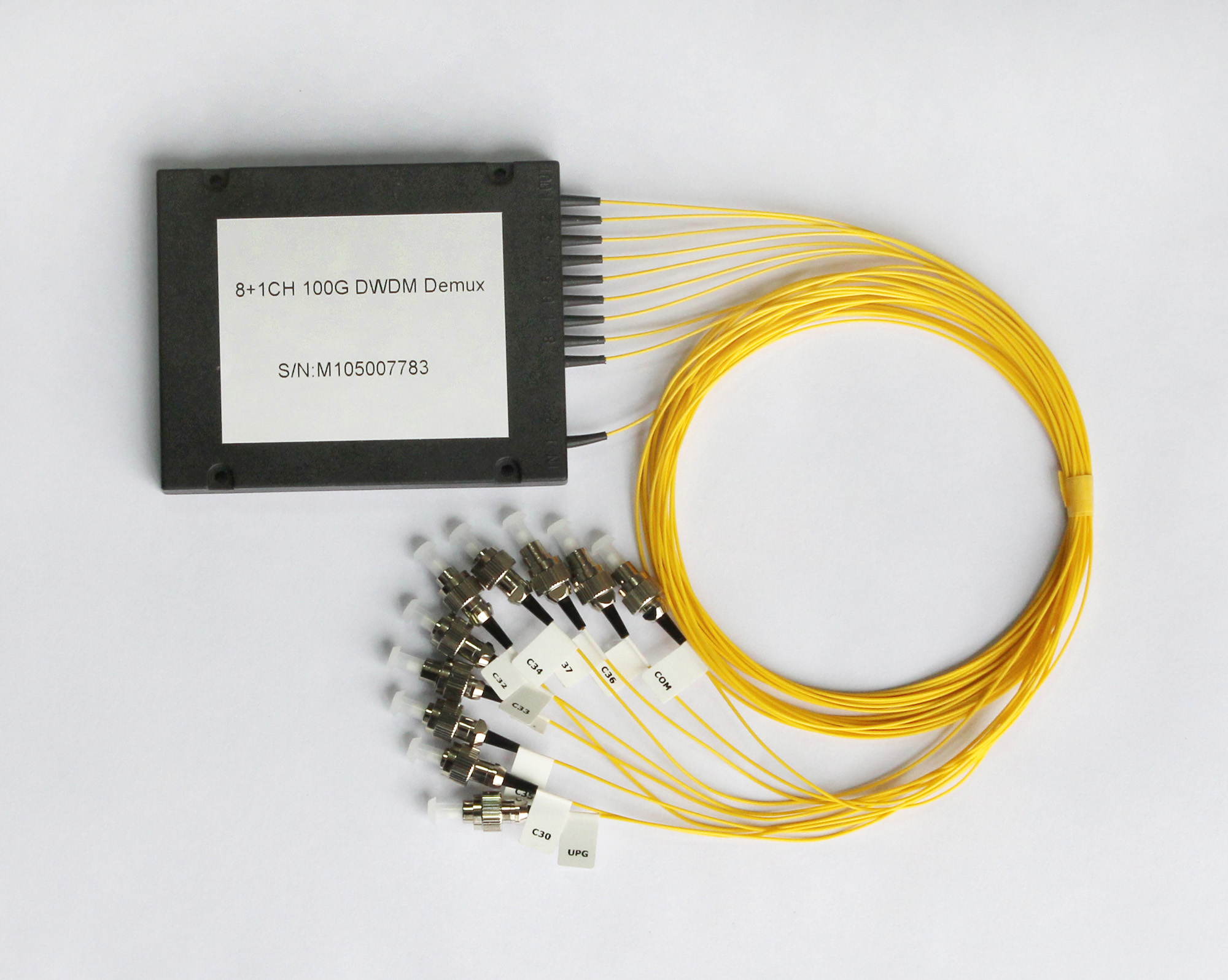
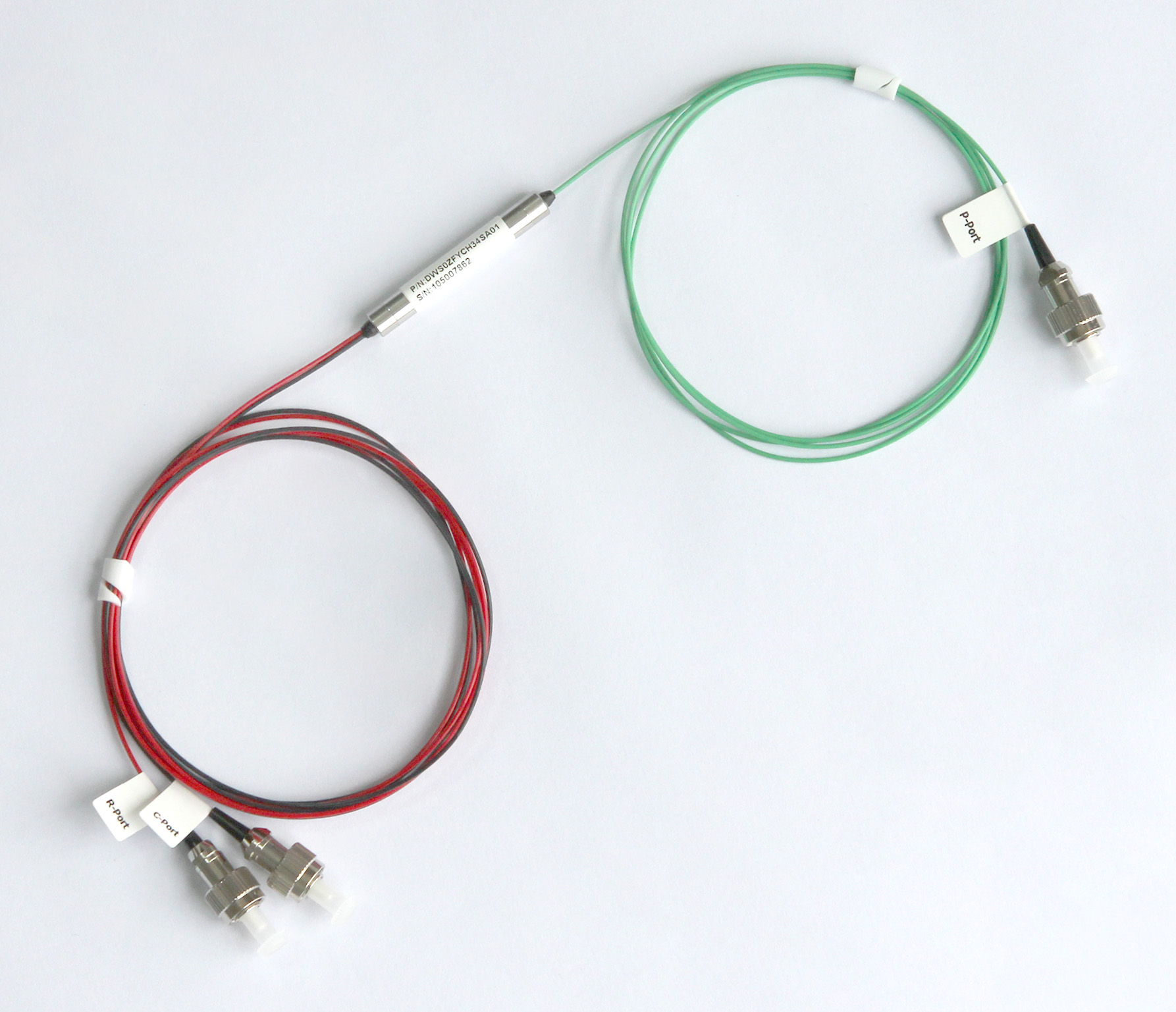
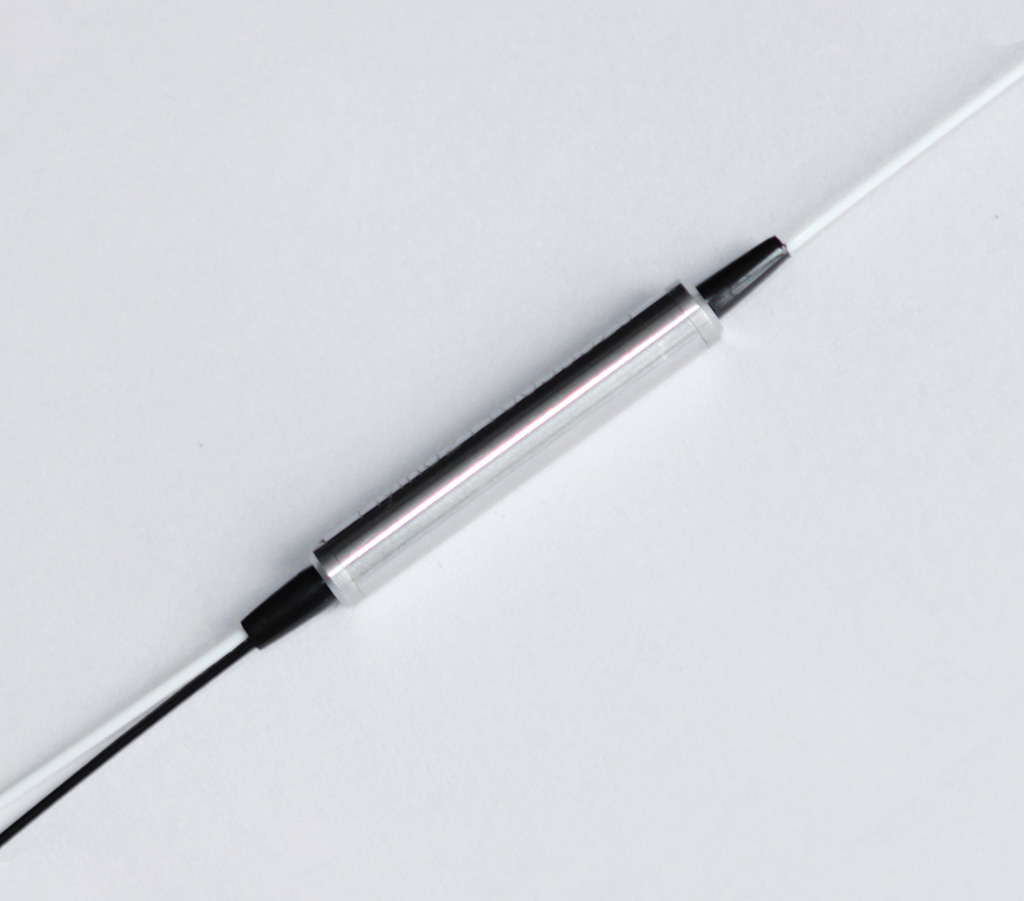
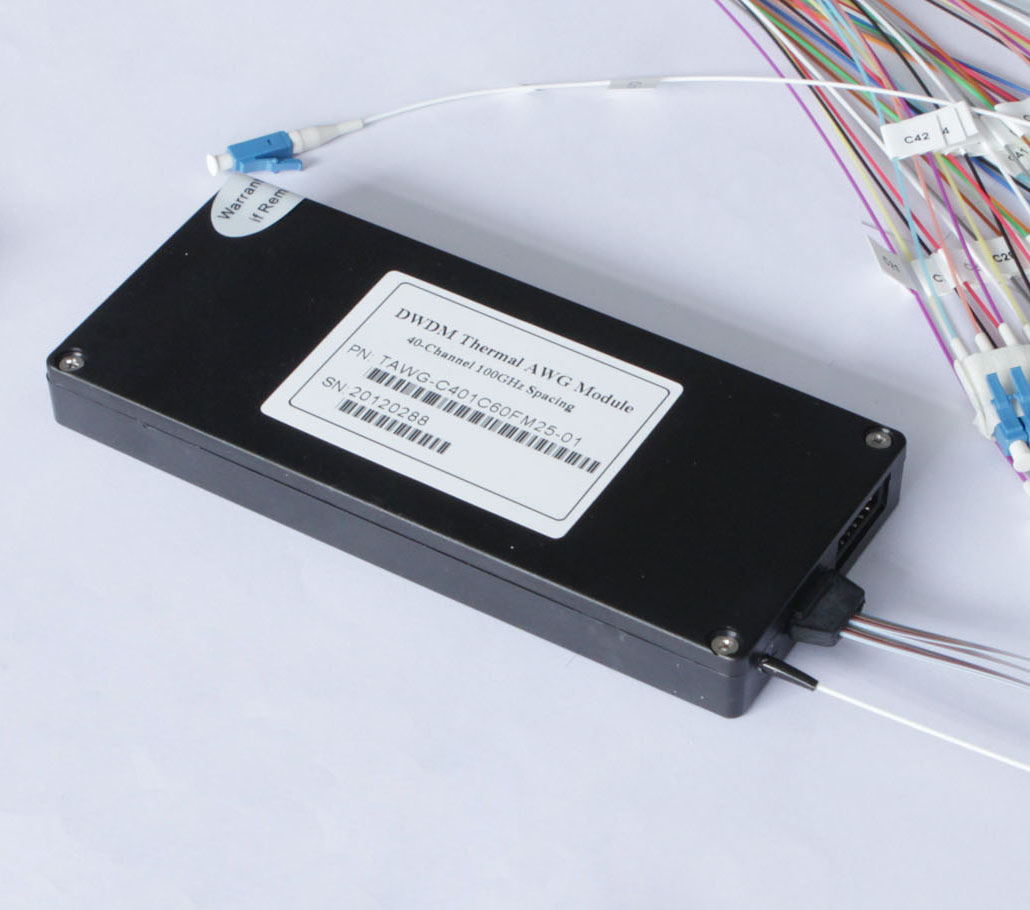
Fiber Optic Equipment
Source premium Fiber Optic Equipment directly from vetted manufacturers and suppliers. Designed for telecommunications importers, wholesale distributors, and brands seeking reliable OEM production in bulk. Secure competitive pricing and scalable manufacturing for your network infrastructure needs.
Sourcing telecommunications infrastructure components in volume leaves no room for error. When importing fiber optic equipment directly from overseas manufacturers, the difference between a high-performing network and catastrophic signal degradation often comes down to factory-level quality control, precise polishing standards, and stringent material selection.
For bulk buyers, navigating the Asian manufacturing landscape requires looking past basic spec sheets to verify cleanroom environments, testing equipment, and raw material supply chains.
Critical Specifications and Performance Tolerances
Optical performance is highly sensitive to manufacturing precision. When negotiating with factories, you must specify exact tolerances for Insertion Loss (IL) and Return Loss (RL). A fraction of a decibel in excess loss across thousands of connections can cripple a network's power budget.
| Parameter | UPC (Ultra Physical Contact) | APC (Angled Physical Contact) |
|---|---|---|
| Return Loss (RL) | Typical 50dB | Typical 60dB or higher |
| Primary Applications | Data centers, enterprise networks | FTTx, PON, CATV |
| End-Face Geometry | Flat/Domed | 8-degree angle |
| Visual Identifier | Blue connector | Green connector |
Beyond the connectors, the fiber core itself must be specified. Bend-insensitive fibers (like ITU-T G.657.A1 or A2) are increasingly standard for FTTH applications, but cheaper G.652.D fibers are still widely used for long-haul runs. Ensure your supplier is transparent about the origin of the glass preform, as premium networks often require specified brands like Corning or YOFC.
Ensure your fiber optic suppliers meet strict telecommunications standards. Let us verify factory capabilities and handle the technical negotiations.
Talk to our teamManufacturing Processes and Quality Control
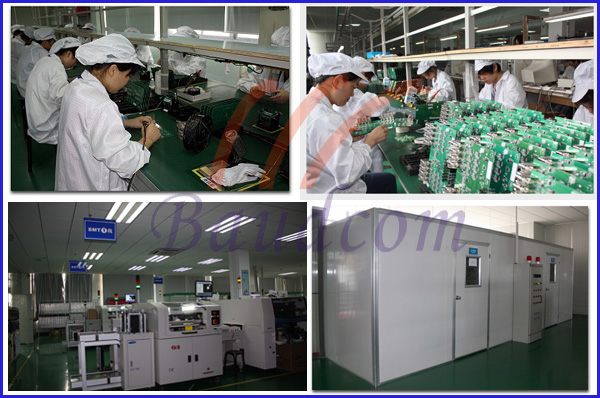
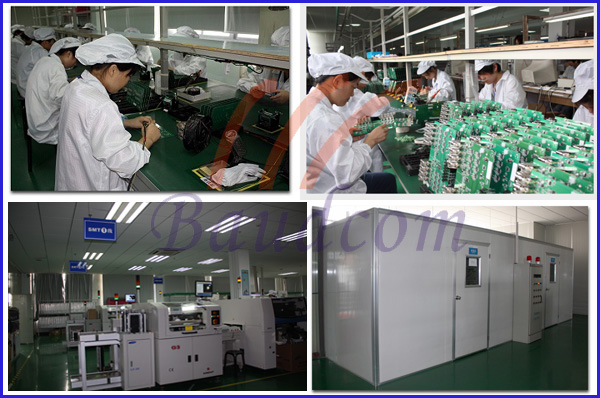
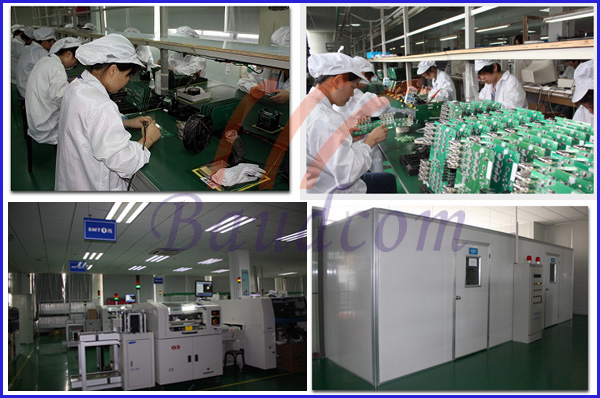
The production of fiber optic assemblies—particularly patch cords, pigtails, and splitters—requires strict environmental controls. Dust is the enemy of optical performance. High-yield factories operate dedicated cleanrooms for termination and polishing.
When conducting Factory Audits, focus on the polishing and testing stages. Automated polishing machines with multi-stage lapping films are mandatory for consistent end-face geometry.
Key Factory Verification Points
- Cleanroom assembly environments to prevent microscopic contamination.
- Use of 3D interferometers to verify end-face geometry (radius of curvature, apex offset).
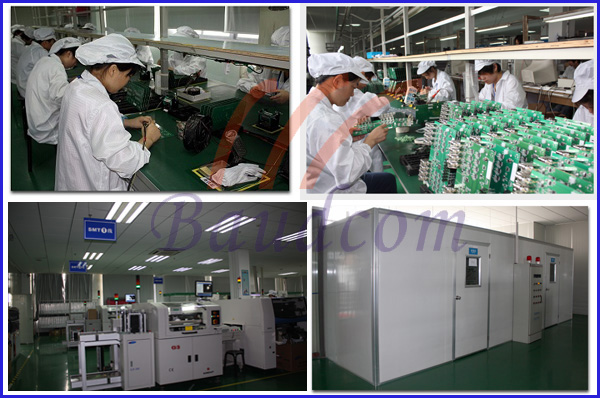
- Automated, multi-stage polishing equipment rather than manual polishing.
- Individual IL/RL testing stations for every assembly, not just batch sampling.
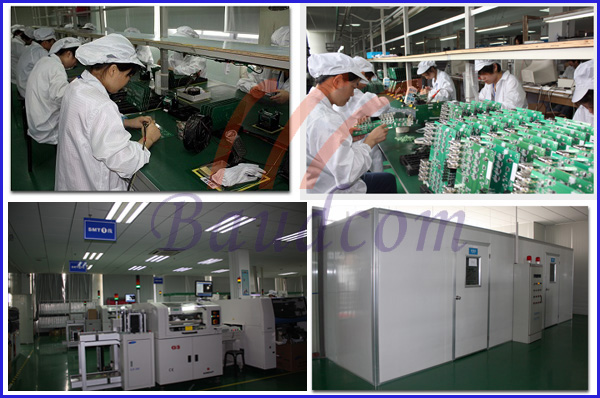
- Proper curing ovens for epoxy application in connector ferrules.
Because defects are microscopic, robust Quality Control & Inspection is essential before container loading. Relying solely on the factory's internal test reports can lead to high rejection rates upon arrival. Independent pre-shipment inspection should verify that the IL and RL match the provided documentation and that jacket materials meet specified flammability ratings (such as LSZH or OFNP).
Customization and OEM Production
For brands and large distributors, standard off-the-shelf products often do not meet specific regional compliance or branding requirements. Partnering with a capable factory for OEM/ODM Services allows you to control the entire bill of materials.
This includes specifying custom cable lengths, specific connector color-coding, branded heat-shrink tubing, and custom packaging. More importantly, it allows you to dictate the jacket material. Low Smoke Zero Halogen (LSZH) is mandatory in many European and indoor enterprise markets, while outdoor applications require UV-resistant PE jackets with water-blocking tape or gel.
Buying Mechanics: MOQs, Lead Times, and Pricing
The fiber optic equipment market is highly commoditized at the lower end, but custom or premium configurations require careful supply chain planning.
Pricing is driven by three primary factors:
- Raw Fiber Origin: Specifying tier-one glass (e.g., Corning) will increase costs compared to domestic Chinese preforms, but guarantees long-term reliability and compliance with strict telecom tenders.
- Ferrule Quality: Ceramic ferrules vary in concentricity. Higher precision ferrules reduce insertion loss but add to the unit cost.
- Jacket Material: Fire-retardant and plenum-rated (OFNP) materials are significantly more expensive than standard PVC.
Optimize your procurement strategy with direct-from-factory pricing, rigorous quality oversight, and secure logistics.
Get a free consultationFrequently Asked Questions
Securing reliable fiber optic equipment requires looking past the spec sheet and into the manufacturer's testing protocols. Consistent optical performance is built on the factory floor, and rigorous vetting is the only way to ensure your network infrastructure performs to standard.
Get Sourcing Help for Fiber Optic Equipment
Tell us your requirements and our experts will connect you with verified manufacturers.