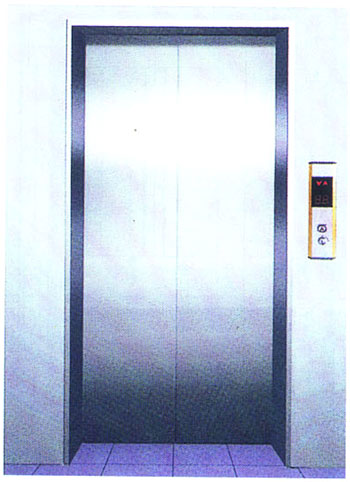
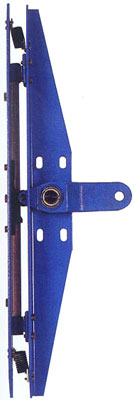
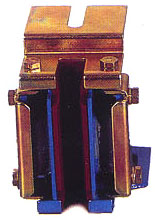
Elevator Parts
Source commercial-grade elevator parts from vetted manufacturers and suppliers in China and across Asia. This catalog is built for specialized importers, distributors, and procurement managers requiring bulk components or custom OEM manufacturing for large-scale construction and maintenance supply chains.
Sourcing elevator components in bulk demands a rigorous approach to safety, precision, and metallurgical integrity. Whether you are supplying maintenance contractors or building out a proprietary modernization kit, the primary challenge is separating genuine manufacturers with in-house casting, machining, and PCB assembly capabilities from trading companies masking as factories.
Critical Manufacturing Specifications
Elevator systems rely on a complex integration of heavy mechanical assemblies and sensitive electronics. When qualifying a factory, you must evaluate their specific production capabilities rather than their general catalog. Most top-tier manufacturers specialize in either mechanical hardware (guide rails, safety gears, traction machines) or electronic control systems (inverters, mainboards, door controllers), rarely both.
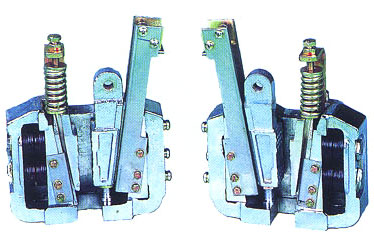
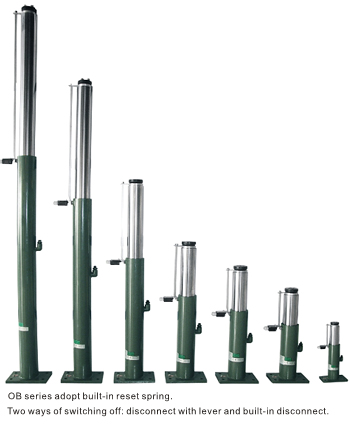
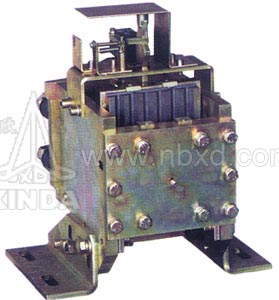
For mechanical components, dimensional stability and material composition are paramount. Guide rails, for example, must be cold-drawn or machined to strict tolerances to ensure ride comfort, typically requiring straightness deviations of under 1.5mm per 5 meters. Safety gears and buffers demand high-grade cast iron (such as HT250) or forged steel, with verifiable heat treatment processes to handle extreme dynamic loads.
| Component Category | Primary Material | Critical Manufacturing Process | Key Tolerance / Metric |
|---|---|---|---|
| Safety Gears & Buffers | Forged Steel / HT250 | Heat treatment & CNC machining | Dynamic friction coefficient |
| Guide Rails | Q235 / Q275 Steel | Cold drawing & precision milling | Straightness under 1.5mm/5m |
| Door Operators | Galvanized Steel / Aluminum | Sheet metal stamping & motor winding | Opening/closing torque |
| Control Boards | FR4 PCB | SMT assembly & conformal coating | EMI/RFI resistance |
Struggling to verify a factory's true machining capabilities? Our engineers can audit your supplier shortlist on-site.
Talk to our teamQuality Control and Global Compliance
Elevator parts are strictly regulated, and a failure in quality control is not just a commercial loss—it is a critical safety liability. Your supply chain must be built around verifiable compliance with regional standards like EN 81-20/50 (Europe), ASME A17.1 (North America), or local equivalents.
Relying solely on a supplier's provided certificates is a high-risk strategy. Professional buyers implement independent Quality Control & Inspection protocols before shipment. This includes verifying that the materials used match the certified prototypes.
Essential Factory-Level QA Protocols
- Non-Destructive Testing (NDT): Ultrasonic or magnetic particle inspection for cast and forged safety components.
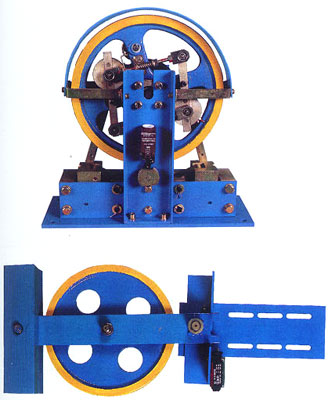
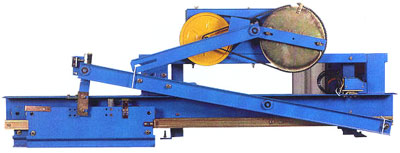
- Dynamic Load Testing: In-house drop towers and test shafts for safety gears and overspeed governors.
- Environmental Testing: Salt spray testing (minimum 96 hours) for door tracks and structural brackets.
- Electrical Burn-In: 48-to-72 hour continuous operation testing for control boards and inverters under high temperatures.
If you are developing proprietary components, integrating rigorous Compliance & Testing early in the prototyping phase is essential to ensure your products will clear customs and meet local building codes.
Factory Vetting: Identifying True Manufacturers
China is the global hub for elevator manufacturing, with major clusters in the Yangtze River Delta (specifically around Suzhou, Hangzhou, and Ningbo). However, the market is saturated with assemblers and trading companies.
A genuine manufacturer for heavy mechanical parts will have extensive capital equipment: induction furnaces for casting, multi-axis CNC machining centers, and heavy-duty stamping presses. For electronic components, look for clean rooms, automated SMT lines, and dedicated testing rigs. Conducting thorough Factory Audits is the only reliable way to confirm you are dealing directly with the source, ensuring you have leverage over quality and pricing.
Typical MOQs, Lead Times, and Pricing Dynamics
Pricing in this sector is heavily influenced by raw material index fluctuations (steel, copper, aluminum) and the level of customization required.
When leveraging OEM/ODM Services to produce custom fixtures or specialized safety components, expect higher initial MOQs to amortize the cost of new molds or tooling. Lead times will also extend by 20 to 30 days for the initial sampling and approval phases.
Need to consolidate components from multiple specialist factories into a single shipment? We can manage your entire procurement operation.
Get a free consultationFrequently Asked Questions
Sourcing elevator parts at scale requires technical fluency and a deep understanding of manufacturing processes. By focusing your procurement efforts on specialized factories with verifiable in-house testing and strict metallurgical controls, you can build a resilient supply chain that delivers both commercial viability and uncompromising safety.
Get Sourcing Help for Elevator Parts
Tell us your requirements and our experts will connect you with verified manufacturers.