Electronics Films and Tapes
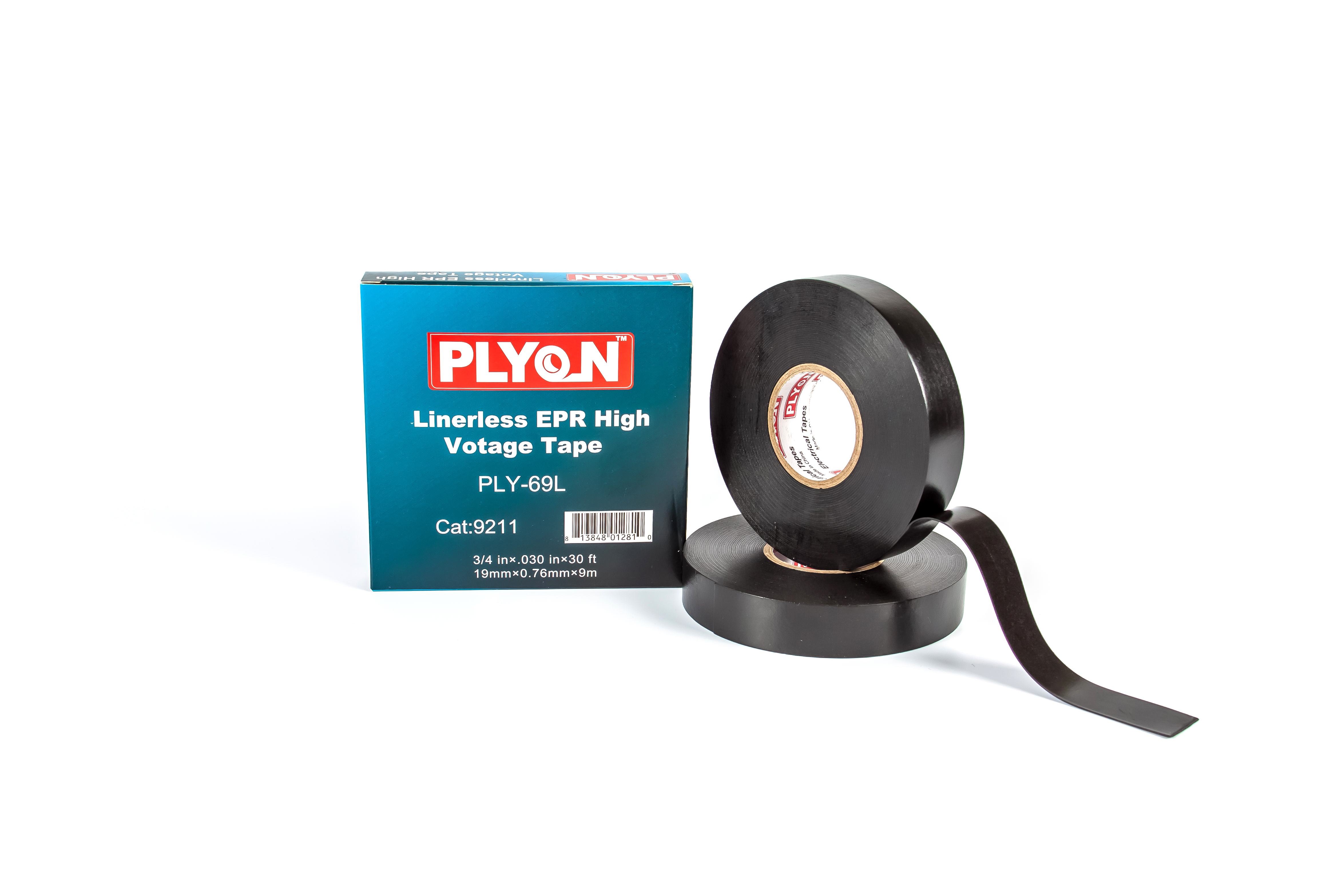
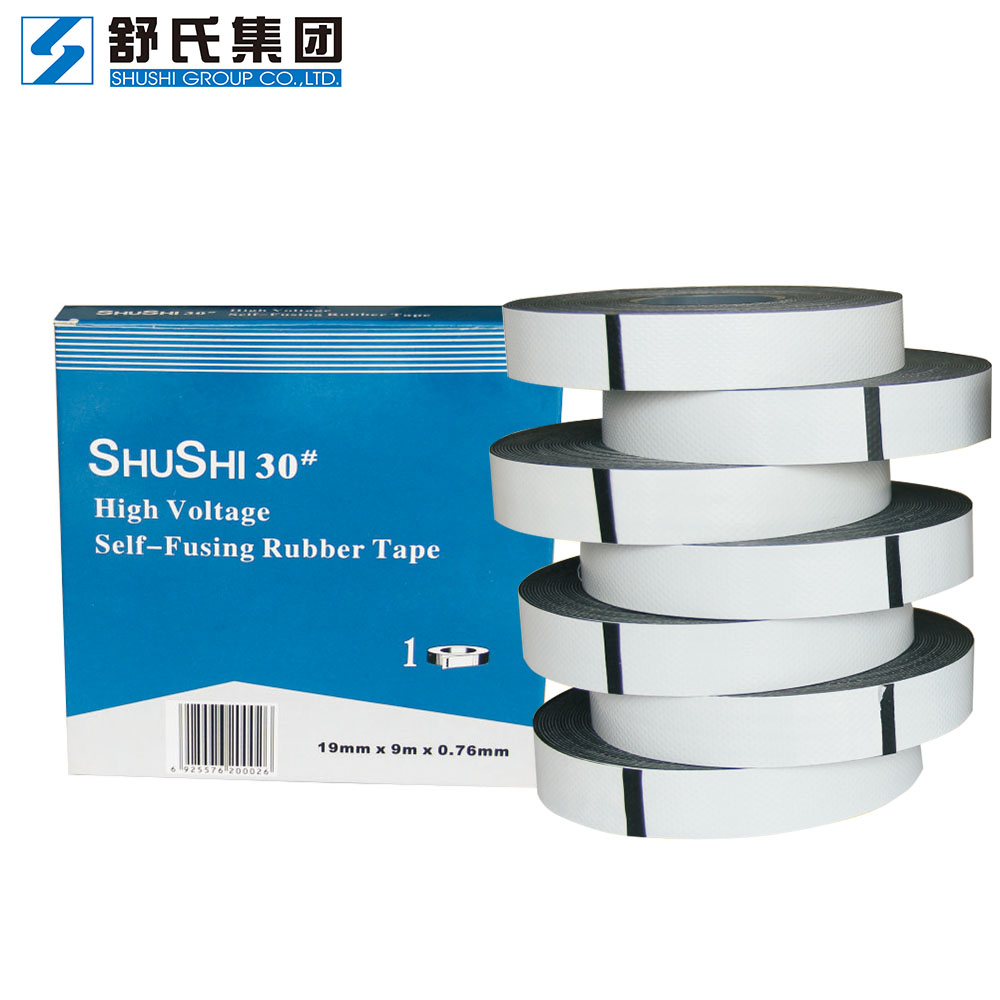
Source premium electronics films and tapes directly from vetted manufacturers and suppliers. Designed for importers, distributors, and brands requiring OEM/ODM production, our catalog covers high-volume thermal, conductive, and dielectric tapes engineered for rigorous electronic assemblies.
Electronics films and tapes are foundational to modern device assembly, serving as thermal interfaces, EMI/RFI shields, and dielectric barriers. Sourcing these materials in bulk requires navigating a complex supply chain of primary coaters (who apply adhesive to master webs), converters (who slit and rewind), and die-cutters. For procurement managers and importers, securing consistent performance means strictly controlling base material specifications, adhesive formulations, and the factory's coating environment.
Defining Critical Specifications
When negotiating with suppliers, vague specifications lead to catastrophic assembly failures down the line. B2B buyers must define exact parameters for both the carrier film and the adhesive system.
- Dielectric Strength (kV/mm): Critical for polyimide (Kapton-equivalent) and PET tapes used in transformer or PCB insulation.
- Thermal Conductivity (W/m·K): The primary metric for thermal interface tapes used in LED arrays and heat sinks.
- Peel Adhesion (N/25mm): Must be specified against a standard substrate (usually stainless steel) at a specific angle (180 degrees or 90 degrees).
- Surface Resistance (Ohms/sq): Essential for conductive copper/aluminum foil tapes and anti-static (ESD) films.
| Adhesive System | Max Temperature | Tack / Adhesion | Cost Profile | Common Applications |
|---|---|---|---|---|
| Acrylic | Up to 150°C | High initial tack | Low to Medium | EMI shielding, general mounting |
| Silicone | Up to 260°C+ | Clean removal | High | Polyimide masking, wave soldering |
| Conductive Acrylic | Up to 120°C | Medium | Premium | Foil tapes, grounding |
Struggling to find a supplier that meets strict dielectric or thermal specifications? Let us match you with a vetted primary coater.
Talk to our teamManufacturing Tolerances and Quality Control
The quality of an electronics tape is largely determined during the coating and drying phases. If a factory lacks proper environmental controls (cleanrooms), dust contamination will cause microscopic bubbling in the adhesive layer, compromising dielectric strength and thermal transfer.
Furthermore, poor tension control during the rewinding and slitting process leads to "telescoping" (where the roll pushes out into a cone shape) or adhesive oozing at the edges. Verifying a supplier's equipment capability through Factory Audits is highly recommended before placing high-volume orders for jumbo or log rolls.
Key Quality Control Checks for Electronics Tapes
- Coating uniformity: Micrometer checks across the entire web width to ensure consistent adhesive thickness.
- Slit edge quality: Visual inspection for adhesive oozing, frayed carrier edges, or telescoping rolls.
- Peel adhesion testing: Standardized pull tests (N/25mm) to verify batch-to-batch consistency.
- Dielectric breakdown: High-voltage testing to ensure insulation properties meet stated ratings.
Implementing rigorous Quality Control & Inspection prior to shipment is the only way to catch these defects before they enter your assembly line or distribution network.
Buying Mechanics: Formats, MOQs, and Pricing Drivers
Electronics films and tapes are typically traded in three formats, each with distinct pricing and MOQ structures:
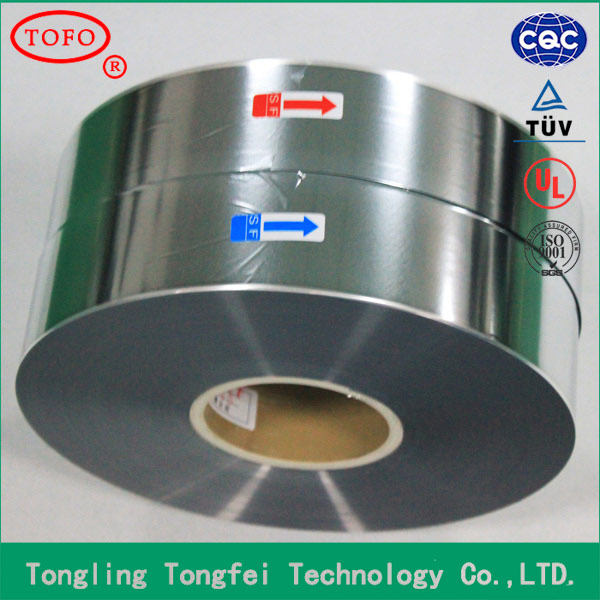
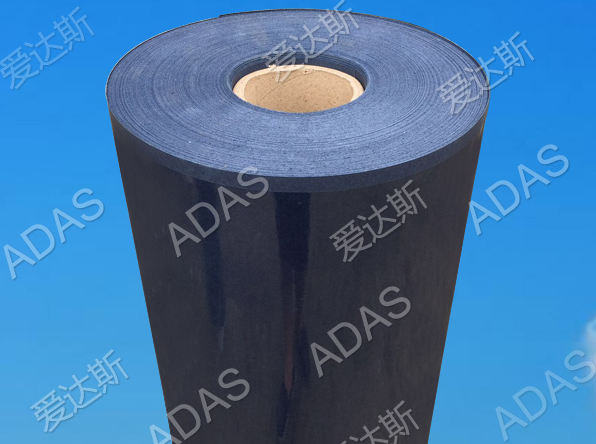
- Jumbo Rolls (Master Rolls): Typically 1,000mm to 1,200mm wide and several thousand meters long. Buyers are usually converters who will slit the material locally. MOQs are often measured in thousands of square meters.
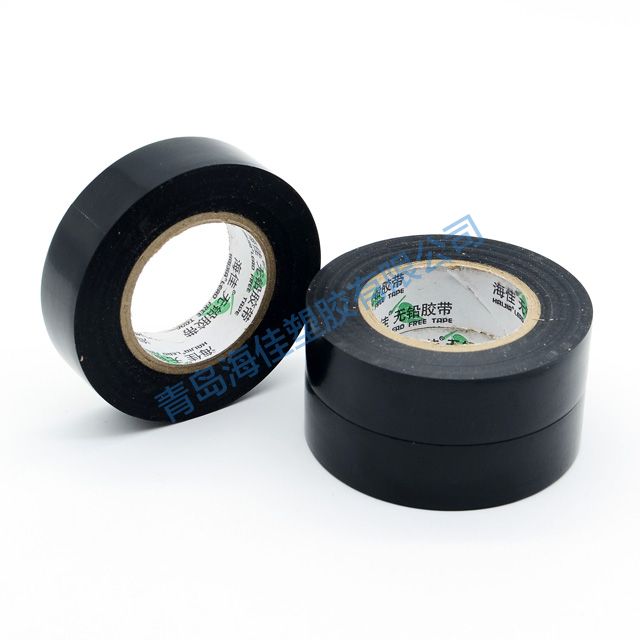
- Log Rolls: Full width, but cut to standard lengths (e.g., 33m, 50m, 66m).
- Slit Rolls / Die-Cuts: Finished products ready for assembly. MOQs are generally based on a minimum yield from one log roll.
Pricing is heavily influenced by the raw material index (especially for copper foils and polyimide films) and the adhesive chemistry. Silicone adhesives are significantly more expensive than standard acrylics, and specialized conductive fillers (like nickel or silver in EMI tapes) will exponentially increase the cost per square meter.
Need to optimize your landed costs on master rolls or custom die-cut tapes? We manage the end-to-end sourcing and logistics.
Get a free consultationFrequently Asked Questions
Sourcing electronics films and tapes requires balancing aggressive pricing with zero-defect quality tolerances. By focusing on factory capabilities—specifically cleanroom coating standards and precision slitting—buyers can secure reliable materials that perform consistently under thermal and electrical stress.
Get Sourcing Help for Electronics Films and Tapes
Tell us your requirements and our experts will connect you with verified manufacturers.