Electric Motors
Source high-performance electric motors from vetted manufacturers and wholesale suppliers across Asia. Built for importers, distributors, and brands requiring reliable OEM production, our network delivers industrial-grade motor solutions with rigorous quality control and full compliance for your target market.
Sourcing electric motors in volume requires balancing strict energy efficiency mandates with unit costs and long-term reliability. Whether you are procuring standard AC induction motors for HVAC systems or commissioning custom brushless DC (BLDC) units for specialized machinery, the success of your import program hinges on precise technical specifications and rigorous factory-level execution. A minor deviation in winding tension or insulation varnish can lead to premature failure in the field, making supplier selection critical.
Specifying Motors for Volume Production
To avoid miscommunication with overseas manufacturers, your Request for Quotation (RFQ) must be exhaustive. Relying on a supplier's standard catalog specifications often leads to receiving components optimized for cost rather than your application's specific demands.
Essential RFQ Parameters for Electric Motors
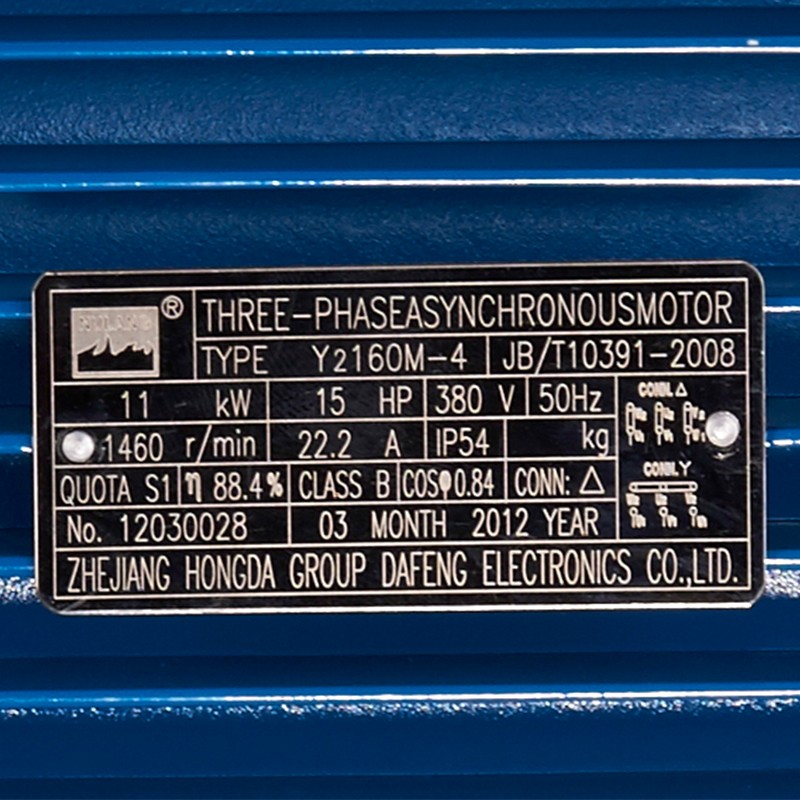
- Electrical Specs: Voltage, frequency (50Hz/60Hz), phase, and required efficiency class (e.g., IE2, IE3, NEMA Premium).
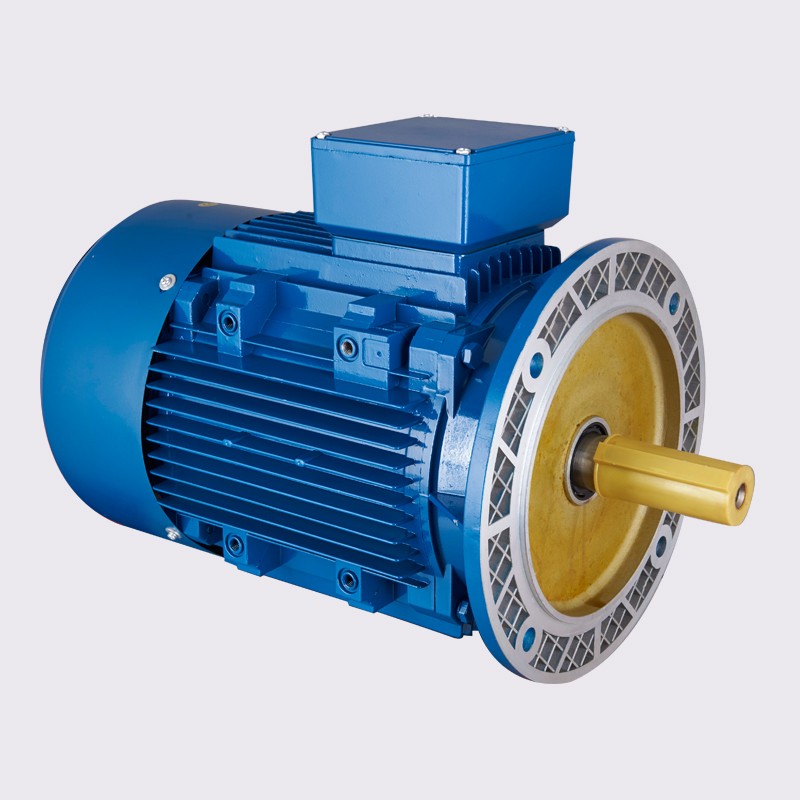
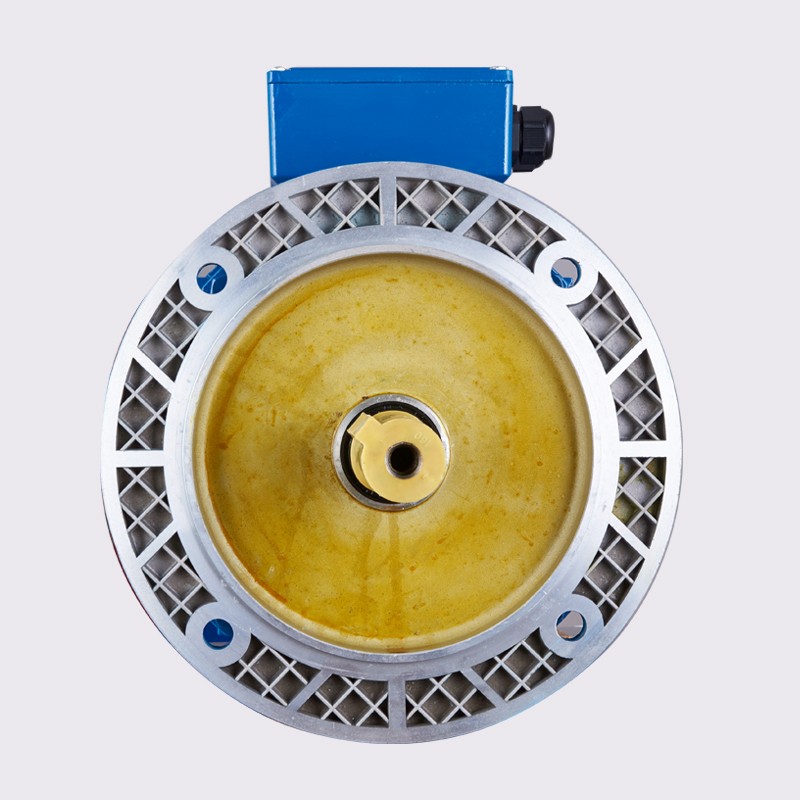
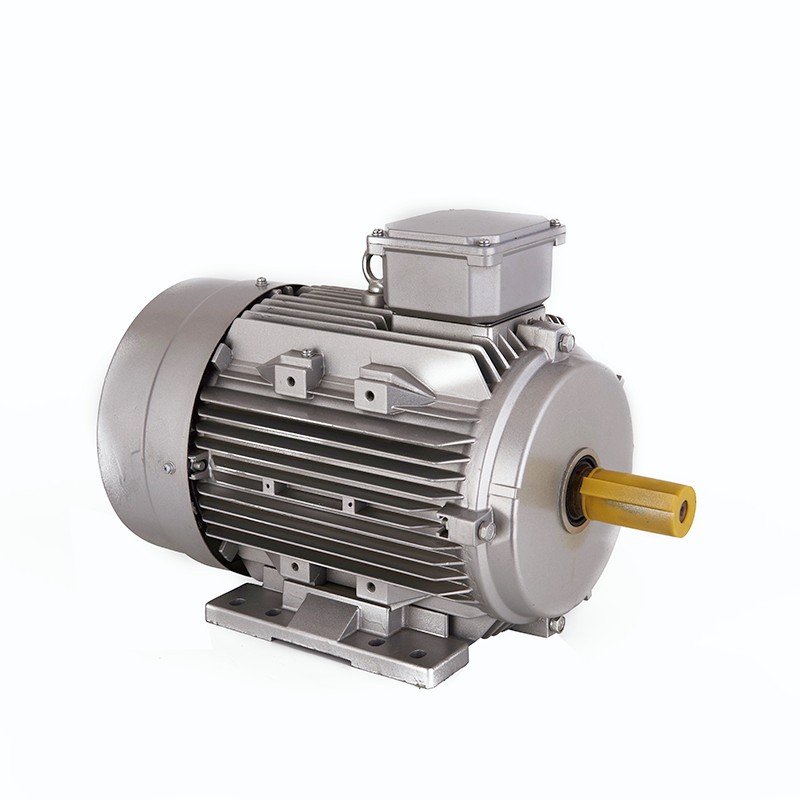
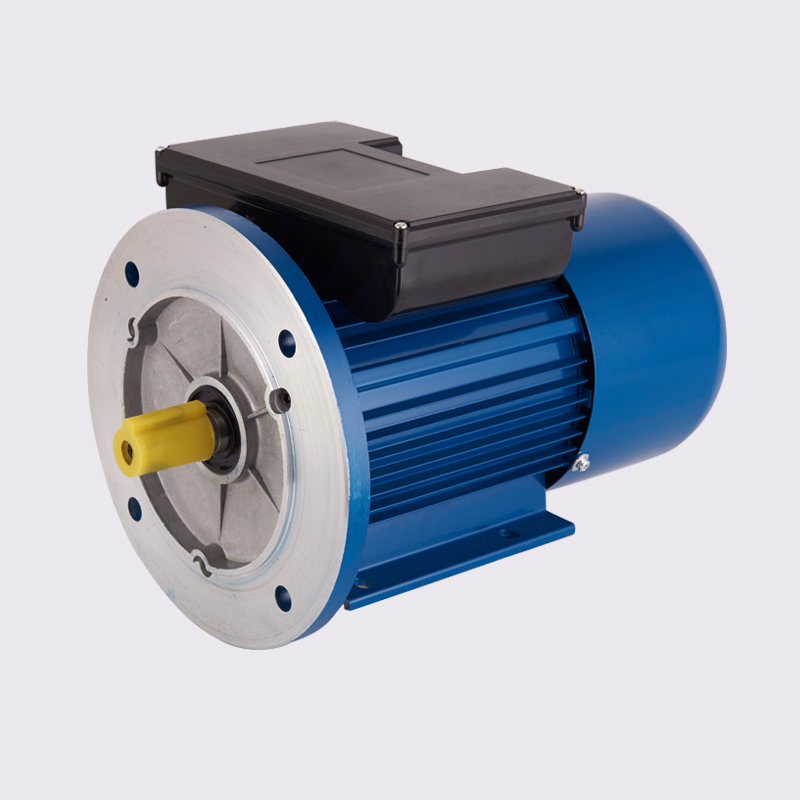
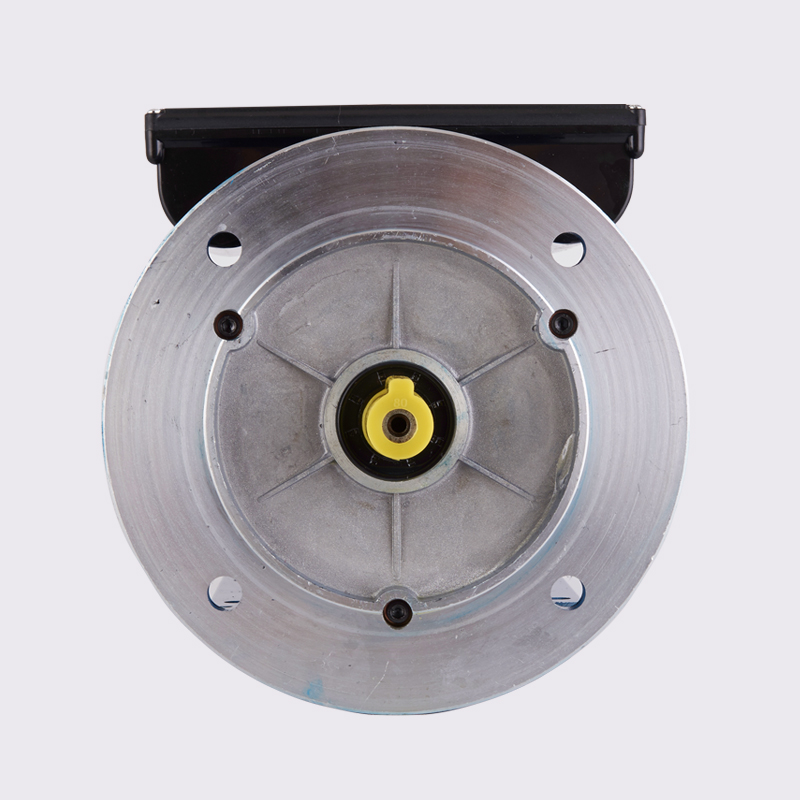
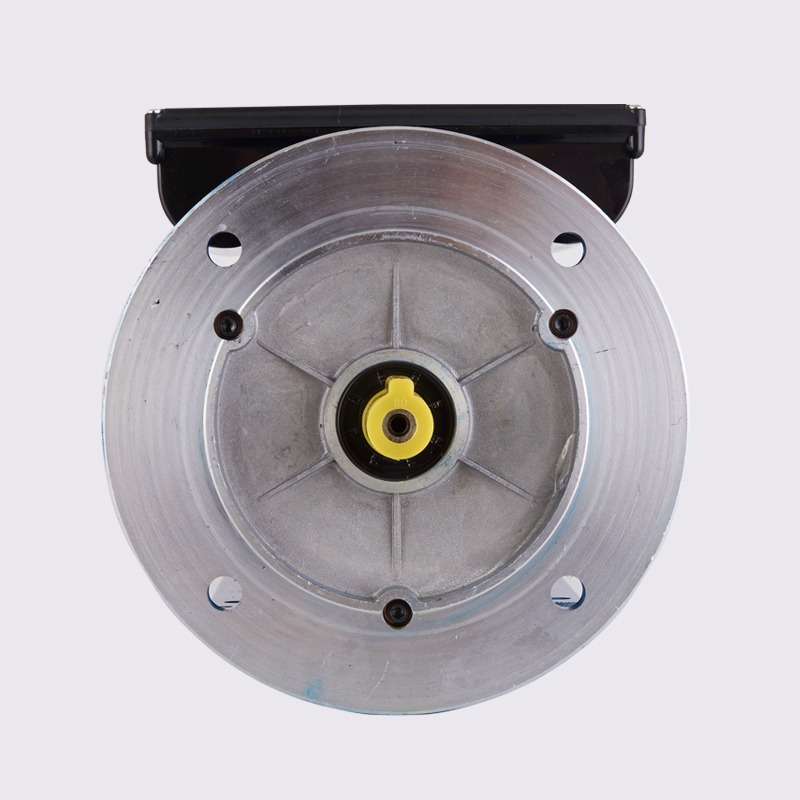
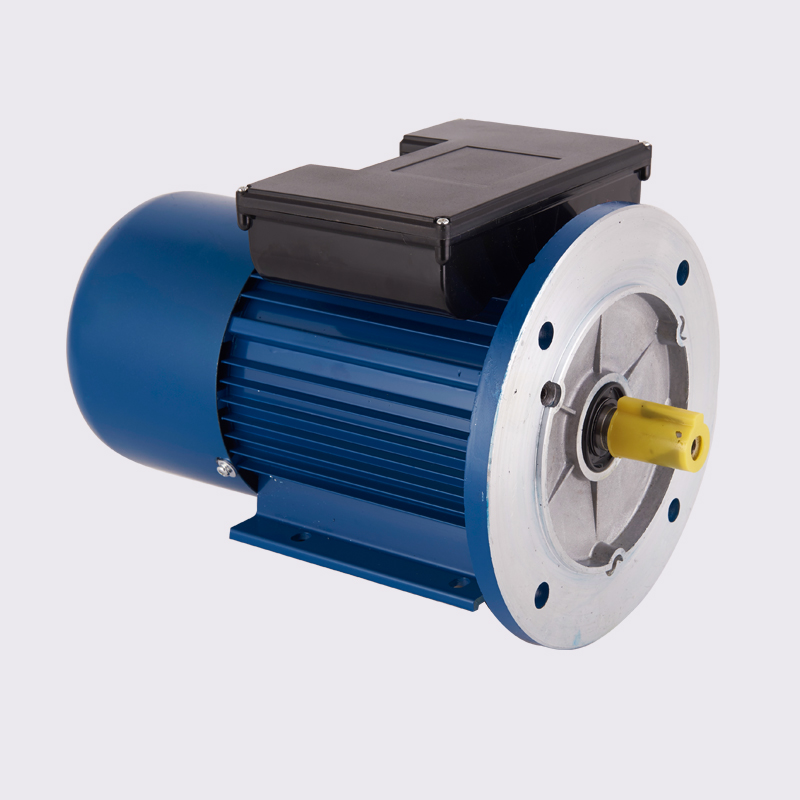
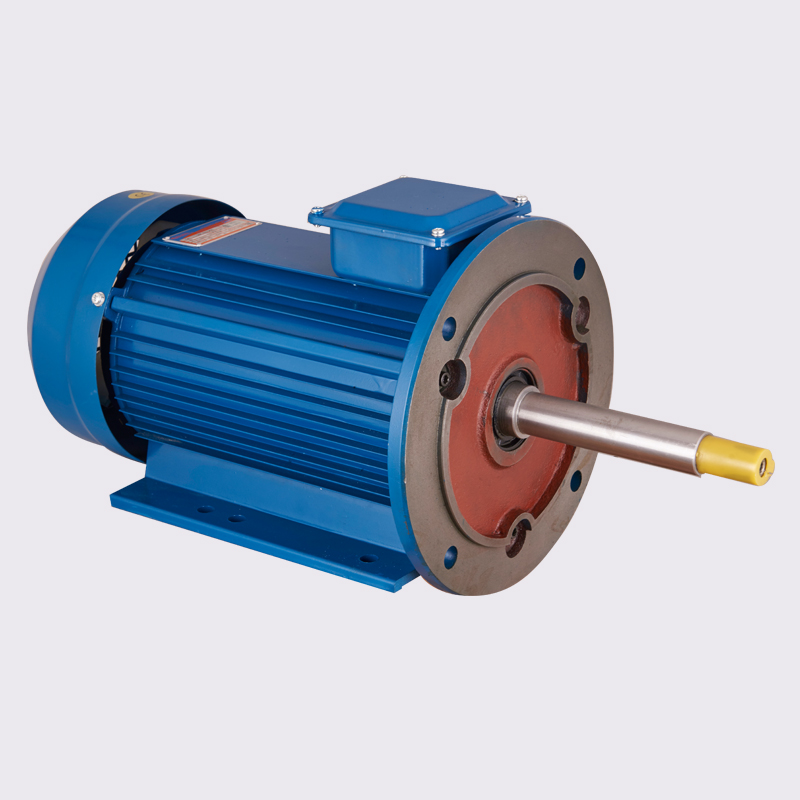
- Mechanical Specs: Frame size (IEC or NEMA standard), shaft dimensions, and mounting type (B3, B5, B14).
- Duty Cycle: S1 (continuous duty) through S10, depending on the application's thermal load.
- Environmental Protection: IP rating (e.g., IP55 for general industrial, IP66 for washdown environments) and insulation class (F or H).
- Cooling Method: TEFC (Totally Enclosed Fan Cooled), TENV, or ODP.
The Copper vs. Aluminum Dilemma
Many lower-tier factories substitute pure copper windings with Copper-Clad Aluminum (CCA) to aggressively cut costs. While CCA can be appropriate for light-duty, cost-sensitive applications, it significantly reduces motor efficiency and increases operating temperatures. If your application requires continuous duty, you must explicitly specify 100 percent pure copper windings and verify this during production.
Need help auditing a motor factory's raw material supply chain? We verify winding materials and production capabilities on-site.
Talk to our teamFactory Floor Realities: Where Quality is Won or Lost
The difference between a motor that lasts ten years and one that burns out in ten months is determined by the manufacturing process. When evaluating a new supplier, pay close attention to their automated winding capabilities and insulation processes.
Vacuum Pressure Impregnation (VPI)
For industrial motors, the standard "dip and bake" varnishing method is often insufficient. High-quality manufacturers utilize a Vacuum Pressure Impregnation (VPI) system. This process draws the insulation resin deep into the stator windings under a vacuum, eliminating air pockets that cause localized hotspots and electrical shorts. Conducting thorough Factory Audits is the most reliable way to confirm a supplier actually possesses and maintains functional VPI equipment, rather than outsourcing it or skipping the step entirely.
Rotor Balancing and Bearing Selection
Vibration destroys motors. Rotors must be dynamically balanced to strict tolerances (typically ISO 1940-1 standard G2.5 or better). Furthermore, bearings are the most common point of mechanical failure. Specify exact bearing brands (such as SKF, NSK, or NTN) in your contract, and utilize Quality Control & Inspection to ensure the factory hasn't substituted them with cheaper domestic alternatives prior to assembly.
Testing and Compliance
Efficiency claims must be verified. Ensure the factory has an in-house dynamometer testing facility to prove their motors meet the stated IE3 or NEMA Premium efficiency levels. If you are importing to regions with strict energy regulations, third-party Compliance & Testing is non-negotiable.
Pricing Drivers, MOQs, and Production Timelines
Electric motor pricing is highly sensitive to global commodity markets, particularly copper, electrical steel, and (for permanent magnet motors) rare earth metals.
When negotiating, understand that pushing for rock-bottom prices usually forces the manufacturer to compromise on invisible components: thinner housing castings, lower-grade silicon steel in the stator core, or inferior bearings.
Struggling to hit target pricing without sacrificing motor reliability? Let us negotiate with vetted manufacturers on your behalf.
Get a free consultationFrequently Asked Questions
Executing a successful electric motor sourcing strategy means looking past the initial unit price and focusing on total cost of ownership. Field failures, warranty claims, and energy inefficiency cost far more than premium windings or branded bearings. By partnering with experts in Product Sourcing, you can secure robust supply chains that deliver consistent, compliant, and high-performance motors order after order.
Get Sourcing Help for Electric Motors
Tell us your requirements and our experts will connect you with verified manufacturers.