Electric Bicycle Motors
Source high-performance electric bicycle motors from vetted manufacturers and suppliers in Asia. Designed for importers, distributors, and e-bike brands requiring reliable wholesale and OEM production, our network delivers scalable manufacturing, strict quality control, and competitive bulk pricing.
Sourcing electric bicycle motors at scale requires balancing torque output, energy efficiency, and long-term durability against strict unit costs. The motor is the defining component of any e-bike platform, and selecting the right manufacturing partner dictates not only the ride quality but also warranty claim rates and overall brand reputation. Navigating supplier capabilities in major Asian manufacturing hubs demands a rigorous approach to technical specifications, component sourcing, and assembly tolerances.
Defining Electric Bicycle Motor Specifications
Procurement teams must clearly define performance metrics before approaching factories. Ambiguous specifications often result in suppliers substituting lower-grade internal components to hit target prices. Key specifications include nominal and peak power (W), voltage (typically 36V, 48V, or 52V), and maximum torque (Nm). Efficiency curves are equally critical; a motor that peaks at 82% efficiency will drain batteries significantly faster than one peaking at 86% under the same load.
| Motor Architecture | Typical Torque | Efficiency Peak | System Complexity |
|---|---|---|---|
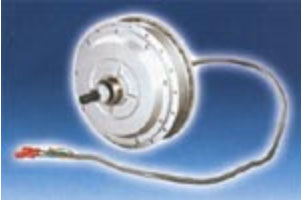
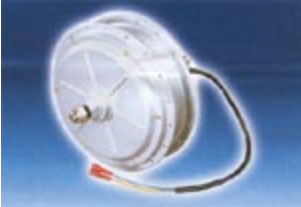
| Geared Hub Motor | 30–50 Nm | 80–82% | Low |
| Direct Drive Hub | 40–60 Nm | 78–80% | Minimal |
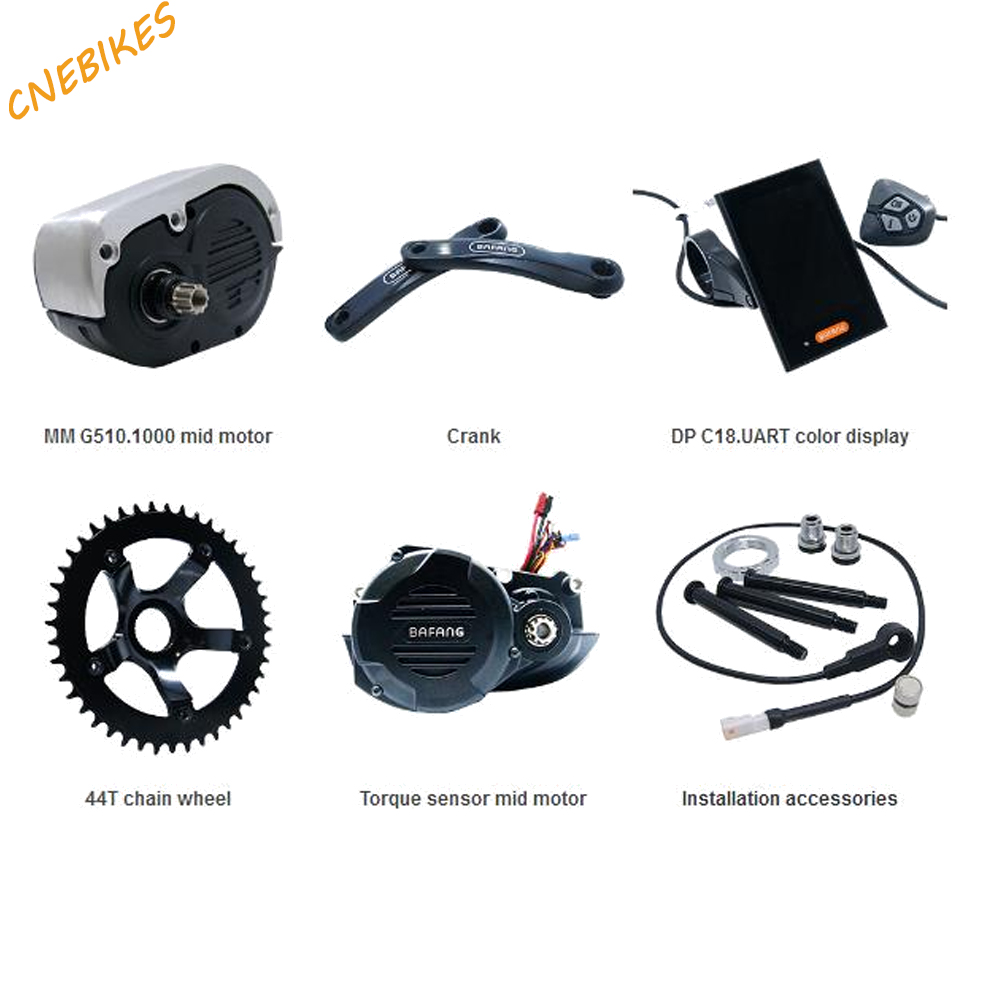
| Mid-Drive Motor | 70–120 Nm | 85–88% | High |
Beyond power output, thermal management is a primary differentiator. High-performance motors require specific potting compounds around the stator and hall sensors to dissipate heat during sustained hill climbs, preventing early sensor failure.
Manufacturing Tolerances and Quality Control
The durability of an e-bike motor is won or lost in the details of its internal assembly. High-quality manufacturers use high-temperature NdFeB (Neodymium) magnets; lower-tier factories may use standard N35 magnets that demagnetize under heavy thermal loads, leading to permanent power loss. Similarly, the density of the copper windings directly impacts efficiency and heat generation.
Struggling to verify the internal build quality of your motor supplier? Let our engineers handle the technical vetting and factory qualification.
Talk to our teamFor geared hub motors, the planetary gears are typically machined from nylon to reduce noise. However, the exact composite blend dictates whether these gears will strip under peak torque. Implementing rigorous Quality Control & Inspection during assembly is non-negotiable.
Critical Factory-Floor QC Checks
- Dynamometer testing for torque output and efficiency mapping across the RPM range.
- Hipot (high potential) testing to verify insulation integrity on copper windings.
- Hall sensor alignment and potting compound application verification.
- Acoustic and vibration testing in an anechoic chamber to detect gear mesh defects.
- Salt spray testing on external casings and axle threads for corrosion resistance.
OEM Customization and Integration
For brands developing proprietary e-bike platforms, off-the-shelf motors rarely suffice. OEM/ODM Services allow you to customize axle lengths, casing designs, and connector types (such as Julet or Higo waterproof plugs) to match your frame and wiring harness perfectly.
Firmware integration is another critical sourcing vector. The motor must communicate seamlessly with the controller and display, typically via UART or CAN bus protocols. Ensure your factory has the engineering capability to tune the motor's power delivery curve to match your specific controller parameters, ensuring smooth pedal-assist transitions rather than jerky acceleration.
Wholesale Pricing, MOQs, and Lead Times
Electric motor pricing is highly sensitive to commodity markets, particularly the costs of copper and rare-earth metals for magnets.
- Minimum Order Quantities (MOQs): Standard off-the-shelf hub motors often have MOQs of 100 to 300 units. Custom mid-drive systems or motors requiring unique casing molds typically demand MOQs of 500 to 1,000 units to justify the tooling and setup costs.
- Pricing Drivers: Upgrading from standard sensors to dual-hall sensor arrays, or specifying higher-grade Japanese bearings (e.g., NSK) instead of domestic equivalents, will increase unit costs but drastically reduce failure rates.
- Lead Times: Typical production lead times range from 45 to 60 days, depending on the availability of raw materials.
Before committing to a large volume order, conducting comprehensive Factory Audits is essential to verify that the supplier has the actual production capacity and testing infrastructure they claim, rather than simply outsourcing to a sub-tier assembler.
Ready to negotiate better terms or develop a custom motor platform? We manage the entire sourcing lifecycle, from factory selection to final delivery.
Get a free consultationFrequently Asked Questions
Securing a reliable supply of electric bicycle motors requires moving past surface-level specifications and scrutinizing the raw materials, assembly tolerances, and testing protocols used on the factory floor. By partnering with thoroughly vetted manufacturers and enforcing strict quality standards, brands can build e-bike platforms that deliver consistent performance and long-term reliability.
Get Sourcing Help for Electric Bicycle Motors
Tell us your requirements and our experts will connect you with verified manufacturers.