Dredgers
Source commercial dredgers directly from vetted manufacturers and shipyards in Asia. Designed for heavy equipment importers, marine engineering distributors, and procurement managers, our network provides reliable, high-capacity dredging vessels for wholesale purchase and custom OEM production.
Sourcing dredgers requires balancing heavy-duty performance specifications with rigorous shipyard vetting. Because these vessels operate in highly corrosive, high-stress environments, procurement goes far beyond simply matching pump capacities. Buyers must evaluate hull plate thickness, hydraulic system reliability, engine provenance, and the manufacturer's ability to meet international marine classification standards.
Navigating the capabilities of various shipyards while ensuring compliance and managing complex export logistics is a significant undertaking for any procurement team.
Critical Specifications for Commercial Dredgers
When defining your requirements with a shipyard, generic specifications will lead to underperforming equipment. You must specify the exact operational parameters to ensure the dredger is engineered for the intended water body and soil type.
| Specification | Standard River/Lake Application | Heavy-Duty Coastal/Hard Soil |
|---|---|---|
| Dredging Depth | Up to 15 meters | 15 to 30+ meters |
| Discharge Distance | 500 to 1,000 meters | 1,500 to 3,000+ meters (with booster) |
| Hull Material | 6mm - 8mm marine steel | 10mm - 14mm CCS Grade A steel |
| Engine Configuration | Single main engine (pump + hydraulics) | Dual engines (separate pump and hydraulic drives) |
Engine and Pump Selection
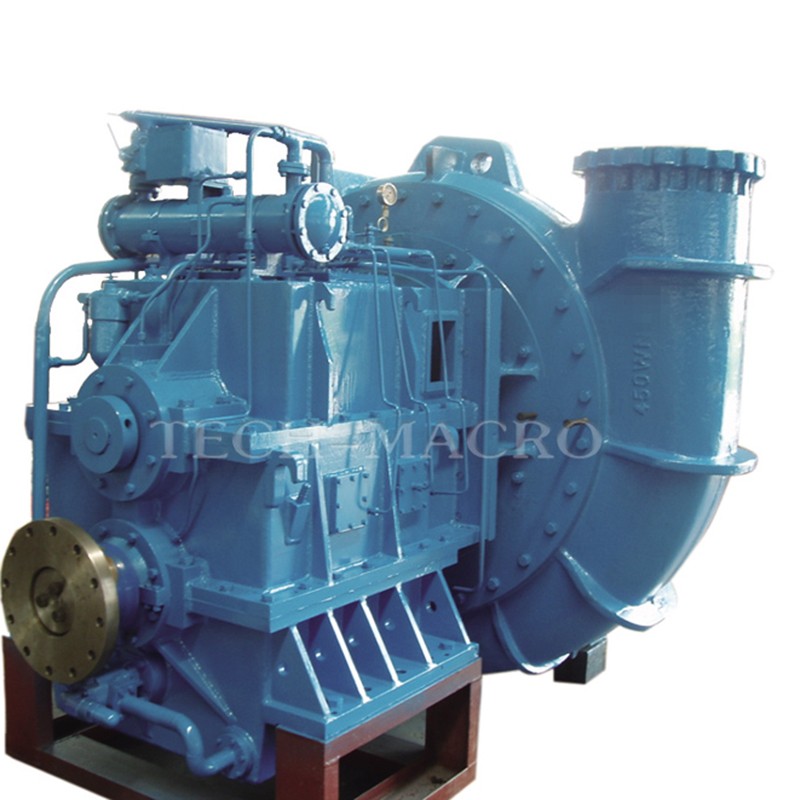
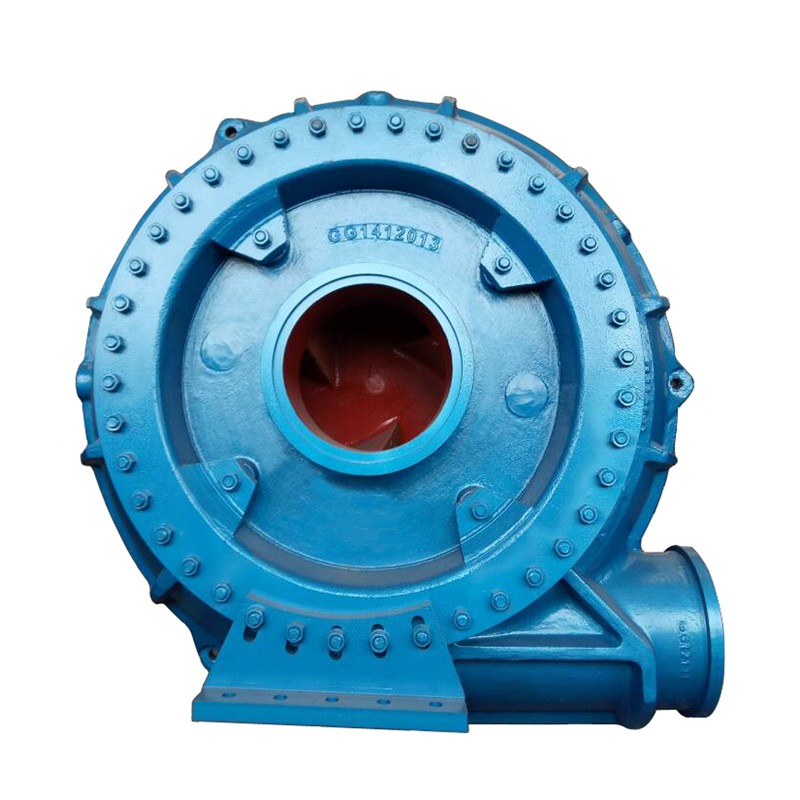
The heart of any dredger is its engine and pump synergy. Buyers must specify the engine brand clearly. Domestic Chinese engines (like Weichai or Yuchai) offer excellent cost-efficiency for standard projects, but for rigorous continuous operation or regions with specific emission standards, specifying imported or joint-venture engines (such as Cummins or Caterpillar) is standard practice. The dredge pump must be cast from high-chrome alloy (typically over 27 percent chrome) to withstand severe abrasion from sand and gravel.
Need help verifying shipyard capabilities and engine authenticity? Our engineering sourcing team can manage the technical vetting process.
Talk to our teamManufacturing Quality and Shipyard Vetting
Not all heavy machinery manufacturers possess the infrastructure to build reliable marine vessels. Assessing a shipyard's welding processes, steel sourcing, and testing facilities is non-negotiable.
Conducting comprehensive Factory Audits before placing a deposit ensures the facility has the actual capacity and certifications (such as ISO 9001 and marine classification society approvals) to deliver.
Key Quality Control Checkpoints
During production, quality is won or lost in the structural integrity of the hull and the cleanliness of the hydraulic systems.
Essential Dredger QC Checks
- Material Verification: Ultrasonic thickness gauging of hull plates to ensure compliance with specified CCS/ABS standards.
- Welding NDT: Non-Destructive Testing (X-ray or ultrasonic) on all critical hull seams and pontoon joints.
- Hydraulic System Flushing: Ensuring all hydraulic lines are flushed and pressure-tested to prevent valve contamination.
- Anti-Corrosion Coating: Verification of marine-grade epoxy application, including primer thickness and zinc anode placement.
- Factory Acceptance Test (FAT): In-water pool testing at the factory to verify pump pressure, cutter head torque, and engine performance under load.
Implementing strict Quality Control & Inspection protocols at the shipyard, particularly during the FAT phase, is critical. Catching a hydraulic leak or a misaligned pump shaft before the vessel is dismantled for shipping saves tens of thousands of dollars in site-commissioning delays.
Buying Mechanics: Pricing, MOQs, and Lead Times
Because dredgers are capital-intensive engineering vessels, the buying mechanics differ significantly from standard wholesale goods.
- Minimum Order Quantity (MOQ): The standard MOQ is 1 unit. However, buyers purchasing fleets (3 to 5 units) can negotiate better terms on spare parts packages and custom engineering modifications.
- Production Lead Times: A standard 10-inch or 12-inch cutter suction dredger typically requires 45 to 60 days to manufacture. Larger vessels (18-inch to 24-inch) or highly customized builds can take 90 to 150 days.
- Pricing Drivers: The primary cost factors are the size of the dredge pump, the brand of the diesel engines, and the current market price of marine steel. Upgrading from a domestic engine to a global tier-1 brand can increase the total vessel cost by 15 to 25 percent.
Planning a capital equipment purchase? Let us help you structure the manufacturing milestones and quality control gates.
Get a free consultationLogistics and Shipping Complexities
Dredgers are massive structures that require specialized logistics. Small to medium dredgers are designed to be modular. The side pontoons, main pontoon, cutter ladder, and spuds are dismantled and shipped via standard 40-foot High Cube (HC), Open Top (OT), or Flat Rack containers. Large-scale dredgers that cannot be easily modularized must be transported via breakbulk or Ro-Ro (Roll-on/Roll-off) vessels. Coordinating this requires expert Shipping & Freight management to handle heavy-lift port operations and complex customs clearances.
Frequently Asked Questions
Procuring a commercial dredger requires strict oversight from the initial design specification through to factory acceptance testing and heavy-lift logistics. By establishing clear technical parameters and enforcing rigorous on-site inspections, buyers can secure high-performance marine equipment that delivers reliable return on investment over decades of operation.
Get Sourcing Help for Dredgers
Tell us your requirements and our experts will connect you with verified manufacturers.