Dimmers
Source high-quality dimmers from vetted suppliers and manufacturers in China and across Asia. Designed for importers, electrical wholesalers, and brands seeking reliable OEM or private-label production, our network delivers scalable solutions. Access competitive wholesale pricing for standard, architectural, and smart lighting controls.
Sourcing dimmers at volume requires navigating a complex landscape of lighting protocols, LED driver compatibilities, and strict regional safety certifications. A minor component failure, inadequate heat dissipation, or a slight mismatch in phase-cut profiles can result in widespread flickering, audible buzzing, or drastically reduced lifespans for connected fixtures. Success depends on partnering with factories that understand the nuances of modern electronic loads.
Core Dimming Protocols and Compatibility
The primary challenge in procuring dimmers is ensuring seamless integration with the end-user's lighting fixtures. Buyers must specify the exact control protocol required for their target market, as "universal" dimmers often compromise on performance at the extreme ends of the dimming curve.
| Protocol | Primary Application | Key Sourcing Consideration |
|---|---|---|
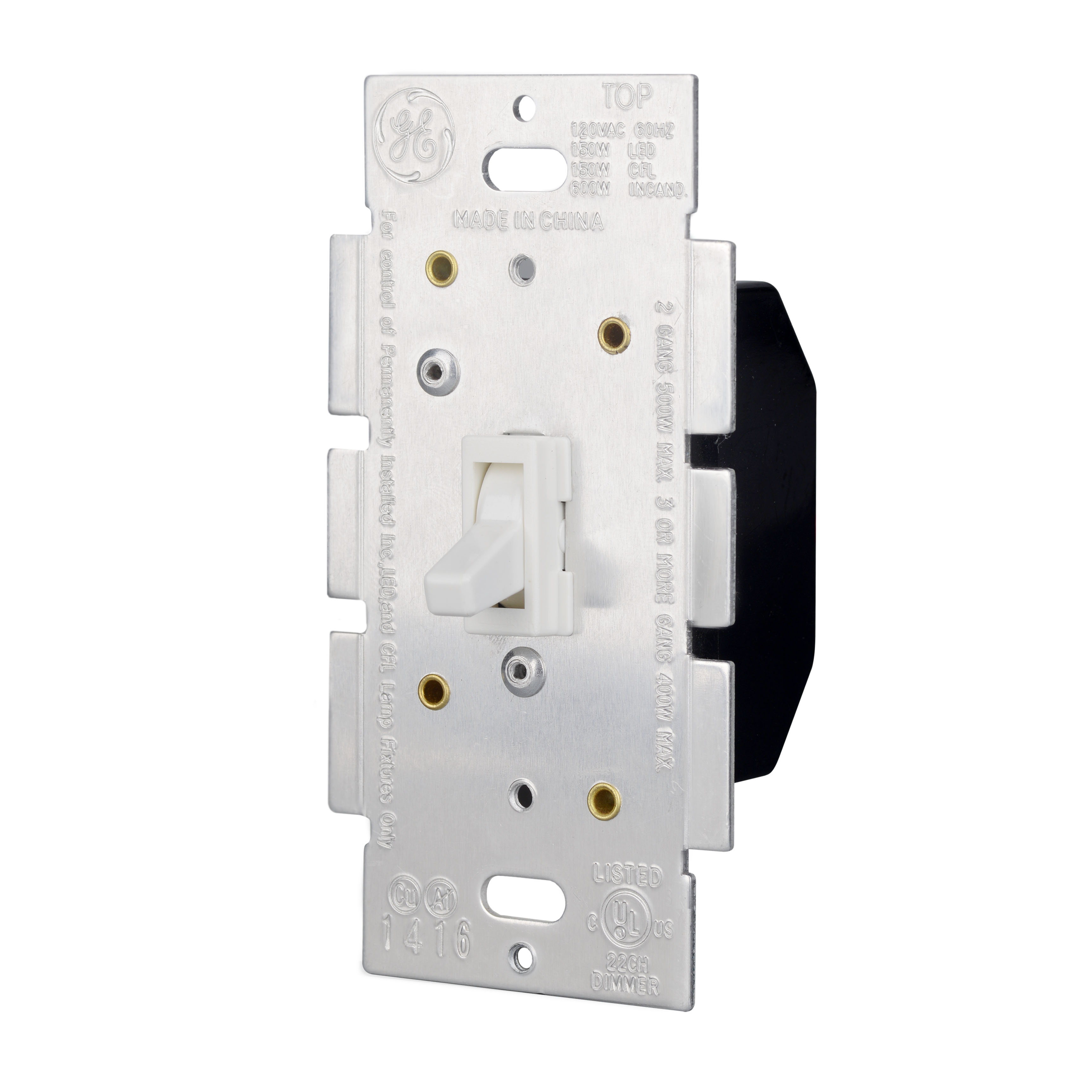
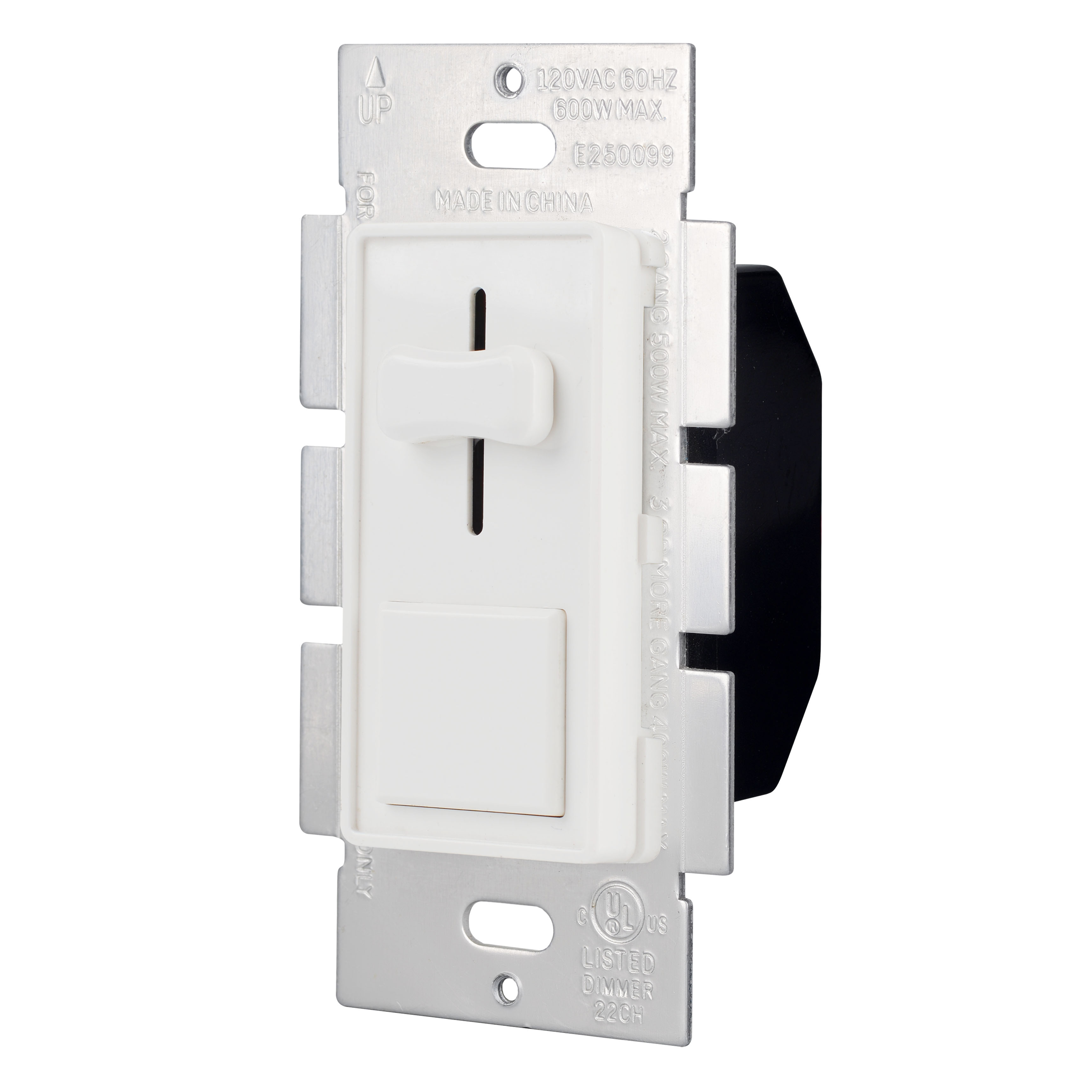
| TRIAC (Phase-Cut) | Residential, retrofit | Must specify leading-edge (forward phase) vs. trailing-edge (reverse phase) for LED driver compatibility. |
| 0-10V / 1-10V | Commercial, architectural | Requires separate low-voltage control wiring; verify the dimming curve linearity and sink/source current limits. |
| DALI / DALI-2 | Large-scale networked lighting | Requires strict firmware validation and official DALI Alliance certification to ensure interoperability. |
| Smart (Zigbee/Wi-Fi/Matter) | Connected home, IoT | Chipset availability and firmware stability are critical. Often requires Tuya integration or custom app development. |
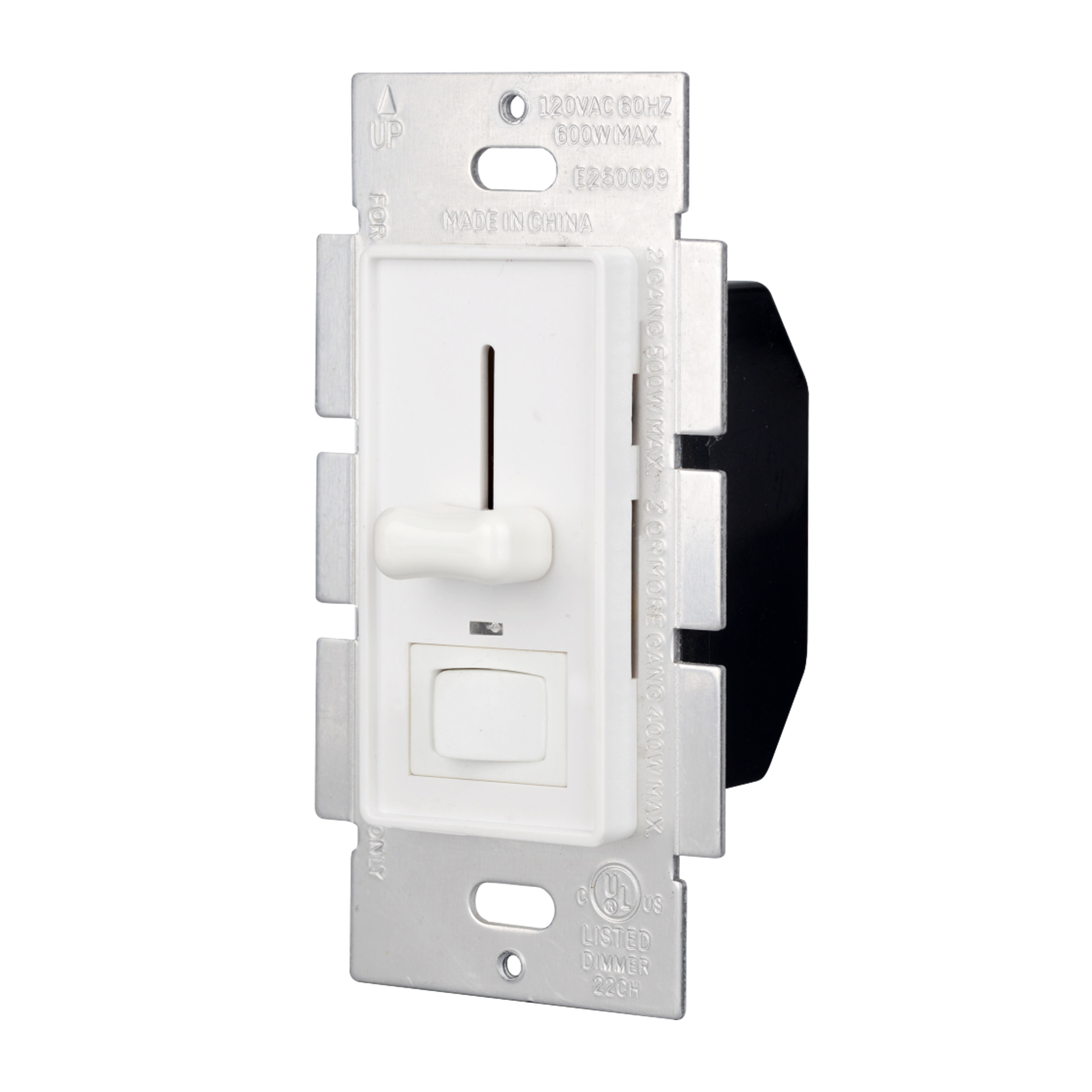
When sourcing phase-cut dimmers, it is critical to define the minimum load requirement. Older dimmer designs engineered for incandescent bulbs often require a minimum load of 20W to 40W, which causes modern low-wattage LED circuits to drop out or flicker. Specify dimmers engineered with a minimum load of 5W or less.
Manufacturing Quality and Component Selection
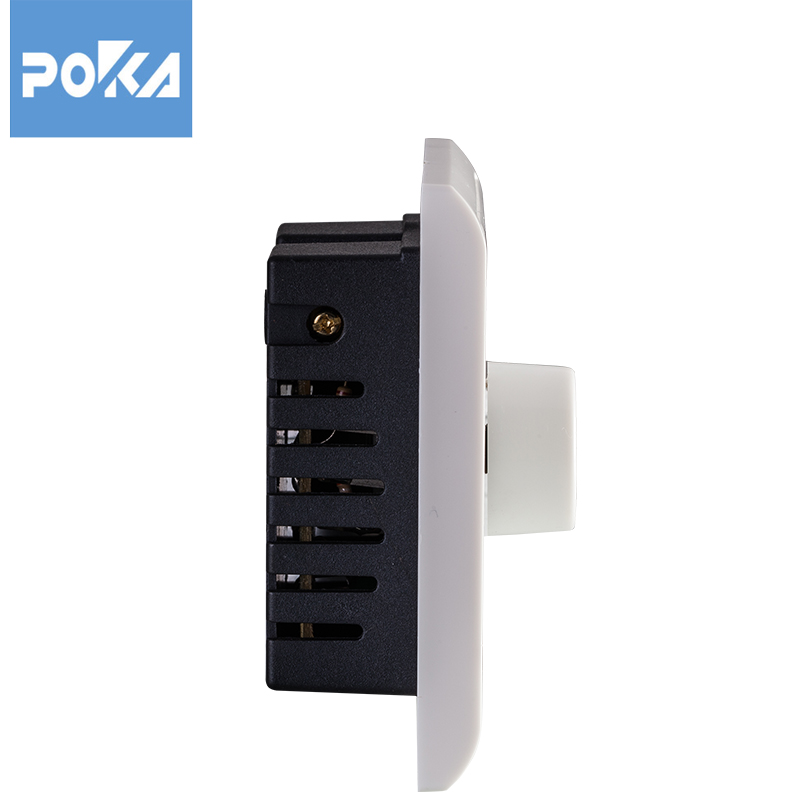
The reliability of a dimmer is dictated by its internal component quality and thermal management. Dimmers generate heat by regulating voltage, and poor heat dissipation is the leading cause of premature failure and safety hazards.
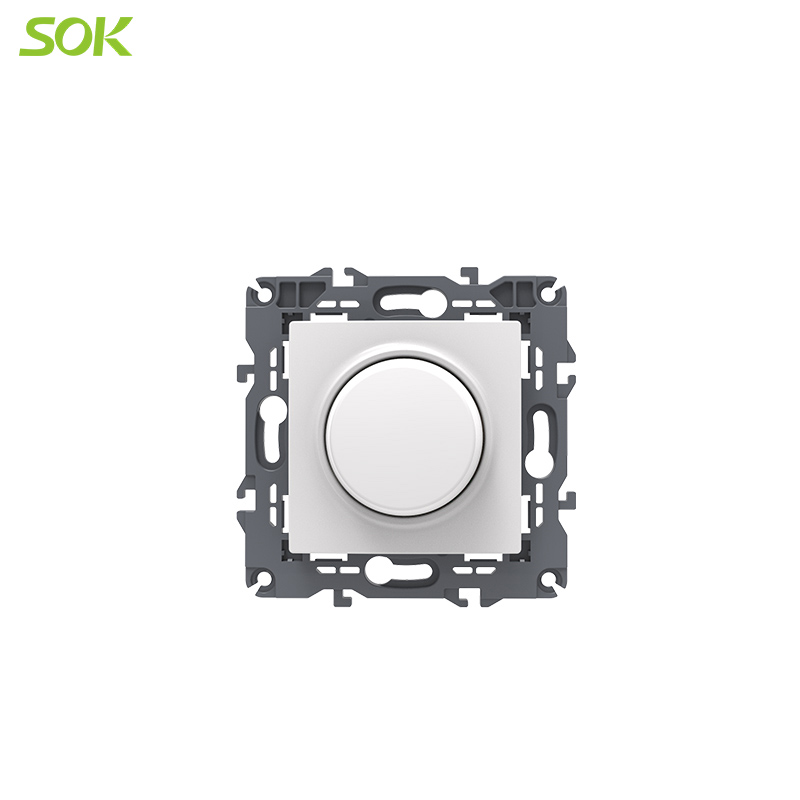
When evaluating a new supplier, look beyond the external housing. The internal PCB assembly and the quality of the TRIAC components determine whether the unit will survive continuous operation at maximum load.
Critical Factory-Level Quality Checks
- Internal Heatsink Mass: Verify the thickness and surface area of aluminum heatsinks used to dissipate thermal load.
- Component Sourcing: Check the origins of critical components like TRIACs, microcontrollers, and smoothing capacitors.
- Minimum/Maximum Load Testing: Ensure the factory tests units across the full specified wattage range, not just at a nominal mid-point.
- Potting and Coating: For commercial or damp-location dimmers, verify conformal coating on the PCB to prevent moisture ingress.
- Plastic Flammability: Confirm the outer casing utilizes V-0 rated flame-retardant polycarbonate (PC).
Struggling with LED flickering or high defect rates from your current supplier? Let us help you audit and upgrade your dimmer manufacturing.
Talk to our teamCertifications and Customization
Because dimmers are directly connected to mains voltage, regulatory compliance is non-negotiable. Importing non-compliant electrical accessories carries severe liability and customs risks.
For the North American market, UL or ETL listing is mandatory, along with FCC compliance for any smart or RF-emitting dimmers. For Europe, CE (LVD and EMC directives) and RoHS are required. Relying on a supplier's self-declaration is risky; professional buyers utilize comprehensive Compliance & Testing services to verify that the specific product batch matches the laboratory certificates.
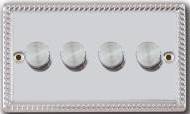
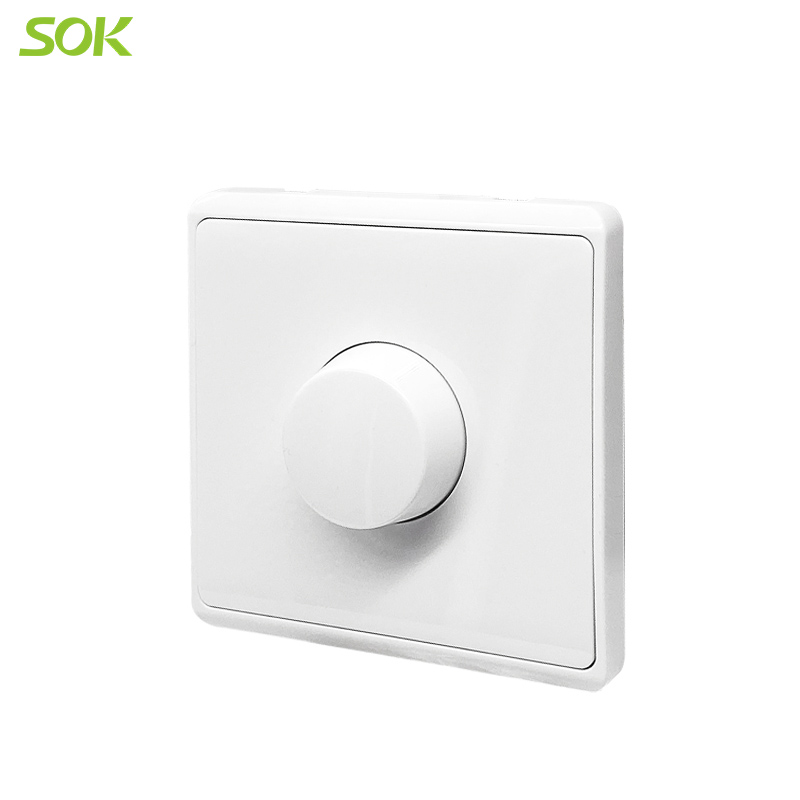
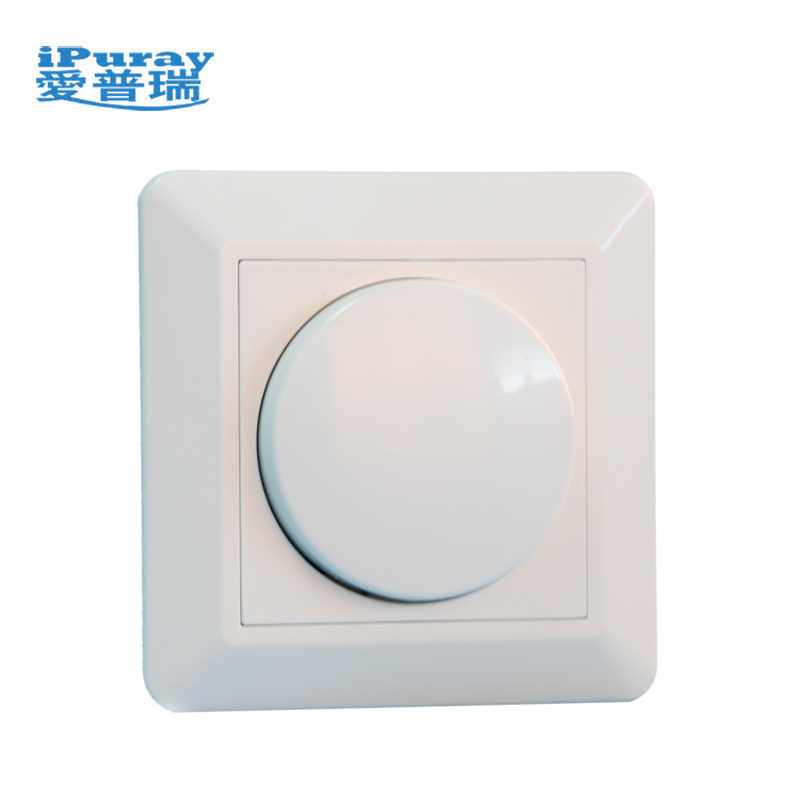
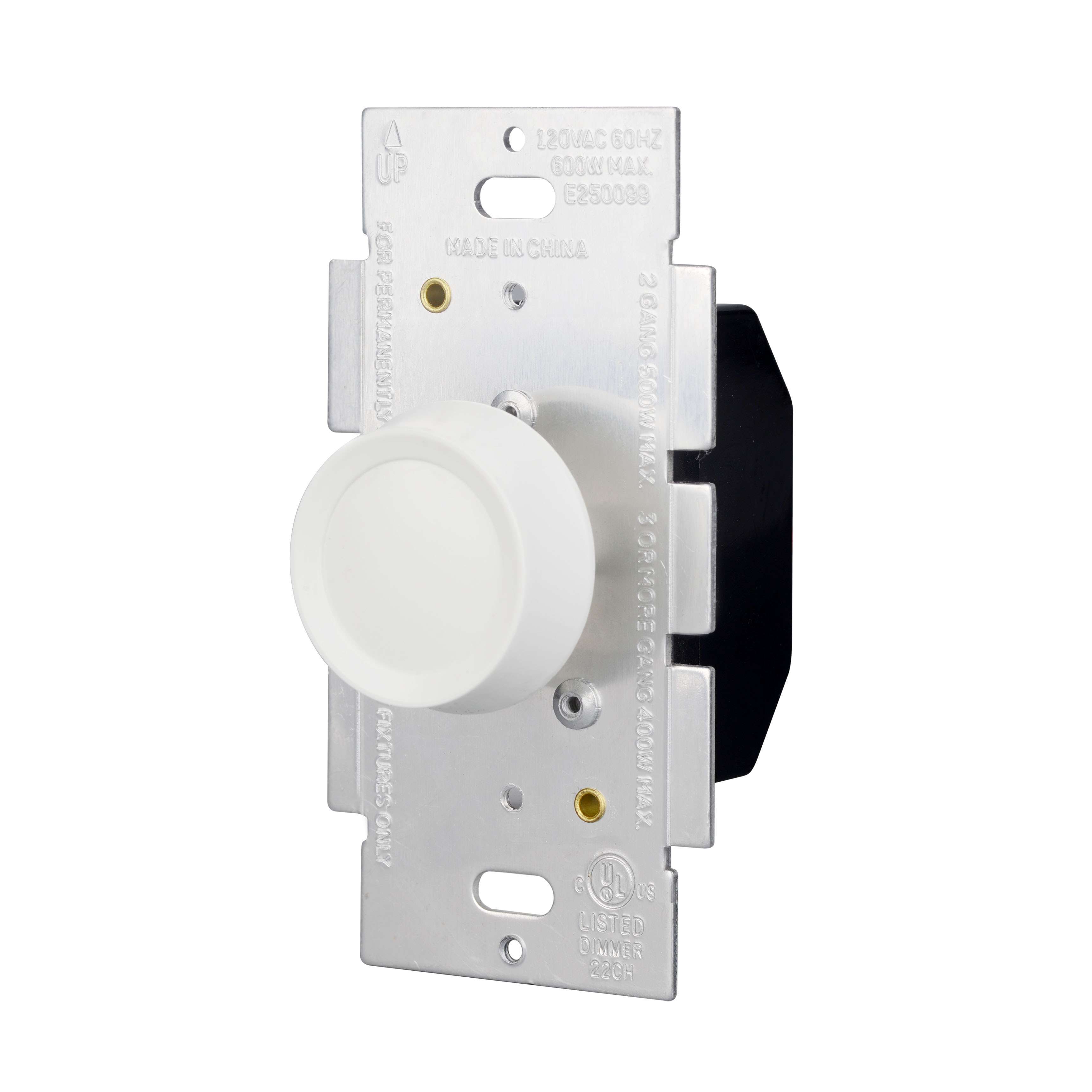
If you are building a proprietary smart home ecosystem or require unique industrial designs, engaging factories that offer robust OEM/ODM Services is highly recommended. These manufacturers can customize the firmware, adjust the dimming curve via microcontroller programming, and design custom tooling for the faceplates and rotary knobs.
Typical MOQs, Pricing Drivers, and Lead Times
Pricing for dimmers is driven by the complexity of the internal circuitry, the maximum wattage rating, and the smart connectivity features.
To secure the best pricing without compromising safety, it is essential to conduct thorough Factory Audits prior to placing volume orders. This ensures the manufacturer has genuine in-house PCB assembly (SMT) capabilities rather than outsourcing the critical electronic components to unverified third-party workshops.
Need accurate pricing and lead times for a custom dimmer line? We can benchmark costs across our vetted manufacturer network.
Get a free consultationFrequently Asked Questions
Sourcing reliable dimmers is fundamentally about matching the control hardware to the intended lighting ecosystem while maintaining rigorous electrical safety standards. By partnering with technically capable manufacturers and enforcing strict quality control protocols, you can deliver lighting controls that perform flawlessly in the field.
Get Sourcing Help for Dimmers
Tell us your requirements and our experts will connect you with verified manufacturers.