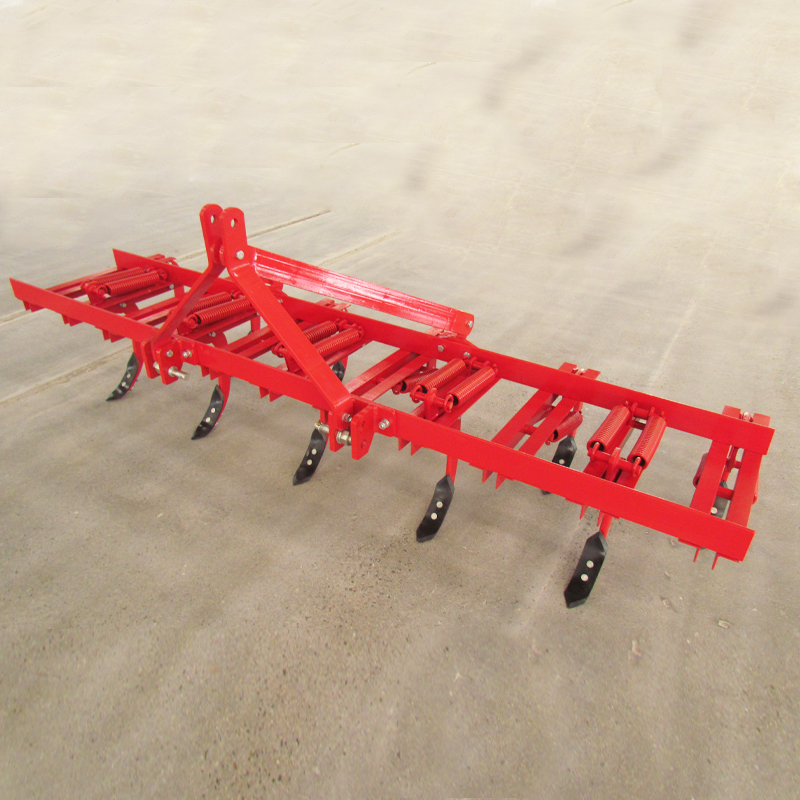
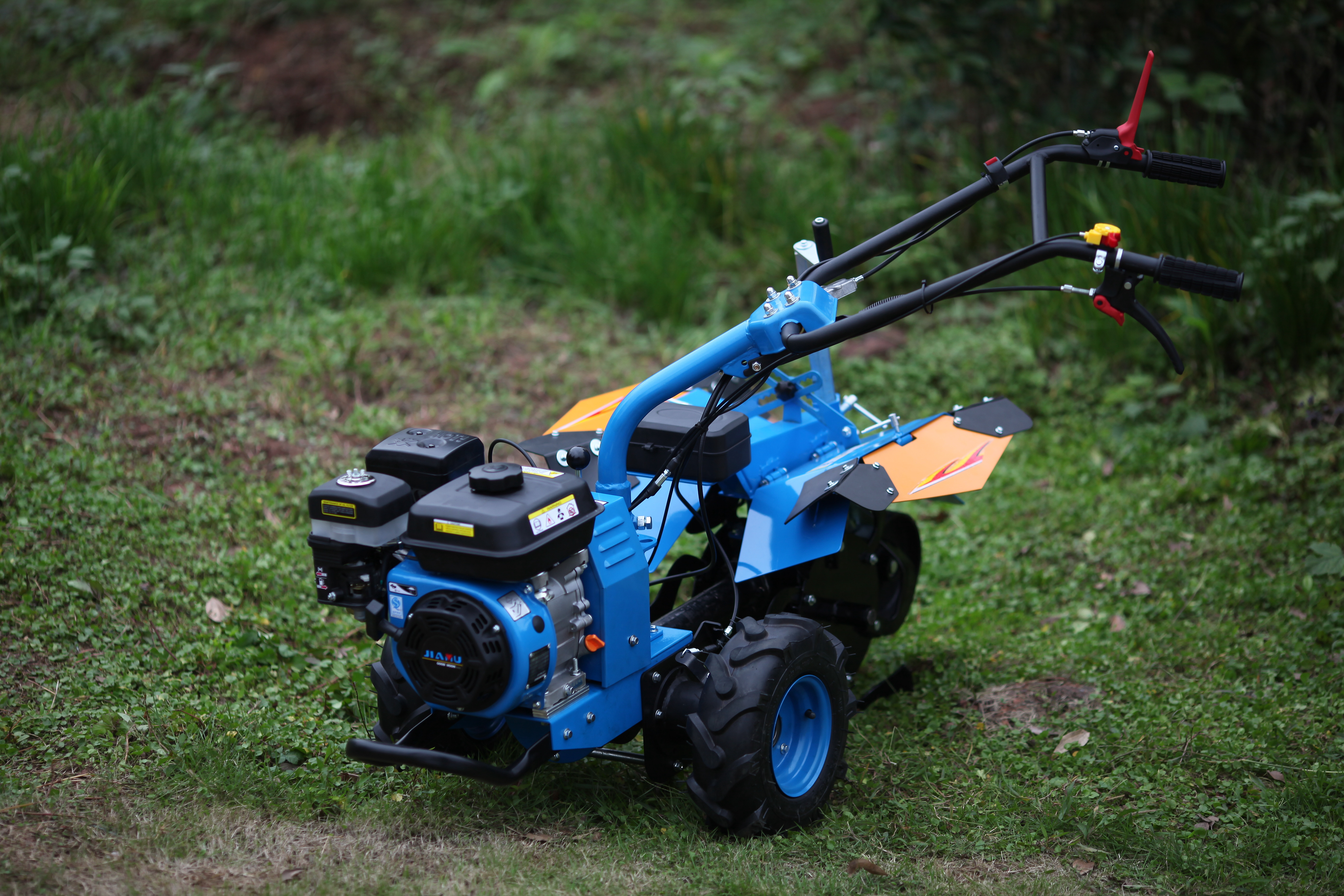
Cultivator
Source high-performance cultivators directly from vetted manufacturers and suppliers. Designed for agricultural machinery importers, wholesale distributors, and brands seeking reliable OEM and private-label production, our network delivers bulk access to durable, commercial-grade tilling and soil preparation equipment.
Sourcing cultivators in volume requires balancing engine reliability with drivetrain durability. Whether you are importing walk-behind rotary tillers for garden centers or heavy-duty agricultural cultivators for commercial farming, the core challenge remains consistent: ensuring consistent assembly quality, reliable engine performance, and proper component metallurgy across container-load orders.
Core Specifications for Bulk Cultivator Sourcing
When negotiating with manufacturers, vague specifications lead to inconsistent production. Professional buyers must define the exact mechanical requirements to ensure the final product meets market expectations.
Key specifications to lock down with your supplier include:
- Engine Displacement & Output: Specify the exact cubic capacity (cc) and continuous power output (HP/kW). Clarify whether you require 2-stroke or 4-stroke engines, though 4-stroke is standard for modern emission compliance.
- Tilling Width & Depth: Define the adjustable range (e.g., width 800mm to 1200mm, depth up to 300mm). This dictates the machine's primary application.
- Blade Metallurgy: Standard blades are often stamped steel, but commercial units require forged 65Mn steel or equivalent, heat-treated to a hardness of HRC 40-45 to prevent snapping in rocky soil.
- Air Filtration: For dusty agricultural environments, specify oil-bath air filters over standard dry paper filters to extend engine life.
| Transmission Type | Soil Application | Maintenance Profile | Cost Tier |
|---|---|---|---|
| Gear-Driven | Heavy clay, rocky soil | Low (Sealed gearbox oil changes) | Premium |
| Belt/Chain-Driven | Loam, sandy, pre-tilled | High (Belt tensioning/replacement) | Economical |
Manufacturing Tolerances and Quality Control
The gap between a sample unit and a mass-produced order often comes down to factory-floor quality management. Gearbox casting and engine assembly are the most critical failure points. Porosity in cast-iron or aluminum gearboxes will lead to oil leaks under thermal stress, while poor assembly tolerances cause excessive vibration, leading to premature structural fatigue.
Implementing rigorous quality control during production is non-negotiable.
Critical Pre-Shipment Inspection Points
- Gearbox seal integrity and oil leak testing under load
- Engine run-in test (minimum 15 minutes) to verify idle stability and RPM range
- Blade hardness testing (HRC verification) on a randomized batch sample
- Vibration analysis at the handle-bars at maximum RPM
- Verification of emission compliance labels (EPA/Euro V) matching the engine serial block
Struggling with inconsistent machinery quality from overseas suppliers? Let us manage your factory vetting and quality control.
Talk to our teamProduction Realities: MOQs, Lead Times, and OEM Customization
Most cultivator manufacturers operate on container-load economics. Because these machines are bulky and require secure crating (usually in steel frames with honeycomb cardboard outers), shipping Less than Container Load (LCL) often results in severe transit damage and uncompetitive freight costs.
If you are building a proprietary brand, OEM/ODM services allow you to customize the equipment. This goes beyond changing the paint color; you can specify upgraded carburetors, reinforced handle assemblies, or specific tire treads (e.g., deep chevron vs. standard turf). Be aware that heavily customized tooling or specifying imported engines (like Honda or Briggs & Stratton) will increase lead times as the factory must source these components outside their standard supply chain.
Ready to scale your agricultural machinery imports? We handle everything from supplier negotiation to final delivery.
Get a free consultationBuyer FAQ
Sourcing reliable cultivators requires looking past the spec sheet and understanding the factory's engineering capabilities and assembly standards. By defining exact metallurgical requirements and enforcing strict pre-shipment testing, importers can secure commercial-grade machinery that builds brand reputation in the field.
Get Sourcing Help for Cultivator
Tell us your requirements and our experts will connect you with verified manufacturers.